
Mindful Stitching Foundations
The term Mindful Stitching Foundations refers to the basic principles and techniques used in knitting and other needlework activities to cultivate mindfulness and promote emotional healing. This concept is rooted in the idea that the repeti…
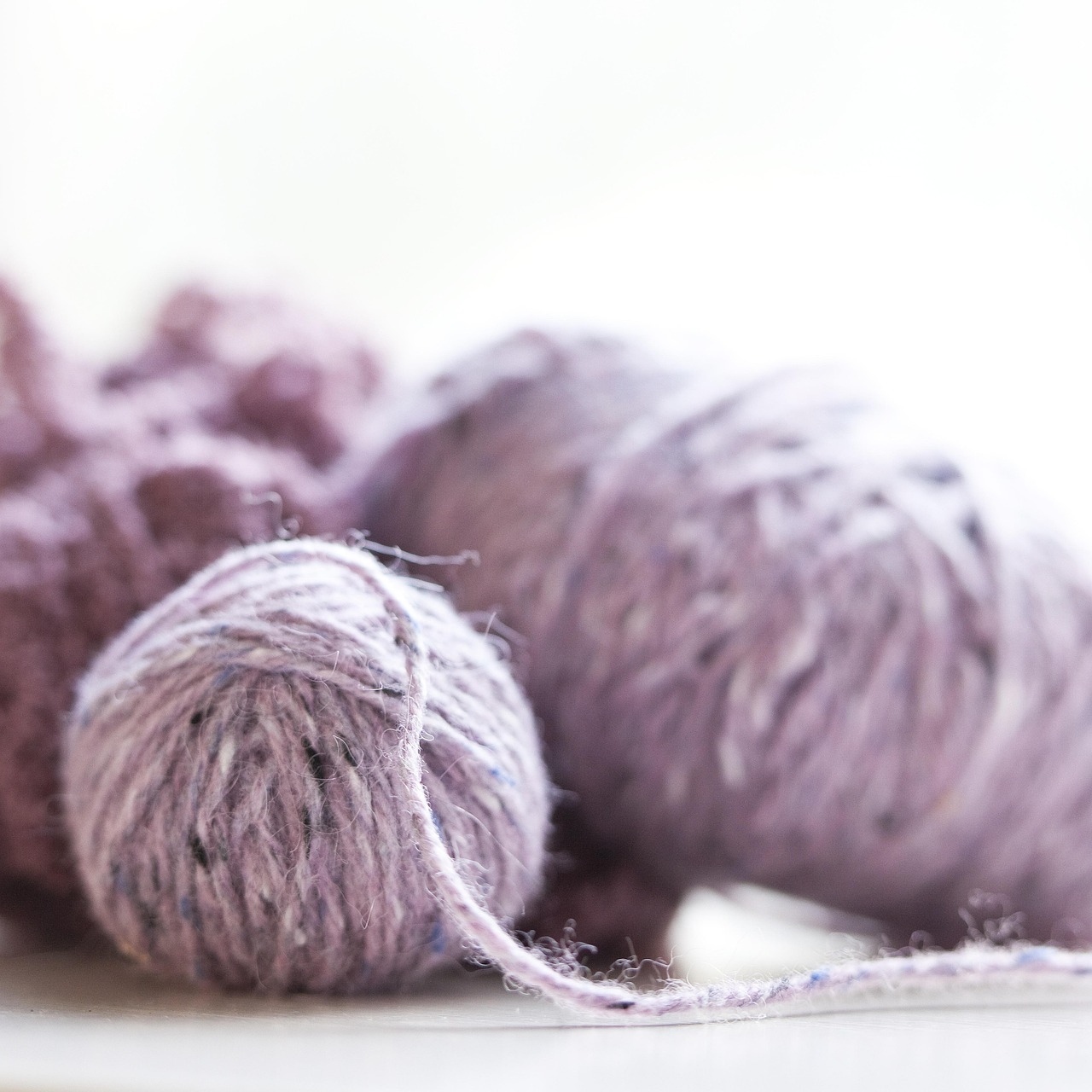
The term Mindful Stitching Foundations refers to the basic principles and techniques used in knitting and other needlework activities to cultivate mindfulness and promote emotional healing. This concept is rooted in the idea that the repetitive and rhythmic motions involved in knitting can be meditative and therapeutic, allowing individuals to focus on the present moment and let go of stress and anxiety. The foundations of mindful stitching include an understanding of the physical and emotional benefits of knitting, as well as the development of skills such as attention and intention that are necessary for cultivating a mindful approach to the craft.
One of the key terms in mindful stitching is embodied cognition, which refers to the idea that the mind is not just located in the brain, but is distributed throughout the body. This concept suggests that the physical sensations and movements involved in knitting can have a direct impact on our emotional and mental states. For example, the gentle touch of the yarn and needles can be soothing and calming, while the rhythmic motion of the knitting can be meditative and trance-inducing. By paying attention to these physical sensations and movements, individuals can cultivate a greater sense of awareness and presence in their knitting practice.
Another important concept in mindful stitching is the idea of non-judgment, which refers to the practice of letting go of critical thoughts and evaluations about one's knitting. This can be a challenging concept for many knitters, as it is common to strive for perfection and to critique one's work. However, the practice of non-judgment is essential for cultivating a mindful approach to knitting, as it allows individuals to focus on the process rather than the product. By letting go of self-criticism, knitters can cultivate a greater sense of self-acceptance and self-compassion, which can have a positive impact on their emotional well-being.
The term intention is also an important concept in mindful stitching, as it refers to the idea of setting a clear goal or purpose for one's knitting practice. This can be as simple as deciding to knit for a certain amount of time each day, or as complex as setting a goal to create a specific project or pattern. By setting an intention, knitters can cultivate a sense of direction and purpose, which can help to guide their practice and keep them motivated. For example, an individual may set the intention to knit a certain number of rows each day, or to complete a specific project within a certain timeframe.
In addition to these concepts, the practice of mindful stitching also involves a range of techniques and strategies that can help to cultivate a mindful approach to knitting. One of the most important of these techniques is the practice of breath awareness, which involves paying attention to the breath while knitting. This can be as simple as noticing the sensation of the breath moving in and out of the body, or as complex as using the breath to guide the knitting process. For example, an individual may use the inhalation to guide the yarn and needles, and the exhalation to guide the release of the stitch.
Another technique that is commonly used in mindful stitching is the practice of body scan, which involves paying attention to the physical sensations in the body while knitting. This can be as simple as noticing the sensation of the yarn and needles in the hands, or as complex as paying attention to the sensations in the entire body. For example, an individual may notice the tension in their shoulders or arms while knitting, and use this awareness to adjust their posture and reduce their stress levels.
The practice of mindful stitching also involves a range of challenges and obstacles that can arise during the knitting process. One of the most common of these challenges is the experience of frustration or frustration, which can occur when an individual is having difficulty with a particular pattern or technique. This can be a challenging experience, as it can be tempting to give up or become discouraged. However, the practice of mindful stitching involves cultivating a sense of patience and perspective, which can help to overcome these challenges and stay motivated.
In addition to these challenges, the practice of mindful stitching also involves a range of benefits and advantages that can have a positive impact on an individual's emotional and mental well-being. One of the most significant of these benefits is the experience of relaxation and reduction in stress levels, which can occur as a result of the repetitive and rhythmic motions involved in knitting. This can be especially beneficial for individuals who are experiencing anxiety or depression, as it can provide a healthy and constructive outlet for their emotions.
The practice of mindful stitching also involves a range of applications and uses that can extend beyond the knitting process itself. For example, the skills and techniques that are developed through mindful stitching can be applied to other areas of life, such as work or relationships. The practice of mindfulness and presence can also be applied to other activities, such as meditation or yoga, and can have a positive impact on an individual's overall sense of well-being.
In terms of practical applications, the practice of mindful stitching can be used in a range of settings, such as therapy or education. For example, a therapist may use mindful stitching as a tool for helping clients to manage stress and anxiety, or to cultivate a sense of self-awareness and self-acceptance. A teacher may use mindful stitching as a tool for helping students to develop their fine motor skills and hand-eye coordination, or to cultivate a sense of calm and focus in the classroom.
The practice of mindful stitching also involves a range of theoretical frameworks and models that can help to explain its benefits and effects. One of the most significant of these frameworks is the concept of flow, which refers to the state of complete absorption and engagement that can occur when an individual is fully immersed in an activity. This concept was first developed by the psychologist Mihaly Csikszentmihalyi, who argued that the experience of flow is essential for human happiness and fulfillment.
In addition to the concept of flow, the practice of mindful stitching also involves a range of other theoretical frameworks and models, such as the concept of self-determination theory. This theory, which was developed by the psychologists Edward Deci and Richard Ryan, argues that human behavior is motivated by three innate psychological needs: autonomy, competence, and relatedness. The practice of mindful stitching can help to satisfy these needs, as it provides individuals with a sense of control and agency over their knitting, as well as a sense of accomplishment and pride in their work.
The practice of mindful stitching also involves a range of philosophical and cultural contexts that can help to inform and deepen our understanding of its benefits and effects. For example, the concept of mindfulness has its roots in Buddhist philosophy, which emphasizes the importance of being present and aware in the current moment. The practice of knitting itself also has a rich cultural and historical context, as it has been used for centuries as a means of creating clothing, textiles, and other essential items.
In terms of challenges and obstacles, the practice of mindful stitching can be difficult to establish and maintain, especially for individuals who are new to knitting or meditation. One of the most significant challenges is the experience of distraction or mind-wandering, which can occur when the mind becomes distracted or disengaged from the knitting process.
In addition to these challenges, the practice of mindful stitching also involves a range of opportunities and possibilities that can help to deepen and enrich our understanding of its benefits and effects. For example, the practice of mindful stitching can be used in combination with other mindfulness practices, such as meditation or yoga, to create a more comprehensive and integrated approach to mindfulness. The practice of mindful stitching can also be used to create a sense of community and connection with others, as individuals can come together to share their knitting and mindfulness practices.
The practice of mindful stitching also involves a range of technological and digital tools that can help to support and enhance the knitting process. For example, there are many apps and software programs that can be used to track progress, set reminders, and provide tutorials and guidance. There are also many online communities and forums that can be used to connect with other knitters, share patterns and projects, and get feedback and support.
In terms of research and evaluation, the practice of mindful stitching is a relatively new and emerging field, and there is a need for more studies and investigations into its benefits and effects. However, there is already a significant body of evidence that suggests that mindful stitching can have a positive impact on mental and emotional well-being, and can be a useful tool for managing stress and anxiety. For example, a study published in the Journal of Clinical Psychology found that knitting was associated with reduced symptoms of depression and anxiety, and improved cognitive function.
In addition to these findings, the practice of mindful stitching also involves a range of implications and applications that can help to inform and guide its use in a range of settings. For example, the practice of mindful stitching can be used in therapy and counseling to help individuals manage stress and anxiety, or to cultivate a sense of self-awareness and self-acceptance. The practice of mindful stitching can also be used in education to help students develop their fine motor skills and hand-eye coordination, or to cultivate a sense of calm and focus in the classroom.
The practice of mindful stitching also involves a range of resources and materials that can help to support and enhance the knitting process. For example, there are many books and patterns available that can provide guidance and inspiration for knitters, as well as a range of yarns and needles that can be used to create a variety of different projects and textiles. There are also many online tutorials and videos that can be used to learn new skills and techniques, or to get feedback and support from other knitters.
In terms of future directions and developments, the practice of mindful stitching is a rapidly evolving and emerging field, and there are many exciting possibilities and opportunities for growth and development. For example, there is a growing interest in the use of technology and digital tools to support and enhance the knitting process, such as the development of apps and software programs that can be used to track progress and provide guidance and feedback. There is also a growing interest in the use of mindful stitching in a range of settings and contexts, such as therapy and counseling, education, and community development.
In addition to these developments, the practice of mindful stitching also involves a range of challenges and obstacles that will need to be addressed in order to fully realize its potential and benefits. For example, there is a need for more research and evaluation into the effects and benefits of mindful stitching, as well as a need for more resources and support for individuals who are interested in learning and practicing mindful stitching. There is also a need for more awareness and understanding of the benefits and effects of mindful stitching, as well as a need for more integration and coordination between different disciplines and fields.
The practice of mindful stitching also involves a range of ethical and moral considerations that will need to be taken into account in order to ensure that its benefits and effects are realized in a responsible and sustainable way. For example, there is a need for more awareness and understanding of the potential risks and harm that can be associated with mindful stitching, such as the potential for addiction or obsession. There is also a need for more consideration and respect for the cultural and historical context of knitting and mindful stitching, as well as a need for more awareness and understanding of the potential impact and effects of mindful stitching on individuals and communities.
In terms of personal growth and development, the practice of mindful stitching can be a powerful tool for cultivating a sense of self-awareness and self-acceptance, as well as a sense of calm and well-being. The practice of mindful stitching can also be a useful tool for managing stress and anxiety, as well as for cultivating a sense of resilience and adaptability. By cultivating a greater sense of awareness and presence in the knitting process, individuals can develop a greater sense of control and agency over their lives, as well as a greater sense of connection and community with others.
The practice of mindful stitching also involves a range of creative and expressive possibilities that can help to cultivate a sense of imagination and innovation. For example, the practice of knitting can be used to create a wide range of different textiles and fabrics, each with its own unique texture and pattern. The practice of mindful stitching can also be used to create a sense of story and narrative, as individuals can use their knitting to tell stories and convey meaning and emotion.
In addition to these creative and expressive possibilities, the practice of mindful stitching also involves a range of therapeutic and healing benefits that can help to cultivate a sense of well-being and resilience. For example, the practice of knitting can be used to reduce stress and anxiety, as well as to cultivate a sense of calm and relaxation. The practice of mindful stitching can also be used to cultivate a sense of self-compassion and self-acceptance, as well as a sense of connection and community with others.
The practice of mindful stitching also involves a range of educational and learning opportunities that can help to cultivate a sense of curiosity and inquiry. For example, the practice of knitting can be used to learn about mathematics and geometry, as well as to develop fine motor skills and hand-eye coordination. The practice of mindful stitching can also be used to learn about history and culture, as well as to develop a sense of appreciation and respect for the cultural and historical context of knitting and mindful stitching.
In terms of community and connection, the practice of mindful stitching can be a powerful tool for cultivating a sense of belonging and togetherness. For example, individuals can come together to share their knitting and mindful stitching practices, as well as to provide support and guidance to one another. The practice of mindful stitching can also be used to create a sense of connection and community with others, as individuals can use their knitting to create gifts and other items for friends and family.
The practice of mindful stitching also involves a range of spiritual and philosophical dimensions that can help to cultivate a sense of meaning and purpose. For example, the practice of knitting can be used to cultivate a sense of gratitude and appreciation for the simple things in life, as well as to develop a sense of compassion and empathy for others. The practice of mindful stitching can also be used to cultivate a sense of wonder and awe, as individuals can use their knitting to create beautiful and intricate patterns and designs.
In addition to these spiritual and philosophical dimensions, the practice of mindful stitching also involves a range of physical and health benefits that can help to cultivate a sense of well-being and resilience. The practice of mindful stitching can also be used to cultivate a sense of flexibility and mobility, as individuals can use their knitting to develop their fine motor skills and hand-eye coordination.
The practice of mindful stitching also involves a range of environmental and sustainability considerations that can help to cultivate a sense of responsibility and stewardship. For example, individuals can use their knitting to create sustainable and eco-friendly textiles and fabrics, as well as to reduce waste and consumption. The practice of mindful stitching can also be used to cultivate a sense of connection and appreciation for the natural world, as individuals can use their knitting to create items that reflect and honor the beauty and wonder of nature.
Key takeaways
- This concept is rooted in the idea that the repetitive and rhythmic motions involved in knitting can be meditative and therapeutic, allowing individuals to focus on the present moment and let go of stress and anxiety.
- One of the key terms in mindful stitching is embodied cognition, which refers to the idea that the mind is not just located in the brain, but is distributed throughout the body.
- By letting go of self-criticism, knitters can cultivate a greater sense of self-acceptance and self-compassion, which can have a positive impact on their emotional well-being.
- By setting an intention, knitters can cultivate a sense of direction and purpose, which can help to guide their practice and keep them motivated.
- In addition to these concepts, the practice of mindful stitching also involves a range of techniques and strategies that can help to cultivate a mindful approach to knitting.
- Another technique that is commonly used in mindful stitching is the practice of body scan, which involves paying attention to the physical sensations in the body while knitting.
- One of the most common of these challenges is the experience of frustration or frustration, which can occur when an individual is having difficulty with a particular pattern or technique.