
GIS and Cultural Heritage Management
GIS and Cultural Heritage Management
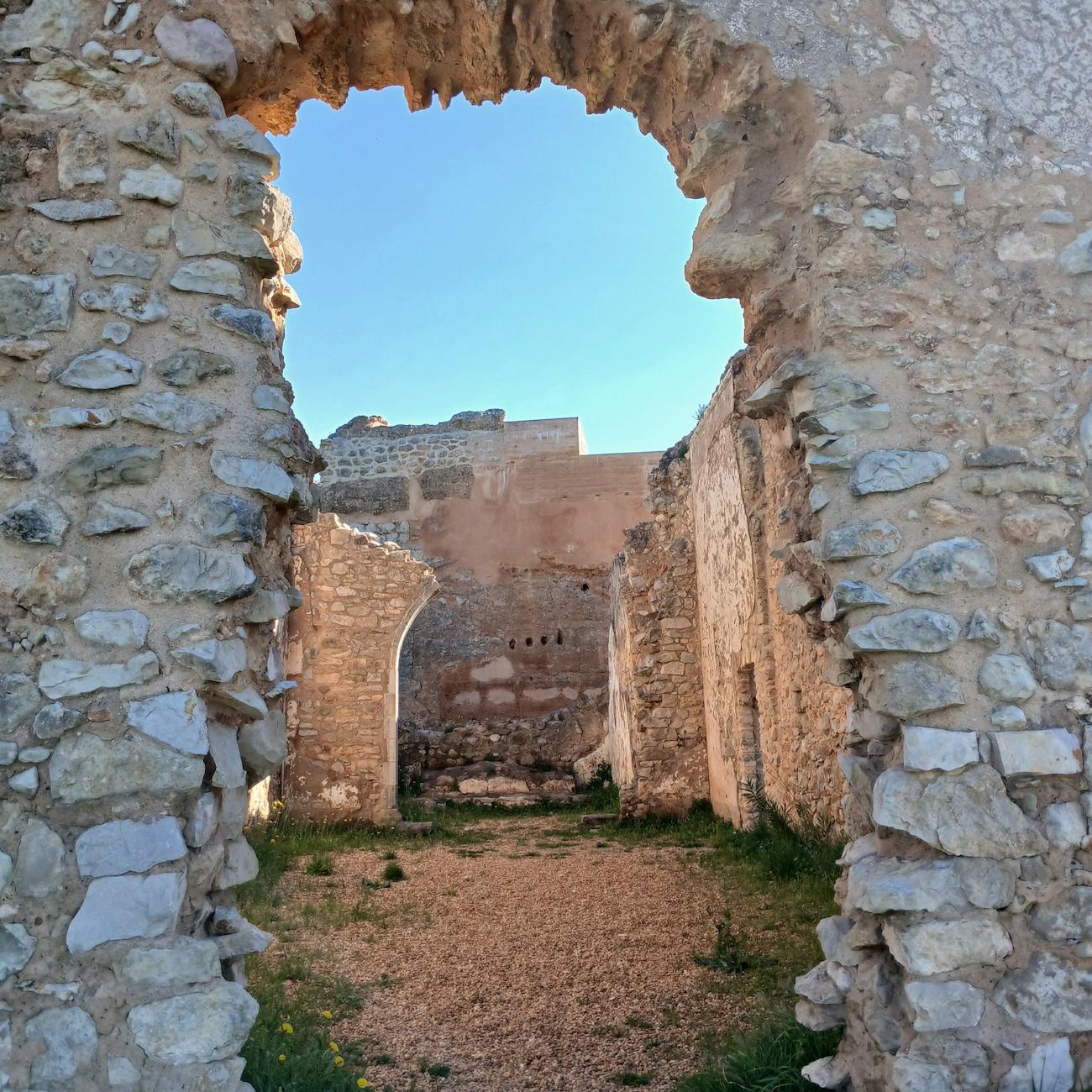
GIS and Cultural Heritage Management
GIS, or Geographic Information Systems, is a powerful tool that has revolutionized the way professionals in various fields manage, analyze, and visualize spatial data. In the context of Cultural Heritage Management, GIS plays a crucial role in documenting, preserving, and interpreting cultural heritage sites and landscapes. This course on Professional Certificate in GIS for Archaeology aims to equip students with the necessary skills to effectively utilize GIS in the field of Cultural Heritage Management.
Key Terms and Vocabulary
1. Archaeology: The study of past human societies through the excavation and analysis of material culture, such as artifacts, structures, and environmental data.
2. Cultural Heritage: The legacy of physical artifacts and intangible attributes of a group or society that are inherited from past generations, maintained in the present, and passed on to future generations.
3. Heritage Management: The practice of identifying, protecting, and conserving cultural heritage sites and resources for future generations.
4. Geospatial Data: Data that is associated with a specific location on the Earth's surface, such as coordinates, elevation, and land cover.
5. GIS Software: Computer software that allows users to create, edit, analyze, and visualize geospatial data.
6. Spatial Analysis: The process of examining spatial patterns, relationships, and trends within geospatial data to gain insight and make informed decisions.
7. Remote Sensing: The collection of data about the Earth's surface from a distance, typically using satellites or aircraft equipped with sensors.
8. LiDAR: Light Detection and Ranging, a remote sensing technology that uses laser pulses to measure distances to the Earth's surface.
9. GPS: Global Positioning System, a satellite-based navigation system that provides location and time information anywhere on Earth.
10. Metadata: Descriptive information about geospatial data, such as its source, accuracy, and date of creation.
11. Digitization: The process of converting analog data, such as maps or photographs, into digital format for use in GIS.
12. Cartography: The art and science of mapmaking, including the design and production of maps for visual communication.
13. Database Management: The organization, storage, and retrieval of data in a structured format to facilitate efficient data management and analysis.
14. Field Survey: The collection of data in the field using GPS, LiDAR, or other tools to capture spatial information about cultural heritage sites.
15. 3D Visualization: The representation of geospatial data in three dimensions to create realistic depictions of landscapes, structures, and artifacts.
16. Georeferencing: The process of aligning spatial data to a known coordinate system to enable accurate analysis and visualization.
17. Buffer Analysis: A GIS technique that creates a zone around a feature based on a specified distance, used to assess proximity and spatial relationships.
18. Overlay Analysis: A GIS operation that combines multiple layers of geospatial data to identify areas of overlap or intersection.
19. Web Mapping: The creation and sharing of interactive maps on the internet, allowing users to explore and analyze spatial data online.
20. Geodatabase: A database designed to store, query, and manage spatial data, including feature classes, tables, and relationships.
21. Conservation Planning: The process of developing strategies to protect and preserve cultural heritage sites while balancing the needs of stakeholders and the surrounding environment.
22. Heritage Interpretation: The communication of the significance and stories behind cultural heritage sites to engage and educate visitors.
23. Site Management Plan: A document outlining the goals, strategies, and actions for the sustainable management of a cultural heritage site.
24. Public Engagement: Involving the community in decision-making processes and activities related to cultural heritage management to foster a sense of ownership and stewardship.
25. GIS for Archaeology: The application of GIS tools and techniques to archaeological research, including site mapping, spatial analysis, and predictive modeling.
26. LiDAR Data Processing: The manipulation and analysis of LiDAR data to extract information about terrain, vegetation, and archaeological features.
27. Virtual Reconstructions: The creation of digital models of cultural heritage sites to visualize and interpret architectural elements and landscapes.
28. Monitoring and Evaluation: The process of assessing the condition and impact of conservation efforts on cultural heritage sites over time.
29. Mobile GIS: The use of mobile devices, such as smartphones and tablets, to collect, update, and share geospatial data in the field.
30. Open Data: Geospatial data that is freely available for anyone to use, reuse, and redistribute without restrictions.
Practical Applications
GIS has a wide range of applications in Cultural Heritage Management, including:
1. Site Mapping: Creating detailed maps of archaeological sites to document features, artifacts, and spatial relationships.
2. Condition Assessment: Evaluating the condition of cultural heritage sites to prioritize conservation efforts and monitor deterioration over time.
3. Heritage Tourism Planning: Identifying and promoting cultural heritage sites to attract visitors and support economic development.
4. Disaster Risk Management: Assessing the vulnerability of cultural heritage sites to natural disasters and developing strategies for disaster preparedness and response.
5. Community Engagement: Engaging local communities in the management and interpretation of cultural heritage sites to foster a sense of ownership and stewardship.
6. Archaeological Research: Using GIS to analyze and interpret spatial patterns in archaeological data to understand past human behavior and land use.
7. Conservation Planning: Developing conservation strategies and management plans to protect and preserve cultural heritage sites for future generations.
8. Public Outreach: Using GIS to create interactive maps and virtual tours of cultural heritage sites to engage and educate the public.
Challenges
Despite its numerous benefits, using GIS in Cultural Heritage Management comes with several challenges, including:
1. Data Quality: Ensuring the accuracy, completeness, and reliability of geospatial data used in GIS analysis can be a challenge, especially when working with data from multiple sources.
2. Technical Skills: Acquiring the necessary technical skills to use GIS software effectively and apply spatial analysis techniques to cultural heritage data can be a barrier for some professionals.
3. Resource Constraints: Limited funding, equipment, and expertise can hinder the implementation of GIS projects in Cultural Heritage Management, particularly in developing countries.
4. Legal and Ethical Considerations: Adhering to legal and ethical guidelines for data collection, sharing, and interpretation is essential to protect the rights and privacy of stakeholders and communities.
5. Interdisciplinary Collaboration: Collaborating with experts from diverse fields, such as archaeology, conservation, and urban planning, to integrate GIS into cultural heritage projects requires effective communication and coordination.
6. Capacity Building: Building the capacity of professionals in Cultural Heritage Management to use GIS effectively through training, workshops, and mentorship programs is essential for long-term success.
7. Public Engagement: Engaging local communities, stakeholders, and policymakers in the decision-making process and management of cultural heritage sites can be challenging but is crucial for ensuring sustainable conservation efforts.
8. Data Security: Protecting sensitive geospatial data, such as the location of archaeological sites or cultural heritage resources, from unauthorized access or misuse is a critical concern in GIS projects.
Conclusion
In conclusion, GIS is a valuable tool for professionals in Cultural Heritage Management, enabling them to document, analyze, and preserve cultural heritage sites and landscapes effectively. By mastering key terms and vocabulary related to GIS and Cultural Heritage Management, students in the Professional Certificate in GIS for Archaeology course will be well-equipped to apply GIS techniques to real-world projects and contribute to the sustainable conservation of cultural heritage for future generations.
Key takeaways
- This course on Professional Certificate in GIS for Archaeology aims to equip students with the necessary skills to effectively utilize GIS in the field of Cultural Heritage Management.
- Archaeology: The study of past human societies through the excavation and analysis of material culture, such as artifacts, structures, and environmental data.
- Cultural Heritage: The legacy of physical artifacts and intangible attributes of a group or society that are inherited from past generations, maintained in the present, and passed on to future generations.
- Heritage Management: The practice of identifying, protecting, and conserving cultural heritage sites and resources for future generations.
- Geospatial Data: Data that is associated with a specific location on the Earth's surface, such as coordinates, elevation, and land cover.
- GIS Software: Computer software that allows users to create, edit, analyze, and visualize geospatial data.
- Spatial Analysis: The process of examining spatial patterns, relationships, and trends within geospatial data to gain insight and make informed decisions.