
Introduction to Trauma-Informed Care
Welcome to this episode of our podcast, brought to you by HealthCareCourses (An LSIB brand), or HCC for short. Today, we're going to explore a crucial topic that has the potential to transform the way we support and care for refugee populat…
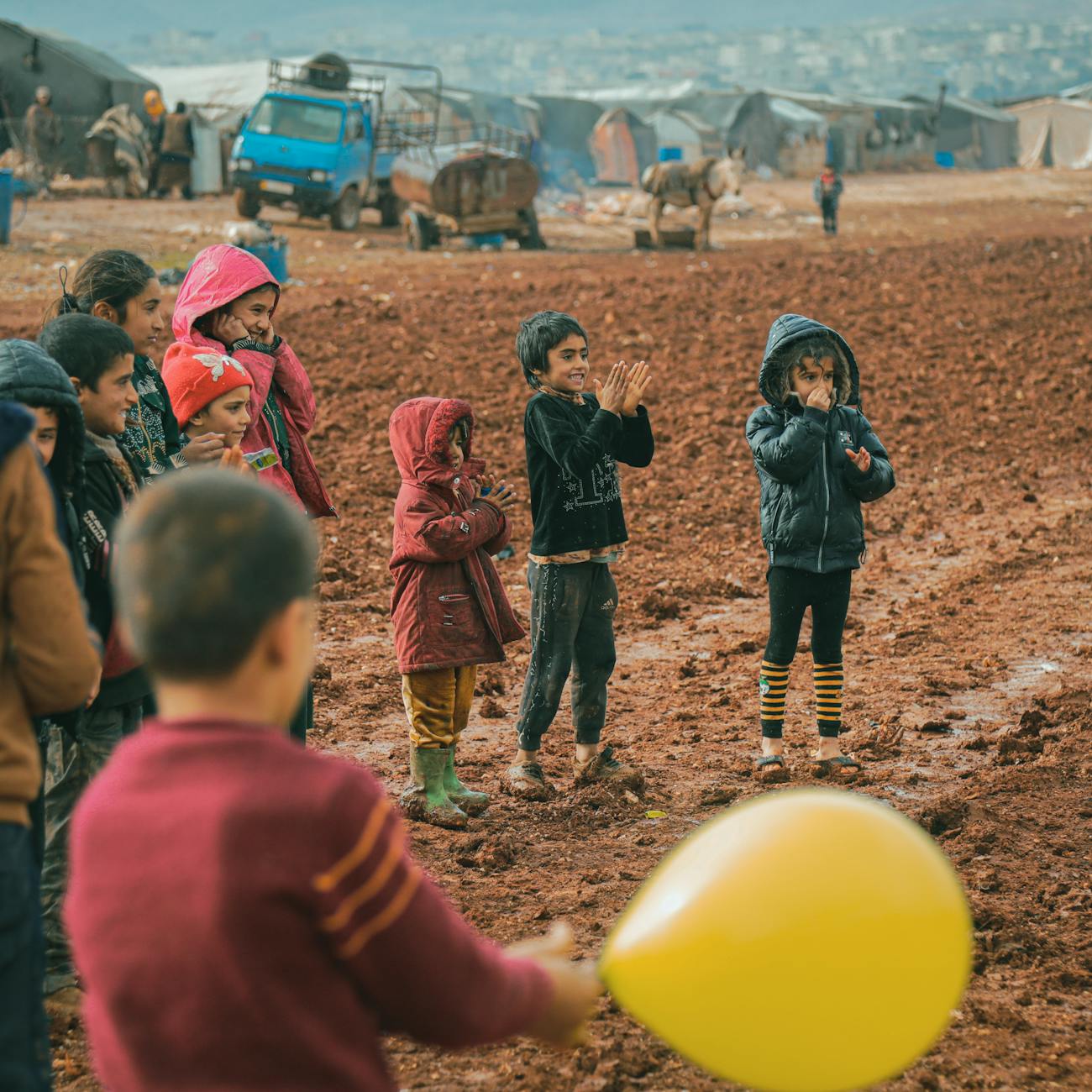
Photo by Noor Aldin Alwan on Pexels
Welcome to this episode of our podcast, brought to you by HealthCareCourses (An LSIB brand), or HCC for short. Today, we're going to explore a crucial topic that has the potential to transform the way we support and care for refugee populations: Introduction to Trauma-Informed Care. This unit is a fundamental part of our Masterclass Certificate in Trauma-Informed Care for Refugee Populations, and I'm excited to dive into its importance and relevance to our audience.
As we delve into the world of trauma-informed care, it's essential to understand its evolution. The concept of trauma-informed care has been around for several decades, but it wasn't until the 1990s that it started gaining momentum. The Adverse Childhood Experiences (ACE) study, led by Dr. Vincent Felitti and Dr. Robert Anda, revealed the profound impact of childhood trauma on physical and mental health outcomes. This groundbreaking research laid the foundation for the development of trauma-informed care as we know it today.
So, what is trauma-informed care, and why is it so vital for working with refugee populations? In essence, trauma-informed care is an approach that acknowledges the presence of trauma in an individual's life and provides a safe, supportive, and non-judgmental environment for them to heal and grow. It's about recognizing that trauma is not just an event, but an experience that can shape a person's worldview, behaviors, and relationships.
Now, let's talk about the practical applications of trauma-informed care. One of the most critical aspects is creating a sense of safety and trust. This can be achieved by being aware of our body language, tone of voice, and the physical environment in which we interact with individuals. For example, something as simple as maintaining eye contact, using open and calm body language, and providing a comfortable seating arrangement can go a long way in making someone feel at ease.
Another essential strategy is to focus on empowerment and choice. This means providing individuals with options and involving them in decision-making processes, which can help them regain a sense of control over their lives. It's also crucial to recognize the importance of cultural sensitivity and awareness, as refugee populations often come from diverse backgrounds and may have unique needs and preferences.
In essence, trauma-informed care is an approach that acknowledges the presence of trauma in an individual's life and provides a safe, supportive, and non-judgmental environment for them to heal and grow.
As we explore the world of trauma-informed care, it's also important to be aware of common pitfalls to avoid. One of the most significant mistakes is to assume that everyone's experience with trauma is the same. We must avoid making assumptions and instead, focus on understanding each individual's unique story and needs. Another pitfall is to overlook the importance of self-care and burnout prevention. Working with trauma-affected populations can be emotionally draining, so it's essential to prioritize our own well-being and seek support when needed.
As we conclude this episode, I want to leave you with an inspiring message: every small action counts, and every interaction has the potential to make a positive impact on someone's life. By applying the principles of trauma-informed care, we can create a ripple effect of compassion, empathy, and understanding that can spread far and wide.
If you're as passionate about this topic as I am, I encourage you to subscribe to our podcast, share this episode with your friends and colleagues, and join the conversation on social media using the hashtag #TraumaInformedCare. At HealthCareCourses (An LSIB brand), or HCC, we're committed to providing high-quality education and resources to support your growth and development. Join us on this journey, and together, let's create a world that is more compassionate, more supportive, and more trauma-informed. Thank you for tuning in, and we look forward to exploring more exciting topics with you in the future.
Key takeaways
- This unit is a fundamental part of our Masterclass Certificate in Trauma-Informed Care for Refugee Populations, and I'm excited to dive into its importance and relevance to our audience.
- The concept of trauma-informed care has been around for several decades, but it wasn't until the 1990s that it started gaining momentum.
- In essence, trauma-informed care is an approach that acknowledges the presence of trauma in an individual's life and provides a safe, supportive, and non-judgmental environment for them to heal and grow.
- For example, something as simple as maintaining eye contact, using open and calm body language, and providing a comfortable seating arrangement can go a long way in making someone feel at ease.
- It's also crucial to recognize the importance of cultural sensitivity and awareness, as refugee populations often come from diverse backgrounds and may have unique needs and preferences.
- Working with trauma-affected populations can be emotionally draining, so it's essential to prioritize our own well-being and seek support when needed.
- As we conclude this episode, I want to leave you with an inspiring message: every small action counts, and every interaction has the potential to make a positive impact on someone's life.