
Introduction To 3D Modeling
Welcome to this episode of the London School of International Business podcast, where we're excited to dive into the fascinating world of 3D modeling for archaeological reconstructions. I'm your host, and I'm thrilled to share with you the …
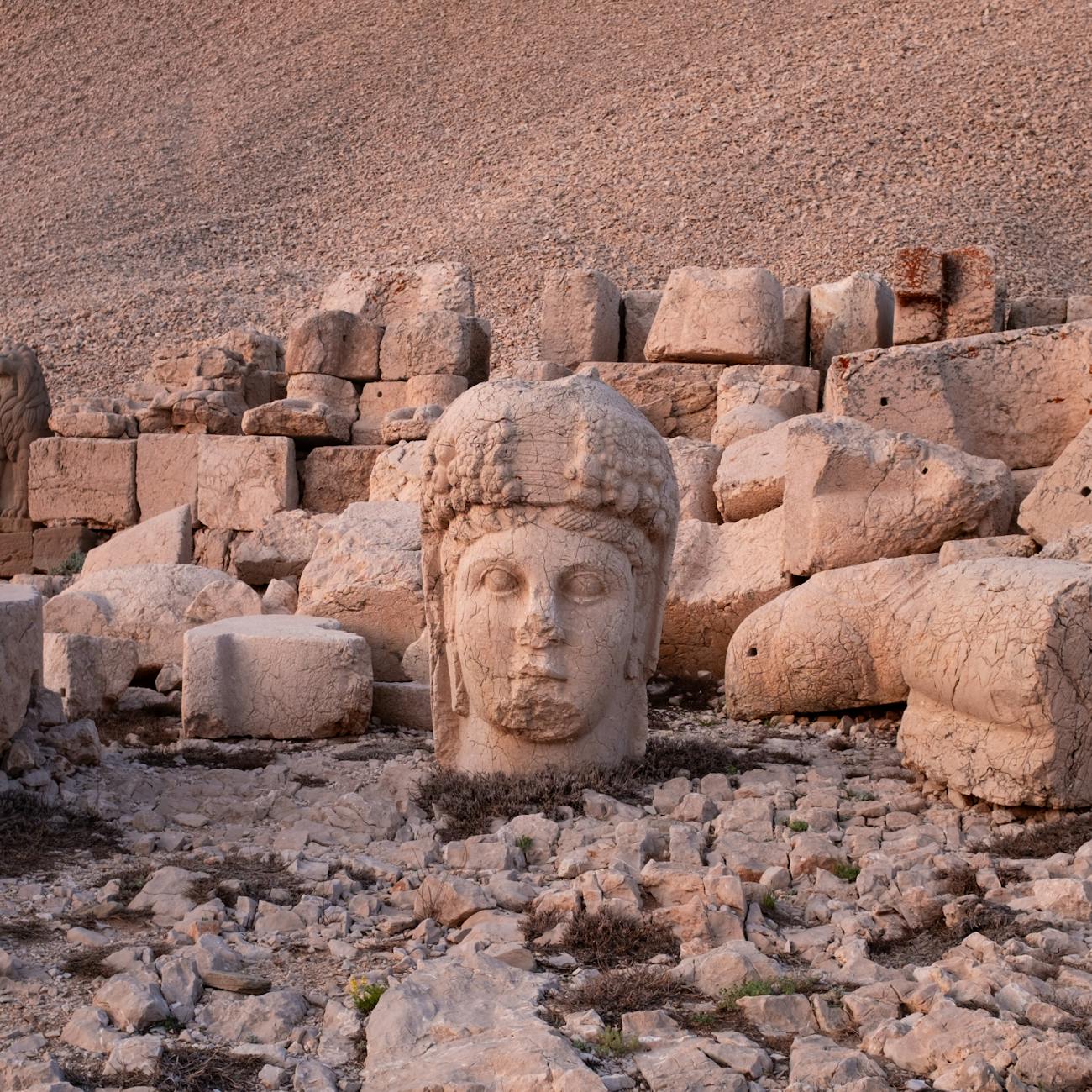
Photo by Aysegul Aytoren on Pexels
Welcome to this episode of the London School of International Business podcast, where we're excited to dive into the fascinating world of 3D modeling for archaeological reconstructions. I'm your host, and I'm thrilled to share with you the basics of Introduction To 3D Modeling, a crucial unit in our Advanced Skill Certificate course. As we explore this topic, you'll discover how 3D modeling has revolutionized the field of archaeology, allowing us to reconstruct and visualize the past in unprecedented detail.
Imagine being able to walk through ancient cities, explore long-lost temples, or examine artifacts in stunning detail, all from the comfort of your own screen. This is the power of 3D modeling, and it's an skill that's becoming increasingly essential for archaeologists, historians, and anyone interested in uncovering the secrets of the past. The evolution of 3D modeling has been nothing short of remarkable, from its humble beginnings in the 1960s to the sophisticated software and techniques we use today.
As we delve into the world of Introduction To 3D Modeling, you'll learn about the fundamental principles and techniques that underpin this exciting field. We'll explore the different types of 3D modeling, including polygon modeling, NURBS, and subdivision surface modeling, and discuss the various software options available, such as Blender, Maya, and 3ds Max. You'll also discover how 3D modeling is used in real-world applications, from archaeological reconstructions to video game development, and from architecture to product design.
One of the most significant advantages of 3D modeling is its ability to bring complex concepts to life. By creating interactive, three-dimensional models, you can communicate your ideas more effectively, whether you're presenting a research paper, pitching a design concept, or simply trying to visualize a complex idea. However, as with any skill, there are common pitfalls to avoid. One of the biggest mistakes beginners make is trying to create overly complex models, which can lead to frustration and disappointment. The key is to start simple, build your skills gradually, and practice, practice, practice.
By creating interactive, three-dimensional models, you can communicate your ideas more effectively, whether you're presenting a research paper, pitching a design concept, or simply trying to visualize a complex idea.
To get the most out of Introduction To 3D Modeling, it's essential to understand the importance of texture, lighting, and rendering. These elements can make or break a 3D model, and by mastering them, you can create stunning, photorealistic images that transport your audience to another time and place. For example, imagine creating a 3D model of an ancient temple, complete with intricate carvings, textured stone walls, and a warm, golden light that seems to emanate from within. This is the kind of detail and realism that 3D modeling can achieve, and it's an skill that can open doors to new career opportunities, collaborations, and creative pursuits.
As you continue on your journey of learning and growth, remember that 3D modeling is a skill that requires patience, dedication, and practice. Don't be discouraged if you encounter setbacks or challenges along the way – every mistake is an opportunity to learn and improve. And most importantly, have fun with it! The world of 3D modeling is full of endless possibilities, and by embracing this exciting technology, you can unlock new levels of creativity, innovation, and discovery.
Thanks for joining me on this episode of the London School of International Business podcast, and I hope you've enjoyed this introduction to the amazing world of 3D modeling. If you're excited to learn more, be sure to subscribe to our podcast, share your thoughts and feedback with us, and join our community of like-minded individuals who are passionate about learning and growth. At the London School of International Business, we're committed to providing you with the skills, knowledge, and support you need to succeed in your chosen field, and we look forward to being a part of your journey. Until next time, keep exploring, keep learning, and keep pushing the boundaries of what's possible!
Key takeaways
- Welcome to this episode of the London School of International Business podcast, where we're excited to dive into the fascinating world of 3D modeling for archaeological reconstructions.
- This is the power of 3D modeling, and it's an skill that's becoming increasingly essential for archaeologists, historians, and anyone interested in uncovering the secrets of the past.
- We'll explore the different types of 3D modeling, including polygon modeling, NURBS, and subdivision surface modeling, and discuss the various software options available, such as Blender, Maya, and 3ds Max.
- By creating interactive, three-dimensional models, you can communicate your ideas more effectively, whether you're presenting a research paper, pitching a design concept, or simply trying to visualize a complex idea.
- For example, imagine creating a 3D model of an ancient temple, complete with intricate carvings, textured stone walls, and a warm, golden light that seems to emanate from within.
- The world of 3D modeling is full of endless possibilities, and by embracing this exciting technology, you can unlock new levels of creativity, innovation, and discovery.
- At the London School of International Business, we're committed to providing you with the skills, knowledge, and support you need to succeed in your chosen field, and we look forward to being a part of your journey.