
Animal Behavior and Communication in Therapy Settings
Welcome to this exciting episode of our Postgraduate Certificate in Animal Assisted Therapy course, where we delve into the fascinating world of Animal Behavior and Communication in Therapy Settings. I'm thrilled to have you here, as I take…
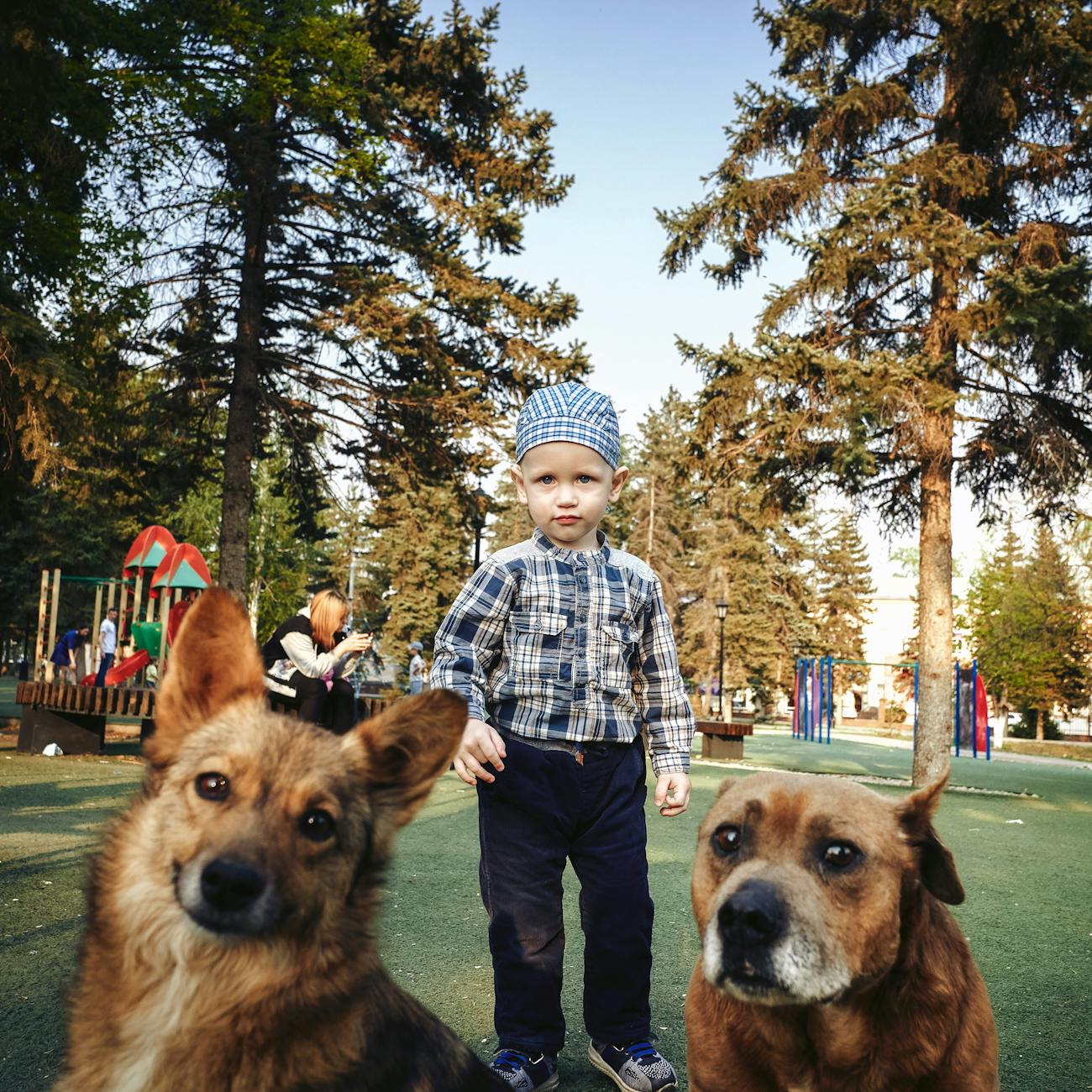
Welcome to this exciting episode of our Postgraduate Certificate in Animal Assisted Therapy course, where we delve into the fascinating world of Animal Behavior and Communication in Therapy Settings. I'm thrilled to have you here, as I take you on a journey through the history, practical applications, and inspiring potential of this powerful combination.
To begin, let's set the stage by acknowledging the incredible bond between animals and humans – a relationship that has evolved over thousands of years. Animals have been our companions, protectors, and healers, long before the concept of therapy settings even existed. This rich history has paved the way for the intentional use of animals in therapy, allowing us to harness their unique abilities to facilitate healing, growth, and connection.
Now, let's dive into the importance and relevance of Animal Behavior and Communication in Therapy Settings. As mental health professionals, understanding the complexities of animal behavior and communication is crucial for creating successful therapeutic relationships. By observing and interpreting the subtle cues and actions of our animal counterparts, we can create powerful, engaging, and life-changing experiences for our clients.
But how can we apply this knowledge in our daily lives and work? Here are some actionable strategies and tips to help you make the most of Animal Assisted Therapy:
1. Develop keen observation skills: Learn to recognize the body language, vocalizations, and facial expressions of the animals you work with, allowing you to respond appropriately and build meaningful connections. 2. Embrace flexibility and adaptability: Understand that animals are living beings with unique personalities, needs, and responses. Be prepared to adjust your approach based on the animal's behavior and the client's reactions. 3. Encourage client participation: Empower your clients to engage with the animals in a respectful, mindful manner, promoting self-discovery, personal growth, and increased self-esteem.
Develop keen observation skills: Learn to recognize the body language, vocalizations, and facial expressions of the animals you work with, allowing you to respond appropriately and build meaningful connections.
While these strategies can lead to incredible breakthroughs and successes, it's important to be aware of common pitfalls and how to avoid them:
1. Avoid force or coercion: Never force an animal to interact with a client, as this can lead to negative experiences and harm the therapeutic relationship. 2. Respect the animal's wellbeing: Ensure that the animals you work with are well-rested, well-fed, and in good health, as their wellbeing is paramount to the success of Animal Assisted Therapy. 3. Maintain professional boundaries: While it's essential to build rapport with the animals you work with, be mindful of maintaining appropriate professional boundaries to preserve the integrity of the therapeutic process.
As we conclude this episode, I want to leave you with an inspiring message: the power of Animal Assisted Therapy lies in the unique, healing connections that are formed between animals and humans. By embracing the knowledge and skills discussed today, you can create transformative experiences for your clients and contribute to their ongoing journey of growth and self-discovery.
Thank you for joining me on this exciting exploration of Animal Behavior and Communication in Therapy Settings. I encourage you to subscribe, share, and engage with our podcast, as we continue to uncover the incredible world of Animal Assisted Therapy together. Until next time, keep learning, growing, and making a difference in the lives of both humans and animals.
Key takeaways
- Welcome to this exciting episode of our Postgraduate Certificate in Animal Assisted Therapy course, where we delve into the fascinating world of Animal Behavior and Communication in Therapy Settings.
- This rich history has paved the way for the intentional use of animals in therapy, allowing us to harness their unique abilities to facilitate healing, growth, and connection.
- By observing and interpreting the subtle cues and actions of our animal counterparts, we can create powerful, engaging, and life-changing experiences for our clients.
- But how can we apply this knowledge in our daily lives and work?
- Develop keen observation skills: Learn to recognize the body language, vocalizations, and facial expressions of the animals you work with, allowing you to respond appropriately and build meaningful connections.
- Maintain professional boundaries: While it's essential to build rapport with the animals you work with, be mindful of maintaining appropriate professional boundaries to preserve the integrity of the therapeutic process.
- As we conclude this episode, I want to leave you with an inspiring message: the power of Animal Assisted Therapy lies in the unique, healing connections that are formed between animals and humans.