
International Trade and Economic Policy
International Trade is the exchange of goods and services between countries. It plays a crucial role in the global economy, allowing nations to specialize in the production of goods and services they are most efficient at, leading to increa…
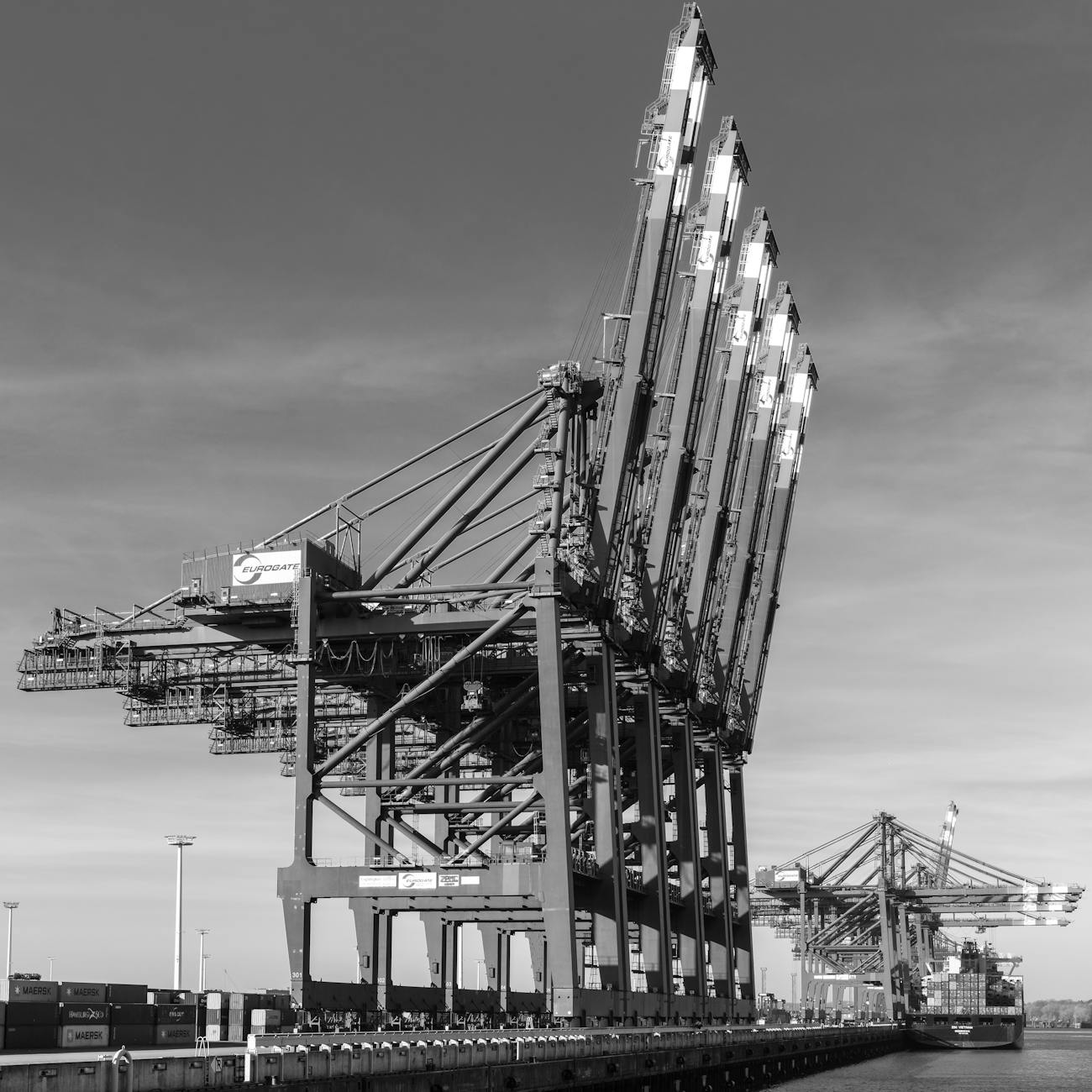
International Trade is the exchange of goods and services between countries. It plays a crucial role in the global economy, allowing nations to specialize in the production of goods and services they are most efficient at, leading to increased productivity, economic growth, and higher living standards for their citizens.
Economic Policy refers to the actions taken by governments to influence the economy's performance. This includes decisions on taxation, government spending, interest rates, and regulations, among others. Economic policies are designed to achieve specific economic objectives, such as stable prices, low unemployment, and sustainable economic growth.
Free Trade is a policy that allows goods and services to flow freely between countries without any barriers such as tariffs, quotas, or subsidies. Free trade is based on the principle of comparative advantage, where countries specialize in producing goods and services in which they have a lower opportunity cost, leading to increased efficiency and overall economic welfare.
Protectionism is the opposite of free trade. It refers to the use of trade barriers such as tariffs, quotas, and subsidies to protect domestic industries from foreign competition. While protectionism may shield domestic industries from international competition, it can also lead to inefficiencies, higher prices for consumers, and retaliation from trading partners.
Trade Barriers are obstacles that restrict the flow of goods and services between countries. They can be in the form of tariffs (taxes on imports), quotas (limits on the quantity of goods that can be imported), or non-tariff barriers (regulations and standards that impede trade). Trade barriers can distort international trade patterns and hinder economic growth.
Trade Liberalization refers to the process of reducing or eliminating trade barriers to promote free trade. This can be done through bilateral or multilateral trade agreements, such as the World Trade Organization (WTO) or regional trade agreements like the European Union (EU). Trade liberalization aims to increase market access, promote competition, and foster economic growth.
World Trade Organization (WTO) is an international organization that regulates and facilitates international trade between its member countries. The WTO sets rules for trade, resolves trade disputes, and provides a forum for negotiating trade agreements. It aims to promote free and fair trade to benefit all countries and ensure a level playing field in the global economy.
Comparative Advantage is the ability of a country to produce goods and services at a lower opportunity cost than another country. It is the foundation of international trade, as countries specialize in producing goods in which they have a comparative advantage and trade with other countries to maximize efficiency and economic welfare.
Balance of Payments is a record of a country's economic transactions with the rest of the world. It includes the trade balance (exports minus imports), financial flows (investment and borrowing), and transfers (remittances and aid). A country's balance of payments reflects its economic relationships with other countries and provides insights into its economic health.
Foreign Direct Investment (FDI) is when a company or individual from one country invests in a business or project in another country. FDI can take the form of establishing a new business, acquiring an existing business, or entering into a joint venture. FDI brings capital, technology, and expertise to the host country and can stimulate economic growth.
Exchange Rate is the price of one currency in terms of another. Exchange rates fluctuate based on supply and demand for currencies in the foreign exchange market. A strong currency makes imports cheaper but exports more expensive, while a weak currency has the opposite effect. Exchange rates play a crucial role in international trade and economic policy.
Trade Deficit occurs when a country's imports exceed its exports. A trade deficit can be financed by borrowing from foreign countries or by selling assets to foreign investors. While a trade deficit is not necessarily a bad thing, persistent deficits can lead to a loss of competitiveness, deindustrialization, and reliance on foreign financing.
Trade Surplus happens when a country's exports exceed its imports. A trade surplus can boost a country's economic growth, increase its foreign exchange reserves, and create jobs in export industries. However, a prolonged trade surplus can lead to currency appreciation, making exports more expensive and imports cheaper.
Dumping is when a country sells goods in another country at a price below their production cost or below the price in the domestic market. Dumping can harm domestic industries by undercutting prices and driving them out of business. Anti-dumping measures, such as tariffs or quotas, can be imposed to protect domestic industries from unfair competition.
Intellectual Property Rights (IPR) are legal rights that protect creations of the mind, such as inventions, designs, and artistic works. IPR encourage innovation, creativity, and investment in research and development. International trade agreements, such as the Agreement on Trade-Related Aspects of Intellectual Property Rights (TRIPS), set rules for protecting IPR in the global economy.
Trade Agreements are treaties between countries that govern their trade relations. These agreements can be bilateral (between two countries) or multilateral (involving multiple countries). Trade agreements establish rules for trade, reduce trade barriers, and promote economic cooperation. Examples include the North American Free Trade Agreement (NAFTA) and the Comprehensive and Progressive Agreement for Trans-Pacific Partnership (CPTPP).
Trade War is a situation in which countries engage in a series of retaliatory trade actions, such as imposing tariffs or quotas on each other's goods. Trade wars can escalate tensions between countries, disrupt global supply chains, and harm the global economy. Resolving trade disputes through negotiation and dialogue is essential to prevent trade wars.
Globalization is the process of increasing interconnectedness and interdependence among countries, economies, and societies. Globalization is driven by advances in technology, communication, and transportation, which have facilitated the flow of goods, services, capital, and ideas across borders. While globalization has brought economic benefits, it has also raised concerns about inequality, environmental degradation, and cultural homogenization.
Trade Bloc is a group of countries that have established preferential trade relations among themselves. Trade blocs can take different forms, such as free trade areas, customs unions, or common markets. By reducing trade barriers within the bloc, member countries aim to promote economic integration, increase market access, and enhance competitiveness in the global economy.
Trade Negotiation is the process of bargaining between countries to reach agreements on trade issues. Trade negotiations can cover a wide range of topics, such as tariffs, quotas, intellectual property rights, and services. Skilled negotiators play a crucial role in advancing countries' trade interests, resolving disputes, and promoting economic cooperation.
Trade Dispute arises when countries disagree on trade-related issues, such as tariffs, subsidies, or intellectual property rights. Trade disputes can be resolved through negotiation, mediation, or adjudication by international organizations like the WTO. Timely resolution of trade disputes is essential to maintaining a rules-based international trading system.
Trade Policy refers to a country's overall approach to international trade. Trade policy includes decisions on tariffs, quotas, subsidies, and trade agreements. A country's trade policy aims to promote its economic interests, protect domestic industries, and ensure compliance with international trade rules. Coherent and consistent trade policies are essential for fostering economic growth and stability.
Trade Finance is the financing of international trade transactions. Trade finance includes a range of financial products and services, such as letters of credit, trade credit insurance, and export financing. Trade finance facilitates trade by providing liquidity, managing risk, and ensuring payment security for exporters and importers.
Trade Compliance refers to the adherence to trade regulations, agreements, and standards. Trade compliance ensures that countries comply with their international trade obligations, such as tariff schedules, rules of origin, and sanitary and phytosanitary measures. Non-compliance can lead to trade disputes, sanctions, and disruptions in international trade.
Trade Facilitation encompasses measures to simplify, streamline, and expedite international trade procedures. Trade facilitation aims to reduce trade costs, improve efficiency, and enhance transparency in cross-border trade. Examples of trade facilitation measures include customs automation, single window systems, and harmonized trade documentation.
Trade Diversification is the strategy of expanding a country's export base to reduce reliance on a few products or markets. Trade diversification helps countries mitigate risks, increase competitiveness, and adapt to changing global demand. Governments can support trade diversification through trade promotion, market research, and export financing.
Trade Promotion involves activities to support and expand a country's exports. Trade promotion includes market research, trade missions, trade fairs, and export financing. By promoting exports, countries can increase their market share, create jobs, and stimulate economic growth. Effective trade promotion requires coordination between government agencies, industry associations, and business communities.
Trade Sustainability refers to the integration of economic, social, and environmental considerations into trade policies and practices. Trade sustainability aims to promote inclusive growth, protect natural resources, and address social inequalities. Sustainable trade practices contribute to the achievement of the United Nations Sustainable Development Goals (SDGs) and ensure the long-term viability of international trade.
Trade Imbalance occurs when a country's imports and exports are not in equilibrium. A trade imbalance can be either a surplus or a deficit, depending on whether a country exports more than it imports or vice versa. Addressing trade imbalances requires a combination of trade policy adjustments, structural reforms, and macroeconomic policies to promote balanced and sustainable trade relationships.
Trade Intelligence involves the collection, analysis, and dissemination of information on international trade trends, market opportunities, and trade policies. Trade intelligence helps businesses, policymakers, and trade negotiators make informed decisions on trade strategies, market entry, and risk management. Access to timely and accurate trade intelligence is essential for successful international trade activities.
Trade Remedies are measures that countries can take to address unfair trade practices, such as dumping, subsidies, or import surges. Trade remedies include anti-dumping duties, countervailing duties, and safeguards. These measures aim to protect domestic industries from unfair competition and provide relief to industries facing import-related challenges.
Trade Finance Instruments are financial products and services that facilitate international trade transactions. Trade finance instruments include letters of credit, documentary collections, trade credit insurance, and factoring. These instruments help mitigate risks, provide financing, and ensure payment security for exporters and importers engaged in cross-border trade.
Trade Policy Analysis is the assessment of the economic impact of trade policies on various stakeholders, such as consumers, producers, and the economy as a whole. Trade policy analysis uses economic models, data analysis, and simulations to evaluate the costs and benefits of trade policies, identify trade-offs, and inform policymaking decisions. Sound trade policy analysis is essential for designing effective and sustainable trade policies.
Trade Promotion Organizations (TPOs) are government agencies or industry associations that promote a country's exports and facilitate international trade. TPOs provide a range of services, such as trade information, market research, trade missions, and export financing. TPOs play a crucial role in supporting businesses, promoting exports, and enhancing a country's competitiveness in the global market.
Trade Agreement Compliance refers to the adherence to the terms and obligations of trade agreements by member countries. Trade agreement compliance ensures that countries fulfill their commitments on tariffs, quotas, rules of origin, and other trade-related provisions. Monitoring and enforcing trade agreement compliance is essential for maintaining the credibility and effectiveness of trade agreements.
Trade Negotiation Skills are the abilities and techniques required to negotiate trade agreements, resolve trade disputes, and advance countries' trade interests. Trade negotiation skills include communication, analysis, persuasion, and problem-solving. Skilled negotiators play a crucial role in achieving mutually beneficial trade outcomes, building trust among trading partners, and promoting economic cooperation.
Trade Policy Coordination involves the alignment and coherence of a country's trade policies across government departments and agencies. Trade policy coordination ensures that trade policies are consistent, integrated, and mutually reinforcing. Effective coordination among policymakers, trade negotiators, and industry stakeholders is essential for formulating and implementing coherent trade policies.
Trade Compliance Management is the process of ensuring that a country complies with its international trade obligations, regulations, and commitments. Trade compliance management involves monitoring trade regulations, implementing trade policies, and addressing non-compliance issues. Robust trade compliance management systems help countries minimize risks, enhance transparency, and promote the smooth flow of international trade.
Trade Finance Solutions are tailored financial products and services that meet the specific needs of exporters and importers engaged in international trade. Trade finance solutions include export financing, supply chain finance, trade credit insurance, and factoring. These solutions help businesses mitigate risks, optimize cash flow, and facilitate trade transactions across borders.
Trade Policy Formulation is the process of developing, implementing, and evaluating a country's trade policies. Trade policy formulation involves setting objectives, analyzing trade trends, consulting stakeholders, and making policy decisions. Sound trade policy formulation requires a thorough understanding of international trade rules, economic principles, and domestic priorities.
Trade Promotion Strategies are plans and actions to promote a country's exports and enhance its competitiveness in the global market. Trade promotion strategies include market diversification, branding, e-commerce, and capacity-building. Effective trade promotion strategies help businesses access new markets, increase sales, and build sustainable export networks.
Trade Sustainability Impact Assessment evaluates the economic, social, and environmental impacts of trade policies and agreements. Trade sustainability impact assessment helps identify potential risks, opportunities, and trade-offs associated with trade liberalization and integration. By considering sustainability factors, policymakers can ensure that trade policies contribute to inclusive growth, environmental protection, and social well-being.
Trade Policy Monitoring involves tracking, analyzing, and evaluating the implementation and impact of a country's trade policies. Trade policy monitoring assesses trade trends, market developments, policy changes, and trade outcomes. Regular monitoring of trade policies helps policymakers identify challenges, assess effectiveness, and adjust policies to achieve desired trade objectives.
Trade Facilitation Measures are reforms and initiatives that simplify, streamline, and expedite international trade processes. Trade facilitation measures aim to reduce trade costs, enhance efficiency, and promote transparency in cross-border trade. Examples of trade facilitation measures include customs automation, single window systems, and harmonized trade procedures.
Trade Capacity Building is the process of enhancing a country's ability to engage in international trade effectively. Trade capacity building includes developing trade-related skills, institutions, and infrastructure. By building trade capacity, countries can improve their competitiveness, comply with trade rules, and maximize the benefits of international trade.
Trade Promotion Events are activities such as trade fairs, exhibitions, and conferences that showcase a country's products and services to international buyers. Trade promotion events provide opportunities for businesses to network, market their offerings, and explore new export markets. Participating in trade promotion events can help businesses expand their customer base and increase sales.
Trade Policy Evaluation assesses the impact and effectiveness of a country's trade policies in achieving their objectives. Trade policy evaluation uses data analysis, economic models, and stakeholder feedback to measure the outcomes of trade policies. By evaluating trade policies, policymakers can identify strengths, weaknesses, and opportunities for improvement in the trade policy framework.
Trade Compliance Audits are reviews of a country's compliance with its international trade obligations, regulations, and commitments. Trade compliance audits assess the implementation of trade policies, procedures, and controls. Conducting trade compliance audits helps countries identify areas of non-compliance, address gaps, and strengthen their trade compliance management systems.
Trade Finance Platforms are digital platforms that connect exporters, importers, banks, and other trade finance providers to facilitate trade finance transactions. Trade finance platforms streamline processes, reduce paperwork, and improve access to trade finance for businesses engaged in international trade. Using trade finance platforms can help businesses manage risks, optimize working capital, and accelerate trade transactions.
Trade Negotiation Strategies are approaches and tactics used to advance a country's trade interests, resolve trade disputes, and negotiate trade agreements. Trade negotiation strategies include setting priorities, building alliances, and exploring trade-offs. Skilled negotiators use a combination of diplomatic skills, technical expertise, and strategic thinking to achieve favorable trade outcomes for their countries.
Trade Policy Implementation is the process of putting into effect a country's trade policies, regulations, and agreements. Trade policy implementation involves enacting legislation, enforcing regulations, and monitoring compliance. Effective trade policy implementation requires coordination among government agencies, industry stakeholders, and international partners to ensure that trade policies achieve their intended objectives.
Trade Promotion Campaigns are coordinated efforts to promote a country's exports and enhance its visibility in international markets. Trade promotion campaigns use a mix of marketing tools, media channels, and promotional activities to reach target audiences. By launching trade promotion campaigns, countries can increase brand awareness, attract foreign buyers, and boost export sales.
Trade Sustainability Indicators are metrics that measure the economic, social, and environmental impacts of trade policies and practices. Trade sustainability indicators help assess the progress towards sustainable trade goals, such as inclusive growth, environmental protection, and social development. By tracking trade sustainability indicators, policymakers can monitor the effectiveness of trade policies in achieving sustainable outcomes.
Trade Policy Compliance refers to the conformity of a country's trade policies with its international trade obligations and commitments. Trade policy compliance ensures that countries adhere to the rules, regulations, and standards of international trade agreements. Monitoring and enforcing trade policy compliance is essential for maintaining the credibility and effectiveness of trade agreements.
Trade Finance Regulations are rules and guidelines that govern the provision of trade finance services, such as letters of credit, trade credit insurance, and export financing. Trade finance regulations aim to ensure the safety, soundness, and integrity of trade finance transactions. Compliance with trade finance regulations is essential for protecting the interests of exporters, importers, and financial institutions.
Trade Policy Monitoring Mechanisms are systems and processes that track, analyze, and evaluate a country's trade policies and practices. Trade policy monitoring mechanisms collect data, assess trade trends, and report on policy outcomes. By establishing robust trade policy monitoring mechanisms, countries can improve transparency, accountability, and effectiveness in trade policymaking.
Trade Promotion Partnerships involve collaborations between governments, industry associations, and other stakeholders to promote a country's exports and enhance its competitiveness in international markets. Trade promotion partnerships pool resources, share expertise, and coordinate efforts to support businesses in expanding their export activities. By fostering trade promotion partnerships, countries can leverage collective strengths and achieve common trade objectives.
Trade Finance Innovations are new technologies, products, and services that transform the provision of trade finance. Trade finance innovations include blockchain technology, digital platforms, and supply chain finance solutions. By adopting trade finance innovations, businesses can streamline trade transactions, reduce risks, and improve access to financing for international trade.
Key takeaways
- International Trade is the exchange of goods and services between countries.
- Economic policies are designed to achieve specific economic objectives, such as stable prices, low unemployment, and sustainable economic growth.
- Free trade is based on the principle of comparative advantage, where countries specialize in producing goods and services in which they have a lower opportunity cost, leading to increased efficiency and overall economic welfare.
- While protectionism may shield domestic industries from international competition, it can also lead to inefficiencies, higher prices for consumers, and retaliation from trading partners.
- They can be in the form of tariffs (taxes on imports), quotas (limits on the quantity of goods that can be imported), or non-tariff barriers (regulations and standards that impede trade).
- This can be done through bilateral or multilateral trade agreements, such as the World Trade Organization (WTO) or regional trade agreements like the European Union (EU).
- World Trade Organization (WTO) is an international organization that regulates and facilitates international trade between its member countries.