
Security Studies and Global Threat Analysis
Security Studies and Global Threat Analysis are critical components of the Postgraduate Certificate in International Relations and Business Diplomacy. This course delves into the complexities of security challenges facing the international …
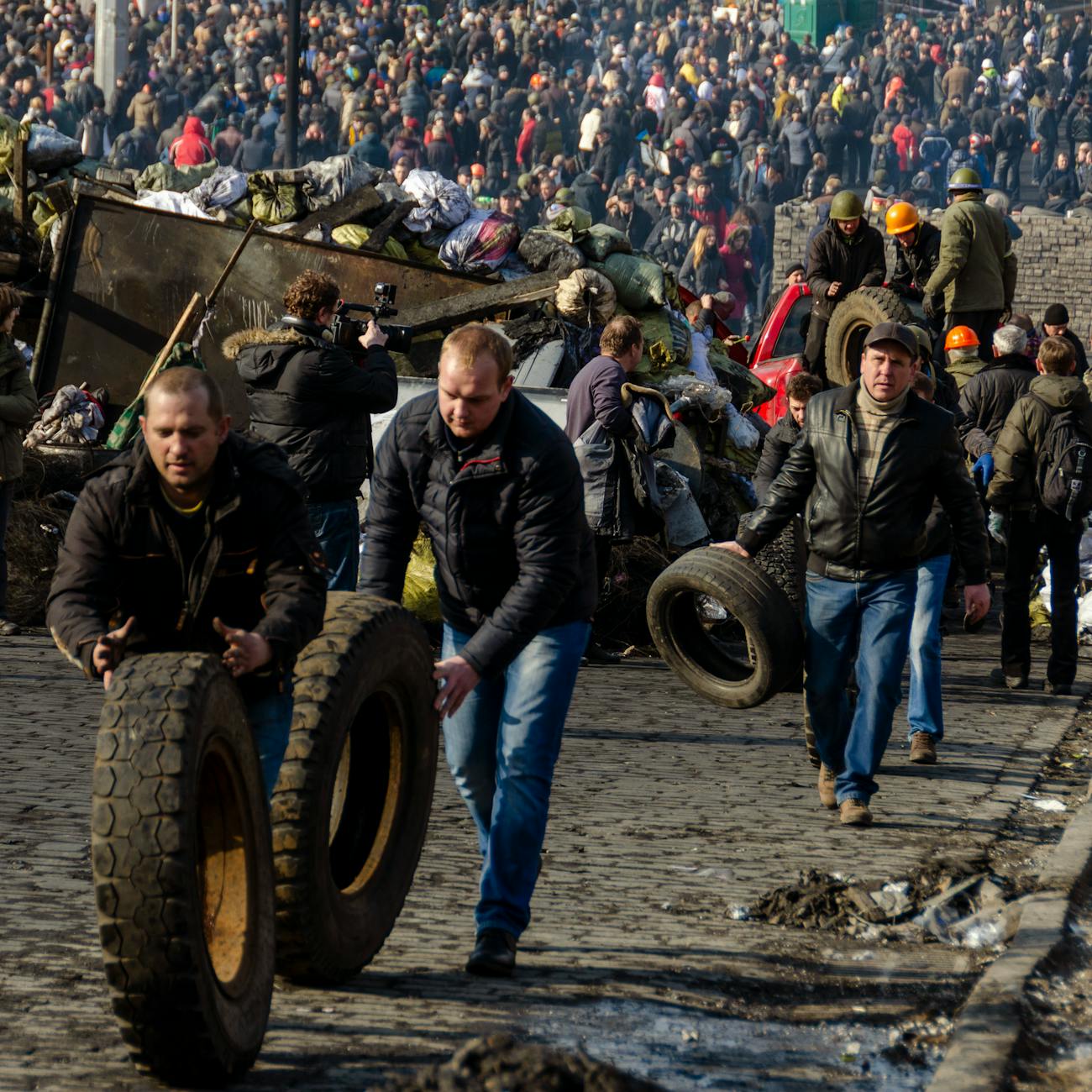
Security Studies and Global Threat Analysis are critical components of the Postgraduate Certificate in International Relations and Business Diplomacy. This course delves into the complexities of security challenges facing the international community, providing students with a comprehensive understanding of the various threats and risks that impact global stability. To navigate this intricate landscape effectively, it is essential to grasp key terms and vocabulary that are central to Security Studies and Global Threat Analysis.
1. **Security**: Security refers to the protection of a state or organization against threats to its sovereignty, territorial integrity, and national interests. It encompasses a wide range of issues, including military security, economic security, political security, and cybersecurity.
2. **National Security**: National security is the protection of a nation's sovereignty, territorial integrity, and citizens from internal and external threats. It involves the use of military, diplomatic, economic, and intelligence resources to safeguard a country's interests.
3. **Human Security**: Human security focuses on the protection of individuals from threats such as poverty, disease, environmental degradation, and violence. It emphasizes the well-being and dignity of people as a fundamental aspect of security.
4. **State Security**: State security refers to the protection of a state's political system, institutions, and citizens from internal and external threats. It involves measures to maintain stability, order, and sovereignty within a nation.
5. **Non-State Actors**: Non-state actors are entities that operate outside of traditional state structures but have the capacity to influence security dynamics. Examples include terrorist organizations, criminal networks, and multinational corporations.
6. **Threat**: A threat is any action, event, or situation that has the potential to cause harm or damage to a state or organization. Threats can be physical, such as military aggression, or non-physical, such as cyberattacks or economic instability.
7. **Risk**: Risk refers to the likelihood of a threat materializing and the impact it would have on security. Assessing and managing risks is essential for preparing responses to potential security challenges.
8. **Conflict**: Conflict is a state of opposition or disagreement between two or more parties that may escalate into violence. It can arise from political, social, economic, or ethnic factors and pose a significant threat to security.
9. **Peacebuilding**: Peacebuilding involves efforts to prevent, manage, and resolve conflicts through diplomatic, humanitarian, and development initiatives. It aims to build sustainable peace and stability in conflict-affected regions.
10. **Terrorism**: Terrorism is the use of violence, intimidation, or coercion for political, religious, or ideological purposes. It poses a serious threat to security by instilling fear, destabilizing societies, and challenging state authority.
11. **Cybersecurity**: Cybersecurity refers to the protection of digital systems, networks, and data from cyber threats. It includes measures to prevent hacking, data breaches, and other forms of cybercrime that can compromise security.
12. **Intelligence**: Intelligence is information collected and analyzed to support decision-making and security operations. It plays a crucial role in identifying threats, assessing risks, and formulating effective security policies.
13. **Diplomacy**: Diplomacy is the practice of conducting negotiations and maintaining relations between states to promote peace, resolve conflicts, and advance mutual interests. It is an essential tool for managing security challenges diplomatically.
14. **Arms Control**: Arms control is the limitation, reduction, or elimination of weapons and military capabilities to prevent arms races, proliferation, and conflict escalation. It aims to enhance security by promoting disarmament and confidence-building measures.
15. **Disarmament**: Disarmament involves the reduction or elimination of weapons, military forces, and capabilities to enhance security and promote peace. It is a key component of arms control efforts to reduce the risk of conflict and violence.
16. **Nuclear Proliferation**: Nuclear proliferation refers to the spread of nuclear weapons and technology to additional states or non-state actors. It poses a significant threat to global security due to the potential for nuclear conflict and terrorism.
17. **International Organizations**: International organizations are institutions established by states to promote cooperation, security, and development at the international level. Examples include the United Nations, NATO, and the European Union.
18. **Security Council**: The Security Council is a principal organ of the United Nations responsible for maintaining international peace and security. It has the authority to impose sanctions, authorize peacekeeping operations, and take action against security threats.
19. **Conflict Resolution**: Conflict resolution is the process of addressing and resolving disputes peacefully through negotiation, mediation, or other diplomatic means. It aims to prevent violence, promote reconciliation, and build sustainable peace.
20. **Humanitarian Intervention**: Humanitarian intervention involves the use of military force by states or international organizations to protect civilians from grave human rights abuses or atrocities. It raises ethical and legal questions regarding sovereignty and intervention.
21. **Climate Change**: Climate change refers to long-term alterations in global temperature, precipitation patterns, and environmental conditions due to human activities. It poses a significant security threat by exacerbating natural disasters, resource scarcity, and social instability.
22. **Migration**: Migration is the movement of people from one place to another for economic, political, environmental, or social reasons. It can be driven by security concerns such as conflict, persecution, or environmental disasters.
23. **Pandemic**: A pandemic is an outbreak of a contagious disease that spreads globally and affects a large number of people. It can have severe implications for public health, social stability, and economic security.
24. **Globalization**: Globalization is the process of increasing interconnectedness and interdependence among countries, economies, and societies. It has both positive and negative implications for security, including economic growth, cultural exchange, and transnational threats.
25. **Soft Power**: Soft power refers to the ability of a state to influence others through attraction, persuasion, and diplomacy rather than coercion or force. It plays a vital role in shaping international relations and promoting security cooperation.
As students engage with the concepts and principles of Security Studies and Global Threat Analysis in the Postgraduate Certificate in International Relations and Business Diplomacy, they will develop a nuanced understanding of the complex security challenges facing the world today. By mastering key terms and vocabulary in this field, they will be better equipped to analyze, assess, and respond to security threats effectively. Through critical thinking, research, and practical applications, students will be prepared to navigate the evolving landscape of international security with confidence and expertise.
Key takeaways
- This course delves into the complexities of security challenges facing the international community, providing students with a comprehensive understanding of the various threats and risks that impact global stability.
- **Security**: Security refers to the protection of a state or organization against threats to its sovereignty, territorial integrity, and national interests.
- **National Security**: National security is the protection of a nation's sovereignty, territorial integrity, and citizens from internal and external threats.
- **Human Security**: Human security focuses on the protection of individuals from threats such as poverty, disease, environmental degradation, and violence.
- **State Security**: State security refers to the protection of a state's political system, institutions, and citizens from internal and external threats.
- **Non-State Actors**: Non-state actors are entities that operate outside of traditional state structures but have the capacity to influence security dynamics.
- **Threat**: A threat is any action, event, or situation that has the potential to cause harm or damage to a state or organization.