
Regulatory Frameworks for UAV Operations
Unmanned Aerial Vehicles (UAVs), also known as drones, have gained significant popularity in recent years due to their versatility and usefulness in various applications. However, with this growth comes the need for regulatory frameworks to…
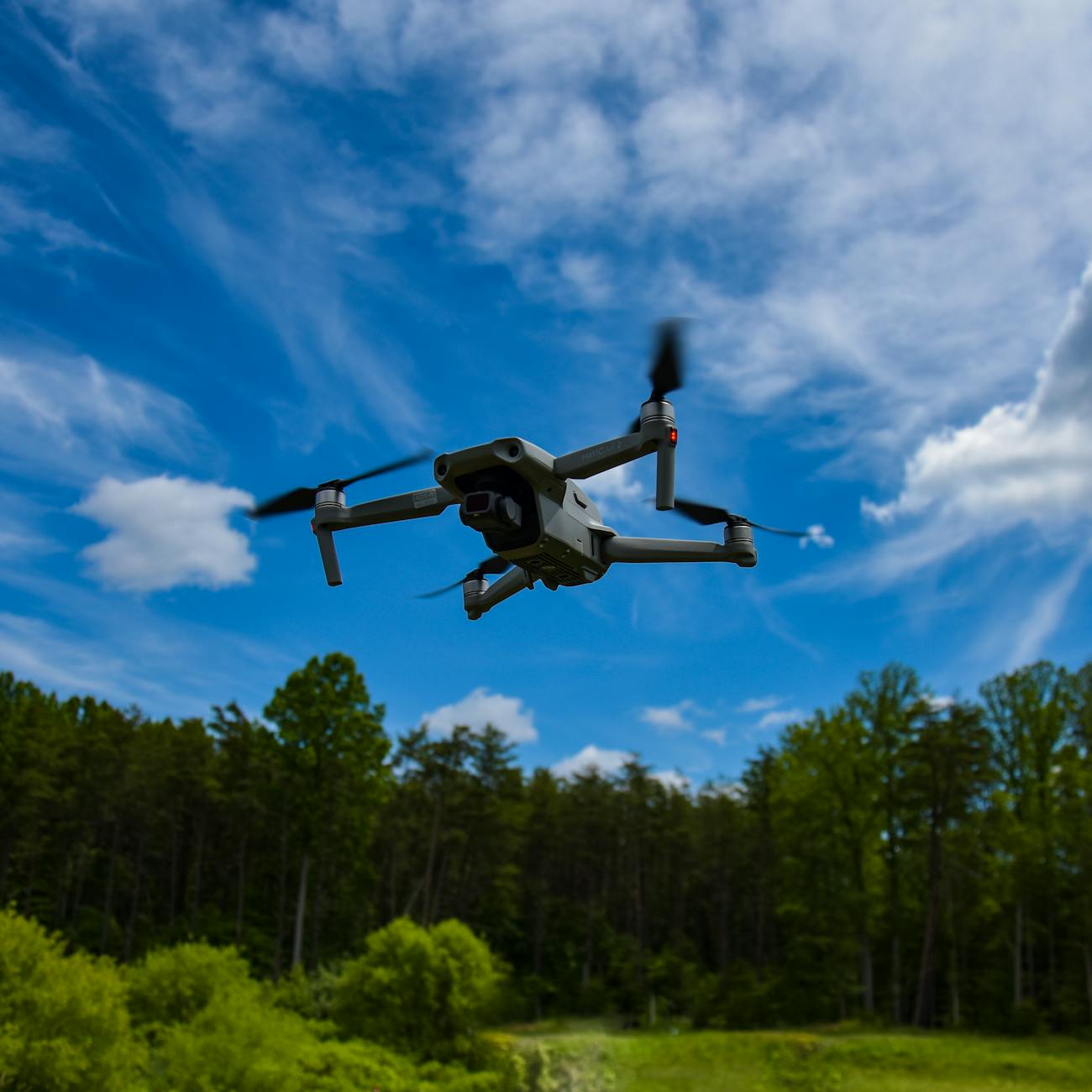
Unmanned Aerial Vehicles (UAVs), also known as drones, have gained significant popularity in recent years due to their versatility and usefulness in various applications. However, with this growth comes the need for regulatory frameworks to ensure safe and responsible operations. In this explanation, we will discuss some of the key terms and vocabulary related to Regulatory Frameworks for UAV Operations in the context of an Executive Certificate in Unmanned Aerial Vehicle Management.
1. Unmanned Aerial Vehicle (UAV): A UAV is an aircraft that is operated without a human pilot on board. They can be controlled remotely by a human operator or fly autonomously based on pre-programmed instructions. 2. Regulatory Framework: A regulatory framework is a set of rules, regulations, and guidelines that govern a particular activity or industry. In the case of UAV operations, the regulatory framework outlines the requirements for operating UAVs safely and responsibly. 3. Remote Pilot: A remote pilot is a person who operates a UAV remotely from the ground. They are responsible for ensuring that the UAV is operated in accordance with the regulatory framework and any other applicable laws and regulations. 4. Visual Line of Sight (VLOS): Visual line of sight (VLOS) refers to the ability of the remote pilot to see the UAV with their own eyes at all times during flight. This is an important safety consideration, as it allows the remote pilot to maintain situational awareness and avoid collisions. 5. Beyond Visual Line of Sight (BVLOS): Beyond visual line of sight (BVLOS) refers to UAV operations where the remote pilot cannot see the UAV with their own eyes at all times. BVLOS operations require additional safety measures and approvals from regulatory authorities. 6. Airspace Classification: Airspace classification refers to the different categories of airspace that exist in aviation. Each category has its own rules and regulations regarding air traffic and UAV operations. 7. Unmanned Aircraft System (UAS): An unmanned aircraft system (UAS) refers to the entire system involved in UAV operations, including the UAV itself, the remote pilot, the communication link between the two, and any other supporting equipment. 8. Certificate of Authorization (COA): A certificate of authorization (COA) is a document issued by regulatory authorities that allows a UAV operator to conduct flights in a specific airspace for a specific purpose. 9. Operations Manual: An operations manual is a document that outlines the procedures and policies for operating a UAV in accordance with the regulatory framework. It includes information on pre-flight checks, emergency procedures, and other important considerations. 10. Part 107: Part 107 is a set of rules and regulations issued by the Federal Aviation Administration (FAA) in the United States that govern the operation of small UAVs (weighing less than 55 pounds) for commercial purposes. 11. Visual Observer (VO): A visual observer is a person who assists the remote pilot during UAV operations by maintaining a visual observation of the UAV and providing assistance as needed. 12. Geofencing: Geofencing is a safety feature that restricts the operation of a UAV within a certain geographical area, typically to avoid restricted airspace or other hazards. 13. Return to Home (RTH): Return to home (RTH) is a safety feature that automatically returns the UAV to its takeoff location in the event of a lost communication link or low battery. 14. No-fly Zone: A no-fly zone is an area where UAV operations are prohibited, typically due to safety or security concerns. 15. Part 135: Part 135 is a set of rules and regulations issued by the FAA that govern the operation of small UAVs for transporting persons or property for compensation or hire.
Regulatory frameworks for UAV operations are essential for ensuring safe and responsible operations. Remote pilots must have a thorough understanding of the regulatory framework, including airspace classification, COAs, operations manuals, and other relevant rules and regulations.
One practical application of UAV regulations is in the field of emergency response. UAVs can be used to quickly assess damage and locate victims in the aftermath of a natural disaster, but they must be operated in accordance with the regulatory framework to ensure safety. This may include obtaining a COA, operating within visual line of sight, and avoiding restricted airspace.
Another practical application is in the field of infrastructure inspection. UAVs can be used to inspect bridges, pipelines, and other critical infrastructure, but they must be operated in accordance with the regulatory framework to ensure safety. This may include obtaining a COA, operating beyond visual line of sight, and using geofencing and other safety features.
Challenges in UAV regulation include balancing safety with innovation, ensuring privacy and security, and addressing concerns related to noise and nuisance. Regulatory authorities must continually adapt to new technologies and applications while maintaining safety and security.
In conclusion, regulatory frameworks for UAV operations are essential for ensuring safe and responsible operations. Remote pilots must have a thorough understanding of the regulatory framework, including airspace classification, COAs, operations manuals, and other relevant rules and regulations. Practical applications of UAV regulations include emergency response and infrastructure inspection, and challenges include balancing safety with innovation, ensuring privacy and security, and addressing concerns related to noise and nuisance.
Key takeaways
- In this explanation, we will discuss some of the key terms and vocabulary related to Regulatory Frameworks for UAV Operations in the context of an Executive Certificate in Unmanned Aerial Vehicle Management.
- Part 107: Part 107 is a set of rules and regulations issued by the Federal Aviation Administration (FAA) in the United States that govern the operation of small UAVs (weighing less than 55 pounds) for commercial purposes.
- Remote pilots must have a thorough understanding of the regulatory framework, including airspace classification, COAs, operations manuals, and other relevant rules and regulations.
- UAVs can be used to quickly assess damage and locate victims in the aftermath of a natural disaster, but they must be operated in accordance with the regulatory framework to ensure safety.
- UAVs can be used to inspect bridges, pipelines, and other critical infrastructure, but they must be operated in accordance with the regulatory framework to ensure safety.
- Challenges in UAV regulation include balancing safety with innovation, ensuring privacy and security, and addressing concerns related to noise and nuisance.
- Remote pilots must have a thorough understanding of the regulatory framework, including airspace classification, COAs, operations manuals, and other relevant rules and regulations.