
UAV Technology and Flight Mechanics
Unmanned Aerial Vehicles (UAVs), also known as drones, are aerial vehicles that operate without a human pilot onboard. UAV technology and flight mechanics are critical components of UAVs, enabling them to fly and perform various tasks. In t…
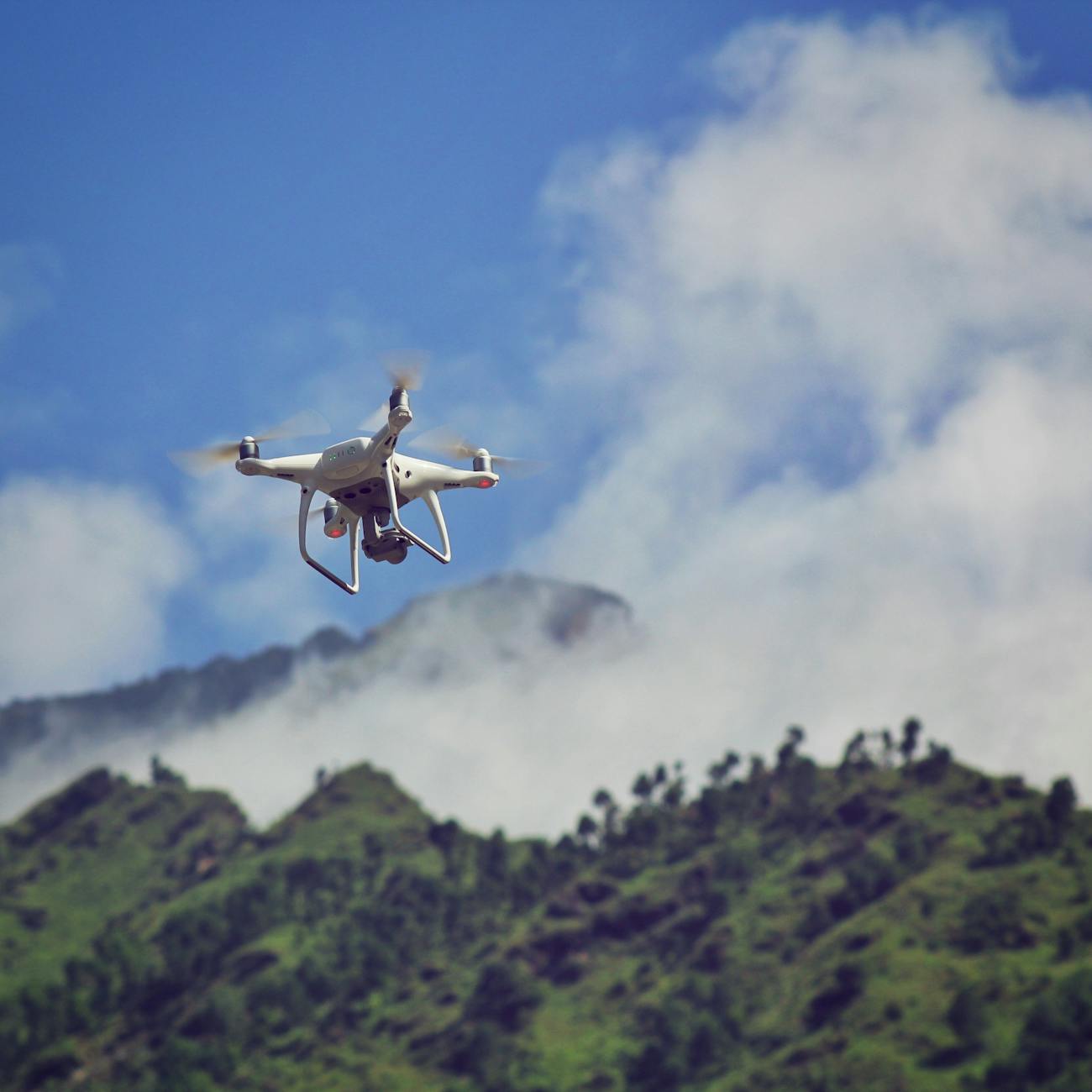
Unmanned Aerial Vehicles (UAVs), also known as drones, are aerial vehicles that operate without a human pilot onboard. UAV technology and flight mechanics are critical components of UAVs, enabling them to fly and perform various tasks. In this explanation, we will discuss key terms and vocabulary related to UAV technology and flight mechanics.
1. UAV Components: UAVs consist of several components, including:
- Airframe: The physical structure of the UAV, including the fuselage, wings, and control surfaces. - Propulsion System: The system that provides thrust to the UAV, including the engine, propeller, and fuel system. - Payload: The equipment or cargo that the UAV carries, such as cameras, sensors, or weapons. - Avionics: The electronic systems that control the UAV's flight, navigation, and communication, including the autopilot, flight controller, and communication system. - Ground Control Station (GCS): The system used to control the UAV from the ground, including the operator's console, communication link, and software.
2. Flight Mechanics: Flight mechanics refer to the principles of physics and engineering that govern the motion of an aircraft. Key terms and concepts related to flight mechanics include:
- Thrust: The force that propels the UAV forward. Thrust is generated by the propulsion system. - Drag: The force that opposes the UAV's motion through the air. Drag is caused by the air resistance that the UAV experiences. - Lift: The force that opposes the UAV's weight and supports it in the air. Lift is generated by the air pressure difference between the upper and lower surfaces of the wings. - Weight: The force due to gravity that acts on the UAV. Weight is equal to the UAV's mass multiplied by the acceleration due to gravity. - Angle of Attack (AOA): The angle between the UAV's longitudinal axis and the relative wind. AOA affects the lift and drag of the UAV. - Pitch: The rotation of the UAV around its lateral axis. Pitch affects the UAV's attitude and direction of motion. - Roll: The rotation of the UAV around its longitudinal axis. Roll affects the UAV's attitude and direction of motion. - Yaw: The rotation of the UAV around its vertical axis. Yaw affects the UAV's direction of motion.
3. UAV Navigation: UAV navigation refers to the systems and algorithms used to guide and control the UAV's motion. Key terms and concepts related to UAV navigation include:
- Global Positioning System (GPS): A satellite-based navigation system that provides location and time information to the UAV. - Inertial Navigation System (INS): A navigation system that uses accelerometers and gyroscopes to measure the UAV's acceleration and angular velocity. - Attitude and Heading Reference System (AHRS): A system that measures the UAV's attitude and heading using accelerometers, gyroscopes, and magnetometers. - Waypoints: Predefined locations that the UAV follows in a mission. - Autopilot: A system that automatically controls the UAV's flight based on predefined parameters. - Flight Controller: The central processing unit (CPU) that controls the UAV's flight mechanics and navigation.
4. UAV Communication: UAV communication refers to the systems and protocols used to transmit and receive data between the UAV and the GCS. Key terms and concepts related to UAV communication include:
- Radio Frequency (RF) Communication: A wireless communication system that uses radio waves to transmit and receive data. - Line-of-Sight (LOS) Communication: A communication system that requires a direct line of sight between the UAV and the GCS. - Beyond Line-of-Sight (BLOS) Communication: A communication system that enables communication between the UAV and the GCS beyond the line of sight. - Command and Control (C2) Link: The communication link between the GCS and the UAV that enables the operator to control the UAV. - Telemetry Link: The communication link between the UAV and the GCS that enables the transmission of data, such as position, velocity, and sensor data. - Data Link: The communication system that enables the transmission of data between the UAV and the GCS.
5. UAV Applications: UAVs have various applications, including:
- Aerial Photography and Videography: UAVs are used to capture high-quality images and videos from the air. - Surveillance and Reconnaissance: UAVs are used for military and civilian surveillance and reconnaissance. - Delivery and Transportation: UAVs are used for delivery and transportation of goods, such as medical supplies, food, and packages. - Agriculture: UAVs are used for crop monitoring, irrigation, and pest control. - Inspection and Maintenance: UAVs are used for infrastructure inspection, such as bridges, power lines, and wind turbines. - Disaster Management: UAVs are used for search and rescue, damage assessment, and disaster response.
Challenges: UAV technology and flight mechanics face several challenges, including:
- Regulation: UAVs are subject to various regulations and restrictions, such as airspace regulations, privacy laws, and safety standards. - Security: UAVs are vulnerable to cyber attacks, hacking, and spoofing. - Safety: UAVs pose safety risks, such as collisions with other aircraft, people, or objects, and falling from the sky. - Battery Life: UAVs have limited battery life, which limits their endurance and range. - Weather: UAVs are affected by weather conditions, such as wind, rain, and temperature.
Examples: Some examples of UAVs include:
- DJI Phantom: A popular consumer drone used for aerial photography and videography. - Insitu ScanEagle: A military drone used for surveillance and reconnaissance. - Zipline: A delivery drone used for medical supplies delivery in remote areas. - senseFly eBee: A fixed-wing drone used for agriculture, surveying, and mapping. - AeroVironment RQ-11 Raven: A hand-launched military drone used for reconnaissance and surveillance.
Conclusion: UAV technology and flight mechanics are critical components of UAVs, enabling them to fly and perform various tasks. Understanding the key terms and vocabulary related to UAV technology and flight mechanics is essential for anyone involved in UAV management. UAVs have various applications, but they also face several challenges, such as regulation, security, safety, battery life, and weather. By addressing these challenges and leveraging the opportunities that UAVs offer, we can unlock their full potential and transform various industries.
Key takeaways
- Unmanned Aerial Vehicles (UAVs), also known as drones, are aerial vehicles that operate without a human pilot onboard.
- - Avionics: The electronic systems that control the UAV's flight, navigation, and communication, including the autopilot, flight controller, and communication system.
- Flight Mechanics: Flight mechanics refer to the principles of physics and engineering that govern the motion of an aircraft.
- Lift is generated by the air pressure difference between the upper and lower surfaces of the wings.
- UAV Navigation: UAV navigation refers to the systems and algorithms used to guide and control the UAV's motion.
- - Attitude and Heading Reference System (AHRS): A system that measures the UAV's attitude and heading using accelerometers, gyroscopes, and magnetometers.
- UAV Communication: UAV communication refers to the systems and protocols used to transmit and receive data between the UAV and the GCS.