
Calculating Medication Dosages for Wildlife Patients
In the Certified Specialist Programme in Wildlife Rehabilitation Medication Administration, it is crucial to understand key terms and vocabulary related to calculating medication dosages for wildlife patients. Proper medication administrati…
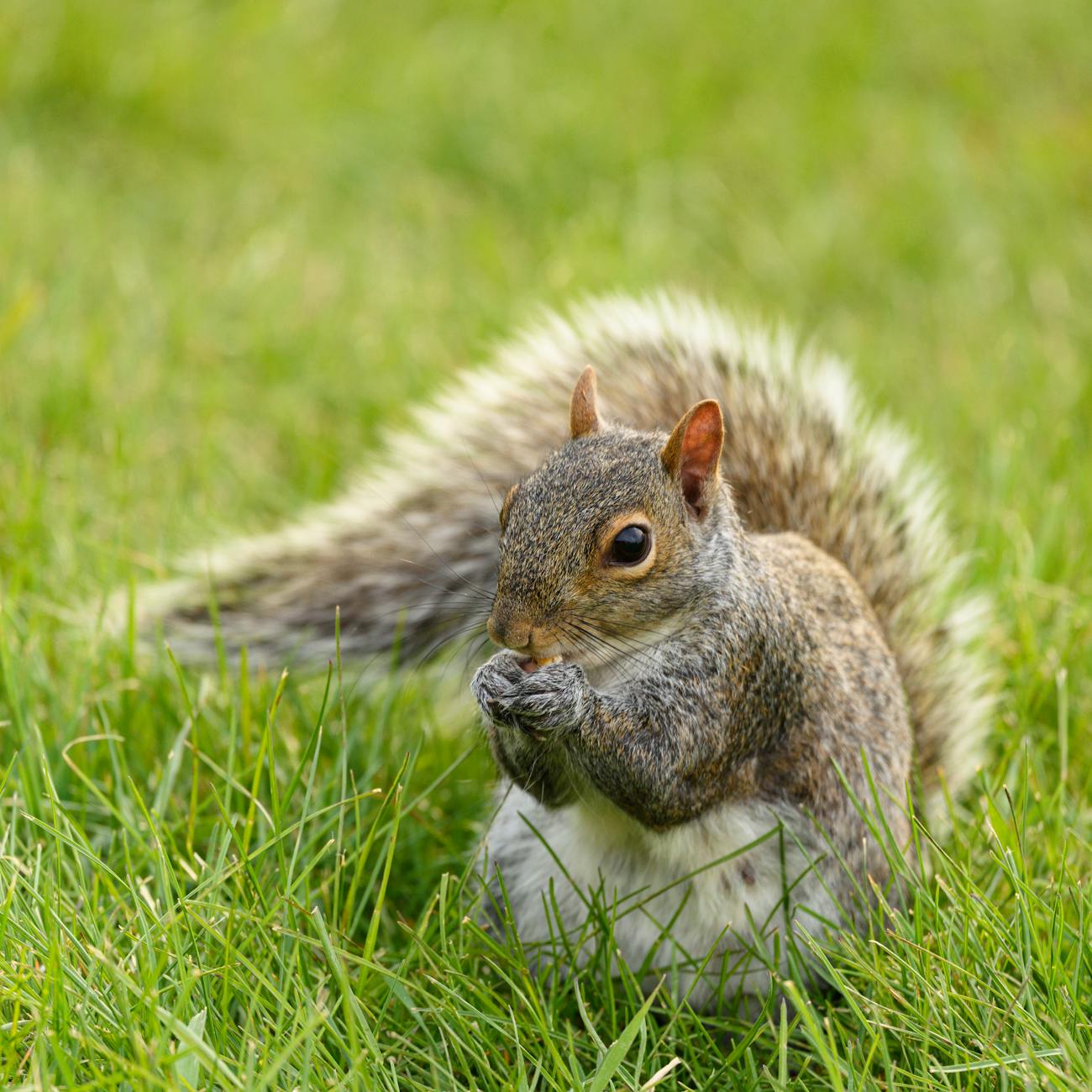
In the Certified Specialist Programme in Wildlife Rehabilitation Medication Administration, it is crucial to understand key terms and vocabulary related to calculating medication dosages for wildlife patients. Proper medication administration is essential for the health and well-being of wildlife in rehabilitation. Let's explore some of the fundamental concepts in this field.
1. **Dosage**: The amount of medication prescribed for an animal based on its weight, species, and condition.
2. **Medication**: Substances used to treat or prevent diseases, relieve symptoms, or manage pain in wildlife patients.
3. **Route of Administration**: The method by which medication is given to an animal, such as orally, topically, intravenously, or intramuscularly.
4. **Weight**: The mass of the animal, which is a crucial factor in determining the correct dosage of medication.
5. **Concentration**: The strength of the medication, usually expressed as the amount of active ingredient per unit volume (e.g., milligrams per milliliter).
6. **Dilution**: The process of reducing the concentration of a medication by adding a solvent or diluent.
7. **Syringe**: A device used to measure and administer medication accurately, available in various sizes for precise dosing.
8. **Conversion**: Changing the units of measurement for weight or volume to ensure accurate medication dosage calculations.
9. **Milligram (mg)**: A unit of measurement for the weight of a medication, often used in small doses for wildlife patients.
10. **Milliliter (mL)**: A unit of measurement for the volume of a liquid medication, crucial for precise dosing.
11. **Dose**: The specific amount of medication given at one time to an animal, based on the prescribed dosage.
12. **Frequency**: How often medication should be administered to an animal, determined by the veterinarian's instructions.
13. **Overdose**: Administering a higher dosage of medication than recommended, which can be harmful or fatal to wildlife patients.
14. **Underdose**: Administering a lower dosage of medication than needed, which may not effectively treat the animal's condition.
15. **Calculations**: Mathematical processes used to determine the correct dosage of medication based on the animal's weight, concentration of the medication, and prescribed dose.
16. **Proportion**: A relationship between two quantities, often used in dosage calculations to ensure accurate medication administration.
17. **Ratio**: A comparison of two quantities, crucial for calculating medication dosages for wildlife patients.
18. **Body Surface Area (BSA)**: A measurement used to determine the appropriate dosage of medication for animals based on their size and species.
19. **Titration**: Adjusting the dosage of medication gradually to achieve the desired effect while minimizing side effects.
20. **Injection**: A method of administering medication directly into the animal's body through a needle and syringe, commonly used for fast-acting treatments.
21. **Topical**: Applying medication to the skin or affected area of the animal, often used for skin conditions or localized treatments.
22. **Oral**: Administering medication through the mouth, either by mouth or through a feeding tube, suitable for many types of medications.
23. **Intravenous (IV)**: Administering medication directly into a vein, providing rapid absorption and distribution throughout the body.
24. **Intramuscular (IM)**: Administering medication into a muscle, allowing for gradual absorption and sustained effect.
25. **Subcutaneous (SQ)**: Administering medication into the space between the skin and muscle, suitable for some medications and fluids.
26. **Inhalation**: Administering medication through inhalation, often used for respiratory conditions or anesthetic purposes.
27. **Absorption**: The process by which medication enters the bloodstream and reaches its target site in the body.
28. **Distribution**: The movement of medication throughout the body, influenced by factors such as blood flow and tissue permeability.
29. **Metabolism**: The process by which the body breaks down and transforms medication into active or inactive forms for elimination.
30. **Excretion**: The removal of medication or its by-products from the body, typically through the kidneys, liver, or lungs.
31. **Half-life**: The time it takes for half of the medication to be eliminated from the body, affecting dosing frequency and duration of action.
32. **Therapeutic Range**: The range of medication concentrations in the body that effectively treats the animal's condition without causing toxicity.
33. **Toxicity**: The level of harmful effects caused by an excess of medication in the body, leading to adverse reactions or organ damage.
34. **Adverse Effects**: Undesirable reactions to medication, such as allergies, gastrointestinal upset, or neurological symptoms.
35. **Drug Interactions**: The effects of combining multiple medications, which can enhance or reduce their efficacy or cause unexpected side effects.
36. **Pharmacokinetics**: The study of how medications are absorbed, distributed, metabolized, and excreted in the body.
37. **Pharmacodynamics**: The study of how medications interact with the body to produce therapeutic effects or adverse reactions.
38. **Therapeutic Index**: The ratio between the dose of medication that causes toxicity and the dose that produces a therapeutic effect.
39. **Anesthesia**: The temporary loss of sensation or consciousness induced by medication, often used for medical procedures in wildlife patients.
40. **Analgesia**: The relief of pain without loss of consciousness, crucial for managing pain in injured or post-operative wildlife.
41. **Antibiotic**: Medications that inhibit or kill bacteria, commonly used to treat infections in wildlife patients.
42. **Anti-inflammatory**: Medications that reduce inflammation and pain, essential for managing injuries or inflammatory conditions in wildlife.
43. **Antiparasitic**: Medications that kill or inhibit parasites, crucial for treating parasitic infections in wildlife patients.
44. **Antifungal**: Medications that treat fungal infections, necessary for managing fungal diseases in wildlife.
45. **Antiviral**: Medications that inhibit the growth or replication of viruses, vital for treating viral infections in wildlife.
46. **Antiemetic**: Medications that prevent or relieve nausea and vomiting, important for managing gastrointestinal issues in wildlife patients.
47. **Antihistamine**: Medications that block the effects of histamine, essential for treating allergic reactions in wildlife.
48. **Antiseptic**: Substances that inhibit the growth of microorganisms on skin or tissues, crucial for preventing infections in wounds or surgical sites.
49. **Vaccine**: A preparation that stimulates the immune system to produce immunity to a specific disease, used for disease prevention in wildlife populations.
50. **Fluid Therapy**: Providing fluids to wildlife patients to maintain hydration, correct imbalances, or support organ function.
Understanding these key terms and vocabulary is essential for wildlife rehabilitators to calculate medication dosages accurately, administer treatments safely, and monitor the health of wildlife patients effectively. By mastering these concepts, wildlife rehabilitation professionals can provide optimal care for injured, sick, or orphaned animals in need of medical intervention.
Key takeaways
- In the Certified Specialist Programme in Wildlife Rehabilitation Medication Administration, it is crucial to understand key terms and vocabulary related to calculating medication dosages for wildlife patients.
- **Dosage**: The amount of medication prescribed for an animal based on its weight, species, and condition.
- **Medication**: Substances used to treat or prevent diseases, relieve symptoms, or manage pain in wildlife patients.
- **Route of Administration**: The method by which medication is given to an animal, such as orally, topically, intravenously, or intramuscularly.
- **Weight**: The mass of the animal, which is a crucial factor in determining the correct dosage of medication.
- **Concentration**: The strength of the medication, usually expressed as the amount of active ingredient per unit volume (e.
- **Dilution**: The process of reducing the concentration of a medication by adding a solvent or diluent.