
Emergency Medications in Wildlife Rehabilitation.
Emergency medications play a crucial role in the treatment of wildlife patients in rehabilitation settings. These medications are administered to address immediate medical needs and stabilize the animal's condition until more definitive tre…
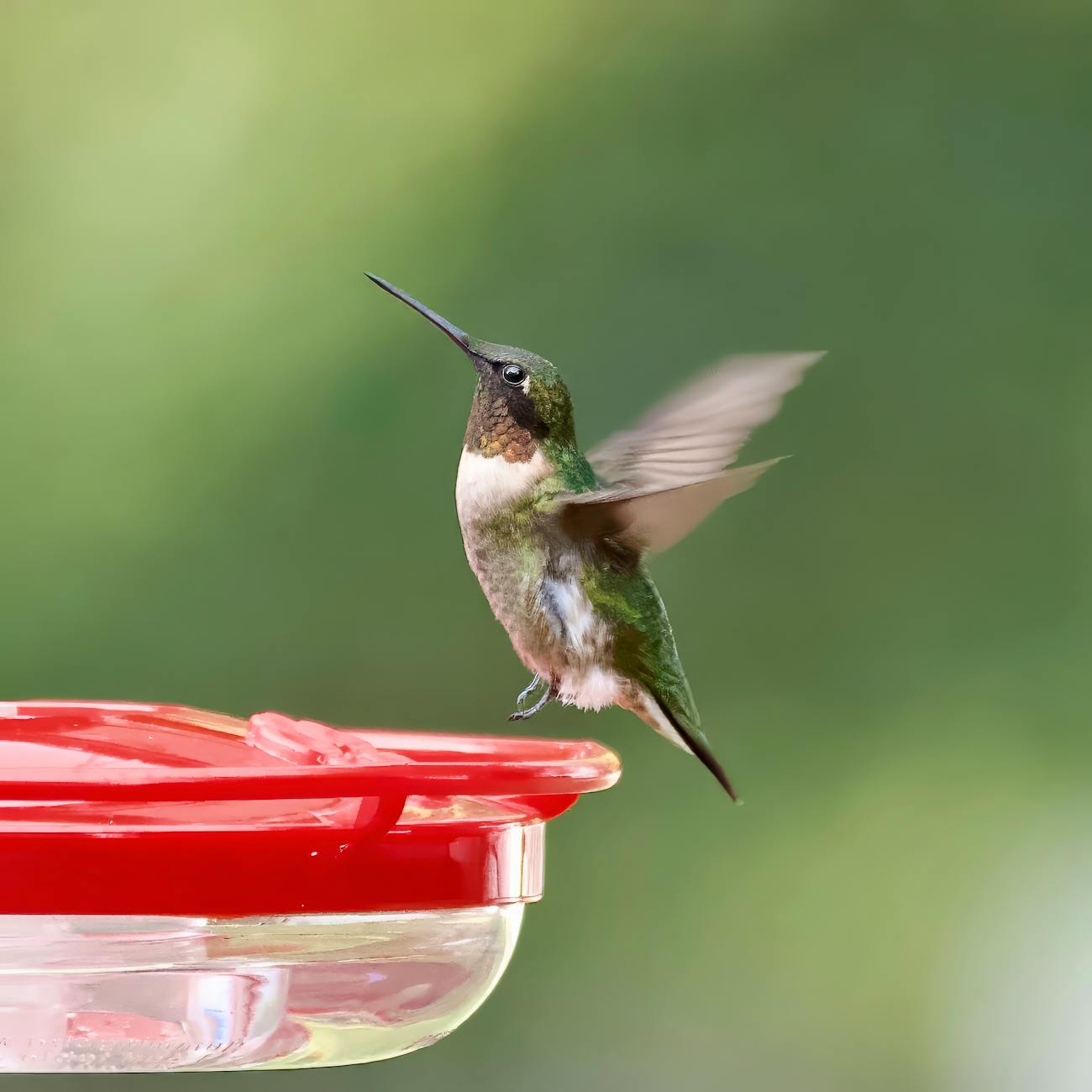
Emergency medications play a crucial role in the treatment of wildlife patients in rehabilitation settings. These medications are administered to address immediate medical needs and stabilize the animal's condition until more definitive treatment can be provided. Understanding key terms and vocabulary related to emergency medications is essential for wildlife rehabilitators to effectively administer these drugs and provide appropriate care to their patients.
1. **Emergency Medications**: Emergency medications are drugs that are used to treat acute medical conditions or situations that require immediate intervention to stabilize the patient. These medications are often administered in emergency situations to address life-threatening conditions and provide temporary relief until further treatment can be given.
2. **Route of Administration**: The route of administration refers to how a medication is delivered to the patient's body. Common routes of administration for emergency medications in wildlife rehabilitation include oral, intramuscular (IM), subcutaneous (SQ), intravenous (IV), and intraosseous (IO) routes.
3. **Dosage**: The dosage of a medication refers to the amount of the drug that should be given to the patient based on its weight, species, and medical condition. It is essential to calculate the correct dosage to ensure the medication is effective and safe for the animal.
4. **Drug Interactions**: Drug interactions occur when two or more medications react with each other in a way that affects their effectiveness or causes adverse effects. It is crucial to be aware of potential drug interactions when administering multiple medications to wildlife patients.
5. **Adverse Reactions**: Adverse reactions are unwanted or harmful effects that can occur when a medication is administered to an animal. Common adverse reactions include allergic reactions, gastrointestinal upset, and organ toxicity. Wildlife rehabilitators should monitor patients closely for adverse reactions when administering emergency medications.
6. **Antibiotics**: Antibiotics are medications used to treat bacterial infections in wildlife patients. Common antibiotics used in wildlife rehabilitation include amoxicillin, enrofloxacin, and doxycycline. Antibiotics should be used judiciously to prevent the development of antibiotic resistance in wildlife populations.
7. **Analgesics**: Analgesics are medications used to provide pain relief to wildlife patients. Common analgesics used in wildlife rehabilitation include nonsteroidal anti-inflammatory drugs (NSAIDs) such as meloxicam and opioids such as buprenorphine. Pain management is essential in wildlife rehabilitation to ensure the welfare of patients.
8. **Antiparasitics**: Antiparasitics are medications used to treat parasitic infections in wildlife patients. Common antiparasitics used in wildlife rehabilitation include fenbendazole for internal parasites and ivermectin for external parasites. Proper parasite control is essential to prevent the spread of parasites in wildlife populations.
9. **Antifungals**: Antifungals are medications used to treat fungal infections in wildlife patients. Common antifungals used in wildlife rehabilitation include itraconazole and fluconazole. Fungal infections can be challenging to treat in wildlife patients and may require long-term medication therapy.
10. **Fluid Therapy**: Fluid therapy involves administering fluids to wildlife patients to maintain hydration, correct imbalances, and support organ function. Intravenous (IV) fluid therapy is commonly used in emergency situations to stabilize patients with dehydration or shock.
11. **Emergency Drug Kit**: An emergency drug kit is a collection of essential medications and supplies that are readily available for immediate use in emergency situations. Wildlife rehabilitators should have an emergency drug kit stocked with medications such as analgesics, antibiotics, and antiparasitics.
12. **Euthanasia**: Euthanasia is the humane and painless euthanasia of an animal that is suffering and has a poor prognosis for recovery. Wildlife rehabilitators may need to make difficult decisions regarding euthanasia for patients that are too severely injured or ill to survive.
13. **Sedatives**: Sedatives are medications used to calm and relax wildlife patients, making them easier to handle and reducing stress during medical procedures. Common sedatives used in wildlife rehabilitation include dexmedetomidine and midazolam.
14. **Vasoactive Drugs**: Vasoactive drugs are medications that affect blood vessel tone and blood pressure. These drugs are used to manage circulatory shock and support cardiovascular function in wildlife patients. Examples of vasoactive drugs include dopamine and norepinephrine.
15. **Corticosteroids**: Corticosteroids are anti-inflammatory medications used to treat a variety of conditions in wildlife patients, including allergic reactions, immune-mediated diseases, and inflammatory conditions. Common corticosteroids used in wildlife rehabilitation include prednisolone and dexamethasone.
16. **Anticonvulsants**: Anticonvulsants are medications used to control seizures in wildlife patients. Seizures can be a life-threatening emergency in wildlife rehabilitation, and anticonvulsants such as diazepam and levetiracetam may be used to manage seizures.
17. **Reversal Agents**: Reversal agents are medications used to counteract the effects of other drugs and reverse their actions. For example, naloxone is a reversal agent for opioids, while atipamezole can reverse the effects of dexmedetomidine.
18. **Anesthesia**: Anesthesia involves inducing a state of unconsciousness and insensitivity to pain in wildlife patients for surgical procedures or diagnostic tests. Anesthetic drugs such as isoflurane and ketamine are used in wildlife rehabilitation under the supervision of trained professionals.
19. **Oxygen Therapy**: Oxygen therapy involves providing supplemental oxygen to wildlife patients with respiratory distress or hypoxia. Oxygen can be administered via masks, nasal cannulas, or oxygen cages to support patients' respiratory function.
20. **Topical Medications**: Topical medications are applied directly to the skin or mucous membranes of wildlife patients to treat localized conditions such as wounds, skin infections, or eye injuries. Examples of topical medications include antibiotic ointments, antifungal creams, and eye drops.
21. **Intramuscular Injection**: An intramuscular (IM) injection involves delivering a medication into the muscle tissue of a wildlife patient. IM injections are commonly used to administer analgesics, antibiotics, and sedatives in wildlife rehabilitation.
22. **Subcutaneous Injection**: A subcutaneous (SQ) injection involves delivering a medication into the subcutaneous tissue beneath the skin of a wildlife patient. SQ injections are less invasive than IM injections and are commonly used to administer fluids and medications in wildlife rehabilitation.
23. **Intravenous Injection**: An intravenous (IV) injection involves delivering a medication directly into a vein of a wildlife patient. IV injections provide rapid absorption and are used in emergency situations to deliver fluids, medications, and vasoactive drugs.
24. **Intraosseous Injection**: An intraosseous (IO) injection involves delivering a medication directly into the bone marrow of a wildlife patient. IO injections are used when IV access is difficult or impossible and provide an alternative route for administering emergency medications.
25. **Dose Calculation**: Dose calculation involves determining the correct dosage of a medication based on the patient's weight, species, and medical condition. Wildlife rehabilitators must accurately calculate medication doses to ensure the safety and effectiveness of treatment.
26. **Drug Formulation**: Drug formulation refers to the specific form in which a medication is available, such as tablets, capsules, liquids, or injectables. Wildlife rehabilitators should be familiar with different drug formulations and their appropriate uses in wildlife patients.
27. **Pharmacokinetics**: Pharmacokinetics refers to the study of how drugs are absorbed, distributed, metabolized, and eliminated in the body. Understanding pharmacokinetics is essential for determining the appropriate dosage and frequency of administration for emergency medications in wildlife patients.
28. **Pharmacodynamics**: Pharmacodynamics refers to the study of how drugs exert their effects on the body and interact with specific receptors or target tissues. Wildlife rehabilitators should be aware of the pharmacodynamics of emergency medications to ensure safe and effective treatment.
29. **Therapeutic Index**: The therapeutic index is the ratio of a drug's effective dose to its toxic dose. A wide therapeutic index indicates a safer medication with a lower risk of toxicity, while a narrow therapeutic index requires careful monitoring to prevent adverse effects.
30. **Rescue Medications**: Rescue medications are drugs used to treat acute respiratory distress or severe allergic reactions in wildlife patients. Common rescue medications include bronchodilators for respiratory distress and epinephrine for anaphylaxis.
31. **Decontamination**: Decontamination involves removing or neutralizing toxic substances that have been ingested, inhaled, or come into contact with a wildlife patient. Decontamination methods may include inducing vomiting, administering activated charcoal, or flushing the eyes or skin.
32. **Antiemetics**: Antiemetics are medications used to prevent or treat nausea and vomiting in wildlife patients. Common antiemetics used in wildlife rehabilitation include maropitant and metoclopramide. Controlling nausea and vomiting is important to maintain hydration and nutrition in patients.
33. **Inotropic Drugs**: Inotropic drugs are medications that affect the strength and efficiency of the heart's contractions. These drugs are used to support cardiac function in wildlife patients with heart failure or shock. Examples of inotropic drugs include dobutamine and milrinone.
34. **Anticoagulants**: Anticoagulants are medications used to prevent or treat blood clots in wildlife patients. Common anticoagulants used in wildlife rehabilitation include heparin and enoxaparin. Anticoagulant therapy may be necessary to prevent thromboembolic complications in injured or immobilized patients.
35. **Anticonvulsants**: Anticonvulsants are medications used to control seizures in wildlife patients. Seizures can be a life-threatening emergency in wildlife rehabilitation, and anticonvulsants such as diazepam and levetiracetam may be used to manage seizures.
36. **Triage**: Triage is the process of prioritizing and categorizing wildlife patients based on the severity of their injuries or medical conditions. Triage helps wildlife rehabilitators allocate resources effectively and provide timely care to patients in critical condition.
37. **Palliative Care**: Palliative care focuses on providing comfort and symptom management to wildlife patients with terminal illnesses or injuries. Palliative care may involve pain management, nutritional support, and emotional support for patients nearing the end of their lives.
38. **Extralabel Drug Use**: Extralabel drug use refers to the legal and ethical use of medications in wildlife patients in a manner that is not specified on the drug label. Wildlife rehabilitators may need to use medications off-label to treat unique conditions or species not covered by the label.
39. **Sterile Technique**: Sterile technique involves maintaining aseptic conditions during medical procedures to prevent contamination and infection in wildlife patients. Proper sterile technique is essential when administering injectable medications or performing surgical procedures in wildlife rehabilitation.
40. **Drug Withdrawal Period**: The drug withdrawal period is the time required for a medication to be eliminated from a wildlife patient's body before the animal can be released back into the wild. Wildlife rehabilitators must adhere to withdrawal periods to prevent drug residues in released animals.
In conclusion, understanding key terms and vocabulary related to emergency medications in wildlife rehabilitation is essential for providing effective care to wildlife patients in need of immediate treatment. By familiarizing themselves with these terms and concepts, wildlife rehabilitators can enhance their knowledge and skills in medication administration, drug management, and patient care in emergency situations.
Key takeaways
- Understanding key terms and vocabulary related to emergency medications is essential for wildlife rehabilitators to effectively administer these drugs and provide appropriate care to their patients.
- **Emergency Medications**: Emergency medications are drugs that are used to treat acute medical conditions or situations that require immediate intervention to stabilize the patient.
- Common routes of administration for emergency medications in wildlife rehabilitation include oral, intramuscular (IM), subcutaneous (SQ), intravenous (IV), and intraosseous (IO) routes.
- **Dosage**: The dosage of a medication refers to the amount of the drug that should be given to the patient based on its weight, species, and medical condition.
- **Drug Interactions**: Drug interactions occur when two or more medications react with each other in a way that affects their effectiveness or causes adverse effects.
- **Adverse Reactions**: Adverse reactions are unwanted or harmful effects that can occur when a medication is administered to an animal.
- Antibiotics should be used judiciously to prevent the development of antibiotic resistance in wildlife populations.