
Solid Waste Treatment and Disposal
Solid waste treatment and disposal is a critical aspect of environmental engineering and management. In this explanation, we will discuss key terms and vocabulary related to solid waste treatment and disposal in the context of a Postgraduat…
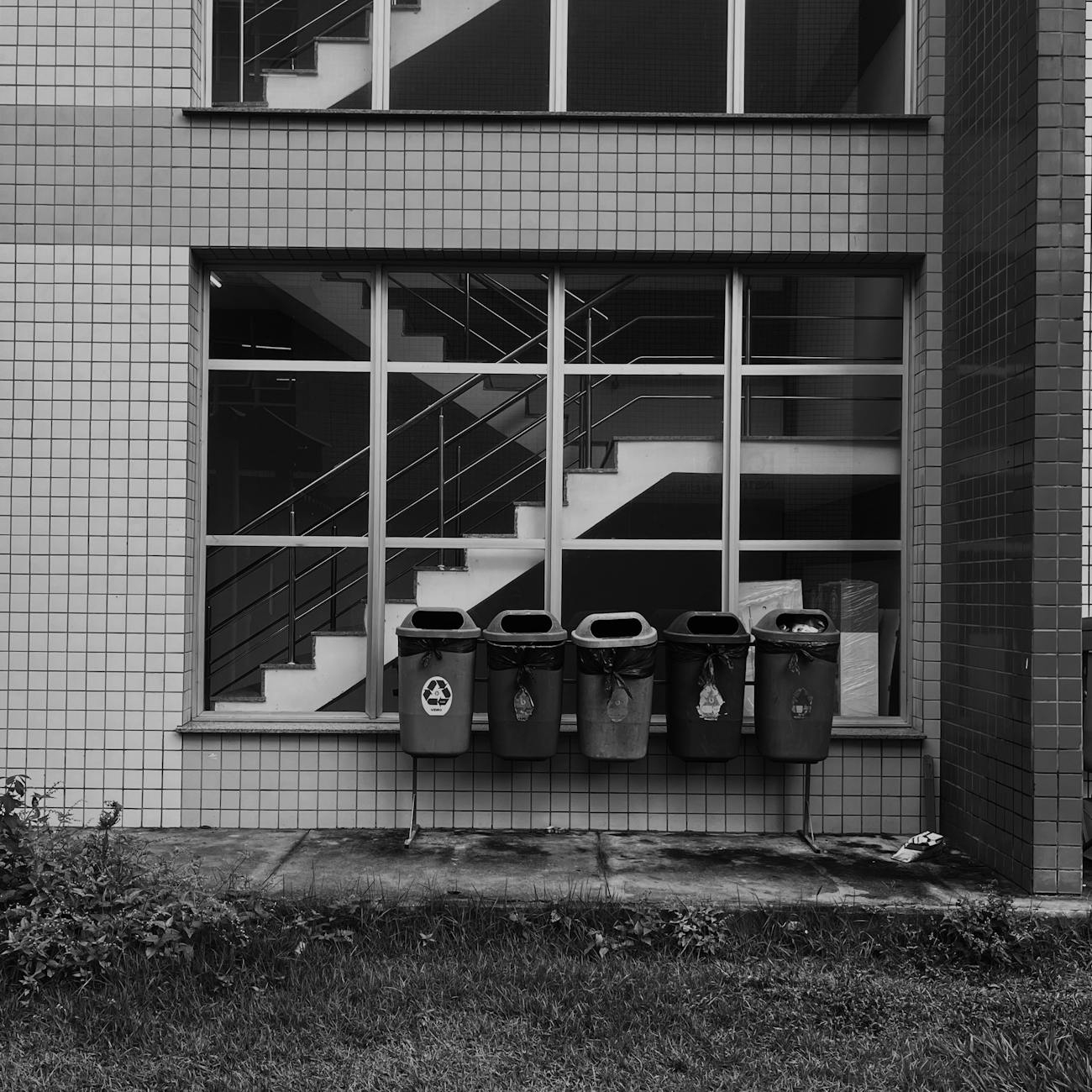
Solid waste treatment and disposal is a critical aspect of environmental engineering and management. In this explanation, we will discuss key terms and vocabulary related to solid waste treatment and disposal in the context of a Postgraduate Certificate in Solid Waste Management Engineering.
Solid waste: Solid waste is any waste in a solid state, including municipal solid waste, industrial waste, agricultural waste, and construction and demolition debris.
MSW: MSW, or municipal solid waste, is waste generated by residential, commercial, and institutional sources. It includes garbage, trash, and other non-hazardous waste.
HSW: HSW, or hazardous solid waste, is waste that poses a threat to human health or the environment due to its chemical, biological, or physical properties.
Waste characterization: Waste characterization is the process of determining the physical and chemical properties of waste, including its composition, density, and moisture content.
Waste reduction: Waste reduction is the practice of reducing the amount of waste generated by source reduction, reuse, and recycling.
Source reduction: Source reduction is the practice of reducing waste at the source by designing products and processes to minimize waste generation.
Reuse: Reuse is the practice of using a product or material again for its original purpose or for a different purpose.
Recycling: Recycling is the process of converting waste materials into new products.
Composting: Composting is the process of breaking down organic waste, such as food waste and yard waste, into a nutrient-rich soil amendment.
Landfill: A landfill is a site for the disposal of solid waste, typically consisting of a lined area where waste is deposited in layers and covered with soil.
Sanitary landfill: A sanitary landfill is a type of landfill that is designed and operated to minimize the impact on human health and the environment.
Methane: Methane is a potent greenhouse gas that is produced during the anaerobic decomposition of organic waste in landfills.
Landfill gas: Landfill gas is a mixture of methane and other gases produced during the decomposition of waste in landfills.
Landfill gas utilization: Landfill gas utilization is the practice of capturing and using landfill gas as a source of energy.
Leachate: Leachate is a liquid that forms when rainwater or other liquids percolate through waste in a landfill, causing the release of dissolved or suspended contaminants.
Leachate collection system: A leachate collection system is a system of pipes and pumps designed to collect and remove leachate from a landfill.
Landfill liner: A landfill liner is a barrier placed at the bottom and sides of a landfill to prevent the release of leachate and other contaminants into the surrounding environment.
Landfill cap: A landfill cap is a layer of soil, geotextile fabric, and vegetation placed on top of a landfill to prevent the release of methane and other gases.
Bioreactor landfill: A bioreactor landfill is a type of landfill that is actively managed to enhance the biological decomposition of waste, resulting in the production of methane and other gases that can be captured and used as a source of energy.
Waste-to-energy: Waste-to-energy is the process of converting waste into energy, typically through incineration or anaerobic digestion.
Incineration: Incineration is the process of burning waste in a controlled environment to produce energy in the form of heat or electricity.
Anaerobic digestion: Anaerobic digestion is the process of breaking down organic waste in the absence of oxygen to produce methane and other gases that can be used as a source of energy.
Mechanical biological treatment: Mechanical biological treatment is a waste treatment process that combines mechanical and biological methods to reduce the volume and improve the quality of waste.
Thermal treatment: Thermal treatment is a waste treatment process that uses heat to destroy or reduce the volume of waste.
Mechanical separation: Mechanical separation is a waste treatment process that uses mechanical methods, such as screening and sorting, to separate waste into different fractions.
Physical treatment: Physical treatment is a waste treatment process that uses physical methods, such as size reduction and dewatering, to prepare waste for further treatment or disposal.
Chemical treatment: Chemical treatment is a waste treatment process that uses chemical methods, such as neutralization and precipitation, to modify the chemical properties of waste.
Biological treatment: Biological treatment is a waste treatment process that uses biological methods, such as composting and anaerobic digestion, to break down organic waste.
Hazardous waste management: Hazardous waste management is the practice of managing hazardous waste from generation to disposal, including characterization, treatment, and disposal.
RCRA: RCRA, or the Resource Conservation and Recovery Act, is a federal law that regulates the management of hazardous waste.
TSDF: TSDF, or treatment, storage, and disposal facility, is a facility that treats, stores, or disposes of hazardous waste.
Universal waste: Universal waste is a category of hazardous waste that includes batteries, pesticides, and other waste that is commonly generated by households and small businesses.
In conclusion, solid waste treatment and disposal is a complex and multifaceted field that requires a deep understanding of the properties and behavior of waste, as well as the technologies and practices used to manage it. This explanation has provided an overview of key terms and vocabulary related to solid waste treatment and disposal, with an emphasis on practical applications and challenges. By understanding these concepts, practitioners in the field of solid waste management engineering can make informed decisions about the most appropriate and sustainable methods for treating and disposing of waste.
Key takeaways
- In this explanation, we will discuss key terms and vocabulary related to solid waste treatment and disposal in the context of a Postgraduate Certificate in Solid Waste Management Engineering.
- Solid waste: Solid waste is any waste in a solid state, including municipal solid waste, industrial waste, agricultural waste, and construction and demolition debris.
- MSW: MSW, or municipal solid waste, is waste generated by residential, commercial, and institutional sources.
- HSW: HSW, or hazardous solid waste, is waste that poses a threat to human health or the environment due to its chemical, biological, or physical properties.
- Waste characterization: Waste characterization is the process of determining the physical and chemical properties of waste, including its composition, density, and moisture content.
- Waste reduction: Waste reduction is the practice of reducing the amount of waste generated by source reduction, reuse, and recycling.
- Source reduction: Source reduction is the practice of reducing waste at the source by designing products and processes to minimize waste generation.