
Waste to Energy Technologies
Waste to Energy technologies are innovative solutions that convert waste into energy, reducing the amount of waste sent to landfills and minimizing environmental impacts. These technologies have gained significant attention in recent years …
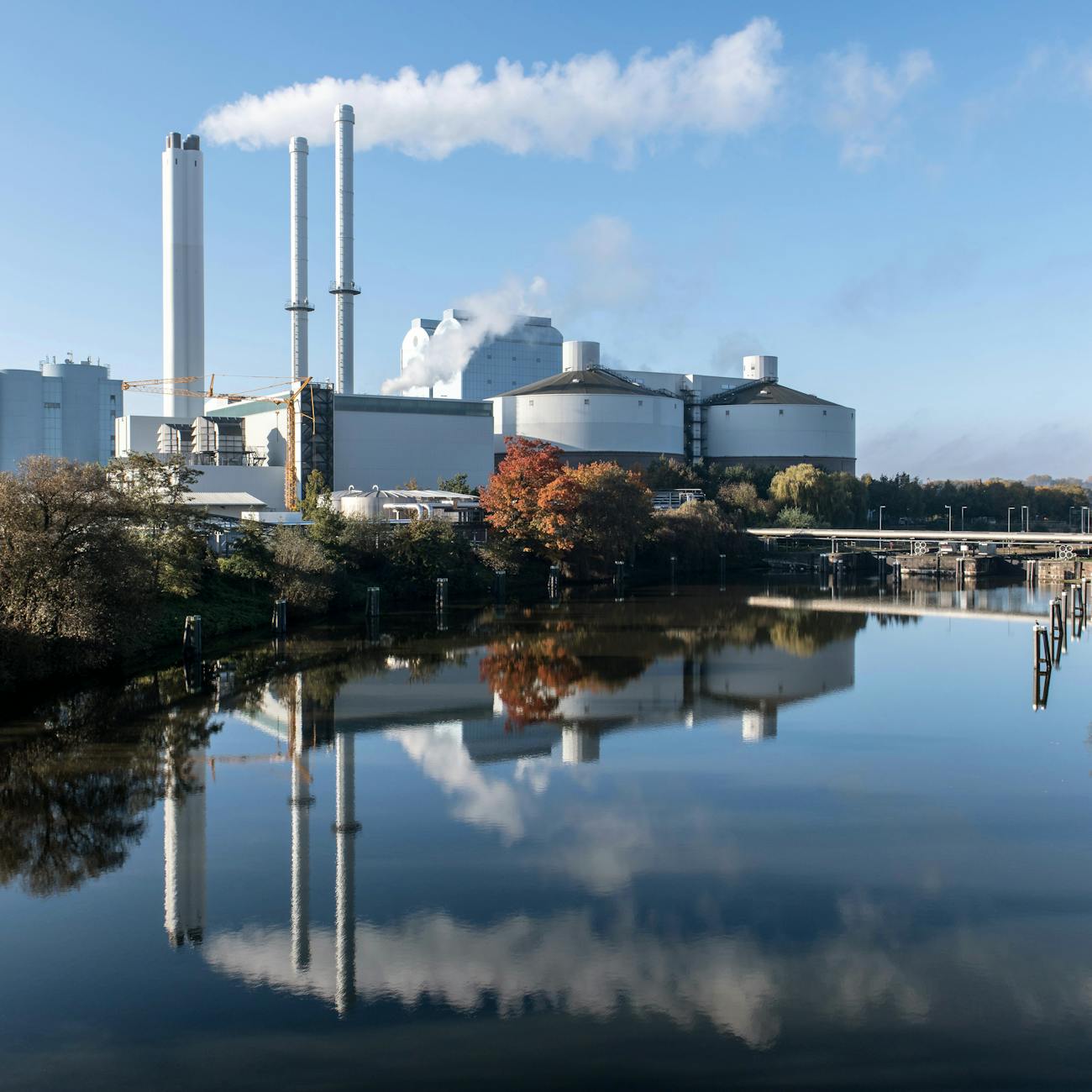
Waste to Energy technologies are innovative solutions that convert waste into energy, reducing the amount of waste sent to landfills and minimizing environmental impacts. These technologies have gained significant attention in recent years due to the increasing energy demands and the need to manage waste in a sustainable manner. The Postgraduate Certificate in Solid Waste Management Engineering course covers various aspects of waste management, including waste to energy technologies.
One of the key terms in waste to energy technologies is thermal treatment, which involves the use of heat to convert waste into energy. This process can be achieved through various methods, including incineration, gasification, and pyrolysis. Incineration involves the direct burning of waste to produce energy, while gasification and pyrolysis involve the conversion of waste into synthetic gas or oil, which can be used to generate energy.
Another important term is anaerobic digestion, which is a biological process that converts organic waste into energy. This process involves the use of microorganisms to break down organic matter in the absence of oxygen, producing biogas, which is a mixture of methane and carbon dioxide. The biogas can be used to generate electricity or heat, while the remaining digestate can be used as fertilizer.
Waste to energy technologies also involve the use of advanced materials and technologies, such as plasma gasification and membrane technologies. Plasma gasification involves the use of high-temperature plasma to convert waste into energy, while membrane technologies involve the use of semi-permeable membranes to separate and purify the energy-rich components of waste.
The efficiency of waste to energy technologies is a critical factor in determining their effectiveness. Efficiency refers to the amount of energy produced per unit of waste input, and it is usually measured in terms of the energy conversion rate. The energy conversion rate is the ratio of the energy produced to the energy contained in the waste, and it is usually expressed as a percentage.
Waste to energy technologies have several environmental benefits, including the reduction of greenhouse gas emissions and the conservation of natural resources. By converting waste into energy, these technologies can reduce the amount of waste sent to landfills, which are a significant source of methane emissions. Additionally, waste to energy technologies can reduce the demand for fossil fuels, which are a major contributor to greenhouse gas emissions.
However, waste to energy technologies also have several challenges and limitations. One of the major challenges is the high capital cost of building and operating waste to energy facilities. These facilities require significant investments in equipment, labor, and maintenance, which can make them expensive to operate. Additionally, waste to energy technologies can have environmental impacts, such as air and water pollution, which must be carefully managed and mitigated.
The feedstock for waste to energy technologies is also an important consideration. Feedstock refers to the type and quality of waste used as input for the energy conversion process. The feedstock can vary widely, depending on the type of waste and the energy conversion technology used. For example, municipal solid waste can be used as feedstock for incineration and gasification, while agricultural waste can be used as feedstock for anaerobic digestion.
The pre-treatment of waste is also a critical step in waste to energy technologies. Pre-treatment involves the processing and preparation of waste before it is fed into the energy conversion process. This can include sorting and separation of waste, as well as shredding and grinding to reduce the size of the waste particles.
Waste to energy technologies can be classified into several categories, including thermal, biological, and chemical technologies. Thermal technologies involve the use of heat to convert waste into energy, while biological technologies involve the use of microorganisms to break down organic matter. Chemical technologies involve the use of chemical reactions to convert waste into energy.
The economics of waste to energy technologies is also an important consideration. The economics of these technologies depends on several factors, including the cost of waste collection and transportation, the price of energy, and the value of the energy produced. Additionally, waste to energy technologies can have social benefits, such as job creation and community development, which must be carefully considered and evaluated.
Waste to energy technologies have several practical applications, including the generation of electricity and heat, and the production of biofuels and bioproducts. These technologies can be used to power homes, businesses, and industries, and can also be used to produce transportation fuels and chemicals.
The regulations and policies governing waste to energy technologies vary widely, depending on the country and region. These regulations and policies can have a significant impact on the development and deployment of waste to energy technologies, and must be carefully considered and evaluated.
In terms of research and development, waste to energy technologies are a rapidly evolving field, with new technologies and innovations emerging all the time. Researchers and developers are working to improve the efficiency and effectiveness of waste to energy technologies, and to reduce their environmental impacts.
The integration of waste to energy technologies with other energy systems is also an important consideration. This can include the integration of waste to energy technologies with renewable energy systems, such as solar and wind power, and with energy storage systems, such as batteries and fuel cells.
The public perception of waste to energy technologies is also an important factor, as it can affect the acceptance and adoption of these technologies. The public perception of waste to energy technologies can be influenced by several factors, including the environmental impacts, the cost, and the benefits of these technologies.
In terms of case studies, there are many examples of successful waste to energy projects around the world. For example, the city of Copenhagen in Denmark has a highly efficient waste to energy system, which generates heat and electricity from municipal solid waste. Similarly, the country of Sweden has a highly developed waste to energy sector, which generates a significant portion of the country's energy from waste.
The future of waste to energy technologies looks bright, with many new technologies and innovations emerging all the time. As the world continues to urbanize and industrialize, the demand for energy will continue to grow, and waste to energy technologies will play an increasingly important role in meeting this demand.
In terms of education and training, there is a growing need for professionals with expertise in waste to energy technologies. The Postgraduate Certificate in Solid Waste Management Engineering course is one example of a program that provides education and training in this field. This course covers various aspects of waste management, including waste to energy technologies, and provides students with the knowledge and skills needed to pursue a career in this field.
The industry of waste to energy technologies is also a significant sector, with many companies and organizations involved in the development and deployment of these technologies. The industry includes equipment manufacturers, consulting firms, and operating companies, and provides many job opportunities for professionals with expertise in this field.
In terms of policy and regulation, waste to energy technologies are subject to a range of policies and regulations, including environmental regulations, energy policies, and waste management regulations. These policies and regulations can have a significant impact on the development and deployment of waste to energy technologies, and must be carefully considered and evaluated.
The social impacts of waste to energy technologies are also an important consideration. These impacts can include job creation, community development, and public health impacts. The social impacts of waste to energy technologies must be carefully considered and evaluated, and must be managed and mitigated to ensure that these technologies are sustainable and equitable.
In terms of research and development, waste to energy technologies are a rapidly evolving field, with many new technologies and innovations emerging all the time.
The challenges and barriers to the development and deployment of waste to energy technologies are also significant. These challenges and barriers can include high capital costs, technical challenges, and regulatory barriers. The challenges and barriers to waste to energy technologies must be carefully considered and evaluated, and must be managed and mitigated to ensure that these technologies are sustainable and equitable.
In terms of examples and case studies, there are many examples of successful waste to energy projects around the world. For example, the city of Tokyo in Japan has a highly efficient waste to energy system, which generates heat and electricity from municipal solid waste. Similarly, the country of Germany has a highly developed waste to energy sector, which generates a significant portion of the country's energy from waste.
The importance of waste to energy technologies cannot be overstated. These technologies have the potential to transform the way we manage waste, and to provide a sustainable and equitable source of energy.
The future of waste to energy technologies looks bright, with many new technologies and innovations emerging all the time.
For example, the city of New York in the United States has a highly efficient waste to energy system, which generates heat and electricity from municipal solid waste. Similarly, the country of Australia has a highly developed waste to energy sector, which generates a significant portion of the country's energy from waste.
The potential of waste to energy technologies is vast, and these technologies have the potential to transform the way we manage waste and generate energy. As the world continues to evolve and change, the importance of waste to energy technologies will only continue to grow, and these technologies will play an increasingly important role in shaping the future of energy production and waste management.
Key takeaways
- Waste to Energy technologies are innovative solutions that convert waste into energy, reducing the amount of waste sent to landfills and minimizing environmental impacts.
- Incineration involves the direct burning of waste to produce energy, while gasification and pyrolysis involve the conversion of waste into synthetic gas or oil, which can be used to generate energy.
- This process involves the use of microorganisms to break down organic matter in the absence of oxygen, producing biogas, which is a mixture of methane and carbon dioxide.
- Plasma gasification involves the use of high-temperature plasma to convert waste into energy, while membrane technologies involve the use of semi-permeable membranes to separate and purify the energy-rich components of waste.
- The energy conversion rate is the ratio of the energy produced to the energy contained in the waste, and it is usually expressed as a percentage.
- Waste to energy technologies have several environmental benefits, including the reduction of greenhouse gas emissions and the conservation of natural resources.
- Additionally, waste to energy technologies can have environmental impacts, such as air and water pollution, which must be carefully managed and mitigated.