
Internet of Things (IoT) Applications in Agriculture
The Internet of Things (IoT) is revolutionizing various industries, and agriculture is no exception. IoT applications in agriculture are transforming traditional farming practices by leveraging advanced technologies to optimize crop product…
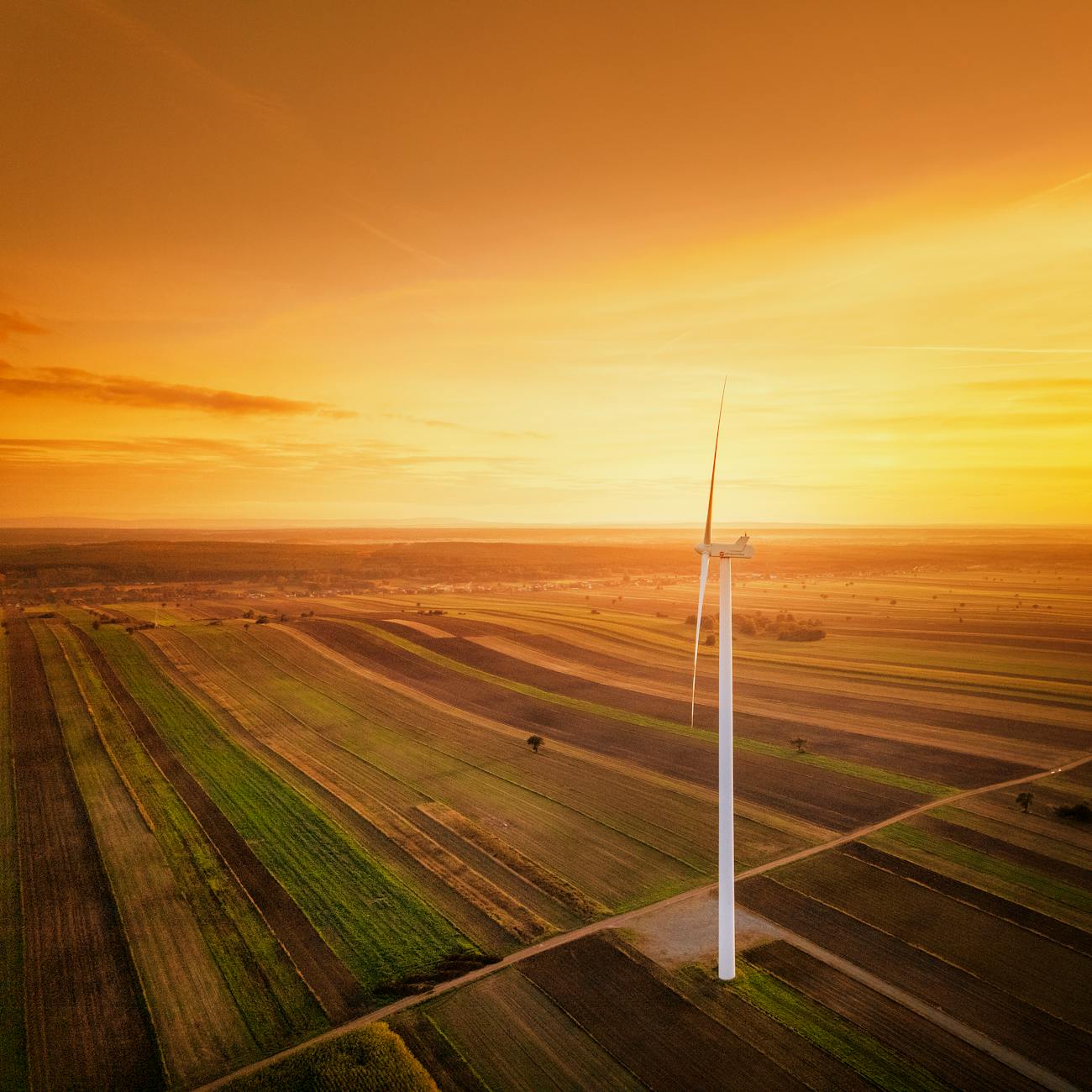
The Internet of Things (IoT) is revolutionizing various industries, and agriculture is no exception. IoT applications in agriculture are transforming traditional farming practices by leveraging advanced technologies to optimize crop production, enhance livestock management, monitor environmental conditions, and improve overall farm efficiency. This postgraduate certificate course in AI for Agriculture aims to equip learners with the necessary knowledge and skills to harness the power of IoT in agricultural settings. To fully grasp the concepts and applications of IoT in agriculture, it is essential to understand key terms and vocabulary associated with this field.
1. **Internet of Things (IoT)**: The Internet of Things refers to a network of interconnected devices that can communicate and share data with each other over the internet without human intervention. In the context of agriculture, IoT devices can include sensors, actuators, drones, and other smart devices that collect and transmit data for monitoring and controlling various agricultural processes.
2. **Agricultural IoT**: Agricultural IoT involves the use of IoT technologies in farming practices to monitor, manage, and optimize agricultural operations. It enables farmers to make data-driven decisions, improve productivity, reduce costs, and enhance sustainability in agriculture.
3. **Smart Agriculture**: Smart agriculture, also known as precision agriculture, is a farming approach that utilizes IoT, AI, and other advanced technologies to optimize crop yields, minimize resource wastage, and mitigate environmental impact. It involves the integration of data-driven insights into farming practices for better decision-making.
4. **Sensor Network**: A sensor network consists of interconnected sensors deployed in the field to collect data on various environmental parameters such as temperature, humidity, soil moisture, and light intensity. These sensors play a crucial role in monitoring crop health, predicting weather patterns, and optimizing irrigation schedules.
5. **Actuators**: Actuators are devices that are used to control or manipulate physical systems based on the data collected by sensors. In agriculture, actuators can be used to automate irrigation systems, adjust lighting conditions in greenhouses, or regulate temperature and humidity levels in controlled environments.
6. **Data Analytics**: Data analytics involves the process of analyzing large volumes of data to derive meaningful insights and patterns that can help in decision-making. In agriculture, data analytics is used to interpret sensor data, predict crop yields, detect anomalies, and optimize farming practices.
7. **Remote Monitoring**: Remote monitoring allows farmers to monitor their crops, livestock, and agricultural assets from a distance using IoT devices and sensors. It enables real-time tracking of environmental conditions, pest infestations, and equipment status, thereby improving operational efficiency and timely interventions.
8. **Precision Farming**: Precision farming is a farming technique that utilizes IoT, GPS, and AI technologies to tailor agricultural practices to specific crop requirements. By applying precise amounts of water, fertilizers, and pesticides based on real-time data, farmers can optimize resource utilization and maximize yields.
9. **Crop Monitoring**: Crop monitoring involves the continuous tracking of crop growth, health, and development using IoT sensors and imaging technologies. By monitoring factors such as soil moisture levels, nutrient uptake, and pest infestations, farmers can take proactive measures to prevent crop losses and improve quality.
10. **Livestock Management**: IoT applications in agriculture extend to livestock management, where sensors and tracking devices are used to monitor animal health, behavior, and productivity. By collecting data on feeding patterns, movement, and health indicators, farmers can ensure the well-being of their livestock and optimize breeding programs.
11. **Environmental Monitoring**: Environmental monitoring involves the use of IoT sensors to track and analyze environmental conditions such as temperature, humidity, air quality, and water levels. By monitoring these parameters in real-time, farmers can make informed decisions regarding irrigation, ventilation, and pest control strategies.
12. **Predictive Analytics**: Predictive analytics utilizes historical data and machine learning algorithms to forecast future trends and outcomes. In agriculture, predictive analytics can be used to predict crop yields, identify disease outbreaks, optimize planting schedules, and mitigate risks associated with weather fluctuations.
13. **Smart Irrigation**: Smart irrigation systems use IoT sensors and actuators to deliver precise amounts of water to crops based on their specific needs. By monitoring soil moisture levels, weather forecasts, and plant water requirements, farmers can optimize irrigation schedules, conserve water, and prevent waterlogging or drought conditions.
14. **Data Security**: Data security is a critical aspect of IoT applications in agriculture, as the collection and transmission of sensitive farm data pose risks of cyber threats and data breaches. Implementing robust encryption, authentication, and access control measures is essential to safeguard farm data and ensure privacy and confidentiality.
15. **Cloud Computing**: Cloud computing enables the storage, processing, and analysis of large volumes of data generated by IoT devices in agriculture. By leveraging cloud-based platforms, farmers can access real-time insights, collaborate with experts, and scale their IoT applications without the need for extensive on-site infrastructure.
16. **Edge Computing**: Edge computing involves processing and analyzing data at or near the source of data generation, such as IoT sensors or devices, rather than sending it to a centralized cloud server. In agriculture, edge computing can reduce latency, enhance data privacy, and enable real-time decision-making in remote or bandwidth-constrained environments.
17. **Smart Greenhouses**: Smart greenhouses incorporate IoT sensors, actuators, and control systems to create optimal growing conditions for plants. By monitoring and controlling factors such as temperature, humidity, light intensity, and CO2 levels, smart greenhouses can enhance crop productivity, quality, and resource efficiency.
18. **Supply Chain Management**: IoT applications in agriculture extend beyond the farm gate to include supply chain management, where sensors and tracking devices are used to monitor and trace the movement of agricultural products from farm to fork. By tracking product quality, location, and handling conditions, farmers can ensure food safety, traceability, and compliance with regulations.
19. **Challenges of IoT in Agriculture**: Despite the numerous benefits of IoT applications in agriculture, there are several challenges that need to be addressed for successful implementation. These challenges include high initial costs, interoperability issues, data privacy concerns, lack of technical expertise, and connectivity limitations in rural areas.
20. **Future Trends in Agricultural IoT**: The future of IoT in agriculture is poised for rapid growth and innovation, with emerging technologies such as 5G networks, AI, blockchain, and robotics reshaping the farming landscape. As IoT capabilities evolve, farmers can expect greater automation, predictive insights, and sustainable practices to drive the next generation of smart agriculture.
By familiarizing yourself with these key terms and vocabulary related to IoT applications in agriculture, you will be better equipped to navigate the complexities of this dynamic and transformative field. Whether you are a farmer, agronomist, researcher, or technologist, understanding the principles and applications of IoT in agriculture is essential for driving sustainable and efficient farming practices in the digital age.
Key takeaways
- This postgraduate certificate course in AI for Agriculture aims to equip learners with the necessary knowledge and skills to harness the power of IoT in agricultural settings.
- In the context of agriculture, IoT devices can include sensors, actuators, drones, and other smart devices that collect and transmit data for monitoring and controlling various agricultural processes.
- **Agricultural IoT**: Agricultural IoT involves the use of IoT technologies in farming practices to monitor, manage, and optimize agricultural operations.
- It involves the integration of data-driven insights into farming practices for better decision-making.
- **Sensor Network**: A sensor network consists of interconnected sensors deployed in the field to collect data on various environmental parameters such as temperature, humidity, soil moisture, and light intensity.
- In agriculture, actuators can be used to automate irrigation systems, adjust lighting conditions in greenhouses, or regulate temperature and humidity levels in controlled environments.
- **Data Analytics**: Data analytics involves the process of analyzing large volumes of data to derive meaningful insights and patterns that can help in decision-making.