
Image Processing and Computer Vision for Crop Monitoring
Image Processing refers to the manipulation of digital images using various algorithms and techniques to enhance their quality, extract useful information, or perform specific tasks. In the context of agriculture, image processing plays a c…
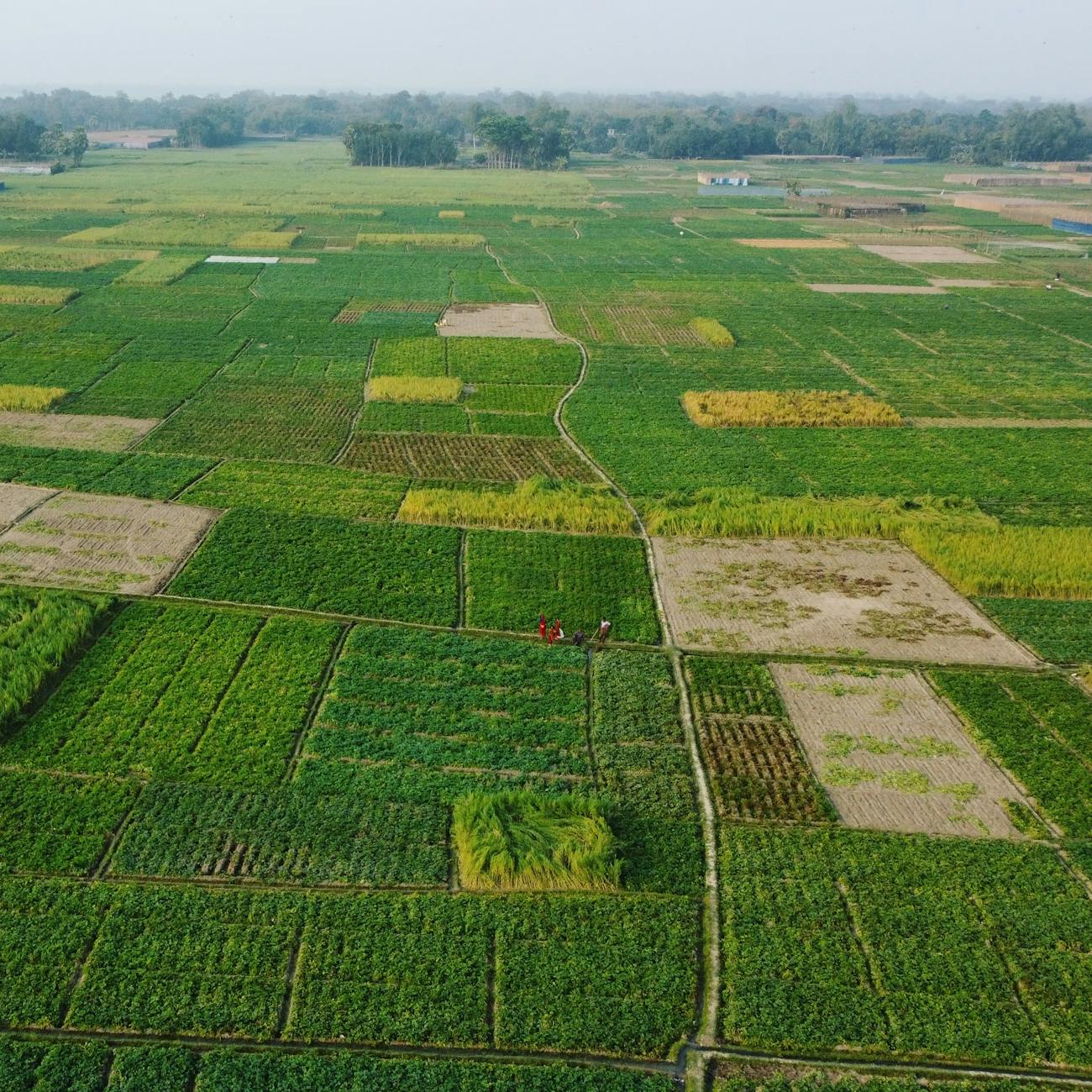
Image Processing refers to the manipulation of digital images using various algorithms and techniques to enhance their quality, extract useful information, or perform specific tasks. In the context of agriculture, image processing plays a crucial role in monitoring crops, identifying diseases, assessing plant health, and optimizing farming practices.
One of the key aspects of image processing for crop monitoring is image segmentation. This process involves partitioning an image into multiple segments or regions based on certain characteristics such as color, texture, or intensity. By segmenting images of crops, it becomes easier to analyze specific areas of interest, detect anomalies, or measure various parameters.
Feature extraction is another important concept in image processing for crop monitoring. It involves identifying and extracting relevant features or patterns from images that can be used for classification, recognition, or analysis. In agriculture, features such as leaf shape, color, texture, and size can provide valuable information about the health and growth of crops.
Image classification is a technique used to categorize images into different classes or categories based on their features. In the context of crop monitoring, image classification can be used to differentiate healthy plants from diseased ones, identify different crop types, or detect pests and weeds.
Object detection is a process of locating and identifying objects of interest within an image. In agriculture, object detection can be used to detect specific plant species, fruits, or pests in crop fields. This information can help farmers make informed decisions about crop management and pest control.
Image enhancement is a set of techniques used to improve the quality of digital images by reducing noise, increasing contrast, sharpening details, or adjusting colors. In the context of crop monitoring, image enhancement can help improve the visibility of plant features, making it easier to analyze and interpret the images.
Computer Vision is a field of artificial intelligence that focuses on enabling computers to interpret and understand visual information from the real world. In agriculture, computer vision is used to develop systems and algorithms for analyzing images and videos of crops to automate tasks such as monitoring, harvesting, and disease detection.
One of the key challenges in computer vision for crop monitoring is object recognition. This involves training algorithms to recognize and classify objects within images, such as different types of crops, weeds, or pests. Object recognition is essential for automating tasks like crop counting, yield estimation, and pest detection.
Deep learning is a subset of machine learning that involves training deep neural networks to learn from large amounts of data. In agriculture, deep learning algorithms are used for tasks such as image classification, object detection, and semantic segmentation. Deep learning models can achieve high levels of accuracy in crop monitoring applications.
Convolutional Neural Networks (CNNs) are a type of deep learning model commonly used for image analysis tasks. CNNs are designed to automatically learn hierarchical features from images by applying convolutional filters. In crop monitoring, CNNs can be used for tasks such as plant disease detection, weed identification, and yield prediction.
Semantic segmentation is a technique used to assign semantic labels to each pixel in an image, effectively segmenting the image into different regions based on the objects present. In agriculture, semantic segmentation can be used to identify and segment different parts of plants, such as leaves, stems, and fruits, for detailed analysis.
Remote sensing is a technology used to collect information about the Earth's surface from a distance, typically using satellites or drones. In agriculture, remote sensing is used to capture images of crop fields, monitor plant health, assess crop growth, and detect anomalies. Remote sensing data can be analyzed using image processing and computer vision techniques for crop monitoring.
Normalized Difference Vegetation Index (NDVI) is a commonly used metric in agriculture for assessing plant health and vegetation density. NDVI is calculated using the ratio of near-infrared and red light reflected by plants, with higher values indicating healthier vegetation. NDVI values can be extracted from remote sensing images and used to monitor crop health over time.
Geographic Information System (GIS) is a system used to capture, store, analyze, and visualize spatial data. In agriculture, GIS can be used to combine remote sensing images, field data, and other geospatial information for crop monitoring and management. GIS tools enable farmers to make informed decisions about irrigation, fertilization, and pest control based on spatial analysis.
Hyperspectral imaging is a technology that captures images of objects at multiple narrow bands across the electromagnetic spectrum. In agriculture, hyperspectral imaging can provide detailed information about crop health, nutrient content, and stress levels by analyzing the spectral signatures of plants. Hyperspectral data can be processed using advanced image processing and machine learning techniques for precise crop monitoring.
Unmanned Aerial Vehicles (UAVs) or drones are increasingly used in agriculture for collecting high-resolution aerial images of crop fields. UAVs equipped with cameras can capture detailed images of crops for monitoring plant health, detecting diseases, and assessing crop growth. Image processing and computer vision algorithms can analyze drone images to provide valuable insights for farmers.
Challenges in image processing and computer vision for crop monitoring include variability in lighting conditions, occlusions, complex backgrounds, and the presence of multiple objects in images. Developing robust algorithms that can handle these challenges and generalize well to different conditions is essential for accurate and reliable crop monitoring systems.
In conclusion, image processing and computer vision play a vital role in crop monitoring by enabling farmers to analyze, interpret, and extract valuable information from images of crops. By leveraging advanced techniques such as image segmentation, object detection, deep learning, and remote sensing, farmers can make data-driven decisions to optimize crop management practices, improve yields, and ensure sustainable agriculture.
Key takeaways
- Image Processing refers to the manipulation of digital images using various algorithms and techniques to enhance their quality, extract useful information, or perform specific tasks.
- This process involves partitioning an image into multiple segments or regions based on certain characteristics such as color, texture, or intensity.
- It involves identifying and extracting relevant features or patterns from images that can be used for classification, recognition, or analysis.
- In the context of crop monitoring, image classification can be used to differentiate healthy plants from diseased ones, identify different crop types, or detect pests and weeds.
- In agriculture, object detection can be used to detect specific plant species, fruits, or pests in crop fields.
- Image enhancement is a set of techniques used to improve the quality of digital images by reducing noise, increasing contrast, sharpening details, or adjusting colors.
- In agriculture, computer vision is used to develop systems and algorithms for analyzing images and videos of crops to automate tasks such as monitoring, harvesting, and disease detection.