
Implementing Visa Waiver Programs
Visa Waiver Program (VWP)
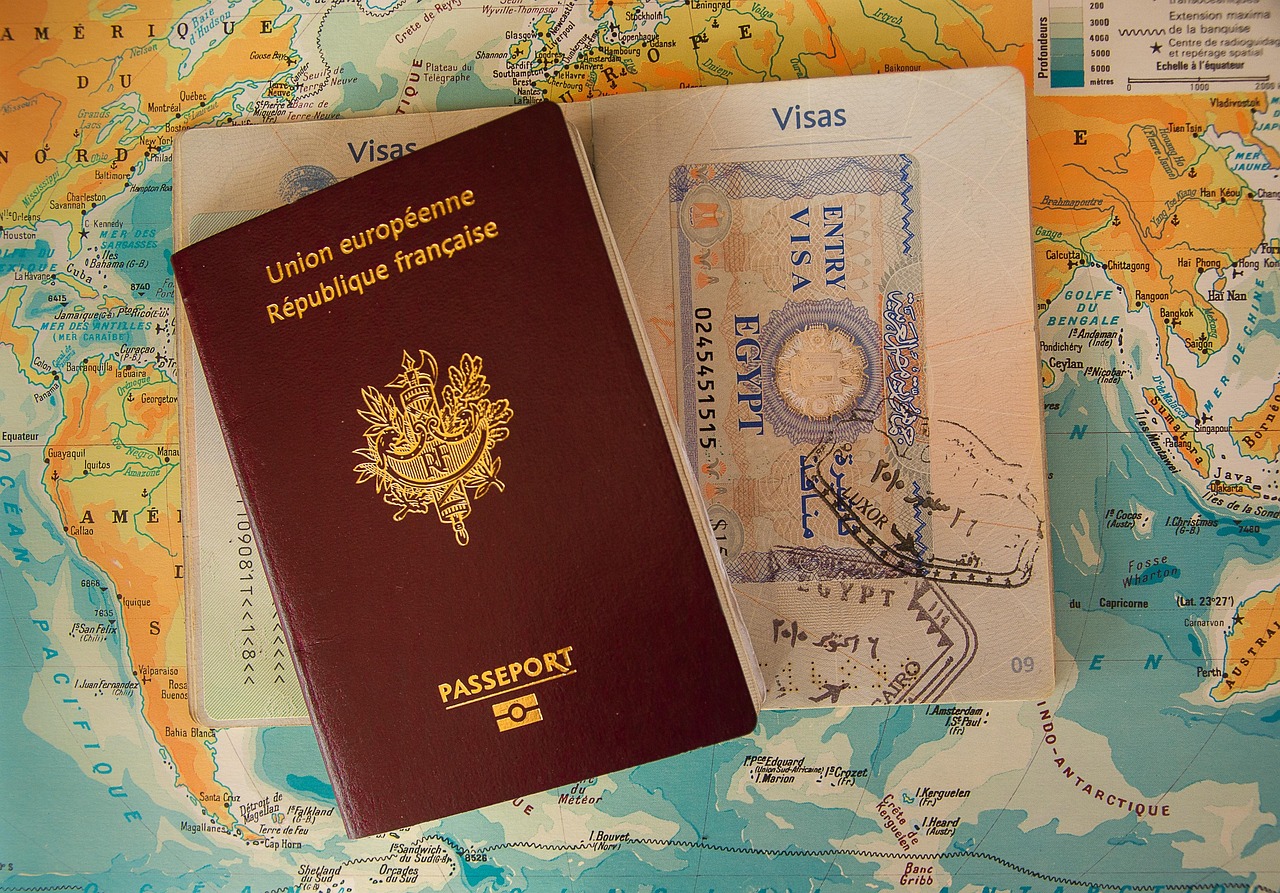
Visa Waiver Program (VWP)
The Visa Waiver Program (VWP) is a program that allows citizens of specific countries to travel to the United States for tourism or business purposes for up to 90 days without obtaining a visa. This program was established to facilitate travel and promote tourism while maintaining strict security standards.
The VWP is only available to citizens of certain countries that have low rates of visa refusals and overstays. Travelers must meet specific requirements to be eligible for the program, including having a valid Electronic System for Travel Authorization (ESTA) approval before boarding a carrier to travel by air or sea to the U.S.
The VWP has streamlined the travel process for eligible travelers, making it easier for them to visit the United States without going through the lengthy visa application process. However, it is essential to understand the key terms and vocabulary associated with implementing Visa Waiver Programs to ensure compliance and successful travel experiences.
Electronic System for Travel Authorization (ESTA)
The Electronic System for Travel Authorization (ESTA) is an automated system that determines the eligibility of visitors to travel to the United States under the VWP. Travelers from VWP countries are required to apply for ESTA approval online before boarding a carrier to travel by air or sea to the U.S.
ESTA collects biographical information and answers to eligibility questions from travelers to determine if they pose a security risk or are ineligible for travel under the VWP. ESTA approval is generally valid for two years or until the traveler's passport expires, whichever comes first.
It is crucial for travelers to ensure they have valid ESTA approval before traveling to the United States under the VWP. Failure to obtain ESTA approval can result in denial of entry into the U.S. and potential disruption to travel plans.
Visa Waiver Program Improvement and Terrorist Travel Prevention Act
The Visa Waiver Program Improvement and Terrorist Travel Prevention Act is a law enacted by the U.S. Congress to enhance security measures within the VWP. The Act aims to strengthen the security of the program by implementing additional screening requirements for travelers from VWP countries.
Under the Act, travelers who have visited or been present in certain countries identified as state sponsors of terrorism or countries of concern are ineligible to travel to the U.S. under the VWP. These travelers must apply for a visa through the traditional visa application process, even if they are citizens of VWP countries.
The Act also requires VWP countries to share information on lost and stolen passports with the U.S. government and implement other security measures to prevent terrorist travel. It is essential for travelers and VWP countries to comply with the requirements of the Act to ensure the continued success of the program.
Visa Waiver Program Country
A Visa Waiver Program country is a country that participates in the Visa Waiver Program, allowing its citizens to travel to the United States for tourism or business purposes without obtaining a visa. Currently, there are 39 countries that are designated as VWP countries, including Australia, Japan, the United Kingdom, and France.
To be eligible for the VWP, countries must meet specific criteria, such as having low rates of visa refusals and overstays, and maintaining robust security and information-sharing practices with the U.S. government. VWP countries are subject to periodic reviews to ensure they continue to meet the program's requirements.
Travelers from VWP countries benefit from streamlined travel procedures and do not need to apply for a visa before visiting the United States for short stays. However, they must meet all the requirements of the program, including obtaining valid ESTA approval and complying with the rules and regulations of the VWP.
Overstay
An overstay occurs when a traveler remains in the United States beyond the authorized period of stay on their visa or under the VWP. Overstaying can have serious consequences, including being barred from re-entering the U.S. for a certain period, receiving a deportation order, or facing other legal consequences.
It is essential for travelers to comply with the terms of their visa or the VWP to avoid overstaying in the United States. Travelers should carefully track their authorized period of stay and depart the U.S. before the expiration date to avoid any issues with immigration authorities.
Overstaying can lead to long-term consequences, such as being ineligible for future visa applications or entry into the U.S. Travelers should be aware of the implications of overstaying and take necessary steps to ensure they comply with immigration laws and regulations.
Immigration and Nationality Act (INA)
The Immigration and Nationality Act (INA) is a federal law that governs U.S. immigration policy and procedures. The INA outlines the various categories of visas, eligibility requirements for immigration benefits, and grounds for inadmissibility or deportation from the United States.
The INA is the primary statute that guides the issuance of visas, admission of immigrants and nonimmigrants, and enforcement of immigration laws in the U.S. It is essential for travelers, immigration officials, and visa applicants to understand the provisions of the INA to navigate the complex immigration system effectively.
The INA covers a wide range of topics related to immigration, including family-based immigration, employment-based immigration, refugee and asylum status, and naturalization. It serves as the legal framework for immigration policies and procedures in the United States, shaping the immigration landscape for individuals seeking to enter or stay in the country.
Visa Waiver Program Eligibility
Visa Waiver Program eligibility refers to the requirements that travelers must meet to qualify for travel to the United States under the VWP. To be eligible for the VWP, travelers must be citizens of designated VWP countries, have a valid passport, and meet other specific criteria set forth by the U.S. government.
In addition to being citizens of VWP countries, travelers must obtain valid ESTA approval before traveling to the U.S. under the program. ESTA collects biographical information and eligibility answers to determine if travelers pose a security risk or are ineligible for the VWP.
Travelers must also have a return or onward ticket, meet the requirements for short-term stays in the U.S., and comply with the rules and regulations of the VWP. It is essential for travelers to understand and meet all the eligibility requirements of the program to ensure a smooth and successful travel experience.
Biometric Identification
Biometric identification refers to the use of unique physical characteristics, such as fingerprints, facial features, or iris patterns, to verify a person's identity. Biometric data is collected and stored in secure databases to provide accurate identification and enhance security measures in various applications, including immigration and border control.
Many countries, including the United States, use biometric identification technology to screen travelers at ports of entry and verify their identities. Biometric screening helps immigration officials confirm the identity of travelers, detect fraudulent documents, and prevent unauthorized entry into the country.
Under the VWP, travelers may be subject to biometric screening upon arrival in the United States to verify their identity and eligibility for entry. Biometric identification enhances security measures and helps ensure the integrity of the immigration system, providing an additional layer of protection for travelers and the country.
Immigration Inspection
Immigration inspection is the process by which immigration officials screen and inspect travelers entering the United States to determine their admissibility. Immigration inspectors review travelers' documents, ask questions about their purpose of visit, and assess their eligibility to enter the country under the VWP or other visa categories.
During immigration inspection, travelers may be asked to provide biographical information, travel itineraries, and other supporting documents to verify their identity and intent. Immigration officials have the authority to admit or deny entry to travelers based on their assessment of the traveler's admissibility.
It is essential for travelers to cooperate with immigration inspectors during the inspection process and provide truthful and accurate information about their travel plans. Failure to comply with immigration inspection procedures or provide false information can result in denial of entry into the U.S. and other legal consequences.
Entry and Exit System
The Entry and Exit System is a biometric screening program implemented by the U.S. government to track the entry and exit of travelers to and from the United States. The system collects biometric data, such as fingerprints and facial images, from travelers to verify their identity and monitor their movements.
The Entry and Exit System enhances border security by providing immigration officials with real-time data on travelers entering and exiting the U.S. It helps identify individuals who overstay their authorized period of stay, pose a security risk, or violate immigration laws, allowing authorities to take appropriate action.
Travelers entering the U.S. under the VWP may be subject to biometric screening through the Entry and Exit System to verify their identity and track their movements. Compliance with the system is essential to ensure the integrity of the immigration process and maintain security at U.S. ports of entry.
Biometric Screening
Biometric screening is a security measure that uses unique physical characteristics, such as fingerprints, facial features, or iris patterns, to verify a person's identity. Biometric data is collected from travelers at ports of entry and compared against databases to confirm their identity and eligibility for entry into the country.
Biometric screening enhances border security by providing accurate identification of travelers and detecting individuals who may pose a security risk or have violated immigration laws. It is a critical tool used by immigration officials to ensure the integrity of the immigration system and protect national security.
Travelers entering the U.S. under the VWP may be subject to biometric screening as part of the entry process to verify their identity and eligibility for entry. Compliance with biometric screening procedures is essential to facilitate smooth entry into the country and maintain security at U.S. ports of entry.
Immigration Violations
Immigration violations refer to actions or behaviors that contravene U.S. immigration laws and regulations. Violations can include overstaying a visa or period of authorized stay, providing false information on immigration forms, working without authorization, or engaging in other activities prohibited by immigration laws.
Immigration violations can have serious consequences, including deportation, inadmissibility, or being barred from re-entering the U.S. for a certain period. It is essential for travelers to comply with immigration laws and regulations to avoid violations and maintain lawful status in the country.
Travelers should be aware of the rules and requirements of the VWP and other visa categories to prevent immigration violations and ensure a smooth and successful travel experience. Understanding the consequences of immigration violations is crucial for maintaining legal status and complying with U.S. immigration laws.
Visa Fraud
Visa fraud refers to the intentional misrepresentation or falsification of information on visa applications or other immigration documents to obtain a visa or enter a country unlawfully. Visa fraud can involve providing false information, forged documents, or fraudulent statements to deceive immigration authorities.
Visa fraud undermines the integrity of the immigration system and poses a security risk to the country. Individuals who engage in visa fraud may face criminal charges, deportation, or other legal consequences for their actions. It is essential for travelers to provide truthful and accurate information on visa applications to avoid visa fraud allegations.
Immigration authorities have strict measures in place to detect and prevent visa fraud, including background checks, document verification, and biometric screening. Travelers should refrain from engaging in visa fraud and comply with all immigration requirements to avoid legal repercussions and maintain lawful status in the country.
Immigration Enforcement
Immigration enforcement refers to the measures taken by government agencies to uphold and enforce immigration laws and regulations. Immigration enforcement agencies, such as U.S. Customs and Border Protection (CBP) and U.S. Immigration and Customs Enforcement (ICE), are responsible for enforcing immigration laws and ensuring compliance with immigration policies.
Immigration enforcement includes border security, visa processing, deportation proceedings, and other actions taken to maintain the integrity of the immigration system. Enforcement agencies conduct inspections, screenings, and investigations to identify and address violations of immigration laws and protect national security.
Travelers should be aware of immigration enforcement procedures and cooperate with immigration officials during inspections and screenings. Compliance with immigration laws and regulations is essential to avoid enforcement actions, maintain legal status in the country, and ensure a smooth and successful travel experience.
Biometric Data Collection
Biometric data collection is the process of capturing and storing unique physical characteristics, such as fingerprints, facial features, or iris patterns, for identification and verification purposes. Biometric data is used in various applications, including border security, law enforcement, and immigration control, to enhance security measures and confirm individuals' identities.
Many countries, including the United States, collect biometric data from travelers at ports of entry to verify their identities and monitor their movements. Biometric screening helps immigration officials detect fraudulent documents, identify individuals who pose a security risk, and prevent unauthorized entry into the country.
Travelers entering the U.S. under the VWP may be subject to biometric data collection as part of the entry process to confirm their identity and eligibility for entry. Compliance with biometric data collection procedures is essential to facilitate smooth entry into the country and maintain security at U.S. ports of entry.
Visa Waiver Program Compliance
Visa Waiver Program compliance refers to the adherence to the rules, regulations, and requirements of the VWP by travelers, VWP countries, and immigration authorities. Compliance with the program is essential to ensure the integrity of the immigration system, maintain security, and facilitate smooth travel experiences for eligible travelers.
Travelers must comply with all VWP requirements, including obtaining valid ESTA approval, meeting eligibility criteria, and adhering to the terms of their authorized stay in the U.S. Failure to comply with VWP rules and regulations can result in denial of entry, deportation, or other legal consequences.
VWP countries are also required to comply with program requirements, such as sharing information on lost and stolen passports, implementing security measures, and maintaining low rates of visa refusals and overstays. Compliance with VWP guidelines is necessary to ensure continued participation in the program and promote secure travel.
Visa Waiver Program Challenges
The Visa Waiver Program presents various challenges for travelers, immigration authorities, and VWP countries due to its complex requirements and security considerations. Some of the key challenges associated with implementing the VWP include security threats, overstays, visa fraud, and compliance issues.
Security threats pose a significant challenge to the VWP, as countries must balance facilitating travel with maintaining strict security standards. The VWP aims to streamline the travel process for eligible travelers while preventing terrorists and other security risks from entering the country.
Overstays are another challenge for the VWP, as travelers must adhere to the authorized period of stay to avoid legal consequences. Immigration authorities closely monitor travelers' movements and take action against individuals who overstay their visas or violate the terms of the program.
Visa fraud is a persistent challenge in the VWP, as individuals may attempt to deceive immigration authorities to obtain a visa unlawfully. Visa fraud undermines the integrity of the program and poses a security risk to the country, requiring stringent measures to prevent and detect fraudulent activities.
Compliance issues can also present challenges for the VWP, as travelers, VWP countries, and immigration authorities must adhere to program requirements to ensure its success. Failure to comply with VWP rules and regulations can lead to disruptions in travel plans, denial of entry, or other legal consequences.
Visa Waiver Program Benefits
Despite the challenges, the Visa Waiver Program offers numerous benefits for travelers, VWP countries, and the U.S. government. Some of the key benefits of the VWP include streamlined travel procedures, increased tourism, enhanced security measures, and strengthened diplomatic relations.
The VWP streamlines the travel process for eligible travelers by eliminating the need to obtain a visa for short stays in the U.S. This simplifies travel arrangements, reduces administrative burdens, and promotes tourism by making it easier for visitors to explore the country.
Increased tourism is a significant benefit of the VWP, as eligible travelers are more likely to visit the United States for leisure or business purposes without the hassle of obtaining a visa. The program stimulates economic growth, supports local businesses, and boosts the hospitality industry by attracting more visitors.
Enhanced security measures are another benefit of the VWP, as participating countries must meet stringent criteria to ensure the program's integrity. The VWP promotes information-sharing, biometric screening, and other security measures to prevent terrorists and other security risks from entering the country.
Strengthened diplomatic relations are fostered through the VWP, as participating countries collaborate on immigration policies, security initiatives, and travel facilitation efforts. The program promotes international cooperation, mutual understanding, and cultural exchange, enhancing diplomatic ties between nations.
Visa Waiver Program Evaluation
The Visa Waiver Program undergoes periodic evaluation to assess its effectiveness, security measures, and compliance with program requirements. Evaluation of the VWP is conducted by government agencies, international organizations, and independent bodies to ensure the program's success and address any challenges or issues that may arise.
Government agencies, such as the U.S. Department of Homeland Security (DHS) and the U.S. Customs and Border Protection (CBP), monitor the implementation of the VWP and conduct reviews to evaluate its impact on security, tourism, and diplomatic relations. These evaluations help identify areas for improvement and ensure the program's continued success.
International organizations, such as the International Air Transport Association (IATA) and the World Travel & Tourism Council (WTTC), also play a role in evaluating the VWP and providing feedback on its effectiveness. These organizations collaborate with governments and industry stakeholders to promote travel facilitation, enhance security measures, and support the growth of the tourism sector.
Independent bodies, such as research institutes, think tanks, and academic institutions, conduct studies and assessments of the VWP to analyze its outcomes, identify best practices, and recommend policy changes. These evaluations help shape the future direction of the program and inform decision-making on key issues related to travel visa requirements.
Visa Waiver Program Expansion
The Visa Waiver Program has expanded over the years to include more countries and promote travel facilitation on a global scale. Expansion of the VWP is driven by efforts to strengthen international relations, boost tourism, and enhance security measures while maintaining strict eligibility criteria for participating countries.
Countries that meet the requirements for VWP participation, such as low rates of visa refusals and overstays, robust security practices, and information-sharing agreements with the U.S. government, may be considered for inclusion in the program. Expansion of the VWP requires careful consideration of security implications, diplomatic relations, and economic benefits for all stakeholders.
The VWP expansion process involves negotiations between the U.S. government and candidate countries to establish mutual agreements on travel facilitation, security cooperation, and program requirements. Once a country is approved for VWP participation, travelers from that country can enjoy the benefits of visa-free travel to the United States for short stays.
Expansion of the VWP enhances global travel opportunities, promotes cultural exchange, and strengthens international cooperation on immigration and security matters. The program's expansion reflects a commitment to facilitating travel, supporting economic growth, and fostering positive relations between nations around the world.
Visa Waiver Program Reciprocity
Visa Waiver Program reciprocity refers to the principle of mutual agreement between countries to provide visa-free travel privileges to each other's citizens. Reciprocity in the VWP ensures that participating countries offer visa waiver benefits on a reciprocal basis, allowing travelers from both countries to enjoy the same
Key takeaways
- The Visa Waiver Program (VWP) is a program that allows citizens of specific countries to travel to the United States for tourism or business purposes for up to 90 days without obtaining a visa.
- Travelers must meet specific requirements to be eligible for the program, including having a valid Electronic System for Travel Authorization (ESTA) approval before boarding a carrier to travel by air or sea to the U.
- The VWP has streamlined the travel process for eligible travelers, making it easier for them to visit the United States without going through the lengthy visa application process.
- The Electronic System for Travel Authorization (ESTA) is an automated system that determines the eligibility of visitors to travel to the United States under the VWP.
- ESTA collects biographical information and answers to eligibility questions from travelers to determine if they pose a security risk or are ineligible for travel under the VWP.
- It is crucial for travelers to ensure they have valid ESTA approval before traveling to the United States under the VWP.
- The Act aims to strengthen the security of the program by implementing additional screening requirements for travelers from VWP countries.