
Ensuring Compliance with Visa Regulations
Ensuring Compliance with Visa Regulations
Ensuring Compliance with Visa Regulations
International travel is an exciting opportunity for individuals to explore new cultures, conduct business, or simply enjoy a vacation in a different country. However, traveling internationally comes with a set of requirements, particularly when it comes to obtaining the necessary visas to enter a foreign country legally. Ensuring compliance with visa regulations is crucial to avoid any legal issues that may arise during your travels. In this course, Professional Certificate in International Travel Visa Requirements, we will delve into the key terms and vocabulary related to visa regulations to help you navigate the complexities of international travel seamlessly.
Visa:
A visa is a document issued by a country's government that allows a foreign national to enter, stay, or leave that country for a specific period and purpose. Visas can come in various types depending on the purpose of travel, such as tourist visas, business visas, student visas, and work visas. It is essential to have the correct type of visa for your intended purpose of travel to avoid any issues at border control.
Immigration:
Immigration refers to the process of individuals moving to a foreign country to settle permanently. Immigration laws govern who can enter a country, how long they can stay, and the rights and responsibilities they have while in that country. Understanding immigration laws is crucial for individuals looking to relocate or work in a foreign country.
Embassy:
An embassy is the official representation of one country in another. Embassies play a vital role in issuing visas, providing consular services to citizens of their home country, and fostering diplomatic relations between countries. When applying for a visa, you may need to visit the embassy or consulate of the country you wish to travel to.
Consulate:
A consulate is a smaller diplomatic office that represents a country in a specific region within another country. Consulates provide consular services, such as issuing visas, assisting citizens in emergencies, and promoting cultural and economic ties between countries. Consulates often handle visa applications for individuals residing in regions far from the main embassy.
Passport:
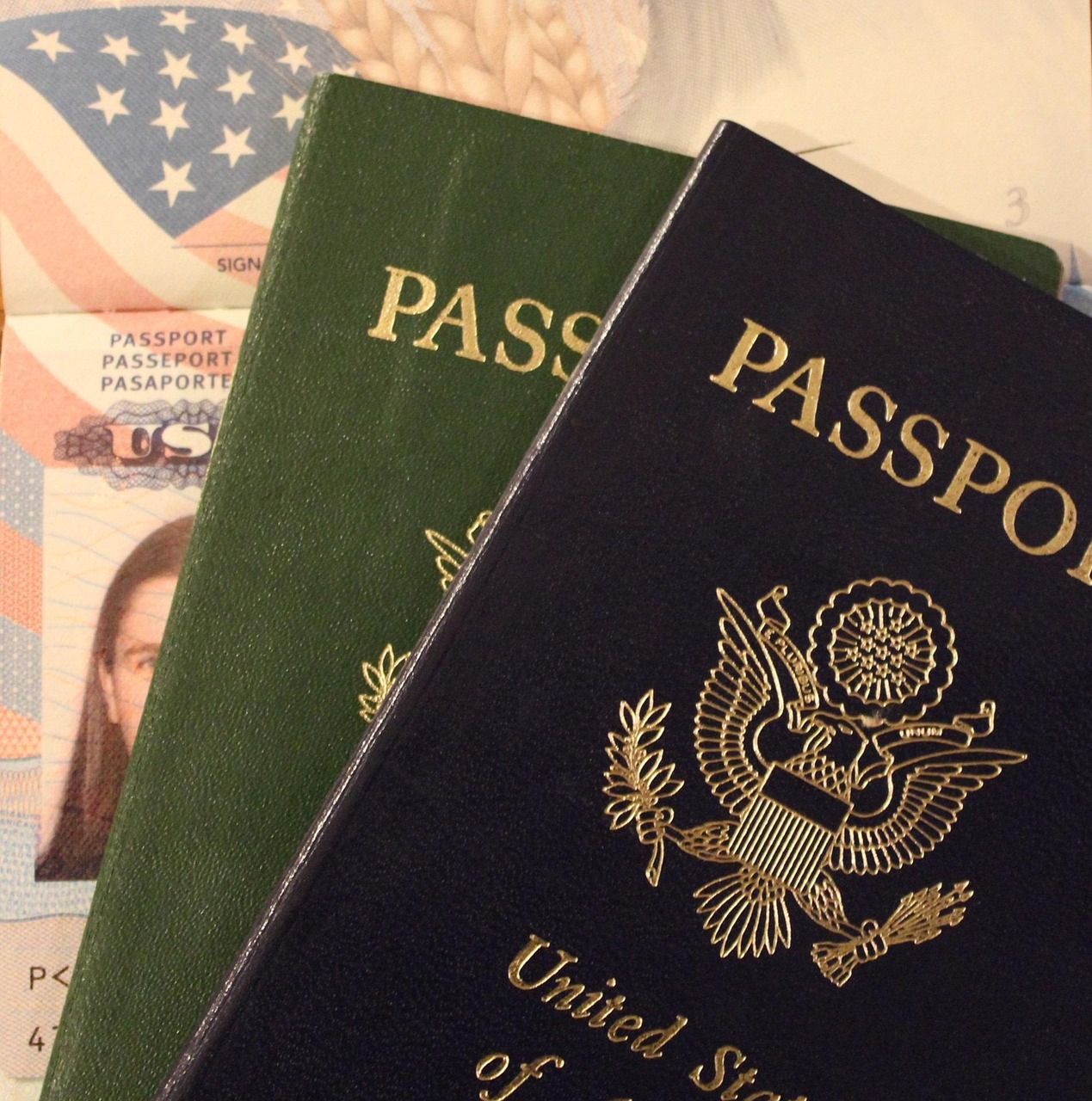
A passport is an official document issued by a country's government that certifies the identity and nationality of the holder. Passports are essential for international travel as they serve as proof of identity and citizenship. When applying for a visa, you will typically need to submit a valid passport with at least six months' validity beyond your intended stay.
Visa Waiver Program (VWP):
The Visa Waiver Program allows citizens of specific countries to travel to the United States for tourism or business purposes for up to 90 days without obtaining a visa. Travelers under the VWP must apply for authorization through the Electronic System for Travel Authorization (ESTA) before boarding a flight to the U.S. Understanding the VWP can be beneficial for travelers planning short trips to the U.S.
Electronic System for Travel Authorization (ESTA):
The Electronic System for Travel Authorization is an automated system that determines the eligibility of visitors to travel to the United States under the Visa Waiver Program. Travelers from VWP countries must complete an online ESTA application before their trip to the U.S. to obtain authorization for entry. It is essential to apply for ESTA well in advance of your travel date to ensure compliance with U.S. visa regulations.
Schengen Area:
The Schengen Area is a group of 26 European countries that have abolished internal border controls and operate as a single territory for travel purposes. Travelers with a Schengen visa can move freely within the Schengen Area without passport checks. Understanding the Schengen Area and its visa requirements is essential for travelers planning to visit multiple European countries.
Schengen Visa:
A Schengen visa is a document that allows travelers to enter and travel within the Schengen Area for up to 90 days within a 180-day period. Schengen visas are typically issued for tourism, business, or family visits. It is important to apply for a Schengen visa from the country of your main destination or the country you will enter first in the Schengen Area.
Visa Application:
A visa application is a formal request submitted to a country's embassy or consulate to obtain a visa for travel. Visa applications typically require personal information, travel details, supporting documents, and a visa fee. Completing a visa application accurately and providing all necessary documents is essential to ensure a smooth visa approval process.
Visa Requirements:
Visa requirements are the conditions that travelers must meet to be eligible for a visa to enter a specific country. Requirements may include a valid passport, visa application form, supporting documents (such as bank statements, invitation letters, or travel itineraries), proof of sufficient funds, and a return ticket. Understanding and meeting visa requirements are crucial for obtaining a visa successfully.
Visa Validity:
Visa validity refers to the period during which a visa is valid for travel to a country. The validity of a visa can vary depending on the type of visa and the country's regulations. It is essential to check the validity of your visa before traveling to ensure that it remains valid for the duration of your stay.
Visa Extension:
A visa extension allows travelers to stay in a country beyond the original expiration date of their visa. Visa extensions are granted under specific circumstances, such as unexpected emergencies, medical reasons, or changes in travel plans. Applying for a visa extension before your current visa expires is essential to avoid overstaying and potential legal consequences.
Visa Overstay:
Visa overstay occurs when a traveler remains in a country beyond the expiration date of their visa. Overstaying a visa is a violation of immigration laws and can result in fines, deportation, or future visa denials. It is crucial to comply with visa regulations and exit a country before your visa expires to avoid overstaying.
Visa Denial:
Visa denial is the refusal of a visa application by a country's immigration authorities. Visa denials can occur for various reasons, such as incomplete documentation, insufficient funds, security concerns, or past immigration violations. Understanding the reasons for visa denials and addressing any issues before reapplying is essential for a successful visa application.
Visa Interview:
A visa interview is a face-to-face meeting with a consular officer at an embassy or consulate to assess the applicant's eligibility for a visa. Visa interviews are common for certain types of visas, such as student visas or work visas. Preparing for a visa interview by gathering necessary documents, practicing interview questions, and demonstrating strong ties to your home country is essential for a successful outcome.
Visa Fraud:
Visa fraud refers to deceptive practices or misrepresentation during the visa application process to obtain a visa illegally. Visa fraud can include submitting fake documents, providing false information, or using fraudulent means to gain entry to a country. Engaging in visa fraud can lead to serious consequences, including visa revocation, deportation, and criminal charges.
Visa Revocation:
Visa revocation is the cancellation of a visa by a country's immigration authorities. Visas can be revoked for various reasons, such as visa violations, security concerns, or changes in immigration policies. If your visa is revoked, you may be required to leave the country immediately and may face restrictions on future travel to that country.
Visa-Free Travel:
Visa-free travel allows citizens of specific countries to enter another country without a visa for short stays. Visa-free agreements between countries facilitate tourism, business, and cultural exchanges without the need for a visa. Understanding which countries offer visa-free travel for your nationality can simplify travel planning and save time and money on visa applications.
Visa Processing Time:
Visa processing time refers to the period it takes for a country's immigration authorities to review and approve a visa application. Processing times can vary depending on the type of visa, the country's regulations, and the volume of applications. Planning your travel well in advance and submitting your visa application early can help ensure timely approval.
Visa Fee:
A visa fee is a mandatory payment required to process a visa application. Visa fees vary depending on the type of visa, the country's regulations, and the applicant's nationality. Paying the visa fee is a necessary step in the visa application process, and failure to pay the fee may result in the rejection of your application. It is essential to check the visa fee requirements before submitting your application.
Visa Application Center:
A visa application center is a facility where applicants can submit their visa applications, biometric data, and supporting documents. Visa application centers are often outsourced by embassies or consulates to handle the administrative tasks of processing visa applications. Visiting a visa application center may be required as part of the visa application process.
Visa Category:
Visa categories classify visas based on the purpose of travel, such as tourism, business, study, work, or family visits. Each visa category has specific requirements and restrictions that applicants must meet to be eligible for a visa. Understanding the different visa categories and selecting the correct category for your travel purpose is essential for a successful visa application.
Visa Bulletin:
A visa bulletin is a monthly publication by the U.S. Department of State that provides information on visa availability for immigrant visa applicants. The visa bulletin shows the priority dates for visa applications in various categories and countries. Monitoring the visa bulletin can help applicants track the progress of their visa applications and anticipate visa issuance.
Visa Sponsorship:
Visa sponsorship is when a legal entity or individual assumes responsibility for a foreign national's visa application and stay in a country. Sponsors may be required to provide financial support, accommodation, or employment for the visa applicant. Visa sponsorship is common for work visas, student visas, and family reunification visas.
Visa Validity Period:
The visa validity period is the duration during which a visa is valid for travel to a country. Visa validity periods can range from a few days to several years, depending on the type of visa and the country's regulations. It is essential to check the visa validity period and plan your travel within that timeframe to avoid visa expiration.
Visa Expiration Date:
The visa expiration date is the last day on which a visa holder can enter a country legally. Travelers must enter the country before the visa expiration date to avoid visa violations. It is crucial to check your visa expiration date and plan your travel accordingly to ensure compliance with visa regulations.
Visa Extension Application:
A visa extension application is a formal request submitted to a country's immigration authorities to extend the validity of a visa beyond the original expiration date. Visa extension applications must be supported by valid reasons, such as medical emergencies, unexpected events, or changes in travel plans. Applying for a visa extension before your current visa expires is essential to avoid overstaying.
Visa Bulletin Date:
The visa bulletin date is the cutoff date used by the U.S. Department of State to determine visa availability for immigrant visa applicants. Visa bulletin dates vary based on visa categories, countries, and demand for visas. Applicants must have a priority date earlier than the visa bulletin date to be eligible for visa issuance.
Visa Interview Appointment:
A visa interview appointment is a scheduled meeting with a consular officer at an embassy or consulate to assess the applicant's eligibility for a visa. Visa interview appointments must be made in advance through the embassy or consulate's online appointment system. Attending the visa interview appointment on time and prepared with all necessary documents is essential for a successful outcome.
Visa Processing Center:
A visa processing center is a facility where visa applications are reviewed, processed, and approved by a country's immigration authorities. Visa processing centers may be located within embassies, consulates, or outsourced to third-party agencies. Understanding the role of the visa processing center and following their guidelines can help expedite the visa application process.
Visa Invitation Letter:
A visa invitation letter is a document provided by a host or sponsor in a foreign country to support a visa application. The invitation letter includes information about the purpose of travel, the duration of stay, and the host's contact details. Submitting a visa invitation letter with your application can strengthen your case for visa approval.
Visa Processing Fee:
A visa processing fee is a mandatory payment required to process a visa application. Visa processing fees cover the cost of reviewing, processing, and issuing visas to applicants. The amount of the visa processing fee varies depending on the type of visa, the country's regulations, and the applicant's nationality. It is essential to pay the visa processing fee to complete your application.
Visa Stamping:
Visa stamping is the process of affixing a visa to a traveler's passport as proof of authorization to enter a country. Visa stamping is typically done at the port of entry or at an embassy or consulate before travel. Travelers must carry their passport with the visa stamp during their journey and present it to immigration authorities upon arrival.
Visa Refusal:
Visa refusal is the rejection of a visa application by a country's immigration authorities. Visa refusals can occur for various reasons, such as incomplete documentation, insufficient funds, or security concerns. If your visa application is refused, you will receive a refusal letter outlining the reasons for the decision. Understanding the reasons for visa refusal and addressing any issues is crucial for reapplying successfully.
Visa Interview Questions:
Visa interview questions are inquiries posed by consular officers during a visa interview to assess the applicant's eligibility for a visa. Visa interview questions may cover topics such as the purpose of travel, ties to the home country, financial stability, and travel plans. Preparing well for visa interview questions can help applicants present a strong case for visa approval.
Visa Renewal:
Visa renewal is the process of extending the validity of a visa beyond the original expiration date. Visa renewal may be possible for certain types of visas, such as tourist visas or work visas. Applicants must follow the renewal procedures, provide updated information, and meet any additional requirements to extend their visas legally.
Visa Documentation:
Visa documentation includes the paperwork required to support a visa application, such as a valid passport, visa application form, supporting documents, and visa fees. Providing complete and accurate visa documentation is essential to demonstrate eligibility for a visa and avoid delays or rejections. It is crucial to gather all necessary documents and follow the visa application guidelines.
Visa Interview Tips:
Visa interview tips are suggestions to help applicants prepare for a visa interview and increase their chances of approval. Tips may include researching visa requirements, practicing interview questions, dressing appropriately, and presenting a clear and concise case for travel. Following visa interview tips can help applicants navigate the interview process confidently.
Visa Processing Time Frame:
Visa processing time frame refers to the period it takes for a country's immigration authorities to review and approve a visa application. Processing time frames can vary depending on the type of visa, the country's regulations, and the volume of applications. Understanding the visa processing time frame and planning your travel accordingly can help avoid last-minute delays.
Visa Approval Letter:
A visa approval letter is a document issued by a country's immigration authorities confirming the approval of a visa application. The approval letter includes details about the visa type, validity period, and any conditions or restrictions. Travelers must carry the visa approval letter with them during their journey and present it to immigration authorities upon arrival.
Visa Entry Requirements:
Visa entry requirements are the conditions that travelers must meet to enter a country legally with a visa. Entry requirements may include presenting a valid passport, visa approval letter, return ticket, proof of accommodation, and sufficient funds for the stay. Complying with visa entry requirements is essential to avoid entry denial or deportation.
Visa Cancellation:
Visa cancellation is the revocation of a visa by a country's immigration authorities. Visas can be canceled for various reasons, such as visa violations, security concerns, or changes in immigration policies. If your visa is canceled, you may be required to leave the country immediately and may face restrictions on future travel to that country.
Visa Application Form:
A visa application form is a document that applicants must complete to apply for a visa to enter a foreign country. The application form collects personal information, travel details, and supporting documents required for visa processing. Filling out the visa application form accurately and completely is essential to ensure a successful visa application.
Visa Extension Process:
The visa extension process allows travelers to extend the validity of their visas beyond the original expiration date. Visa extension processes vary depending on the type of visa, the country's regulations, and the reasons for extension. Applicants must follow the visa extension process, submit the required documents, and pay any applicable fees to extend their visas legally.
Visa Entry Stamp:
A visa entry stamp is an ink stamp affixed to a traveler's passport upon entry to a foreign country. The entry stamp indicates the traveler's entry date, port of entry, and visa status. Travelers must carry their passport with the visa entry stamp during their stay and present it to immigration authorities when exiting the country.
Visa Update:
A visa update is a notification or change in the status of a visa application or approval. Visa updates may include changes in the processing status, visa validity period, conditions or restrictions, or visa issuance. Travelers must stay informed about visa updates and any changes to their visa status to ensure compliance with visa regulations.
Visa Rejection Reasons:
Visa rejection reasons are the explanations provided by a country's immigration authorities for refusing a visa application. Reasons for visa rejection may include incomplete documentation, insufficient funds, security concerns, or past immigration violations. Understanding the reasons for visa rejection and addressing any issues is crucial for reapplying successfully.
Visa Interview Preparation:
Visa interview preparation involves researching visa requirements, gathering necessary documents, practicing interview questions, and organizing supporting materials. Preparation is essential to present a strong case for visa approval during the interview. Taking the time to prepare for the visa interview can increase your chances of a successful outcome.
Visa Application Status:
Visa application status is the current progress or status of a visa application submitted to a country's immigration authorities. Applicants can check their visa application status online or through the embassy or consulate's visa tracking system. Monitoring your visa application status can help you stay informed about the processing timeline and any updates to your application.
Visa Processing Fees:
Visa processing fees are mandatory payments required to process a visa application. The amount of the visa processing fee varies depending on the type of visa, the country's regulations, and the applicant's nationality. Paying the visa processing fees is a necessary step in the visa application process and must be completed to proceed with your application.
Visa Approval Process:
The visa approval process involves reviewing and approving a visa application by a country's immigration authorities. The process includes verifying the applicant's eligibility, conducting background checks, and issuing the visa approval letter. Understanding the visa approval process and following the guidelines can help applicants navigate the process smoothly.
Visa Application Deadline:
A visa application deadline is the last date by which applicants must submit their visa applications to be considered for travel. Missing the visa application deadline may result in delays, rejections, or the need to reschedule travel plans. It is essential to submit your visa application before the deadline to ensure timely processing.
Visa Requirement Checklist:
A visa requirement checklist is a list of documents and materials that applicants must submit to meet the visa requirements for a specific country. The checklist may include a valid passport, visa application form, supporting documents, and visa fees. Using a visa requirement checklist can help applicants organize their application and ensure all necessary items are included.
Visa Processing Guidelines:
Visa processing guidelines are the rules and procedures set by a country's immigration authorities for reviewing and approving visa applications. Following the visa processing guidelines is essential to ensure a smooth application process and increase your chances of approval. Understanding the guidelines and requirements can help applicants navigate the visa process effectively.
Visa Renew
Key takeaways
- In this course, Professional Certificate in International Travel Visa Requirements, we will delve into the key terms and vocabulary related to visa regulations to help you navigate the complexities of international travel seamlessly.
- A visa is a document issued by a country's government that allows a foreign national to enter, stay, or leave that country for a specific period and purpose.
- Immigration laws govern who can enter a country, how long they can stay, and the rights and responsibilities they have while in that country.
- Embassies play a vital role in issuing visas, providing consular services to citizens of their home country, and fostering diplomatic relations between countries.
- Consulates provide consular services, such as issuing visas, assisting citizens in emergencies, and promoting cultural and economic ties between countries.
- When applying for a visa, you will typically need to submit a valid passport with at least six months' validity beyond your intended stay.
- The Visa Waiver Program allows citizens of specific countries to travel to the United States for tourism or business purposes for up to 90 days without obtaining a visa.