
Taste Perception and Psychology
Taste Perception and Psychology are essential components of food flavor design, influencing how individuals experience and interact with food. Understanding the key terms and vocabulary associated with taste perception and psychology is cru…
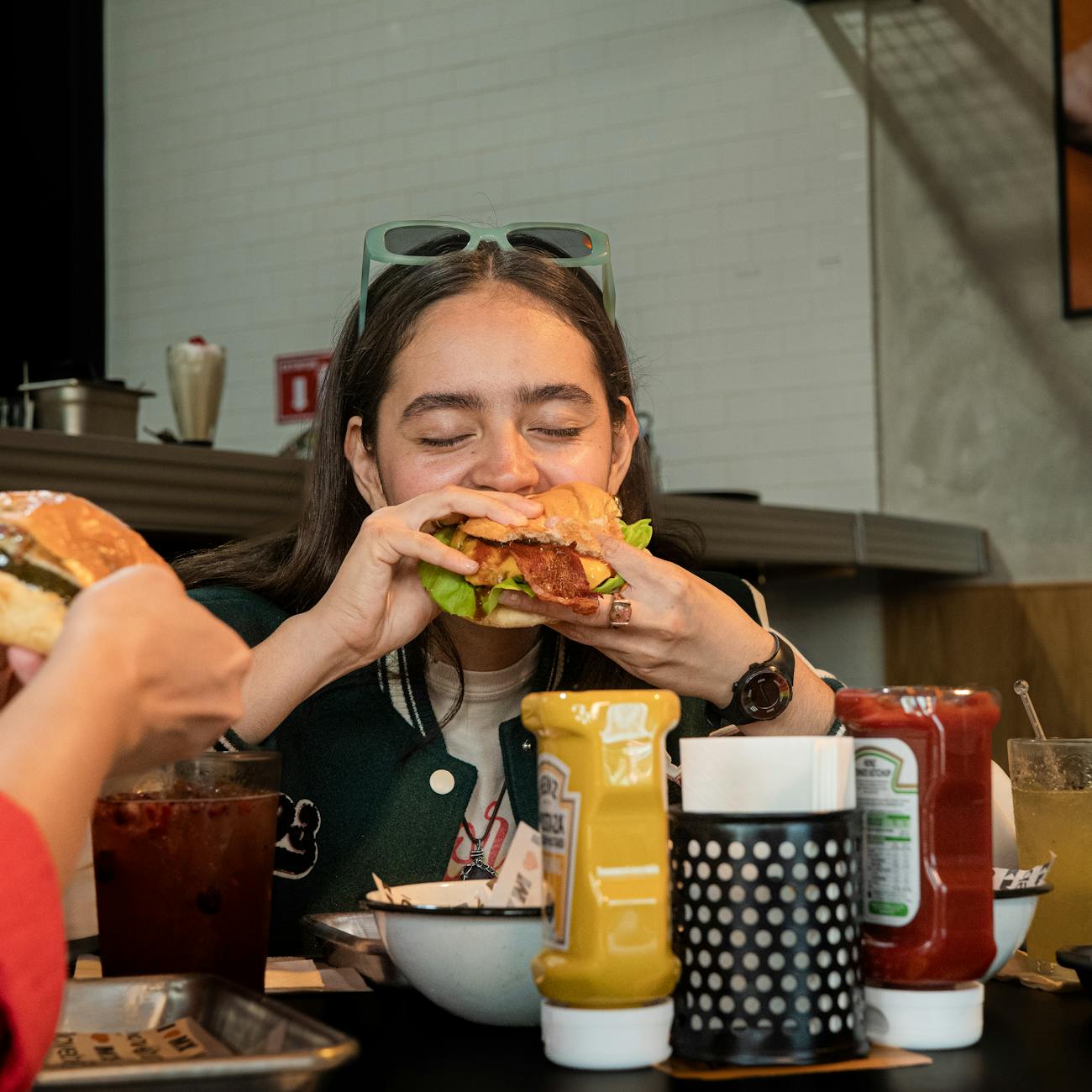
Taste Perception and Psychology are essential components of food flavor design, influencing how individuals experience and interact with food. Understanding the key terms and vocabulary associated with taste perception and psychology is crucial for professionals in the field of AI-enhanced food flavor design. In this course, we will explore these concepts in depth to enhance your knowledge and skills in creating innovative and appealing food products.
**1. Taste Perception:**
Taste perception refers to the process by which our taste buds detect and interpret the flavors of food. The sense of taste is one of the five primary senses and plays a vital role in how we experience food. There are five basic tastes that our taste buds can detect: sweet, sour, salty, bitter, and umami.
- **Sweet:** Sweet taste is often associated with sugars and is perceived as pleasant and rewarding. It can be found in foods like fruits, desserts, and candies. - **Sour:** Sour taste is typically associated with acidic foods like lemons, vinegar, and yogurt. It adds a tangy and refreshing flavor to dishes. - **Salty:** Salty taste is derived from salts and minerals and is often used to enhance the flavor of foods. It can be found in snacks, processed foods, and sauces. - **Bitter:** Bitter taste is often associated with toxins and can be perceived as unpleasant. However, some people enjoy bitter flavors found in foods like coffee, dark chocolate, and leafy greens. - **Umami:** Umami is a savory taste that is often described as meaty or brothy. It can be found in foods like tomatoes, mushrooms, and soy sauce.
**2. Flavor Perception:**
Flavor perception is a complex process that combines taste, smell, texture, temperature, and other sensory cues to create a holistic experience of food. While taste refers to the basic sensations detected by the taste buds, flavor encompasses a broader range of sensory inputs that contribute to our overall perception of food.
- **Smell:** The sense of smell, or olfaction, plays a significant role in flavor perception. The aroma of food can influence how we perceive its taste, often enhancing or altering our sensory experience. - **Texture:** The texture of food, including factors like crunchiness, creaminess, and viscosity, can impact how we perceive flavor. Texture can affect the mouthfeel of food and contribute to overall enjoyment. - **Temperature:** The temperature of food can influence flavor perception, with hot and cold temperatures eliciting different sensory responses. For example, hot foods may enhance the perception of spiciness, while cold foods can provide a refreshing sensation. - **Color:** The color of food can also influence flavor perception, as visual cues can affect our expectations and preferences. Brightly colored foods may be perceived as more flavorful or appetizing. - **Sound:** The sound of food, such as the crunch of a potato chip or the sizzle of a steak, can also impact flavor perception. Auditory cues can contribute to our overall sensory experience of food.
**3. Sensory Evaluation:**
Sensory evaluation is a scientific method used to assess and analyze the sensory properties of food products. It involves trained panelists or consumers evaluating food samples based on various sensory attributes, such as taste, aroma, texture, and appearance. Sensory evaluation helps food scientists and flavor designers understand consumer preferences and optimize product formulations.
- **Discrimination Testing:** Discrimination testing is a sensory evaluation method used to determine if there are perceptible differences between two or more samples. This can help identify subtle changes in flavor or quality. - **Descriptive Analysis:** Descriptive analysis is a sensory evaluation method where trained panelists describe and quantify the sensory attributes of a food product. This detailed information can be used to profile the flavor profile of a product. - **Preference Testing:** Preference testing is a sensory evaluation method used to assess consumer preferences for different food products. This can help determine which flavors or formulations are most appealing to target consumers. - **Temporal Methods:** Temporal methods are sensory evaluation techniques that assess how sensory attributes change over time. This can include measuring the intensity of flavors at different stages of eating or drinking.
**4. Flavor Chemistry:**
Flavor chemistry is the study of the chemical compounds responsible for the taste and aroma of food. These compounds interact with our taste buds and olfactory receptors to create the sensory experience of flavor. Understanding flavor chemistry is essential for designing food products with specific flavor profiles.
- **Volatile Compounds:** Volatile compounds are chemical compounds that evaporate easily and contribute to the aroma of food. These compounds are detected by our sense of smell and play a crucial role in flavor perception. - **Maillard Reaction:** The Maillard reaction is a chemical reaction between amino acids and reducing sugars that occurs during cooking and contributes to the browning and flavor development of foods. This reaction produces complex flavors and aromas. - **Isovaleric Acid:** Isovaleric acid is a volatile compound found in foods like cheese, beer, and wine. It has a strong cheesy or sweaty odor and can contribute to the overall flavor profile of fermented foods. - **Esters:** Esters are chemical compounds that contribute fruity or floral aromas to food. They are often found in fruits and are responsible for the characteristic scents of strawberries, bananas, and apples. - **Pyrazines:** Pyrazines are volatile compounds that contribute earthy, nutty, or roasted flavors to food. They are commonly found in roasted coffee, toasted bread, and grilled meats.
**5. Flavor Perception and Memory:**
Flavor perception is closely linked to memory, as our past experiences and associations with food can influence how we perceive flavor. Memories of previous meals, cultural traditions, and personal preferences can all impact our sensory experience of food.
- **Proustian Memory:** Proustian memory refers to the phenomenon where a sensory experience, such as taste or smell, triggers vivid memories and emotions. This concept is named after the French author Marcel Proust, who famously wrote about the memories evoked by a madeleine cookie dipped in tea. - **Contextual Cuing:** Contextual cuing is a cognitive process where environmental cues or associations influence how we perceive flavor. For example, the ambiance of a restaurant or the presentation of a dish can affect our expectations and enjoyment of the food. - **Flavor Pairing:** Flavor pairing is a culinary technique that involves combining ingredients based on their complementary or contrasting flavors. This can create harmonious flavor profiles or unexpected taste sensations. - **Cross-Modal Associations:** Cross-modal associations are connections between sensory modalities, such as taste, smell, and sight. For example, the color of a food can influence how we perceive its flavor, creating multisensory experiences.
**6. Psychological Factors in Taste Perception:**
Psychological factors play a significant role in taste perception, influencing how we perceive and respond to food flavors. Our emotions, memories, beliefs, and expectations can all impact our sensory experience of food and influence our food choices.
- **Emotional Eating:** Emotional eating is the practice of consuming food in response to emotions, such as stress, sadness, or happiness. Emotional states can influence our food preferences and cravings, leading to changes in taste perception. - **Cultural Influences:** Cultural factors, including traditions, customs, and social norms, can influence our taste preferences and flavor perceptions. Different cultures may have unique flavor profiles and culinary traditions that shape how individuals experience food. - **Expectation Bias:** Expectation bias is a cognitive bias where prior expectations or beliefs influence how we perceive sensory stimuli. For example, if we expect a food to be sweet or spicy based on its appearance, we may perceive those flavors more intensely. - **Neophobia:** Neophobia is the fear or aversion to trying new foods. This can impact taste perception and limit individuals' willingness to explore different flavors or cuisines.
**7. Challenges in Flavor Design:**
Creating innovative and appealing food flavors presents several challenges for food scientists and flavor designers. Understanding these challenges is essential for developing successful products that resonate with consumers and meet market demands.
- **Clean Label Formulation:** Clean label formulation involves using natural ingredients and avoiding artificial additives in food products. This can present challenges in achieving desired flavor profiles while meeting consumer preferences for clean and transparent labeling. - **Health and Wellness Trends:** Health and wellness trends, such as reduced sugar, low sodium, and plant-based diets, can influence flavor design. Balancing taste, nutrition, and consumer preferences is essential in developing healthier food products. - **Global Flavor Preferences:** Globalization has led to an increasing demand for diverse and international flavors. Understanding global flavor preferences and adapting products to different cultural tastes can be a challenge for flavor designers. - **Personalization and Customization:** Personalization and customization of food products to meet individual preferences is a growing trend in the food industry. Developing personalized flavor profiles and catering to niche markets can be complex and require advanced sensory analysis techniques.
In conclusion, taste perception and psychology are integral aspects of AI-enhanced food flavor design, influencing how consumers experience and enjoy food products. By understanding the key terms and vocabulary associated with taste perception and psychology, professionals in the field can enhance their knowledge and skills in creating innovative and appealing flavors. Through sensory evaluation, flavor chemistry, and an awareness of psychological factors, food scientists and flavor designers can develop products that resonate with consumers and meet market demands. By addressing the challenges in flavor design and staying abreast of industry trends, professionals can create unique and successful food products that delight consumers around the world.
Key takeaways
- Understanding the key terms and vocabulary associated with taste perception and psychology is crucial for professionals in the field of AI-enhanced food flavor design.
- Taste perception refers to the process by which our taste buds detect and interpret the flavors of food.
- - **Salty:** Salty taste is derived from salts and minerals and is often used to enhance the flavor of foods.
- While taste refers to the basic sensations detected by the taste buds, flavor encompasses a broader range of sensory inputs that contribute to our overall perception of food.
- - **Temperature:** The temperature of food can influence flavor perception, with hot and cold temperatures eliciting different sensory responses.
- It involves trained panelists or consumers evaluating food samples based on various sensory attributes, such as taste, aroma, texture, and appearance.
- - **Discrimination Testing:** Discrimination testing is a sensory evaluation method used to determine if there are perceptible differences between two or more samples.