
Quality Control in Flavor Production
Quality Control in Flavor Production is a critical aspect of ensuring consistency and excellence in the creation of food products. This process involves monitoring and evaluating various factors to guarantee that the flavors meet specific s…
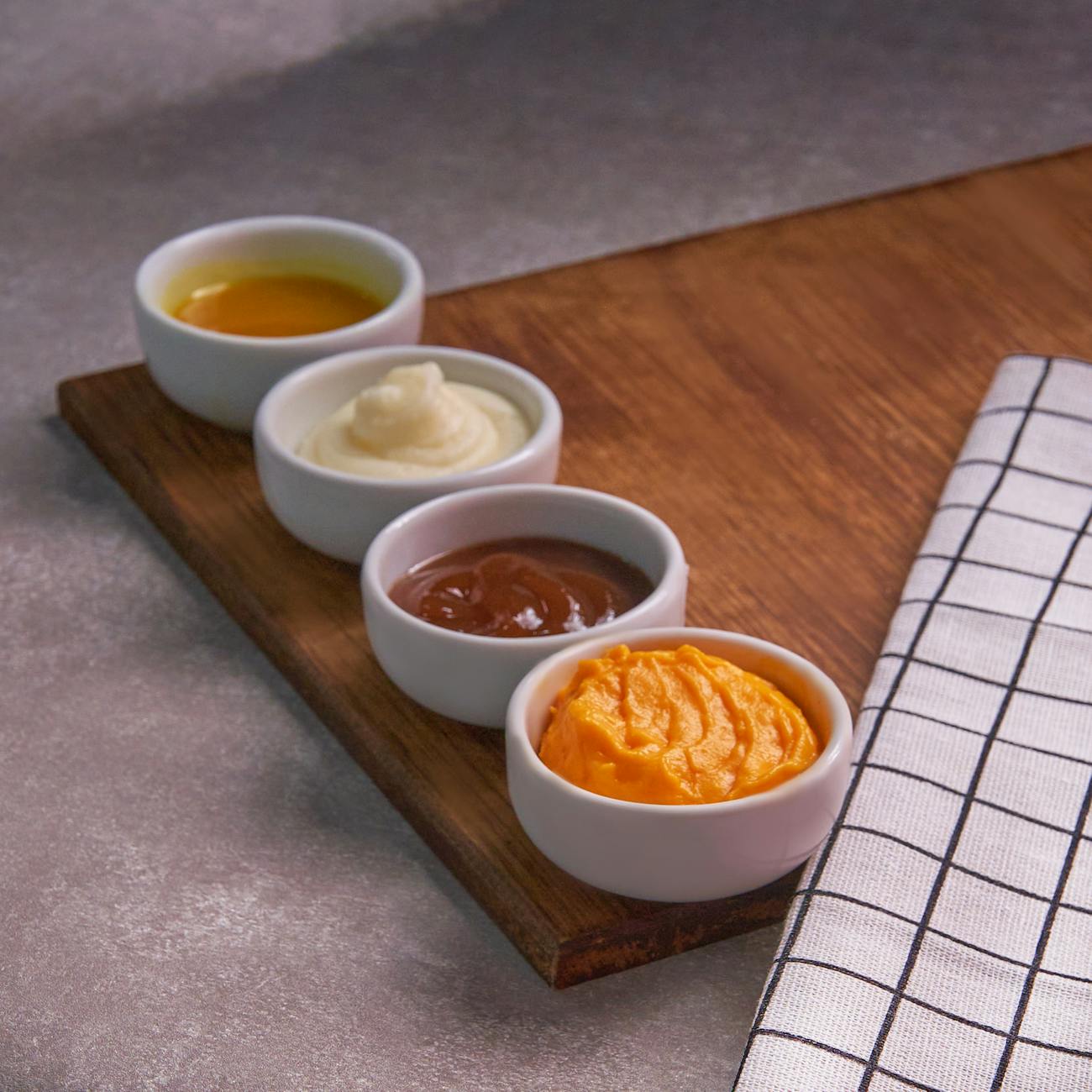
Quality Control in Flavor Production is a critical aspect of ensuring consistency and excellence in the creation of food products. This process involves monitoring and evaluating various factors to guarantee that the flavors meet specific standards and requirements. To effectively implement Quality Control in Flavor Production, it is essential to understand key terms and vocabulary associated with this field. Below are some of the most important terms that are commonly used in Quality Control in Flavor Production:
1. **Flavor Profile**: The combination of different taste and aroma components that make up the overall flavor of a food product. This includes attributes such as sweetness, bitterness, acidity, and various aromatic notes.
2. **Sensory Evaluation**: The process of assessing the sensory properties of a food product, including taste, aroma, texture, and appearance. This evaluation is usually conducted by trained panelists who use their senses to detect and describe the characteristics of the product.
3. **Threshold**: The minimum concentration of a flavor compound that can be perceived by the human senses. Understanding the threshold levels of different compounds is crucial for determining the optimal dosage in food products.
4. **Off-flavor**: Undesirable or unpleasant flavors that can result from various factors such as improper storage, processing, or ingredient quality. Off-flavors can negatively impact the overall quality of a food product.
5. **Batch Variation**: Differences in flavor intensity or quality between batches of a product. Batch-to-batch consistency is essential in flavor production to ensure that consumers have a consistent experience with the product.
6. **Standard Operating Procedure (SOP)**: Detailed instructions that outline the steps to be followed in a specific process or task. SOPs are crucial in flavor production to ensure consistency and quality control in every stage of the production process.
7. **Gas Chromatography-Mass Spectrometry (GC-MS)**: An analytical technique used to separate and identify individual chemical compounds in a sample. GC-MS is commonly used in flavor analysis to identify the specific compounds responsible for the aroma and taste of a food product.
8. **Head Space Analysis**: A technique used to analyze the volatile compounds present in the headspace of a sample. This method is often used in flavor production to identify the aroma compounds that contribute to the overall flavor of a product.
9. **Organoleptic Testing**: Evaluating the sensory properties of a food product through the use of human senses. Organoleptic testing is essential in flavor production to ensure that the product meets the desired flavor profile and quality standards.
10. **Shelf Life**: The length of time a food product can be stored under specified conditions while maintaining its quality and safety. Monitoring the shelf life of flavored products is crucial in quality control to ensure that consumers receive products that meet freshness and taste expectations.
11. **Quality Assurance**: The process of ensuring that products meet specific quality standards and regulatory requirements. Quality assurance measures are implemented throughout the flavor production process to prevent defects and ensure consistency in product quality.
12. **Taste Panel**: A group of trained individuals who evaluate the taste properties of food products. Taste panels play a crucial role in flavor production by providing feedback on flavor profiles, intensity, and overall sensory experience.
13. **Certified Flavorist**: A professional who is trained and certified in the art and science of flavor creation. Certified flavorists play a key role in developing new flavor formulations and ensuring that products meet quality and regulatory standards.
14. **Traceability**: The ability to track the origin and history of ingredients, processes, and products throughout the supply chain. Traceability is important in flavor production to ensure transparency, quality control, and compliance with regulations.
15. **Dilution**: The process of reducing the concentration of a flavor compound by adding a solvent or carrier. Dilution is commonly used in flavor production to adjust the intensity of flavors and achieve the desired taste profile in the final product.
16. **Batch Sampling**: The process of collecting samples from a batch of finished product for testing and analysis. Batch sampling is essential in quality control to monitor the consistency and quality of flavor products before they are released to the market.
17. **Internal Audits**: Regular assessments conducted within a company to evaluate compliance with quality standards, procedures, and regulations. Internal audits help identify areas for improvement and ensure that quality control measures are effectively implemented in flavor production.
18. **Spectrophotometry**: An analytical technique used to measure the absorption or emission of light by a sample. Spectrophotometry is commonly used in flavor production to analyze color, clarity, and other visual properties of food products.
19. **Hazard Analysis and Critical Control Points (HACCP)**: A systematic approach to identifying and controlling potential hazards in food production. HACCP is an essential part of quality control in flavor production to ensure food safety and prevent contamination of products.
20. **Purity**: The degree to which a flavor compound is free from impurities or contaminants. Ensuring the purity of flavor ingredients is essential in flavor production to maintain the quality and safety of the final product.
21. **Microbiological Testing**: Analyzing the presence of microorganisms such as bacteria, yeast, and mold in food products. Microbiological testing is essential in flavor production to ensure that products are safe for consumption and free from harmful pathogens.
22. **Quality Control Plan**: A documented plan that outlines the procedures, standards, and responsibilities for ensuring product quality. A quality control plan is essential in flavor production to establish clear guidelines and processes for maintaining consistency and quality in products.
23. **Sensory Analysis**: The scientific evaluation of the sensory properties of food products using human senses. Sensory analysis plays a crucial role in flavor production by providing valuable insights into consumer preferences, product quality, and flavor characteristics.
24. **Statistical Process Control (SPC)**: A method of monitoring and controlling production processes to ensure that products meet quality standards. SPC is commonly used in flavor production to detect variations, identify trends, and make data-driven decisions to improve quality.
25. **Flavor Stability**: The ability of a flavor compound to maintain its sensory characteristics over time and under different storage conditions. Ensuring flavor stability is essential in flavor production to prevent changes in taste, aroma, and overall quality of products.
26. **Regulatory Compliance**: Adherence to laws, regulations, and standards set by government authorities or industry organizations. Regulatory compliance is crucial in flavor production to ensure that products meet safety, labeling, and quality requirements.
27. **Calibration**: The process of adjusting and verifying the accuracy of measuring instruments or equipment. Calibration is essential in quality control to ensure that instruments used in flavor production provide reliable and consistent results.
28. **Analytical Methods**: Techniques and procedures used to analyze and quantify the chemical composition of food products. Analytical methods are essential in flavor production to assess the quality, authenticity, and safety of products.
29. **Flavor Development**: The process of creating new and unique flavor profiles for food products. Flavor development involves experimenting with different ingredients, formulations, and techniques to achieve the desired taste and aroma characteristics.
30. **Quality Control Inspector**: A professional responsible for inspecting, testing, and monitoring products to ensure they meet quality standards. Quality control inspectors play a crucial role in flavor production by identifying defects, deviations, and areas for improvement in products.
31. **Sensory Threshold**: The minimum concentration of a flavor compound that can be detected by the human senses. Understanding sensory thresholds is essential in flavor production to determine the optimal levels of flavor compounds in products.
32. **Flavor Enhancers**: Ingredients or compounds that are added to food products to enhance or intensify their flavor. Flavor enhancers are commonly used in flavor production to improve taste, aroma, and overall sensory experience of products.
33. **Flavor Masking**: The process of reducing or neutralizing undesirable flavors in a product. Flavor masking is used in flavor production to improve the overall taste and consumer acceptance of products by minimizing off-flavors or aftertastes.
34. **Cost of Quality**: The total cost incurred by a company to ensure product quality and prevent defects. The cost of quality includes expenses related to prevention, appraisal, and failure, and is an important consideration in flavor production to maintain efficiency and competitiveness.
35. **Flavor Stability Testing**: Evaluating the changes in flavor characteristics of a product over time and under different storage conditions. Flavor stability testing is essential in quality control to ensure that products maintain their sensory properties and quality throughout their shelf life.
36. **Spectroscopy**: An analytical technique used to analyze the interaction of matter with electromagnetic radiation. Spectroscopy is commonly used in flavor production to identify and quantify flavor compounds based on their unique spectral characteristics.
37. **Quality Control Analyst**: A professional responsible for conducting quality control tests, analyzing data, and ensuring that products meet quality standards. Quality control analysts play a crucial role in flavor production by monitoring and evaluating product quality at various stages of production.
38. **Flavor Extraction**: The process of obtaining flavor compounds from natural sources such as fruits, herbs, and spices. Flavor extraction is a key step in flavor production to capture and preserve the aromatic and taste components of raw materials.
39. **Flavor Intensity**: The strength or concentration of a flavor compound in a product. Flavor intensity is an important consideration in flavor production to achieve the desired taste profile and sensory experience in products.
40. **Flavor Formulation**: The recipe or combination of flavor compounds used to create a specific flavor profile. Flavor formulation involves selecting and blending different ingredients to achieve the desired taste, aroma, and overall sensory characteristics in a product.
By familiarizing yourself with these key terms and vocabulary related to Quality Control in Flavor Production, you will be better equipped to understand and apply the principles and practices essential for ensuring the quality and consistency of food products. Mastering these concepts will help you navigate the complexities of flavor production, identify challenges, and implement effective quality control measures to deliver exceptional products that meet consumer expectations and regulatory requirements.
Key takeaways
- To effectively implement Quality Control in Flavor Production, it is essential to understand key terms and vocabulary associated with this field.
- **Flavor Profile**: The combination of different taste and aroma components that make up the overall flavor of a food product.
- **Sensory Evaluation**: The process of assessing the sensory properties of a food product, including taste, aroma, texture, and appearance.
- Understanding the threshold levels of different compounds is crucial for determining the optimal dosage in food products.
- **Off-flavor**: Undesirable or unpleasant flavors that can result from various factors such as improper storage, processing, or ingredient quality.
- Batch-to-batch consistency is essential in flavor production to ensure that consumers have a consistent experience with the product.
- **Standard Operating Procedure (SOP)**: Detailed instructions that outline the steps to be followed in a specific process or task.