
Remote Sensing Applications in Agriculture
Remote Sensing Applications in Agriculture
Remote Sensing Applications in Agriculture
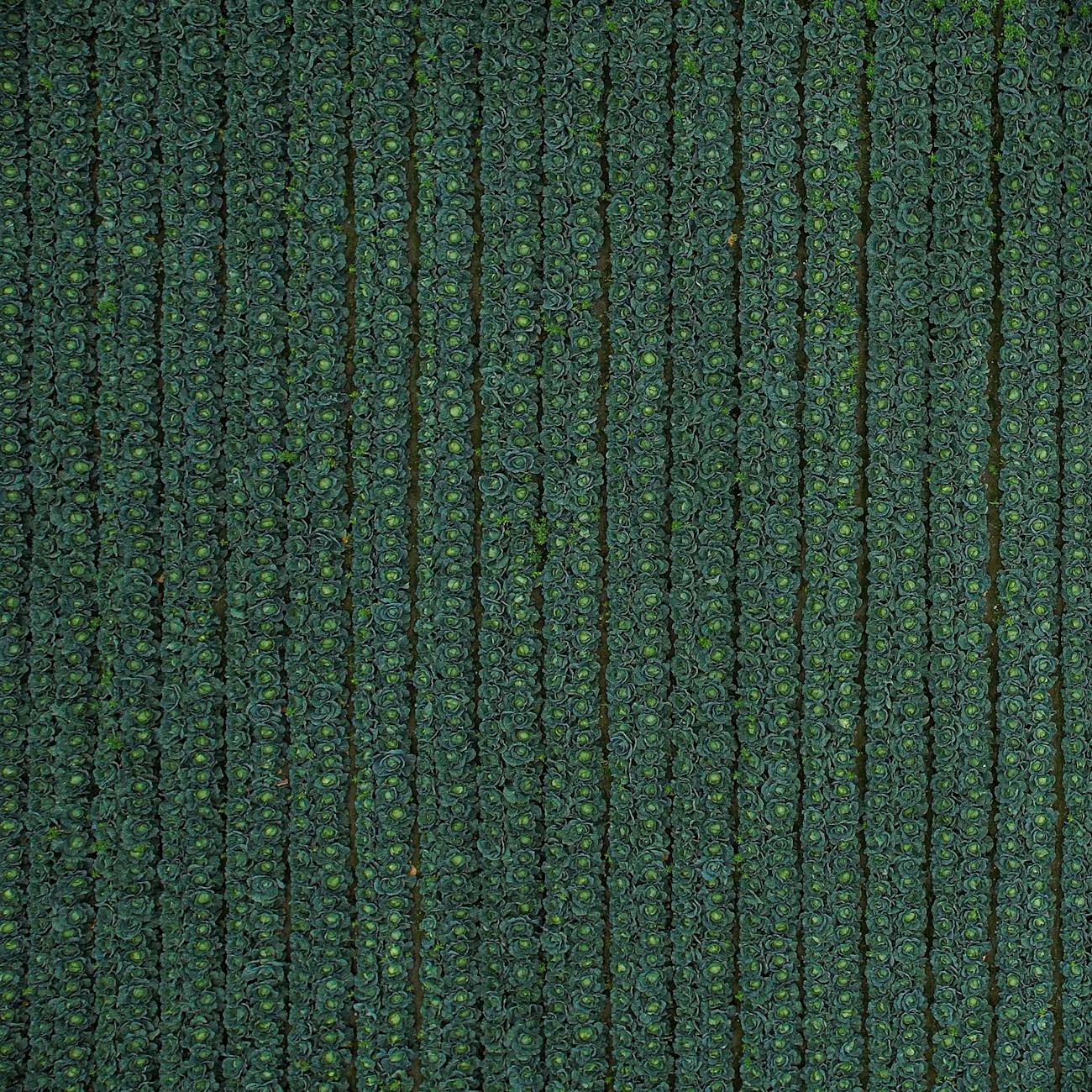
Remote sensing is a powerful tool that has revolutionized the way agriculture is practiced. By utilizing various sensors mounted on satellites, drones, or other platforms, remote sensing allows for the collection of data without direct physical contact with the object or area being studied. In agriculture, this technology has found numerous applications that have significantly improved efficiency, productivity, and sustainability in the industry.
Key Terms and Vocabulary
1. Remote Sensing: Refers to the process of collecting data about an object or area from a distance, typically using sensors mounted on satellites, drones, or aircraft.
2. Agriculture: The practice of cultivating land, raising crops, and rearing animals for food, fiber, and other products.
3. Precision Agriculture: An approach to farming that utilizes technology, such as remote sensing, to optimize inputs and maximize yields while minimizing waste.
4. Artificial Intelligence (AI): The simulation of human intelligence processes by machines, typically used to analyze large datasets and make predictions or decisions.
5. Satellite: An artificial object placed in orbit around the Earth to collect data and transmit it back to Earth.
6. Drone: An unmanned aerial vehicle (UAV) that can be equipped with sensors to collect data from the air.
7. Sensor: A device that detects or measures a physical property and records or transmits the information.
8. Vegetation Index: A numerical value that quantifies the health or vigor of vegetation based on reflectance measurements.
9. NDVI (Normalized Difference Vegetation Index): A commonly used vegetation index that measures the amount of green vegetation in an area.
10. Crop Yield Prediction: The estimation of the amount of crops that will be harvested from a given area based on various factors such as weather, soil conditions, and management practices.
11. Soil Moisture Monitoring: The measurement of the amount of water in the soil, which is crucial for determining irrigation needs and predicting crop health.
12. Crop Health Monitoring: The assessment of the condition of crops using remote sensing data to detect diseases, pests, or nutrient deficiencies.
13. Land Use Classification: The categorization of land cover types based on remote sensing data to understand patterns and changes in land use over time.
14. Irrigation Management: The optimization of water use in agriculture to ensure crops receive the right amount of water at the right time.
15. Variable Rate Application (VRA): The practice of applying inputs, such as fertilizers or pesticides, at varying rates across a field based on spatial variability.
16. Data Fusion: The process of combining data from multiple sources, such as satellite imagery and ground-based sensors, to create a more comprehensive dataset.
17. Spectral Signature: The unique pattern of reflectance or emission of electromagnetic radiation by an object or material, which can be used to identify and classify objects.
18. Machine Learning: A subset of AI that enables computers to learn from data and make predictions or decisions without being explicitly programmed.
19. Hyperspectral Imaging: A technique that captures images at many narrow spectral bands, allowing for detailed analysis of the electromagnetic spectrum.
20. Time Series Analysis: The examination of data collected over time to identify trends, patterns, or anomalies.
Practical Applications
Remote sensing applications in agriculture have a wide range of practical uses that benefit farmers, researchers, and policymakers. These applications provide valuable information for decision-making, monitoring, and managing agricultural systems. Here are some practical applications of remote sensing in agriculture:
1. Crop Monitoring: Remote sensing can be used to monitor crop growth, health, and development throughout the growing season. By analyzing satellite imagery or drone data, farmers can track the progress of their crops, detect stress factors early on, and make informed decisions about irrigation, fertilization, and pest control.
2. Precision Farming: Remote sensing enables farmers to apply inputs, such as fertilizers or pesticides, precisely where they are needed. By using data on soil moisture, vegetation health, and other factors, farmers can create prescription maps for variable rate application, reducing costs and minimizing environmental impact.
3. Disease Detection: Remote sensing can help identify diseases, pests, or nutrient deficiencies in crops before they become widespread. By analyzing multispectral or hyperspectral imagery, farmers can detect subtle changes in plant health and take timely action to prevent yield losses.
4. Water Management: Remote sensing data can be used to monitor soil moisture levels, track water use efficiency, and optimize irrigation practices. By analyzing satellite images or thermal data, farmers can adjust irrigation schedules, prevent water stress, and conserve water resources.
5. Yield Prediction: Remote sensing can help predict crop yields by analyzing data on crop health, weather conditions, and other variables. By combining satellite imagery with weather forecasts and historical data, farmers can estimate potential yields and make informed decisions about harvest timing and marketing.
Challenges
While remote sensing offers many benefits for agriculture, there are also challenges and limitations that need to be addressed to maximize its potential. Some of the key challenges include:
1. Data Interpretation: Remote sensing data can be complex and require specialized knowledge to interpret accurately. Farmers and agronomists may need training to understand how to analyze and apply remote sensing information effectively.
2. Data Quality: The quality of remote sensing data can vary depending on factors such as sensor resolution, atmospheric conditions, and processing techniques. Ensuring data accuracy and consistency is essential for making reliable decisions in agriculture.
3. Cost: Acquiring and processing remote sensing data can be expensive, especially for small-scale farmers or resource-constrained regions. Finding cost-effective solutions and accessing funding sources are important considerations for widespread adoption of remote sensing technologies.
4. Integration with Existing Systems: Integrating remote sensing technologies with existing farm management systems or practices can be challenging. Farmers may need support in integrating remote sensing data with other data sources, such as weather records or soil maps, to make informed decisions.
5. Regulatory and Legal Issues: There may be regulatory or legal barriers to using remote sensing data in agriculture, such as restrictions on data sharing or privacy concerns. Addressing these issues and ensuring compliance with regulations is crucial for the ethical and responsible use of remote sensing technologies.
Conclusion
In conclusion, remote sensing applications in agriculture offer a wide range of benefits for farmers, researchers, and policymakers. By leveraging the power of satellite imagery, drones, and other sensors, remote sensing technology provides valuable insights into crop monitoring, precision farming, disease detection, water management, and yield prediction. While there are challenges and limitations to overcome, such as data interpretation, quality, cost, integration, and regulatory issues, the potential of remote sensing in agriculture is vast. With continued innovation, research, and collaboration, remote sensing will continue to play a crucial role in advancing the sustainability, productivity, and resilience of agricultural systems worldwide.
Key takeaways
- By utilizing various sensors mounted on satellites, drones, or other platforms, remote sensing allows for the collection of data without direct physical contact with the object or area being studied.
- Remote Sensing: Refers to the process of collecting data about an object or area from a distance, typically using sensors mounted on satellites, drones, or aircraft.
- Agriculture: The practice of cultivating land, raising crops, and rearing animals for food, fiber, and other products.
- Precision Agriculture: An approach to farming that utilizes technology, such as remote sensing, to optimize inputs and maximize yields while minimizing waste.
- Artificial Intelligence (AI): The simulation of human intelligence processes by machines, typically used to analyze large datasets and make predictions or decisions.
- Satellite: An artificial object placed in orbit around the Earth to collect data and transmit it back to Earth.
- Drone: An unmanned aerial vehicle (UAV) that can be equipped with sensors to collect data from the air.