
Marine Pollution Prevention and Control
Marine Pollution Prevention and Control involves a range of strategies and measures to reduce the impact of human activities on the marine environment. This course aims to provide a comprehensive understanding of key terms and vocabulary re…
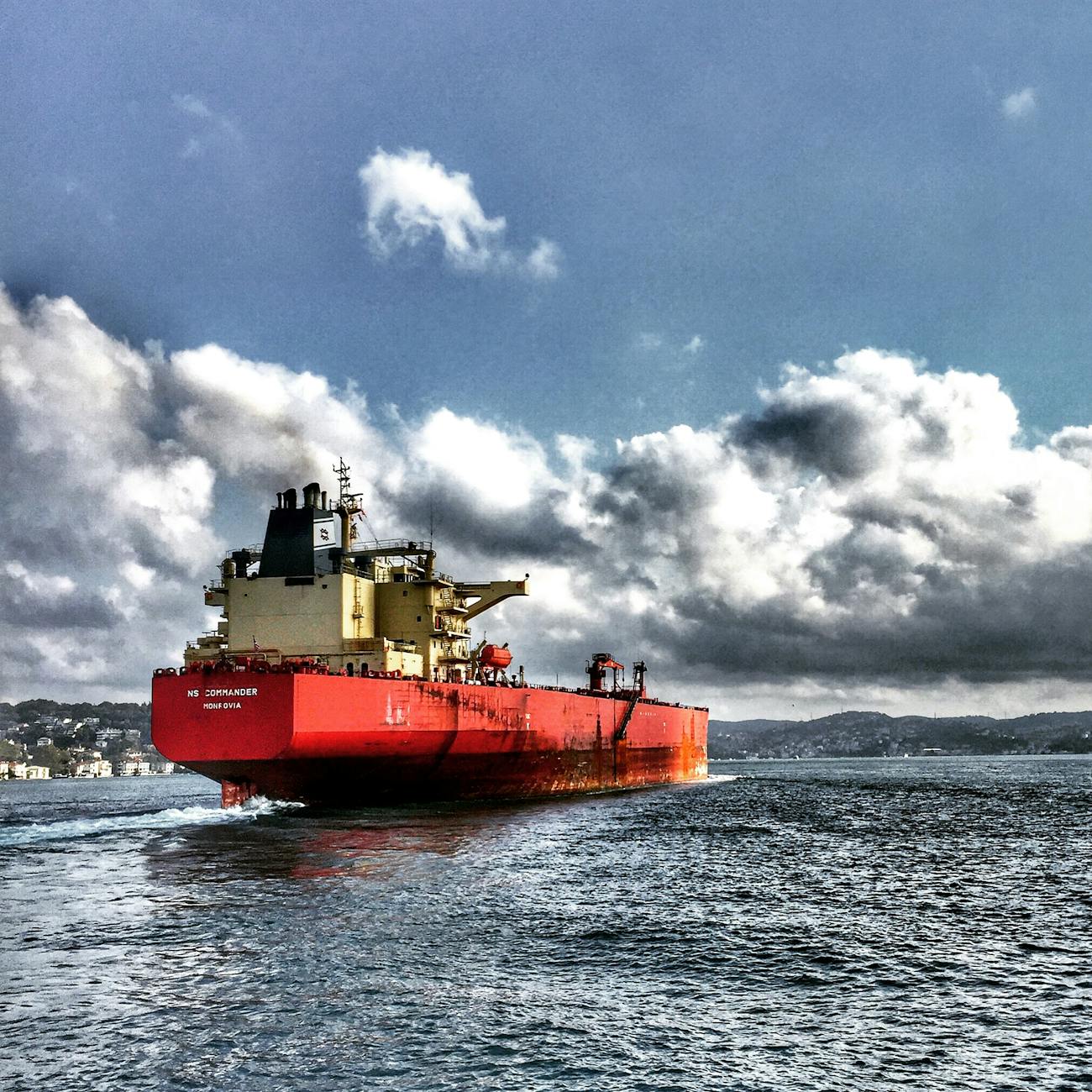
Marine Pollution Prevention and Control involves a range of strategies and measures to reduce the impact of human activities on the marine environment. This course aims to provide a comprehensive understanding of key terms and vocabulary related to this important field of study.
1. **Marine Pollution**: Marine pollution refers to the introduction of harmful substances or contaminants into the marine environment. This can include oil spills, chemical pollutants, plastics, and other waste materials that can have detrimental effects on marine life and ecosystems.
2. **Pollutants**: Pollutants are substances that are introduced into the environment and cause harm. In the context of marine pollution, pollutants can include heavy metals, pesticides, sewage, plastic debris, and oil.
3. **Sources of Marine Pollution**: There are various sources of marine pollution, including: - **Point sources**: These are specific, identifiable sources of pollution, such as industrial discharges or sewage outfalls. - **Non-point sources**: These are diffuse sources of pollution, such as runoff from agricultural fields or urban areas.
4. **Types of Marine Pollution**: - **Oil Pollution**: Oil spills from ships or offshore drilling platforms can have devastating effects on marine ecosystems. Oil can coat marine animals and birds, leading to suffocation, poisoning, and other harmful effects. - **Plastic Pollution**: Plastic debris in the ocean can harm marine animals through ingestion or entanglement. Microplastics, tiny plastic particles, can also pose a threat to marine life. - **Chemical Pollution**: Industrial chemicals, pesticides, and other toxic substances can contaminate marine environments, affecting the health of marine organisms. - **Sewage Pollution**: Untreated sewage can introduce pathogens and nutrients into the marine environment, leading to water quality degradation and harmful algal blooms.
5. **Impact of Marine Pollution**: Marine pollution can have severe consequences for marine ecosystems and human health. It can lead to: - **Loss of Biodiversity**: Pollution can harm marine species, leading to declines in populations and loss of biodiversity. - **Health Risks**: Contaminated seafood or polluted waters can pose health risks to humans who rely on marine resources for food or recreation. - **Economic Losses**: Pollution can impact fisheries, tourism, and other marine-related industries, leading to economic losses for communities.
6. **International Conventions and Agreements**: - **MARPOL**: The International Convention for the Prevention of Pollution from Ships (MARPOL) is the primary international treaty addressing marine pollution from ships. It sets out regulations for the prevention of pollution by oil, chemicals, sewage, and other substances. - **London Convention**: The London Convention is an international treaty that regulates the dumping of wastes at sea. It aims to prevent marine pollution by controlling the disposal of wastes in the marine environment. - **Basel Convention**: The Basel Convention is an international treaty that addresses the transboundary movement and disposal of hazardous wastes. It aims to minimize the generation and disposal of hazardous wastes to protect human health and the environment.
7. **Best Management Practices (BMPs)**: Best Management Practices are strategies and techniques used to minimize the impact of human activities on the marine environment. Examples of BMPs include: - **Ballast Water Management**: Ships can implement ballast water management practices to prevent the transfer of invasive species between different marine environments. - **Waste Management**: Proper waste management practices on ships and at ports can help reduce the amount of pollutants entering the marine environment. - **Spill Response Plans**: Establishing spill response plans can help mitigate the impact of oil spills and other pollution incidents on marine ecosystems.
8. **Environmental Monitoring**: Environmental monitoring involves the collection and analysis of data to assess the health of the marine environment and track changes over time. Monitoring can include: - **Water Quality Monitoring**: Monitoring parameters such as dissolved oxygen, pH, and nutrient levels can help assess the health of marine ecosystems. - **Biological Monitoring**: Monitoring the abundance and distribution of marine species can provide insights into the impact of pollution on marine biodiversity. - **Contaminant Monitoring**: Analyzing the levels of pollutants in water, sediments, and biota can help identify sources of pollution and assess the effectiveness of pollution control measures.
9. **Risk Assessment**: Risk assessment is a process used to evaluate the potential risks associated with specific activities or substances. In the context of marine pollution prevention and control, risk assessment can help: - Identify potential sources of pollution and their impact on marine ecosystems. - Evaluate the effectiveness of pollution control measures. - Inform decision-making to minimize the risks of marine pollution.
10. **Ecological Risk Management**: Ecological risk management involves the development and implementation of strategies to protect marine ecosystems from the impacts of pollution. This can include: - Implementing habitat restoration projects to enhance the resilience of marine ecosystems. - Establishing marine protected areas to safeguard critical habitats and species. - Promoting sustainable practices to reduce the overall impact of human activities on the marine environment.
11. **Challenges in Marine Pollution Prevention and Control**: - **Lack of Enforcement**: In some cases, regulations and guidelines for marine pollution prevention may not be effectively enforced, leading to continued pollution. - **Complexity of Pollution Sources**: Identifying and addressing the multiple sources of marine pollution can be challenging, especially when pollutants come from a variety of different activities and industries. - **Global Nature of the Issue**: Marine pollution is a global problem that requires international cooperation and coordination to address effectively.
12. **Case Studies**: - **Deepwater Horizon Oil Spill**: The Deepwater Horizon oil spill in 2010 released millions of barrels of oil into the Gulf of Mexico, causing extensive damage to marine ecosystems and coastal communities. - **Great Pacific Garbage Patch**: The Great Pacific Garbage Patch is a vast area of marine debris in the North Pacific Ocean, primarily consisting of plastics. This accumulation of trash highlights the global issue of plastic pollution in the oceans.
13. **Conclusion**: Marine pollution prevention and control are critical for safeguarding the health of marine ecosystems and the well-being of human communities that rely on the ocean. By implementing effective strategies and measures, we can work together to reduce the impact of pollution and protect the marine environment for future generations.
Key takeaways
- Marine Pollution Prevention and Control involves a range of strategies and measures to reduce the impact of human activities on the marine environment.
- This can include oil spills, chemical pollutants, plastics, and other waste materials that can have detrimental effects on marine life and ecosystems.
- In the context of marine pollution, pollutants can include heavy metals, pesticides, sewage, plastic debris, and oil.
- **Sources of Marine Pollution**: There are various sources of marine pollution, including: - **Point sources**: These are specific, identifiable sources of pollution, such as industrial discharges or sewage outfalls.
- - **Sewage Pollution**: Untreated sewage can introduce pathogens and nutrients into the marine environment, leading to water quality degradation and harmful algal blooms.
- - **Health Risks**: Contaminated seafood or polluted waters can pose health risks to humans who rely on marine resources for food or recreation.
- **International Conventions and Agreements**: - **MARPOL**: The International Convention for the Prevention of Pollution from Ships (MARPOL) is the primary international treaty addressing marine pollution from ships.