
Sustainable Maritime Practices
Sustainable Maritime Practices
Sustainable Maritime Practices
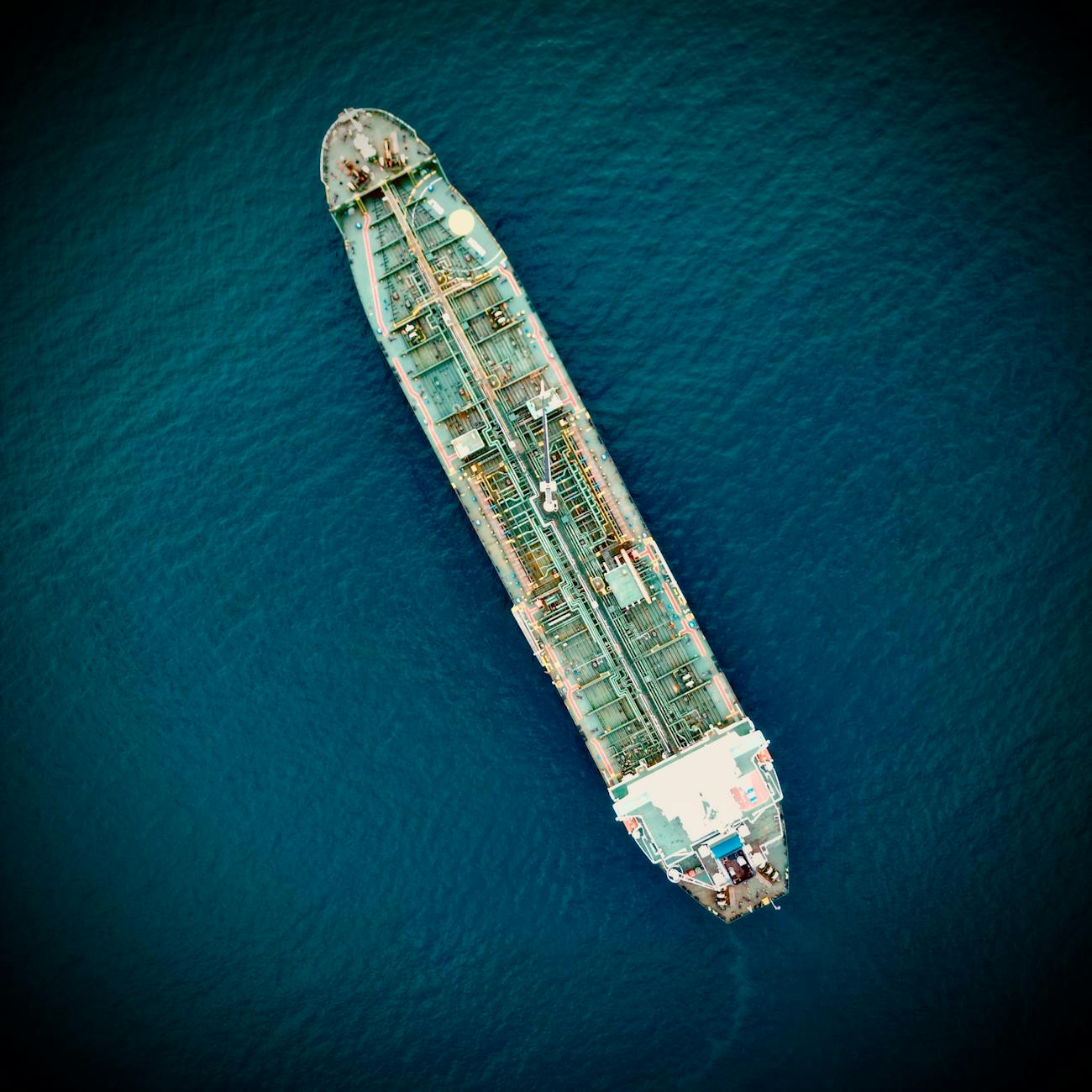
Sustainable maritime practices refer to the environmentally conscious and socially responsible methods and strategies employed in the marine industry to ensure the long-term health and viability of marine ecosystems and resources. These practices aim to minimize negative impacts on the environment while maximizing economic benefits and social welfare. By adopting sustainable maritime practices, stakeholders in the maritime sector can contribute to the conservation of marine biodiversity, reduce pollution, and promote the efficient use of resources.
Maritime Environment Management
Maritime environment management involves the planning, implementation, and monitoring of activities aimed at protecting and preserving the marine environment. This includes the development of policies, regulations, and best practices to address environmental challenges such as pollution, overfishing, habitat destruction, and climate change. Effective maritime environment management requires collaboration among governments, industry stakeholders, non-governmental organizations, and local communities to achieve sustainable outcomes.
Postgraduate Certificate
A postgraduate certificate is a specialized academic qualification awarded to individuals who have completed a specific course of study at the postgraduate level. In the context of advanced maritime environment management, a postgraduate certificate provides professionals with advanced knowledge and skills in environmental science, policy, and management related to the maritime industry. This credential demonstrates a high level of expertise and competency in addressing complex environmental issues in the marine sector.
Key Terms and Vocabulary
1. Marine Ecosystem: A complex network of interconnected marine organisms and their physical environment, including living (biotic) and non-living (abiotic) components such as water, sunlight, and nutrients.
2. Eutrophication: The excessive enrichment of water bodies with nutrients, leading to algal blooms, oxygen depletion, and ecosystem degradation.
3. Ballast Water Management: The control and treatment of ballast water to prevent the spread of invasive species and pathogens between different marine environments.
4. Marine Spatial Planning: A process that organizes and regulates human activities in the marine environment to achieve ecological, economic, and social objectives.
5. Marine Protected Area: A designated area of the ocean where human activities are restricted to conserve biodiversity, habitats, and ecosystems.
6. Blue Economy: An approach to sustainable development that promotes the responsible use of marine resources for economic growth, social inclusion, and environmental sustainability.
7. Carbon Footprint: The total amount of greenhouse gases emitted by an individual, organization, product, or activity, expressed in terms of carbon dioxide equivalents.
8. Renewable Energy: Energy derived from sources that are naturally replenished, such as sunlight, wind, waves, and tides, with minimal environmental impact.
9. Marine Spatial Data: Geographic information about the marine environment, including bathymetry, habitats, species distribution, and human activities.
10. Integrated Coastal Zone Management: A holistic approach to managing coastal areas that considers social, economic, and environmental factors to promote sustainability and resilience.
Examples of Sustainable Maritime Practices
1. Alternative Fuels: Switching from traditional fossil fuels to alternative fuels such as biofuels, hydrogen, or LNG can reduce greenhouse gas emissions and air pollution from maritime transport.
2. Offshore Wind Farms: Harnessing wind energy through offshore wind farms can provide renewable electricity while minimizing the environmental impact on marine ecosystems.
3. Marine Spatial Planning: Designating specific zones for shipping lanes, fishing grounds, and marine protected areas can help balance economic activities with environmental conservation.
4. Recycling and Waste Management: Proper disposal and recycling of waste materials generated by ships can prevent marine pollution and promote resource efficiency.
5. Green Ports: Implementing energy-efficient infrastructure, shore power connections, and waste management systems at ports can reduce the environmental footprint of port operations.
Practical Applications of Sustainable Maritime Practices
1. Maritime Pollution Control: Monitoring and regulating the discharge of pollutants from ships, such as oil, ballast water, and sewage, can mitigate the impact on water quality and marine ecosystems.
2. Fisheries Management: Implementing quotas, gear restrictions, and marine protected areas can help sustain fish stocks and promote sustainable fishing practices.
3. Climate Change Adaptation: Developing strategies to address sea-level rise, ocean acidification, and extreme weather events can enhance the resilience of coastal communities and infrastructure.
4. Marine Biodiversity Conservation: Establishing marine protected areas, habitat restoration projects, and species conservation programs can safeguard vulnerable marine species and ecosystems.
5. Community Engagement: Involving local communities, indigenous peoples, and stakeholders in decision-making processes can foster social acceptance and support for sustainable maritime practices.
Challenges in Implementing Sustainable Maritime Practices
1. Regulatory Compliance: Ensuring compliance with international conventions, national laws, and industry standards can be challenging due to varying interpretations and enforcement mechanisms.
2. Technological Innovation: Adopting new technologies and practices, such as emission control systems or alternative fuels, may require significant investment and expertise.
3. Data Collection and Analysis: Acquiring accurate and up-to-date marine spatial data, such as biodiversity surveys or pollution monitoring, can be costly and time-consuming.
4. Capacity Building: Developing the skills and knowledge of maritime professionals, policymakers, and stakeholders to implement sustainable practices effectively.
5. Public Awareness: Raising awareness among the general public, consumers, and decision-makers about the importance of sustainable maritime practices and the benefits of conservation.
Conclusion
In conclusion, sustainable maritime practices are essential for ensuring the health and resilience of marine ecosystems, promoting economic prosperity, and safeguarding the well-being of coastal communities. By incorporating key terms and vocabulary related to advanced maritime environment management, professionals can enhance their understanding of complex environmental issues and develop effective strategies to address them. Through practical applications and examples, stakeholders in the maritime sector can navigate the challenges of implementing sustainable practices and contribute to a more sustainable future for our oceans.
Key takeaways
- Sustainable maritime practices refer to the environmentally conscious and socially responsible methods and strategies employed in the marine industry to ensure the long-term health and viability of marine ecosystems and resources.
- Effective maritime environment management requires collaboration among governments, industry stakeholders, non-governmental organizations, and local communities to achieve sustainable outcomes.
- In the context of advanced maritime environment management, a postgraduate certificate provides professionals with advanced knowledge and skills in environmental science, policy, and management related to the maritime industry.
- Marine Ecosystem: A complex network of interconnected marine organisms and their physical environment, including living (biotic) and non-living (abiotic) components such as water, sunlight, and nutrients.
- Eutrophication: The excessive enrichment of water bodies with nutrients, leading to algal blooms, oxygen depletion, and ecosystem degradation.
- Ballast Water Management: The control and treatment of ballast water to prevent the spread of invasive species and pathogens between different marine environments.
- Marine Spatial Planning: A process that organizes and regulates human activities in the marine environment to achieve ecological, economic, and social objectives.