
International Drug Policies
International Drug Policies play a crucial role in governing the production, distribution, and consumption of drugs on a global scale. These policies are designed to address the challenges posed by drug abuse and trafficking, as well as to …
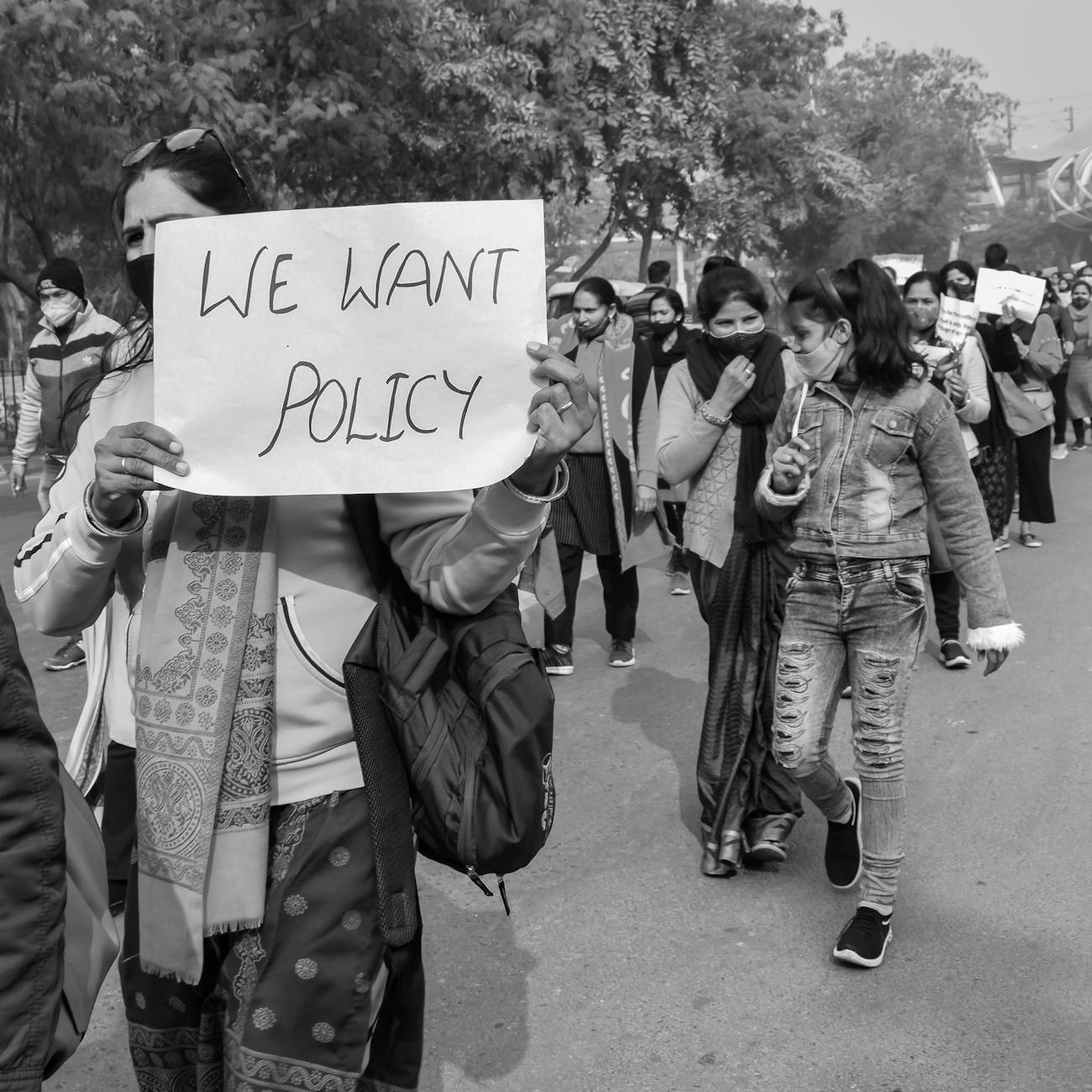
International Drug Policies play a crucial role in governing the production, distribution, and consumption of drugs on a global scale. These policies are designed to address the challenges posed by drug abuse and trafficking, as well as to promote public health, safety, and security. Understanding the key terms and vocabulary associated with International Drug Policies is essential for professionals working in the field of narcotics control. This comprehensive guide will cover the most important terms and concepts related to International Drug Policies to provide a solid foundation for those seeking to enhance their knowledge and expertise in this area.
Drug Policy:
Drug Policy refers to a set of guidelines, regulations, and laws that govern the use, production, distribution, and control of drugs. Drug policies can vary from country to country and can be influenced by social, cultural, economic, and political factors. These policies aim to reduce drug-related harm, promote public health, and prevent drug abuse and addiction.
International Drug Control:
International Drug Control refers to the efforts made by countries and international organizations to regulate and monitor the production, distribution, and consumption of drugs on a global scale. The United Nations plays a key role in coordinating international efforts to combat drug trafficking and abuse through various conventions and agreements.
Drug Trafficking:
Drug Trafficking is the illegal transportation, distribution, and sale of drugs across borders. Drug trafficking is a major global issue that fuels organized crime, corruption, and violence. International cooperation is crucial in combating drug trafficking and dismantling drug cartels.
Drug Abuse:
Drug Abuse refers to the harmful or excessive use of drugs, including both illicit substances and prescription medications. Drug abuse can lead to a range of physical, psychological, and social problems, including addiction, overdose, and criminal behavior. Prevention and treatment programs are essential in addressing drug abuse.
Harm Reduction:
Harm Reduction is an approach to drug policy that focuses on minimizing the negative consequences of drug use without necessarily requiring abstinence. Harm reduction strategies may include needle exchange programs, opioid substitution therapy, and safe injection sites. The goal of harm reduction is to reduce the harms associated with drug use and promote the health and well-being of individuals who use drugs.
Decriminalization:
Decriminalization is the process of removing criminal penalties for the possession and use of small quantities of drugs for personal use. Decriminalization aims to reduce the burden on the criminal justice system, prevent the stigmatization of drug users, and focus on public health approaches to drug use. Decriminalization is often seen as a more humane and effective way to address drug-related issues.
Legalization:
Legalization is the process of allowing the production, distribution, and sale of drugs under a regulated system. Legalization is a controversial approach to drug policy that aims to eliminate the black market, generate tax revenue, and reduce the harms associated with drug prohibition. Some countries have legalized certain drugs, such as cannabis, for recreational or medicinal use.
Supply Reduction:
Supply Reduction is a key component of drug control strategies that focuses on reducing the production, trafficking, and availability of drugs. Supply reduction measures may include crop eradication, interdiction of drug shipments, and dismantling of drug trafficking organizations. Supply reduction efforts aim to disrupt the illicit drug market and decrease the supply of drugs.
Demand Reduction:
Demand Reduction is another critical aspect of drug control strategies that focuses on reducing the demand for drugs through prevention, treatment, and rehabilitation programs. Demand reduction measures may include drug education, counseling, and support services for individuals struggling with substance abuse. Demand reduction efforts aim to reduce drug use and addiction by addressing the underlying factors that contribute to drug abuse.
Drug Scheduling:
Drug Scheduling is the classification of drugs into different categories based on their potential for abuse, medical use, and safety. Drug scheduling determines the legal status of drugs and the penalties associated with their possession, distribution, and sale. The scheduling of drugs varies from country to country and can impact the enforcement of drug laws and regulations.
Controlled Substances:
Controlled Substances are drugs that are regulated by law due to their potential for abuse and dependency. Controlled substances are categorized into different schedules based on their medical value and risk of harm. The manufacturing, distribution, and prescription of controlled substances are closely monitored to prevent misuse and diversion.
Drug Interdiction:
Drug Interdiction refers to the efforts made by law enforcement agencies to intercept and prevent the transportation of illicit drugs. Drug interdiction operations target drug trafficking routes, smuggling networks, and distribution networks to disrupt the flow of drugs. Drug interdiction plays a crucial role in reducing the availability of drugs and deterring drug traffickers.
Money Laundering:
Money Laundering is the process of disguising the origins of illegally obtained money, typically from drug trafficking, by transferring it through legitimate financial channels. Money laundering enables criminals to conceal the proceeds of their illegal activities and integrate them into the legal economy. International cooperation is essential in combating money laundering and disrupting the financial networks of drug cartels.
Precursor Chemicals:
Precursor Chemicals are substances used in the manufacturing of illicit drugs, such as methamphetamine and heroin. Precursor chemicals are closely monitored and regulated to prevent their diversion for illicit purposes. International controls on precursor chemicals help to disrupt the production and trafficking of illicit drugs.
Alternative Development:
Alternative Development is a strategy aimed at promoting sustainable and legal livelihoods for communities involved in illicit drug cultivation. Alternative development programs provide farmers with viable economic alternatives to growing illicit crops, such as coca or opium poppy. By addressing the root causes of drug production, alternative development helps to reduce drug supply and improve the socio-economic conditions of affected communities.
Drug Policy Evaluation:
Drug Policy Evaluation is the process of assessing the effectiveness, impact, and outcomes of drug policies and interventions. Evaluation helps policymakers, practitioners, and researchers to determine the success of drug control measures and identify areas for improvement. Drug policy evaluation involves collecting and analyzing data on drug trends, drug-related harms, and the implementation of drug policies.
International Cooperation:
International Cooperation is essential in addressing the complex and transnational nature of drug trafficking and abuse. Countries must work together to share information, resources, and best practices to combat the global drug problem effectively. International cooperation may involve joint operations, intelligence sharing, and capacity-building initiatives to strengthen drug control efforts.
Drug Legalization Debate:
The Drug Legalization Debate is a contentious issue that divides policymakers, experts, and the public on the merits of legalizing drugs. Proponents of drug legalization argue that it can reduce drug-related violence, generate tax revenue, and improve public health outcomes. Opponents of drug legalization raise concerns about the potential for increased drug use, addiction, and social harm. The debate over drug legalization continues to shape drug policies around the world.
Drug War:
The Drug War refers to the global effort to combat drug trafficking and abuse through law enforcement, military intervention, and drug control measures. The Drug War has been criticized for its focus on punitive approaches, human rights abuses, and the criminalization of drug users. Critics argue that the Drug War has failed to achieve its objectives and has led to unintended consequences, such as mass incarceration and violence.
Public Health Approach:
The Public Health Approach to drug policy emphasizes prevention, treatment, and harm reduction strategies to address drug-related issues. The public health approach views drug use as a health issue rather than a criminal justice issue and seeks to reduce the harms associated with drug use through evidence-based interventions. Public health approaches prioritize the well-being and safety of individuals who use drugs.
Human Rights:
Human Rights are fundamental rights and freedoms that are inherent to all individuals, regardless of their status or circumstances. Human rights principles are essential in drug policy to protect the dignity, autonomy, and well-being of drug users, individuals with substance use disorders, and communities affected by drug-related issues. Upholding human rights in drug policy is crucial to ensuring fairness, equality, and justice for all.
Stigma:
Stigma refers to negative attitudes, beliefs, and stereotypes that are associated with drug use and addiction. Stigma can lead to discrimination, social exclusion, and barriers to accessing healthcare and support services. Addressing stigma is essential in drug policy to reduce the harm and suffering experienced by individuals who use drugs and to promote empathy, understanding, and compassion.
Gender Mainstreaming:
Gender Mainstreaming is the process of integrating a gender perspective into all aspects of drug policy and programming. Gender mainstreaming recognizes the different needs, experiences, and vulnerabilities of men and women in relation to drug use, treatment, and prevention. By incorporating a gender lens into drug policies, policymakers can address gender disparities and promote gender equality in drug control efforts.
Intersectionality:
Intersectionality is a concept that recognizes the interconnected nature of social identities, such as race, class, gender, and sexuality, and how they intersect to shape individuals' experiences and opportunities. Intersectionality is important in drug policy to understand the unique challenges faced by marginalized and vulnerable populations, such as LGBTQ+ individuals, people of color, and low-income communities. By considering intersectionality, drug policies can be more inclusive, equitable, and effective.
Civil Society:
Civil Society refers to the organized sector of society that exists outside of government and the private sector, including non-governmental organizations, community groups, and advocacy organizations. Civil society plays a critical role in drug policy by advocating for evidence-based approaches, human rights, and harm reduction principles. Civil society organizations often work to hold governments accountable and ensure that drug policies are transparent, inclusive, and responsive to the needs of affected communities.
Ethical Considerations:
Ethical Considerations are moral principles and values that guide decision-making in drug policy. Ethical considerations in drug policy include respecting human rights, promoting social justice, and minimizing harm to individuals and communities. Ethical dilemmas may arise in drug policy, such as balancing public health objectives with individual rights, and it is important for policymakers to consider the ethical implications of their decisions.
Challenges in International Drug Policies:
Implementing effective International Drug Policies faces several challenges, including:
1. Coordination and cooperation among countries to address transnational drug trafficking. 2. Balancing law enforcement efforts with public health approaches to drug control. 3. Addressing the root causes of drug production and trafficking, such as poverty and lack of economic opportunities. 4. Ensuring access to treatment and support services for individuals with substance use disorders. 5. Protecting human rights and promoting social justice in drug policy. 6. Addressing stigma and discrimination against individuals who use drugs. 7. Evaluating the impact and effectiveness of drug policies to inform evidence-based decision-making.
In conclusion, International Drug Policies play a critical role in addressing the complex challenges posed by drug trafficking and abuse. By understanding the key terms and concepts associated with International Drug Policies, professionals in the field of narcotics control can develop a comprehensive understanding of the issues at hand and contribute to the development of effective and humane drug policies. By incorporating principles of harm reduction, public health, human rights, and gender mainstreaming into drug policies, countries can work towards reducing the harms of drug use, promoting public health, and building safer and more just societies.
International Drug Policies
Drug policies are a set of guidelines and regulations established by governments and international organizations to control the production, distribution, and consumption of drugs. These policies aim to reduce the negative impact of drug abuse on individuals and society as a whole. International drug policies are agreements and strategies that nations around the world adopt to address the global drug problem collectively. This course, the Certificate in Narcotics Control, focuses on understanding the key terms and concepts related to international drug policies.
Drug Control
Drug control refers to the efforts made by governments and organizations to regulate the production, distribution, and consumption of drugs. These efforts are aimed at preventing drug abuse, reducing the availability of illicit drugs, and combating drug-related crime and violence. Drug control policies include measures such as drug scheduling, law enforcement activities, prevention programs, and treatment initiatives.
Drug Scheduling
Drug scheduling is the classification of drugs into different categories based on their potential for abuse, medical use, and safety. The scheduling system helps regulate the availability and use of drugs, with stricter controls imposed on substances with a higher risk of abuse and dependency. The United Nations Single Convention on Narcotic Drugs of 1961 established a framework for international drug scheduling to harmonize drug control measures across countries.
Example: The United States Drug Enforcement Administration (DEA) classifies drugs into five schedules, with Schedule I drugs considered to have the highest potential for abuse and no accepted medical use, while Schedule V drugs have the lowest potential for abuse.
Harm Reduction
Harm reduction is a public health approach that aims to minimize the negative consequences of drug use without necessarily requiring abstinence. It focuses on reducing the harms associated with drug abuse, such as overdose, infectious diseases, and social marginalization, through strategies like needle exchange programs, safe injection sites, and opioid substitution therapy. Harm reduction acknowledges that drug use exists and seeks to provide pragmatic solutions to mitigate its impact.
Example: In many countries, needle exchange programs provide sterile syringes to injection drug users to prevent the spread of bloodborne diseases like HIV and hepatitis C.
Demand Reduction
Demand reduction strategies aim to decrease the demand for drugs by addressing the underlying factors that contribute to drug abuse. These strategies include prevention programs, treatment services, and efforts to reduce the social acceptance of drug use. By focusing on demand reduction, policymakers seek to prevent drug abuse before it occurs and to support individuals in overcoming addiction.
Example: Drug prevention campaigns in schools educate students about the risks of drug use and promote healthy lifestyle choices as alternatives to substance abuse.
Supply Reduction
Supply reduction efforts target the production, trafficking, and distribution of illicit drugs. These initiatives involve law enforcement activities, border control measures, and international cooperation to disrupt drug trafficking networks and reduce the availability of illegal substances. Supply reduction strategies aim to limit the supply of drugs in the market and to dismantle criminal organizations involved in drug trafficking.
Example: The United Nations Office on Drugs and Crime (UNODC) works with countries to strengthen their law enforcement capabilities and border security to prevent the smuggling of illicit drugs.
Alternative Development
Alternative development programs support farmers in cultivating legal crops as an alternative to growing illicit drug crops, such as coca or opium poppy. These programs provide farmers with technical assistance, market access, and financial support to transition to sustainable and licit livelihoods. By promoting alternative development, policymakers aim to address the root causes of drug production and reduce the dependency on illicit drug cultivation.
Example: The United States Agency for International Development (USAID) implements alternative development projects in countries like Colombia to help farmers shift from coca cultivation to legal crops like coffee or cacao.
Money Laundering
Money laundering is the process of concealing the origins of illegally obtained money or assets to make them appear legitimate. Drug traffickers often launder proceeds from drug sales through complex financial transactions to avoid detection by law enforcement authorities. Money laundering facilitates the reinvestment of illicit profits into legal businesses and the further expansion of criminal activities.
Example: Drug cartels may use front companies, offshore accounts, and shell corporations to launder money generated from drug trafficking and related criminal enterprises.
Asset Forfeiture
Asset forfeiture is the legal process through which law enforcement authorities seize and confiscate assets acquired through illegal activities, such as drug trafficking. Asset forfeiture laws allow governments to seize property, cash, vehicles, and other assets linked to drug-related offenses. By depriving criminals of their illicit gains, asset forfeiture aims to disrupt criminal organizations and deter individuals from engaging in illegal drug activities.
Example: The United Kingdom's Proceeds of Crime Act empowers law enforcement agencies to confiscate assets derived from drug trafficking, money laundering, and other criminal activities.
International Cooperation
International cooperation is essential for addressing the transnational nature of the drug trade and implementing effective drug control policies. Countries collaborate with each other and with international organizations to share information, coordinate enforcement actions, and develop common strategies to combat drug trafficking. International cooperation also includes initiatives to strengthen legal frameworks, build capacity, and promote mutual assistance in addressing the global drug problem.
Example: The United Nations Conventions on Drugs provide a framework for international cooperation in combating drug trafficking and drug abuse through shared responsibilities and coordinated actions.
Challenges in International Drug Control
Despite efforts to harmonize drug policies and enhance international cooperation, several challenges persist in the field of international drug control. These challenges include:
1. Legalization Debate: The ongoing debate over the legalization of certain drugs, such as cannabis, poses a challenge to the implementation of global drug control policies. Some countries have adopted policies to legalize or decriminalize drugs, leading to tensions with international drug control conventions.
2. Drug Trafficking Networks: The sophisticated and resilient nature of drug trafficking networks presents a significant challenge to law enforcement agencies and governments. Criminal organizations adapt to enforcement measures by diversifying routes, using new technologies, and collaborating across borders.
3. Corruption and Governance: Corruption within law enforcement agencies, judicial systems, and government institutions undermines efforts to combat drug trafficking and enforce drug control laws. Weak governance structures and lack of accountability contribute to the persistence of drug-related crime.
4. Stigmatization and Discrimination: People who use drugs often face stigma, discrimination, and marginalization, which can hinder access to healthcare services, harm reduction programs, and social support. Addressing stigma and discrimination is essential for promoting human rights and effective drug policies.
5. Access to Controlled Substances: Ensuring access to essential controlled substances for medical and scientific purposes while preventing their diversion for illicit use is a complex challenge. Balancing the need for medical access with the control of diversion requires careful regulation and monitoring.
6. Drug Policy Evaluation: Evaluating the effectiveness of drug control policies and programs is crucial for identifying successful interventions and improving future strategies. However, measuring the impact of drug policies and interventions on drug use, crime rates, and public health outcomes poses methodological challenges.
Conclusion
International drug policies play a vital role in addressing the complex and interconnected challenges posed by drug abuse and illicit drug trafficking. By adopting evidence-based strategies, promoting international cooperation, and addressing underlying social determinants, countries can work together to achieve effective drug control outcomes. The Certificate in Narcotics Control equips participants with the knowledge and skills to navigate the dynamic landscape of international drug policies and contribute to global efforts to combat drug abuse and drug-related crime.
Key takeaways
- This comprehensive guide will cover the most important terms and concepts related to International Drug Policies to provide a solid foundation for those seeking to enhance their knowledge and expertise in this area.
- Drug Policy refers to a set of guidelines, regulations, and laws that govern the use, production, distribution, and control of drugs.
- International Drug Control refers to the efforts made by countries and international organizations to regulate and monitor the production, distribution, and consumption of drugs on a global scale.
- Drug Trafficking is the illegal transportation, distribution, and sale of drugs across borders.
- Drug abuse can lead to a range of physical, psychological, and social problems, including addiction, overdose, and criminal behavior.
- Harm Reduction is an approach to drug policy that focuses on minimizing the negative consequences of drug use without necessarily requiring abstinence.
- Decriminalization aims to reduce the burden on the criminal justice system, prevent the stigmatization of drug users, and focus on public health approaches to drug use.