
Tactical Operations in Drug Enforcement
Tactical Operations
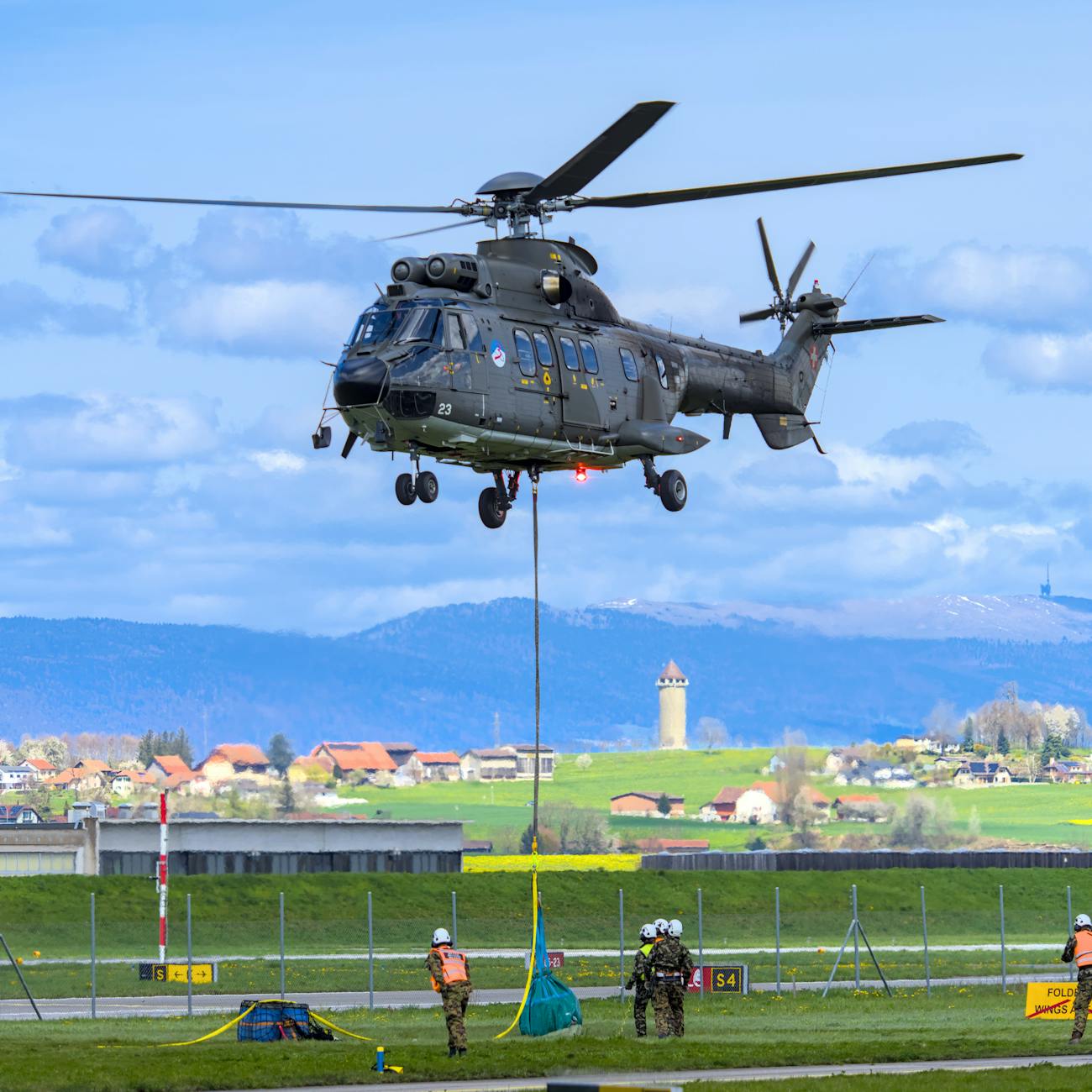
Tactical Operations
Tactical operations in drug enforcement refer to the strategic and coordinated actions undertaken by law enforcement agencies to combat drug trafficking, distribution, and abuse. These operations involve the deployment of specialized units and resources to gather intelligence, conduct surveillance, make arrests, and disrupt drug-related activities.
Tactical operations play a crucial role in the overall efforts to control the flow of narcotics and illicit substances in a given area. These operations require a high level of planning, coordination, and execution to achieve their objectives effectively.
Key Terms and Vocabulary
1. Narcotics
Narcotics are drugs that induce sleep, relieve pain, and produce a feeling of euphoria. They include substances such as heroin, cocaine, methamphetamine, and prescription opioids. Narcotics are highly addictive and pose significant risks to public health and safety.
2. Drug Enforcement Administration (DEA)
The DEA is a federal law enforcement agency responsible for enforcing the controlled substances laws and regulations of the United States. The DEA plays a critical role in investigating and prosecuting drug trafficking organizations and individuals involved in the illicit drug trade.
3. Undercover Operations
Undercover operations involve law enforcement officers posing as drug buyers or sellers to gather intelligence, make arrests, and gather evidence against suspects involved in drug trafficking. These operations require officers to adopt false identities and work covertly to maintain their cover.
4. Surveillance
Surveillance refers to the monitoring of individuals or locations suspected of involvement in drug-related activities. Law enforcement agencies use various techniques, such as physical surveillance, electronic surveillance, and aerial surveillance, to gather intelligence and track the movements of suspects.
5. Stakeout
A stakeout is a surveillance operation where law enforcement officers monitor a specific location or target for an extended period to gather evidence of criminal activity. Stakeouts are often used to observe drug transactions, identify suspects, and gather intelligence for future operations.
6. Controlled Buy
A controlled buy is a law enforcement operation where an undercover officer purchases drugs from a suspect while being monitored by other officers. Controlled buys are used to gather evidence, identify suppliers, and build cases against individuals involved in drug trafficking.
7. Search Warrant
A search warrant is a legal document issued by a judge authorizing law enforcement officers to search a specific location for evidence of criminal activity. Search warrants are obtained based on probable cause and are used to gather evidence in drug-related investigations.
8. No-Knock Warrant
A no-knock warrant is a type of search warrant that allows law enforcement officers to enter a property without announcing their presence. No-knock warrants are used in situations where announcing the officers' presence could jeopardize the safety of the officers or lead to the destruction of evidence.
9. SWAT Team
A SWAT (Special Weapons and Tactics) team is a specialized law enforcement unit trained to handle high-risk situations, including drug raids, hostage rescues, and armed confrontations. SWAT teams are equipped with specialized weapons, equipment, and training to carry out tactical operations effectively.
10. Asset Forfeiture
Asset forfeiture is the legal process by which law enforcement authorities seize assets, such as money, vehicles, and property, believed to be connected to criminal activity, including drug trafficking. Asset forfeiture laws allow law enforcement agencies to disrupt criminal organizations and deter illegal activities.
11. Informant
An informant is an individual who provides information to law enforcement agencies about criminal activities, including drug trafficking. Informants play a crucial role in gathering intelligence, identifying suspects, and assisting in undercover operations.
12. Wiretap
A wiretap is a court-authorized interception of telephone or electronic communications to gather evidence of criminal activity, including drug trafficking. Law enforcement agencies use wiretaps to monitor suspects' conversations and gather intelligence for investigations.
13. Sting Operation
A sting operation is a law enforcement tactic used to catch individuals engaging in illegal activities, such as drug trafficking. Undercover officers or informants pose as buyers or sellers to lure suspects into committing a crime, leading to their arrest and prosecution.
14. RICO Act
The Racketeer Influenced and Corrupt Organizations (RICO) Act is a federal law that allows law enforcement agencies to prosecute individuals and organizations engaged in racketeering activities, including drug trafficking. The RICO Act provides enhanced penalties and asset forfeiture provisions to combat organized crime.
15. Confidential Informant
A confidential informant is an individual who provides information to law enforcement agencies under the condition of anonymity. Confidential informants play a critical role in gathering intelligence, identifying suspects, and assisting in criminal investigations without revealing their identity.
16. Surveillance Detection
Surveillance detection refers to the techniques used by law enforcement officers to identify and evade surveillance by suspects during undercover operations. Surveillance detection allows officers to maintain their cover, gather intelligence, and ensure the success of tactical operations.
17. Counter Surveillance
Counter surveillance involves the actions taken by law enforcement officers to detect and neutralize surveillance by suspects during undercover operations. Counter surveillance techniques include changing routes, using decoys, and employing other tactics to evade detection and maintain operational security.
18. Controlled Delivery
A controlled delivery is a law enforcement operation where a shipment of drugs is allowed to reach its intended destination under surveillance to identify and arrest the recipients. Controlled deliveries are used to gather evidence, track drug trafficking networks, and build cases against suspects.
19. Interdiction
Interdiction refers to the efforts made by law enforcement agencies to prevent the transportation of drugs across borders or through major transit routes. Interdiction operations involve the use of checkpoints, inspections, and surveillance to intercept and seize illicit drugs before they reach their destination.
20. Task Force
A task force is a multi-agency team formed to collaborate on specific operations, such as drug enforcement. Task forces bring together law enforcement agencies, including federal, state, and local authorities, to pool resources, share intelligence, and coordinate efforts to combat drug trafficking and distribution.
21. Reverse Sting Operation
A reverse sting operation is a law enforcement tactic where officers pose as drug sellers to lure buyers into committing a crime. In a reverse sting operation, undercover officers offer drugs for sale, leading to the arrest and prosecution of individuals attempting to purchase illicit substances.
22. Intelligence Gathering
Intelligence gathering involves the collection and analysis of information to identify suspects, track drug trafficking networks, and plan tactical operations. Law enforcement agencies use various sources, such as informants, surveillance, and wiretaps, to gather intelligence and disrupt criminal activities.
23. Covert Operations
Covert operations are conducted secretly and without the knowledge of the suspects to gather intelligence, make arrests, and disrupt criminal activities. Covert operations require officers to maintain their cover, work discreetly, and employ deception to achieve their objectives effectively.
24. Entrapment
Entrapment is a legal defense that argues that law enforcement officers induced an individual to commit a crime they would not have otherwise committed. Entrapment is illegal, and law enforcement agencies are prohibited from using entrapment tactics in undercover operations to secure convictions.
25. Surveillance Equipment
Surveillance equipment includes cameras, listening devices, GPS trackers, and other tools used by law enforcement agencies to monitor suspects and gather evidence during investigations. Surveillance equipment is essential for conducting undercover operations, gathering intelligence, and building cases against criminals.
26. Tactical Planning
Tactical planning involves the development of strategies and operational plans to achieve specific objectives in drug enforcement operations. Law enforcement agencies conduct tactical planning to identify targets, allocate resources, and coordinate actions to disrupt drug trafficking networks effectively.
27. Operational Security
Operational security (OPSEC) refers to the measures taken by law enforcement agencies to protect the secrecy and integrity of tactical operations. OPSEC includes the use of encryption, secure communication channels, and other tactics to prevent suspects from detecting or compromising undercover operations.
28. Coordinated Raids
Coordinated raids are simultaneous operations conducted by multiple law enforcement agencies to execute search warrants, make arrests, and seize evidence from suspects involved in drug trafficking. Coordinated raids require careful planning, communication, and coordination to ensure the success of the operation.
29. Tactical Entry
Tactical entry refers to the methodical and coordinated approach used by law enforcement officers to enter and secure a location during a drug raid. Tactical entry tactics include breaching doors, clearing rooms, and neutralizing threats to ensure the safety of officers and the successful execution of the operation.
30. Confidentiality Agreement
A confidentiality agreement is a legal document signed by informants, undercover officers, and other individuals involved in drug enforcement operations to protect sensitive information and maintain operational security. Confidentiality agreements prohibit the disclosure of classified information and safeguard the identities of confidential sources.
31. Chain of Custody
The chain of custody is the documented record of the handling, transfer, and storage of evidence collected during drug enforcement operations. The chain of custody ensures the integrity and admissibility of evidence in court proceedings by documenting every individual who had contact with the evidence.
32. Surveillance Team
A surveillance team is a group of law enforcement officers responsible for monitoring suspects, gathering intelligence, and tracking the movements of individuals involved in drug-related activities. Surveillance teams use specialized equipment and tactics to conduct surveillance covertly and gather evidence for investigations.
33. Tactical Communication
Tactical communication involves the use of secure and encrypted channels to relay information, coordinate actions, and ensure the safety of officers during drug enforcement operations. Tactical communication is essential for maintaining operational security, preventing suspects from intercepting communications, and executing coordinated actions.
34. Threat Assessment
Threat assessment involves the evaluation of potential risks, dangers, and challenges faced by law enforcement officers during drug enforcement operations. Threat assessments help officers identify threats, develop strategies to mitigate risks, and ensure the safety and success of tactical operations.
35. Tactical Response
Tactical response refers to the immediate and coordinated actions taken by law enforcement officers to address threats, emergencies, and critical incidents during drug enforcement operations. Tactical response tactics include rapid deployment, crisis negotiation, and use of force to neutralize threats and protect officers and civilians.
36. Intelligence Analysis
Intelligence analysis involves the interpretation and assessment of information gathered from various sources to identify patterns, trends, and connections in drug trafficking activities. Intelligence analysts play a crucial role in providing actionable intelligence to law enforcement agencies to support tactical operations and investigations.
37. Covert Surveillance
Covert surveillance is the discreet monitoring of suspects and locations without their knowledge to gather intelligence and evidence of criminal activities. Covert surveillance techniques include undercover officers, hidden cameras, and other tactics to track suspects, identify criminal networks, and build cases against offenders.
38. Tactical Training
Tactical training involves the instruction and practice of specialized tactics, techniques, and procedures used in drug enforcement operations. Law enforcement officers undergo tactical training to develop skills in surveillance, undercover operations, tactical entry, and other critical areas to enhance their effectiveness in combatting drug trafficking.
39. Tactical Support
Tactical support refers to the resources, equipment, and personnel provided to law enforcement officers engaged in drug enforcement operations. Tactical support includes surveillance teams, SWAT units, intelligence analysts, and other specialized units that assist in planning, executing, and coordinating tactical operations.
40. Tactical Awareness
Tactical awareness is the situational awareness and alertness displayed by law enforcement officers during drug enforcement operations to identify threats, assess risks, and respond effectively to changing circumstances. Tactical awareness is essential for maintaining officer safety, operational security, and the success of tactical operations.
41. Tactical Interrogation
Tactical interrogation involves the systematic questioning and interviewing of suspects, witnesses, and informants to gather information, elicit confessions, and build cases against individuals involved in drug trafficking. Tactical interrogation techniques include rapport building, active listening, and strategic questioning to extract valuable intelligence.
42. Tactical Reconnaissance
Tactical reconnaissance is the systematic observation and collection of information about suspects, locations, and activities related to drug trafficking. Law enforcement officers conduct tactical reconnaissance to gather intelligence, assess threats, and plan tactical operations effectively to disrupt criminal activities.
43. Tactical Response Team
A tactical response team is a specialized unit trained to respond to high-risk situations, such as drug raids, hostage rescues, and armed confrontations. Tactical response teams are equipped with advanced weapons, equipment, and tactics to neutralize threats, protect officers, and ensure the success of critical operations.
44. Tactical Maneuvering
Tactical maneuvering involves the strategic movement and positioning of law enforcement officers during drug enforcement operations to gain a tactical advantage, secure locations, and neutralize threats. Tactical maneuvering tactics include cover and concealment, flanking maneuvers, and coordinated movements to outmaneuver suspects and achieve mission objectives.
45. Tactical Intelligence
Tactical intelligence refers to the timely and actionable information gathered from various sources to support decision-making, planning, and execution of drug enforcement operations. Tactical intelligence helps law enforcement agencies identify targets, allocate resources, and conduct operations effectively to disrupt drug trafficking networks.
46. Tactical Deployment
Tactical deployment involves the strategic positioning and deployment of law enforcement resources, such as officers, vehicles, and equipment, to execute drug enforcement operations successfully. Tactical deployment tactics include establishing perimeters, setting up observation posts, and deploying assets to secure locations and achieve mission objectives.
47. Tactical Assessment
Tactical assessment involves the evaluation of operational objectives, risks, and challenges to develop strategies and plans for drug enforcement operations. Tactical assessment helps law enforcement agencies identify threats, assess vulnerabilities, and determine the most effective tactics to achieve mission success and ensure officer safety.
48. Tactical Communication System
A tactical communication system is a secure and encrypted network used by law enforcement officers to exchange information, coordinate actions, and maintain situational awareness during drug enforcement operations. Tactical communication systems include radios, mobile devices, and other tools to facilitate real-time communication and collaboration among officers.
49. Tactical Command Center
A tactical command center is a centralized facility where law enforcement officers coordinate and monitor drug enforcement operations in real-time. Tactical command centers provide officers with situational awareness, intelligence updates, and operational support to ensure the success of tactical operations and the safety of personnel.
50. Tactical Response Protocol
A tactical response protocol is a set of guidelines, procedures, and rules followed by law enforcement officers during drug enforcement operations to ensure consistency, efficiency, and safety. Tactical response protocols outline the steps to be taken in various scenarios, including arrests, searches, and tactical maneuvers, to achieve mission objectives and protect officers.
In conclusion, tactical operations play a critical role in combating drug trafficking and distribution by law enforcement agencies. Understanding key terms and vocabulary related to tactical operations in drug enforcement is essential for officers to effectively plan, execute, and coordinate operations to disrupt criminal activities and protect public safety. By familiarizing themselves with these terms and concepts, law enforcement officers can enhance their skills, knowledge, and capabilities in combating drug-related crimes and contributing to a safer and more secure society.
Key takeaways
- Tactical operations in drug enforcement refer to the strategic and coordinated actions undertaken by law enforcement agencies to combat drug trafficking, distribution, and abuse.
- Tactical operations play a crucial role in the overall efforts to control the flow of narcotics and illicit substances in a given area.
- They include substances such as heroin, cocaine, methamphetamine, and prescription opioids.
- The DEA plays a critical role in investigating and prosecuting drug trafficking organizations and individuals involved in the illicit drug trade.
- Undercover operations involve law enforcement officers posing as drug buyers or sellers to gather intelligence, make arrests, and gather evidence against suspects involved in drug trafficking.
- Law enforcement agencies use various techniques, such as physical surveillance, electronic surveillance, and aerial surveillance, to gather intelligence and track the movements of suspects.
- A stakeout is a surveillance operation where law enforcement officers monitor a specific location or target for an extended period to gather evidence of criminal activity.