
Culinary History and Traditions
Culinary History and Traditions
Culinary History and Traditions
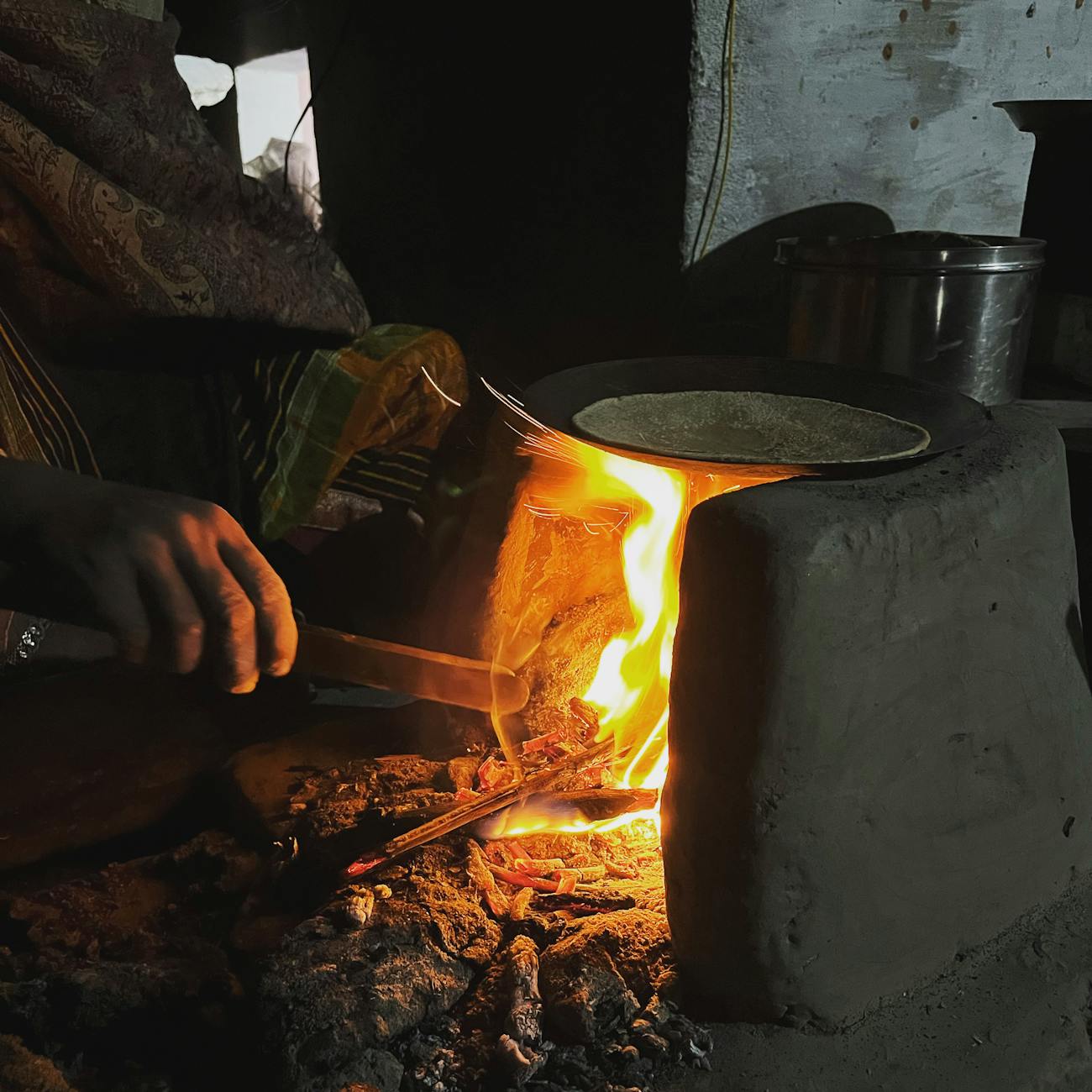
Culinary history and traditions are essential aspects of understanding the evolution of food and cooking practices throughout the world. This field of study delves into the historical, cultural, and social contexts that have shaped the way people eat and prepare food. By exploring culinary history and traditions, individuals can gain insights into how food has been used as a means of sustenance, celebration, and cultural expression over time.
Key Terms and Vocabulary
1. Culinary History: Culinary history refers to the study of the development of food and cooking practices over time. It involves examining the influence of various factors such as geography, trade, migration, and technology on the evolution of culinary traditions.
2. Culinary Traditions: Culinary traditions are the customs, rituals, and practices associated with food preparation, consumption, and sharing within a particular culture or community. These traditions often reflect the values, beliefs, and identity of a group of people.
3. Foodways: Foodways refer to the cultural, social, and economic practices related to the production, consumption, and distribution of food within a specific region or community. It encompasses everything from food preparation techniques to food rituals and customs.
4. Gastronomy: Gastronomy is the study of the relationship between food and culture. It involves exploring the history, sociology, and anthropology of food, as well as the sensory experience of eating.
5. Culinary Heritage: Culinary heritage encompasses the traditional recipes, cooking techniques, and food practices that have been passed down through generations within a specific culture or community. It reflects a shared history and identity related to food.
6. Food History: Food history focuses on the historical aspects of food, including the origins of specific dishes, ingredients, and cooking methods. It also examines how food has influenced social, political, and economic developments throughout history.
7. Food Culture: Food culture refers to the customs, traditions, and beliefs surrounding food within a particular society or community. It includes the way food is produced, prepared, and consumed, as well as the rituals and ceremonies associated with food.
8. Slow Food Movement: The Slow Food Movement is a global grassroots organization that promotes the preservation of traditional and regional food cultures. It advocates for sustainable and ethical food production, as well as the importance of enjoying meals with friends and family.
9. Farm-to-Table: Farm-to-table is a culinary movement that emphasizes the use of locally sourced, seasonal ingredients in cooking. It aims to support local farmers and producers while promoting fresh, sustainable, and environmentally friendly food choices.
10. Food Sovereignty: Food sovereignty is the right of individuals and communities to control their own food systems and make decisions about food production, distribution, and consumption. It emphasizes food security, cultural diversity, and social justice.
11. Terroir: Terroir is a French term that refers to the unique environmental factors (such as soil, climate, and topography) that influence the taste and quality of agricultural products, particularly wine and cheese. It highlights the importance of a sense of place in food production.
12. Heritage Foods: Heritage foods are traditional varieties of plants and animals that have been cultivated or raised for generations and have cultural significance. These foods often have unique flavors, textures, and nutritional qualities that set them apart from modern varieties.
13. Food Preservation: Food preservation involves techniques and methods used to extend the shelf life of perishable foods, such as canning, pickling, drying, and fermenting. It has been practiced for centuries to ensure food security and reduce food waste.
14. Food Migration: Food migration refers to the movement of people, plants, animals, and culinary traditions across regions and continents. It has led to the exchange of food ingredients, cooking techniques, and flavors, shaping the culinary diversity we see today.
15. Food Revolution: The food revolution is a movement aimed at transforming the way food is produced, distributed, and consumed. It advocates for sustainable agriculture, food justice, and access to healthy, affordable food for all.
16. Food Identity: Food identity is the cultural, social, and personal connection individuals have with food. It is shaped by factors such as ethnicity, nationality, religion, and personal experiences, influencing food preferences and choices.
17. Food Rituals: Food rituals are symbolic actions or ceremonies performed around food, often associated with religious or cultural traditions. They serve to strengthen social bonds, express gratitude, and mark significant events or milestones.
18. Food Taboos: Food taboos are cultural restrictions or prohibitions on certain foods or ingredients based on religious, social, or health beliefs. They vary widely across cultures and can influence dietary practices and food choices.
19. Culinary Tourism: Culinary tourism involves traveling to explore and experience the local food and culinary traditions of a particular region or country. It includes activities such as food tours, cooking classes, and visits to food markets and restaurants.
20. Food Justice: Food justice is a social movement that advocates for equitable access to healthy, affordable, and culturally appropriate food for all individuals and communities. It addresses issues of food insecurity, food deserts, and food sovereignty.
21. Food Security: Food security refers to the availability, access, and utilization of food that is safe, nutritious, and culturally acceptable for all individuals. It is a fundamental human right and a key aspect of sustainable development.
22. Sustainable Food Systems: Sustainable food systems are those that promote environmentally friendly practices, support local economies, and ensure the long-term health and well-being of communities. They aim to balance economic, social, and environmental interests in food production and consumption.
23. Food Waste: Food waste refers to the loss or disposal of edible food at any stage of the food supply chain, from production to consumption. It is a significant global issue that contributes to environmental degradation, hunger, and food insecurity.
24. Culinary Storytelling: Culinary storytelling is the practice of using food as a narrative tool to convey personal, cultural, and historical stories. It involves sharing food memories, recipes, and traditions to connect with others and preserve culinary heritage.
25. Food Literacy: Food literacy is the knowledge and skills needed to make informed food choices, understand food systems, and appreciate the cultural and social aspects of food. It encompasses culinary skills, nutrition education, and food sustainability.
26. Food Entrepreneurship: Food entrepreneurship involves starting and running a business in the food industry, such as a restaurant, food truck, catering service, or food product company. It requires creativity, passion, and a deep understanding of culinary trends and consumer preferences.
27. Food Criticism: Food criticism is the evaluation and analysis of food and dining experiences by professional critics or food enthusiasts. It involves assessing the quality of food, service, atmosphere, and overall dining experience to provide feedback and recommendations to consumers.
28. Food Trends: Food trends are popular or emerging practices, ingredients, or cuisines that gain traction in the culinary world. They often reflect changing consumer preferences, cultural influences, and innovations in food production and preparation.
29. Food Blogging: Food blogging is the practice of writing and sharing content about food, recipes, restaurants, and culinary experiences online. It allows individuals to express their passion for food, connect with like-minded people, and build a community around food.
30. Food Photography: Food photography is the art of capturing visually appealing images of food for advertising, cookbooks, websites, and social media. It involves styling, lighting, and composition techniques to showcase food in an appetizing and enticing way.
31. Food Styling: Food styling is the creative process of arranging and presenting food to enhance its visual appeal for photography, film, or live events. It involves techniques such as garnishing, plating, and prop selection to make food look more attractive and appetizing.
32. Food Writing: Food writing encompasses a wide range of genres, including cookbooks, food journalism, food memoirs, and food essays. It involves storytelling, research, and culinary expertise to engage readers and explore the cultural and personal significance of food.
33. Culinary Arts: Culinary arts refer to the practice of cooking and preparing food with skill and creativity. It includes techniques such as knife skills, cooking methods, flavor combinations, and presentation, as well as an understanding of culinary traditions and ingredients.
34. Culinary Education: Culinary education involves formal training and instruction in the culinary arts, hospitality management, and food service. It provides students with the knowledge, skills, and experience needed to pursue careers in the food and hospitality industry.
35. Culinary Tourism: Culinary tourism involves traveling to explore and experience the local food and culinary traditions of a particular region or country. It includes activities such as food tours, cooking classes, and visits to food markets and restaurants.
36. Food Culture: Food culture refers to the customs, traditions, and beliefs surrounding food within a particular society or community. It includes the way food is produced, prepared, and consumed, as well as the rituals and ceremonies associated with food.
37. Food Rituals: Food rituals are symbolic actions or ceremonies performed around food, often associated with religious or cultural traditions. They serve to strengthen social bonds, express gratitude, and mark significant events or milestones.
38. Food Taboos: Food taboos are cultural restrictions or prohibitions on certain foods or ingredients based on religious, social, or health beliefs. They vary widely across cultures and can influence dietary practices and food choices.
39. Culinary Heritage: Culinary heritage encompasses the traditional recipes, cooking techniques, and food practices that have been passed down through generations within a specific culture or community. It reflects a shared history and identity related to food.
40. Food Preservation: Food preservation involves techniques and methods used to extend the shelf life of perishable foods, such as canning, pickling, drying, and fermenting. It has been practiced for centuries to ensure food security and reduce food waste.
41. Food Migration: Food migration refers to the movement of people, plants, animals, and culinary traditions across regions and continents. It has led to the exchange of food ingredients, cooking techniques, and flavors, shaping the culinary diversity we see today.
42. Food Identity: Food identity is the cultural, social, and personal connection individuals have with food. It is shaped by factors such as ethnicity, nationality, religion, and personal experiences, influencing food preferences and choices.
43. Food Sovereignty: Food sovereignty is the right of individuals and communities to control their own food systems and make decisions about food production, distribution, and consumption. It emphasizes food security, cultural diversity, and social justice.
44. Terroir: Terroir is a French term that refers to the unique environmental factors (such as soil, climate, and topography) that influence the taste and quality of agricultural products, particularly wine and cheese. It highlights the importance of a sense of place in food production.
45. Heritage Foods: Heritage foods are traditional varieties of plants and animals that have been cultivated or raised for generations and have cultural significance. These foods often have unique flavors, textures, and nutritional qualities that set them apart from modern varieties.
46. Food Security: Food security refers to the availability, access, and utilization of food that is safe, nutritious, and culturally acceptable for all individuals. It is a fundamental human right and a key aspect of sustainable development.
47. Sustainable Food Systems: Sustainable food systems are those that promote environmentally friendly practices, support local economies, and ensure the long-term health and well-being of communities. They aim to balance economic, social, and environmental interests in food production and consumption.
48. Food Waste: Food waste refers to the loss or disposal of edible food at any stage of the food supply chain, from production to consumption. It is a significant global issue that contributes to environmental degradation, hunger, and food insecurity.
49. Culinary Storytelling: Culinary storytelling is the practice of using food as a narrative tool to convey personal, cultural, and historical stories. It involves sharing food memories, recipes, and traditions to connect with others and preserve culinary heritage.
50. Food Literacy: Food literacy is the knowledge and skills needed to make informed food choices, understand food systems, and appreciate the cultural and social aspects of food. It encompasses culinary skills, nutrition education, and food sustainability.
51. Food Entrepreneurship: Food entrepreneurship involves starting and running a business in the food industry, such as a restaurant, food truck, catering service, or food product company. It requires creativity, passion, and a deep understanding of culinary trends and consumer preferences.
52. Food Criticism: Food criticism is the evaluation and analysis of food and dining experiences by professional critics or food enthusiasts. It involves assessing the quality of food, service, atmosphere, and overall dining experience to provide feedback and recommendations to consumers.
53. Food Trends: Food trends are popular or emerging practices, ingredients, or cuisines that gain traction in the culinary world. They often reflect changing consumer preferences, cultural influences, and innovations in food production and preparation.
54. Food Blogging: Food blogging is the practice of writing and sharing content about food, recipes, restaurants, and culinary experiences online. It allows individuals to express their passion for food, connect with like-minded people, and build a community around food.
55. Food Photography: Food photography is the art of capturing visually appealing images of food for advertising, cookbooks, websites, and social media. It involves styling, lighting, and composition techniques to showcase food in an appetizing and enticing way.
56. Food Styling: Food styling is the creative process of arranging and presenting food to enhance its visual appeal for photography, film, or live events. It involves techniques such as garnishing, plating, and prop selection to make food look more attractive and appetizing.
57. Food Writing: Food writing encompasses a wide range of genres, including cookbooks, food journalism, food memoirs, and food essays. It involves storytelling, research, and culinary expertise to engage readers and explore the cultural and personal significance of food.
Practical Applications
1. Understanding culinary history and traditions can help chefs and food enthusiasts appreciate the cultural significance of different cuisines and dishes, inspiring creativity and innovation in the kitchen.
2. Exploring foodways and gastronomy can provide insights into the social and economic factors that influence food production and consumption, informing sustainable food practices and food justice initiatives.
3. Studying food preservation techniques and heritage foods can help individuals reconnect with traditional recipes and ingredients, promoting culinary diversity and food sovereignty in local communities.
4. Participating in culinary tourism experiences can offer a firsthand look at how food shapes culture and identity, fostering cross-cultural understanding and appreciation for global food traditions.
5. Engaging in food entrepreneurship and food blogging can provide platforms for individuals to share their culinary stories, recipes, and experiences with a wider audience, building a community around food culture.
6. Learning about food photography and food styling can enhance the visual appeal of food presentations, menus, and marketing materials, attracting customers and creating memorable dining experiences.
7. Developing food literacy skills and culinary education can empower individuals to make informed food choices, support sustainable food systems, and advocate for food security and food justice in their communities.
8. Participating in food criticism and food writing can offer opportunities to explore and share personal perspectives on food experiences, influencing culinary trends and shaping the food discourse.
Challenges
1. Preserving culinary heritage and traditional food practices in the face of globalization and industrialization can be a challenge, as many traditional recipes and ingredients are at risk of being lost or replaced by mass-produced alternatives.
2. Addressing food waste and promoting sustainable food systems requires coordinated efforts from individuals, businesses, and governments to reduce food loss, improve food distribution, and support environmentally friendly practices.
3. Overcoming food taboos and cultural barriers to food access and consumption can be a challenge, as deeply ingrained beliefs and practices may hinder efforts to promote food security, diversity, and inclusivity.
4. Balancing the demand for convenience and speed in modern food culture with the need for slow food practices and mindful eating can be a challenge, as busy lifestyles and commercial pressures often prioritize efficiency over quality.
5. Navigating the complexities of food identity and food sovereignty in a multicultural society requires sensitivity to cultural differences, respect for diverse food traditions, and dialogue around shared values and experiences.
6. Adapting to changing food trends and consumer preferences in the food industry requires chefs, food entrepreneurs, and culinary professionals to stay informed, innovative, and adaptable in a competitive and dynamic market.
7. Embracing food literacy and culinary education as essential skills for all individuals can be a challenge, as access to quality food education and resources may be limited, particularly in underserved communities.
8. Promoting food justice and equitable access to healthy, affordable food for all individuals requires a commitment to addressing systemic inequalities, advocating for policy changes, and supporting community-led initiatives to improve food security and nutrition.
In conclusion, culinary history and traditions play a vital role in shaping the way we think about food, culture, and identity. By exploring key terms and concepts related to culinary storytelling, foodways, gastronomy, and sustainability, individuals can gain a deeper understanding of the rich tapestry of culinary practices and traditions that have evolved over time. Through practical applications and challenges, individuals can learn how to preserve culinary heritage, promote sustainable food systems, and advocate for food justice in their communities and beyond.
Culinary History and Traditions
Culinary history and traditions are essential aspects of understanding a culture's identity and heritage. They reflect the social, economic, and environmental influences that have shaped a society's food practices over time. In the Graduate Certificate in Culinary Storytelling, students delve into the rich tapestry of culinary history and traditions to gain insights into the evolution of food culture and its impact on society.
Key Terms and Vocabulary
Culinary History: Culinary history refers to the study of food-related events, trends, and practices throughout different periods of time. It examines how food has been produced, prepared, and consumed by various societies, shedding light on the cultural significance of different food traditions.
Food Culture: Food culture encompasses the beliefs, behaviors, and traditions surrounding food within a particular society or community. It includes food preparation methods, eating habits, food rituals, and the symbolic meanings attached to different foods.
Traditional Cuisine: Traditional cuisine refers to the authentic dishes and culinary practices that have been passed down through generations within a specific cultural group or region. These dishes often reflect the local ingredients, cooking techniques, and historical influences of a particular place.
Culinary Heritage: Culinary heritage refers to the culinary practices, recipes, and food traditions that are inherited from past generations. It encompasses the collective knowledge and experiences that shape a community's food culture and identity.
Food History: Food history explores the historical development of food and its impact on society. It examines how food production, distribution, and consumption have evolved over time, highlighting the role of food in shaping human civilization.
Food Traditions: Food traditions are the customs, rituals, and practices associated with food preparation and consumption within a particular cultural group. These traditions often reflect a community's values, beliefs, and social structures.
Culinary Storytelling: Culinary storytelling involves using food as a narrative tool to convey cultural, social, and historical messages. It explores how food can be used to tell stories, evoke emotions, and connect people across different cultures and time periods.
Foodways: Foodways refer to the cultural, social, and economic practices surrounding food within a particular community or region. It encompasses the production, distribution, preparation, and consumption of food, as well as the beliefs and values associated with food.
Gastronomy: Gastronomy is the study of the relationship between food, culture, and society. It explores the historical, social, and cultural aspects of food, including its production, consumption, and symbolism.
Culinary Anthropology: Culinary anthropology is the study of food and eating practices within a cultural context. It examines how food shapes human behavior, social relationships, and cultural identity, shedding light on the role of food in society.
Food Sovereignty: Food sovereignty refers to the right of communities to control their own food systems and resources. It emphasizes the importance of local food production, sustainable agriculture, and equitable access to nutritious food.
Food Security: Food security refers to the availability, access, and utilization of food that meets the nutritional needs of individuals and communities. It encompasses issues of food production, distribution, and affordability, as well as the social and economic factors that influence food access.
Slow Food Movement: The Slow Food Movement is an international movement that advocates for preserving traditional food cultures, promoting local food production, and supporting sustainable agriculture. It emphasizes the importance of quality, taste, and environmental sustainability in food production.
Terroir: Terroir refers to the unique environmental factors, such as soil, climate, and topography, that influence the flavor and quality of agricultural products. It is often used to describe the distinctive characteristics of wine, cheese, and other food products that reflect their place of origin.
Food Sustainability: Food sustainability refers to the ability to produce, distribute, and consume food in a way that meets the needs of the present generation without compromising the ability of future generations to meet their own needs. It encompasses environmental, social, and economic considerations in food production and consumption.
Food Justice: Food justice is the concept of ensuring that all individuals have access to healthy, affordable, and culturally appropriate food. It addresses issues of food inequality, food insecurity, and the social determinants of health related to food access.
Food Waste: Food waste refers to the loss or disposal of edible food at any stage of the food supply chain, from production to consumption. It is a significant environmental and social issue that contributes to food insecurity, resource depletion, and greenhouse gas emissions.
Food Preservation: Food preservation involves methods and techniques used to extend the shelf life of food and prevent spoilage. It includes processes such as canning, drying, fermenting, and freezing, which help preserve the nutritional value and flavor of food.
Heritage Foods: Heritage foods are traditional varieties of plants and animals that have been preserved and passed down through generations. They often have unique flavors, nutritional qualities, and cultural significance, making them valuable for biodiversity and culinary heritage preservation.
Local Food Movement: The Local Food Movement promotes the consumption of locally grown and produced food, supporting small-scale farmers, local economies, and sustainable agriculture practices. It emphasizes the benefits of eating fresh, seasonal, and regionally sourced food.
Food Tourism: Food tourism involves traveling to different destinations to explore and experience the local food culture. It encompasses culinary tours, cooking classes, food festivals, and other activities that highlight the culinary traditions and flavors of a specific region.
Culinary Tourism: Culinary tourism focuses on the exploration of food and drink experiences as a primary motivator for travel. It involves visiting destinations known for their culinary heritage, local cuisine, and food traditions, engaging in food-related activities, and experiencing the local food culture.
Culinary Arts: Culinary arts refer to the practice of preparing and cooking food, as well as the artistic presentation of dishes. It encompasses a wide range of skills and techniques, including culinary techniques, flavor combinations, and food styling.
Food Pairing: Food pairing involves matching food and drink to enhance the flavors and overall dining experience. It considers factors such as taste, texture, aroma, and appearance to create harmonious combinations that complement each other.
Gastronomic Tourism: Gastronomic tourism focuses on the exploration of food and drink experiences within a particular region or destination. It includes culinary tours, food tastings, cooking classes, and visits to food markets, restaurants, and local food producers.
Food Innovation: Food innovation involves the development of new food products, processes, and technologies to meet the changing needs and preferences of consumers. It includes advancements in food science, nutrition, sustainability, and culinary techniques.
Culinary Skills: Culinary skills refer to the abilities and techniques required to prepare, cook, and present food effectively. They include knife skills, cooking methods, flavor profiling, food safety practices, and food styling techniques.
Food Entrepreneurship: Food entrepreneurship involves starting and running a food-related business, such as a restaurant, food truck, catering service, or food product company. It requires skills in business management, marketing, culinary arts, and food service operations.
Food Writing: Food writing encompasses the practice of writing about food, cooking, and culinary experiences. It includes food journalism, food blogging, cookbook writing, restaurant reviews, and culinary storytelling, highlighting the cultural, social, and sensory aspects of food.
Food Photography: Food photography involves capturing images of food and drink to create visually appealing and appetizing representations. It requires skills in lighting, composition, styling, and editing to showcase the colors, textures, and details of food.
Food Styling: Food styling is the art of arranging and presenting food in a visually appealing and appetizing way for photography, film, or live events. It involves techniques such as garnishing, plating, and prop styling to enhance the aesthetic appeal of food.
Food Criticism: Food criticism involves evaluating and analyzing food and drink experiences, such as restaurant meals, culinary events, and food products. It includes assessing the quality, flavors, presentation, and overall dining experience, providing feedback and recommendations for improvement.
Culinary Education: Culinary education involves formal training and instruction in culinary arts, food preparation, and food service management. It includes culinary schools, cooking classes, apprenticeships, and certification programs that provide hands-on experience and theoretical knowledge in the culinary field.
Food Culture Exchange: Food culture exchange involves sharing and experiencing different culinary traditions, flavors, and food practices from diverse cultures and regions. It promotes cultural understanding, appreciation, and collaboration through food-related activities and events.
Food Policy: Food policy refers to the laws, regulations, and guidelines that govern food production, distribution, and consumption. It addresses issues such as food safety, food labeling, food access, food waste, and sustainable agriculture practices, shaping the food system at local, national, and global levels.
Food Innovation: Food innovation involves the development of new food products, processes, and technologies to meet the changing needs and preferences of consumers. It includes advancements in food science, nutrition, sustainability, and culinary techniques.
Food Security: Food security refers to the availability, access, and utilization of food that meets the nutritional needs of individuals and communities. It encompasses issues of food production, distribution, and affordability, as well as the social and economic factors that influence food access.
Sustainable Agriculture: Sustainable agriculture refers to farming practices that are environmentally friendly, socially responsible, and economically viable. It aims to preserve natural resources, promote biodiversity, and ensure food security for present and future generations.
Local Food System: The local food system encompasses the production, distribution, and consumption of food within a specific geographic region. It includes local farms, farmers markets, food co-ops, restaurants, and other food businesses that support local food production and consumption.
Food Sovereignty: Food sovereignty refers to the right of communities to control their own food systems and resources. It emphasizes the importance of local food production, sustainable agriculture, and equitable access to nutritious food.
Food Justice: Food justice is the concept of ensuring that all individuals have access to healthy, affordable, and culturally appropriate food. It addresses issues of food inequality, food insecurity, and the social determinants of health related to food access.
Food Waste: Food waste refers to the loss or disposal of edible food at any stage of the food supply chain, from production to consumption. It is a significant environmental and social issue that contributes to food insecurity, resource depletion, and greenhouse gas emissions.
Terroir: Terroir refers to the unique environmental factors, such as soil, climate, and topography, that influence the flavor and quality of agricultural products. It is often used to describe the distinctive characteristics of wine, cheese, and other food products that reflect their place of origin.
Heritage Foods: Heritage foods are traditional varieties of plants and animals that have been preserved and passed down through generations. They often have unique flavors, nutritional qualities, and cultural significance, making them valuable for biodiversity and culinary heritage preservation.
Local Food Movement: The Local Food Movement promotes the consumption of locally grown and produced food, supporting small-scale farmers, local economies, and sustainable agriculture practices. It emphasizes the benefits of eating fresh, seasonal, and regionally sourced food.
Food Tourism: Food tourism involves traveling to different destinations to explore and experience the local food culture. It encompasses culinary tours, cooking classes, food festivals, and other activities that highlight the culinary traditions and flavors of a specific region.
Culinary Tourism: Culinary tourism focuses on the exploration of food and drink experiences as a primary motivator for travel. It involves visiting destinations known for their culinary heritage, local cuisine, and food traditions, engaging in food-related activities, and experiencing the local food culture.
Culinary Arts: Culinary arts refer to the practice of preparing and cooking food, as well as the artistic presentation of dishes. It encompasses a wide range of skills and techniques, including culinary techniques, flavor combinations, and food styling.
Food Pairing: Food pairing involves matching food and drink to enhance the flavors and overall dining experience. It considers factors such as taste, texture, aroma, and appearance to create harmonious combinations that complement each other.
Gastronomic Tourism: Gastronomic tourism focuses on the exploration of food and drink experiences within a particular region or destination. It includes culinary tours, food tastings, cooking classes, and visits to food markets, restaurants, and local food producers.
Food Innovation: Food innovation involves the development of new food products, processes, and technologies to meet the changing needs and preferences of consumers. It includes advancements in food science, nutrition, sustainability, and culinary techniques.
Culinary Skills: Culinary skills refer to the abilities and techniques required to prepare, cook, and present food effectively. They include knife skills, cooking methods, flavor profiling, food safety practices, and food styling techniques.
Food Entrepreneurship: Food entrepreneurship involves starting and running a food-related business, such as a restaurant, food truck, catering service, or food product company. It requires skills in business management, marketing, culinary arts, and food service operations.
Food Writing: Food writing encompasses the practice of writing about food, cooking, and culinary experiences. It includes food journalism, food blogging, cookbook writing, restaurant reviews, and culinary storytelling, highlighting the cultural, social, and sensory aspects of food.
Food Photography: Food photography involves capturing images of food and drink to create visually appealing and appetizing representations. It requires skills in lighting, composition, styling, and editing to showcase the colors, textures, and details of food.
Food Styling: Food styling is the art of arranging and presenting food in a visually appealing and appetizing way for photography, film, or live events. It involves techniques such as garnishing, plating, and prop styling to enhance the aesthetic appeal of food.
Food Criticism: Food criticism involves evaluating and analyzing food and drink experiences, such as restaurant meals, culinary events, and food products. It includes assessing the quality, flavors, presentation, and overall dining experience, providing feedback and recommendations for improvement.
Culinary Education: Culinary education involves formal training and instruction in culinary arts, food preparation, and food service management. It includes culinary schools, cooking classes, apprenticeships, and certification programs that provide hands-on experience and theoretical knowledge in the culinary field.
Food Culture Exchange: Food culture exchange involves sharing and experiencing different culinary traditions, flavors, and food practices from diverse cultures and regions. It promotes cultural understanding, appreciation, and collaboration through food-related activities and events.
Food Policy: Food policy refers to the laws, regulations, and guidelines that govern food production, distribution, and consumption. It addresses issues such as food safety, food labeling, food access, food waste, and sustainable agriculture practices, shaping the food system at local, national, and global levels.
Culinary History and Traditions Key Terms and Vocabulary
Culinary History: Culinary history refers to the study of food and cooking practices throughout different time periods and cultures. It involves examining the evolution of culinary traditions, ingredients, cooking techniques, and cultural influences on food.
Traditions: Traditions are customs, beliefs, and practices that are passed down from generation to generation. In the context of culinary storytelling, traditions play a significant role in shaping food cultures and recipes.
Foodways: Foodways are the cultural, social, and economic practices related to the production, distribution, and consumption of food. They encompass everything from agricultural practices to cooking methods and eating habits.
Culinary Heritage: Culinary heritage refers to the food traditions, recipes, and culinary practices that are unique to a particular region or culture. It is often passed down through families and communities and plays a crucial role in preserving cultural identity.
Gastronomy: Gastronomy is the art and science of good eating, encompassing food preparation, presentation, and appreciation. It also involves the study of the cultural and social aspects of food and dining.
Culinary Storytelling: Culinary storytelling is the practice of using food and cooking as a means to share stories, memories, and cultural traditions. It involves using food as a vehicle to convey emotions, experiences, and values.
Food History: Food history is the study of food and eating habits throughout history. It examines the social, economic, and cultural factors that have influenced the way people eat and cook over time.
Food Culture: Food culture refers to the customs, beliefs, and practices related to food within a particular society or group. It encompasses everything from food preferences to dining etiquette and culinary traditions.
Culinary Traditions: Culinary traditions are the practices, rituals, and recipes that are passed down through generations within a particular culture or community. They reflect the history, values, and identity of a group of people.
Local Cuisine: Local cuisine refers to the traditional dishes and ingredients that are unique to a specific region or locality. It often reflects the geography, climate, and cultural influences of the area.
Food Rituals: Food rituals are symbolic practices related to food and eating that are performed regularly within a culture or community. They can include religious ceremonies, seasonal celebrations, or everyday mealtime traditions.
Heritage Foods: Heritage foods are traditional foods and ingredients that are indigenous to a particular region or culture. They are often tied to the history and identity of a community and are valued for their cultural significance.
Authenticity: Authenticity in food refers to the degree to which a dish, recipe, or cooking method is true to its traditional or original form. It is often used to describe food that is prepared in accordance with long-standing culinary practices.
Food Migration: Food migration refers to the movement of ingredients, recipes, and culinary traditions from one culture or region to another. It can result in the fusion of different culinary influences and the creation of new food traditions.
Food Preservation: Food preservation is the practice of preventing food spoilage and extending the shelf life of perishable items. It includes techniques such as drying, curing, pickling, and canning.
Slow Food Movement: The Slow Food Movement is an international movement that promotes the preservation of traditional food cultures and sustainable agriculture. It emphasizes the importance of local, seasonal, and artisanal foods.
Food Security: Food security refers to the availability, accessibility, and affordability of nutritious food for all individuals. It is a critical issue that affects communities worldwide and is influenced by factors such as poverty, climate change, and food distribution.
Food Sustainability: Food sustainability refers to the ability to produce food in a way that is environmentally friendly, socially responsible, and economically viable. It involves practices that promote biodiversity, reduce waste, and support local food systems.
Food Sovereignty: Food sovereignty is the right of individuals and communities to control their own food production, distribution, and consumption. It emphasizes the importance of autonomy and self-determination in food systems.
Culinary Tourism: Culinary tourism is a type of travel that focuses on experiencing local food cultures and traditions. It involves visiting markets, restaurants, and food festivals to sample regional dishes and learn about culinary heritage.
Food Pairing: Food pairing is the practice of combining foods and beverages to enhance their flavors and create harmonious taste experiences. It involves understanding the principles of flavor profiles and how ingredients interact with each other.
Culinary Innovation: Culinary innovation involves the creation of new dishes, techniques, and flavor combinations in the kitchen. It can be inspired by traditional recipes, cultural influences, or modern culinary trends.
Food Trends: Food trends are popular movements or patterns in food consumption, preparation, and presentation. They can be influenced by factors such as health and wellness, sustainability, or cultural influences.
Food Writing: Food writing is a genre of literature that focuses on food and culinary experiences. It can include cookbooks, food memoirs, restaurant reviews, and food journalism.
Food Photography: Food photography is the art of capturing images of food in a visually appealing and appetizing way. It plays a crucial role in food media, advertising, and storytelling.
Culinary Education: Culinary education refers to formal training programs and courses that teach cooking techniques, food safety, and culinary skills. It can include culinary schools, apprenticeships, and workshops.
Food Entrepreneurship: Food entrepreneurship involves starting and running a business in the food industry. It can include food trucks, catering services, restaurants, and food product development.
Food Waste: Food waste refers to the disposal of edible food that is still safe to eat. It is a significant issue that contributes to environmental pollution, economic loss, and food insecurity.
Food Justice: Food justice is the movement to address issues of food access, equity, and sustainability. It aims to create fair and inclusive food systems that provide nutritious food for all individuals.
Food Insecurity: Food insecurity is the lack of consistent access to enough food for an active, healthy life. It is a global challenge that affects millions of people and is influenced by factors such as poverty, conflict, and environmental degradation.
Food Deserts: Food deserts are areas with limited access to affordable and nutritious food. They are often found in low-income neighborhoods and rural communities and can contribute to food insecurity and poor health outcomes.
Culinary Diplomacy: Culinary diplomacy is the practice of using food and cuisine as a tool for promoting cultural exchange and international relations. It involves hosting food events, culinary exchanges, and promoting culinary tourism.
Food Policy: Food policy refers to the laws, regulations, and guidelines that govern food production, distribution, and consumption. It plays a crucial role in shaping food systems, public health, and environmental sustainability.
Food Sovereignty: Food sovereignty is the right of individuals and communities to control their own food production, distribution, and consumption. It emphasizes the importance of autonomy and self-determination in food systems.
Food Security: Food security refers to the availability, accessibility, and affordability of nutritious food for all individuals. It is a critical issue that affects communities worldwide and is influenced by factors such as poverty, climate change, and food distribution.
Food Sustainability: Food sustainability refers to the ability to produce food in a way that is environmentally friendly, socially responsible, and economically viable. It involves practices that promote biodiversity, reduce waste, and support local food systems.
Culinary Tourism: Culinary tourism is a type of travel that focuses on experiencing local food cultures and traditions. It involves visiting markets, restaurants, and food festivals to sample regional dishes and learn about culinary heritage.
Food Pairing: Food pairing is the practice of combining foods and beverages to enhance their flavors and create harmonious taste experiences. It involves understanding the principles of flavor profiles and how ingredients interact with each other.
Culinary Innovation: Culinary innovation involves the creation of new dishes, techniques, and flavor combinations in the kitchen. It can be inspired by traditional recipes, cultural influences, or modern culinary trends.
Food Trends: Food trends are popular movements or patterns in food consumption, preparation, and presentation. They can be influenced by factors such as health and wellness, sustainability, or cultural influences.
Food Writing: Food writing is a genre of literature that focuses on food and culinary experiences. It can include cookbooks, food memoirs, restaurant reviews, and food journalism.
Food Photography: Food photography is the art of capturing images of food in a visually appealing and appetizing way. It plays a crucial role in food media, advertising, and storytelling.
Culinary Education: Culinary education refers to formal training programs and courses that teach cooking techniques, food safety, and culinary skills. It can include culinary schools, apprenticeships, and workshops.
Food Entrepreneurship: Food entrepreneurship involves starting and running a business in the food industry. It can include food trucks, catering services, restaurants, and food product development.
Food Waste: Food waste refers to the disposal of edible food that is still safe to eat. It is a significant issue that contributes to environmental pollution, economic loss, and food insecurity.
Food Justice: Food justice is the movement to address issues of food access, equity, and sustainability. It aims to create fair and inclusive food systems that provide nutritious food for all individuals.
Food Insecurity: Food insecurity is the lack of consistent access to enough food for an active, healthy life. It is a global challenge that affects millions of people and is influenced by factors such as poverty, conflict, and environmental degradation.
Food Deserts: Food deserts are areas with limited access to affordable and nutritious food. They are often found in low-income neighborhoods and rural communities and can contribute to food insecurity and poor health outcomes.
Culinary Diplomacy: Culinary diplomacy is the practice of using food and cuisine as a tool for promoting cultural exchange and international relations. It involves hosting food events, culinary exchanges, and promoting culinary tourism.
Food Policy: Food policy refers to the laws, regulations, and guidelines that govern food production, distribution, and consumption. It plays a crucial role in shaping food systems, public health, and environmental sustainability.
Food Sovereignty: Food sovereignty is the right of individuals and communities to control their own food production, distribution, and consumption. It emphasizes the importance of autonomy and self-determination in food systems.
Food Security: Food security refers to the availability, accessibility, and affordability of nutritious food for all individuals. It is a critical issue that affects communities worldwide and is influenced by factors such as poverty, climate change, and food distribution.
Food Sustainability: Food sustainability refers to the ability to produce food in a way that is environmentally friendly, socially responsible, and economically viable. It involves practices that promote biodiversity, reduce waste, and support local food systems.
Culinary Tourism: Culinary tourism is a type of travel that focuses on experiencing local food cultures and traditions. It involves visiting markets, restaurants, and food festivals to sample regional dishes and learn about culinary heritage.
Food Pairing: Food pairing is the practice of combining foods and beverages to enhance their flavors and create harmonious taste experiences. It involves understanding the principles of flavor profiles and how ingredients interact with each other.
Culinary Innovation: Culinary innovation involves the creation of new dishes, techniques, and flavor combinations in the kitchen. It can be inspired by traditional recipes, cultural influences, or modern culinary trends.
Food Trends: Food trends are popular movements or patterns in food consumption, preparation, and presentation. They can be influenced by factors such as health and wellness, sustainability, or cultural influences.
Food Writing: Food writing is a genre of literature that focuses on food and culinary experiences. It can include cookbooks, food memoirs, restaurant reviews, and food journalism.
Food Photography: Food photography is the art of capturing images of food in a visually appealing and appetizing way. It plays a crucial role in food media, advertising, and storytelling.
Culinary Education: Culinary education refers to formal training programs and courses that teach cooking techniques, food safety, and culinary skills. It can include culinary schools, apprenticeships, and workshops.
Food Entrepreneurship: Food entrepreneurship involves starting and running a business in the food industry. It can include food trucks, catering services, restaurants, and food product development.
Food Waste: Food waste refers to the disposal of edible food that is still safe to eat. It is a significant issue that contributes to environmental pollution, economic loss, and food insecurity.
Food Justice: Food justice is the movement to address issues of food access, equity, and sustainability. It aims to create fair and inclusive food systems that provide nutritious food for all individuals.
Food Insecurity: Food insecurity is the lack of consistent access to enough food for an active, healthy life. It is a global challenge that affects millions of people and is influenced by factors such as poverty, conflict, and environmental degradation.
Food Deserts: Food deserts are areas with limited access to affordable and nutritious food. They are often found in low-income neighborhoods and rural communities and can contribute to food insecurity and poor health outcomes.
Culinary Diplomacy: Culinary diplomacy is the practice of using food and cuisine as a tool for promoting cultural exchange and international relations. It involves hosting food events, culinary exchanges, and promoting culinary tourism.
Food Policy: Food policy refers to the laws, regulations, and guidelines that govern food production, distribution, and consumption. It plays a crucial role in shaping food systems, public health, and environmental sustainability.
Food Sovereignty: Food sovereignty is the right of individuals and communities to control their own food production, distribution, and consumption. It emphasizes the importance of autonomy and self-determination in food systems.
Food Security: Food security refers to the availability, accessibility, and affordability of nutritious food for all individuals. It is a critical issue that affects communities worldwide and is influenced by factors such as poverty, climate change, and food distribution.
Food Sustainability: Food sustainability refers to the ability to produce food in a way that is environmentally friendly, socially responsible, and economically viable. It involves practices that promote biodiversity, reduce waste, and support local food systems.
Culinary Tourism: Culinary tourism is a type of travel that focuses on experiencing local food cultures and traditions. It involves visiting markets, restaurants, and food festivals to sample regional dishes and learn about culinary heritage.
Food Pairing: Food pairing is the practice of combining foods and beverages to enhance their flavors and create harmonious taste experiences. It involves understanding the principles of flavor profiles and how ingredients interact with each other.
Culinary Innovation: Culinary innovation involves the creation of new dishes, techniques, and flavor combinations in the kitchen. It can be inspired by traditional recipes, cultural influences, or modern culinary trends.
Food Trends: Food trends are popular movements or patterns in food consumption, preparation, and presentation. They can be influenced by factors such as health and wellness, sustainability, or cultural influences.
Food Writing: Food writing is a genre of literature that focuses on food and culinary experiences. It can include cookbooks, food memoirs, restaurant reviews, and food journalism.
Food Photography: Food photography is the art of capturing images of food in a visually appealing and appetizing way. It plays a crucial role in food media, advertising, and storytelling.
Culinary Education: Culinary education refers to formal training programs and courses that teach cooking techniques, food safety, and culinary skills. It can include culinary schools, apprenticeships, and workshops.
Food Entrepreneurship: Food entrepreneurship involves starting and running a business in the food industry. It can include food trucks, catering services, restaurants, and food product development.
Food Waste: Food waste refers to the disposal of edible food that is still safe to eat. It is a significant issue that contributes to environmental pollution, economic loss, and food insecurity.
Food Justice: Food justice is the movement to address issues of food access, equity, and sustainability. It aims to create fair and inclusive food systems that provide nutritious food for all individuals.
Food Insecurity: Food insecurity is the lack of consistent access to enough food for an active, healthy life. It is a global challenge that affects millions of people and is influenced by factors such as poverty, conflict, and environmental degradation.
Food Deserts: Food deserts are areas with limited access to affordable and nutritious food. They are often found in low-income neighborhoods and rural communities and can contribute to food insecurity and poor health outcomes.
Culinary Diplomacy: Culinary diplomacy is the practice of using food and cuisine as a tool for promoting cultural exchange and international relations. It involves hosting food events, culinary exchanges, and promoting culinary tourism.
Food Policy: Food policy refers to the laws, regulations, and guidelines that govern food production, distribution, and consumption. It plays a crucial role in shaping food systems, public health, and environmental sustainability.
Food Sovereignty: Food sovereignty is the right of individuals and communities to control their own food production, distribution, and consumption. It emphasizes the importance of autonomy and self-determination in food systems.
Food Security: Food security refers to the availability, accessibility, and affordability of nutritious food for all individuals. It is a critical issue that affects communities worldwide and is influenced by factors such as poverty, climate change, and food distribution.
Food Sustainability: Food sustainability refers to the ability to produce food in a way that is environmentally friendly, socially responsible, and economically viable. It involves practices that promote biodiversity, reduce waste, and support local food systems.
Culinary Tourism: Culinary tourism is a type of travel that focuses on experiencing local food cultures and traditions. It involves visiting markets, restaurants, and food festivals to sample regional dishes and learn about culinary heritage.
Food Pairing: Food pairing is the practice of combining foods and beverages to enhance their flavors and create harmonious taste experiences. It involves understanding the principles of flavor profiles and how ingredients interact with each other.
Culinary Innovation: Culinary innovation involves the creation of new dishes, techniques, and flavor combinations in the kitchen. It can be inspired by traditional recipes, cultural influences, or modern culinary trends.
Food Trends: Food trends are popular movements or patterns in food consumption, preparation, and presentation
Key takeaways
- By exploring culinary history and traditions, individuals can gain insights into how food has been used as a means of sustenance, celebration, and cultural expression over time.
- It involves examining the influence of various factors such as geography, trade, migration, and technology on the evolution of culinary traditions.
- Culinary Traditions: Culinary traditions are the customs, rituals, and practices associated with food preparation, consumption, and sharing within a particular culture or community.
- Foodways: Foodways refer to the cultural, social, and economic practices related to the production, consumption, and distribution of food within a specific region or community.
- It involves exploring the history, sociology, and anthropology of food, as well as the sensory experience of eating.
- Culinary Heritage: Culinary heritage encompasses the traditional recipes, cooking techniques, and food practices that have been passed down through generations within a specific culture or community.
- Food History: Food history focuses on the historical aspects of food, including the origins of specific dishes, ingredients, and cooking methods.