
Food Writing and Journalism
Food Writing and Journalism play a crucial role in the culinary world, providing a platform for food enthusiasts, professionals, and consumers to engage with the diverse and dynamic landscape of food culture. This glossary aims to provide a…
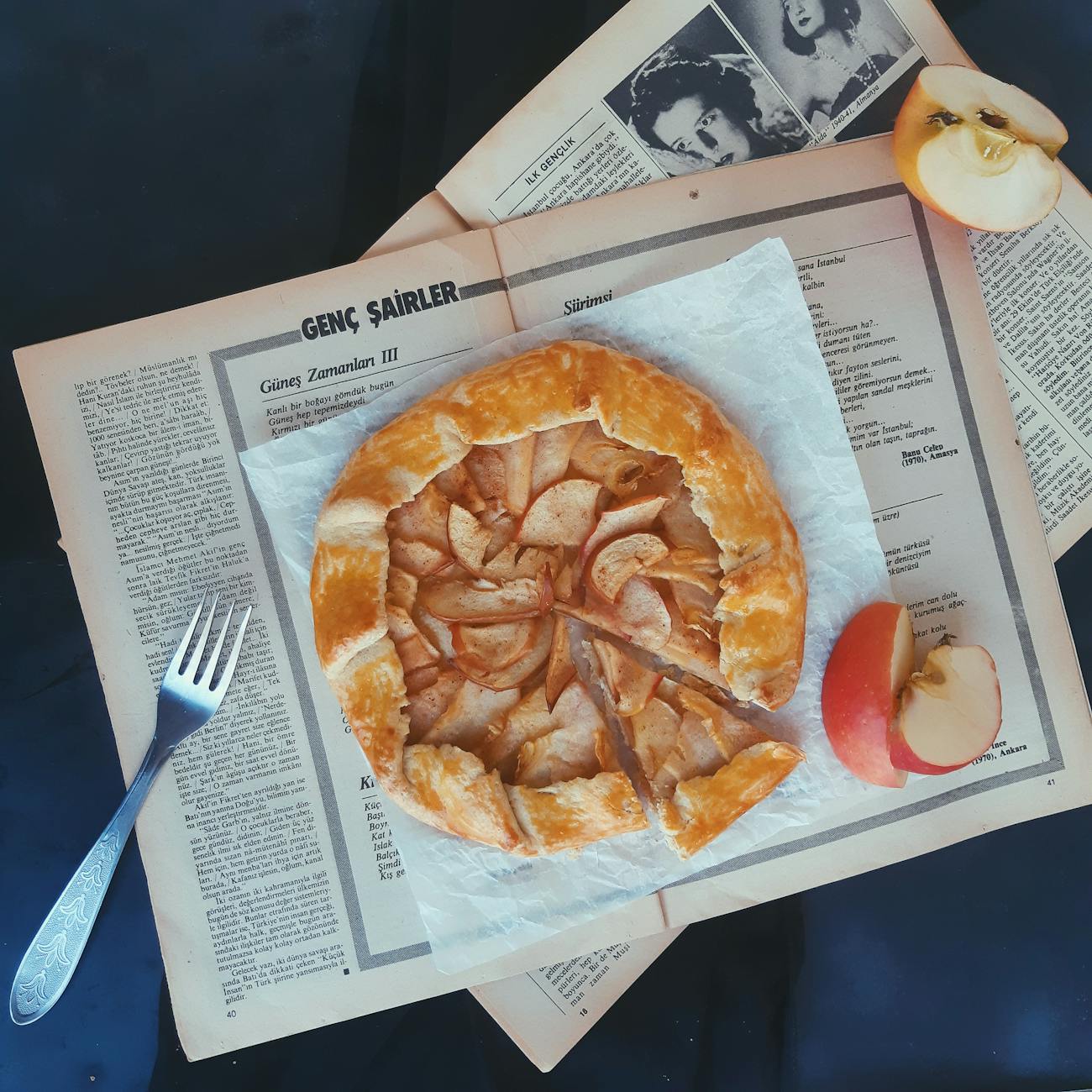
Food Writing and Journalism play a crucial role in the culinary world, providing a platform for food enthusiasts, professionals, and consumers to engage with the diverse and dynamic landscape of food culture. This glossary aims to provide a comprehensive understanding of key terms and vocabulary utilized in the Graduate Certificate in Culinary Storytelling, enhancing your ability to navigate the intricate world of food writing and journalism.
1. **Food Writing**: Food writing encompasses a wide range of genres, including cookbooks, food blogs, restaurant reviews, and culinary memoirs. It involves the art of describing food, its flavors, textures, and aromas, as well as exploring the cultural, historical, and social significance of food. Food writers often use descriptive language and storytelling techniques to engage readers and evoke sensory experiences related to food.
2. **Food Journalism**: Food journalism focuses on reporting news, trends, and stories related to the food industry, culinary events, chefs, restaurants, and food policies. It involves conducting research, interviewing key players in the food world, and writing articles that inform and educate readers about various aspects of food culture. Food journalists play a critical role in shaping public opinion and influencing food-related decisions.
3. **Culinary Storytelling**: Culinary storytelling combines elements of food writing and journalism to create compelling narratives about food and culinary experiences. It involves using storytelling techniques to engage readers, evoke emotions, and convey the cultural significance of food. Culinary storytellers often explore themes such as tradition, innovation, sustainability, and diversity in their work.
4. **Food Criticism**: Food criticism involves evaluating and reviewing food, restaurants, chefs, and culinary events. Food critics assess the quality of food based on criteria such as taste, presentation, service, ambiance, and value for money. They provide insights and recommendations to readers, helping them make informed decisions about where to dine and what to eat.
5. **Food Culture**: Food culture refers to the customs, traditions, beliefs, and practices related to food in a particular society or community. It encompasses food preferences, eating habits, cooking techniques, food rituals, and food-related celebrations. Understanding food culture is essential for food writers and journalists to contextualize their stories and connect with their audience.
6. **Gastronomy**: Gastronomy is the study of food and culture, encompassing the art, science, and history of food. It explores the relationship between food, society, and the environment, as well as the sensory experience of eating. Gastronomes are individuals who appreciate and analyze food in a holistic way, considering its cultural, social, and aesthetic dimensions.
7. **Food Sustainability**: Food sustainability refers to the practice of producing, consuming, and disposing of food in a way that minimizes environmental impact, preserves natural resources, and supports the well-being of present and future generations. It involves promoting sustainable agriculture, reducing food waste, supporting local food systems, and advocating for ethical food production practices.
8. **Farm-to-Table**: Farm-to-table is a culinary movement that emphasizes sourcing ingredients directly from local farms and producers to create fresh, seasonal, and sustainable dishes. It promotes transparency in the food supply chain, supports local economies, and encourages consumers to make informed choices about the food they eat. Farm-to-table dining experiences often highlight the flavors and quality of locally grown ingredients.
9. **Food Trends**: Food trends are shifts in consumer preferences, behaviors, and attitudes toward food and dining. They can be influenced by factors such as health and wellness, sustainability, cultural diversity, and technological advancements. Food writers and journalists often track and report on food trends to keep their audience informed about the latest developments in the food industry.
10. **Food Photography**: Food photography is the art of capturing images of food, beverages, and culinary creations. It involves using lighting, composition, styling, and editing techniques to create visually appealing and appetizing photographs. Food photographers play a crucial role in food writing and journalism by visually enhancing stories and engaging readers through compelling visuals.
11. **Recipe Development**: Recipe development is the process of creating and testing recipes for various dishes, beverages, and culinary creations. It involves experimenting with ingredients, proportions, cooking techniques, and flavors to achieve desired taste and texture. Recipe developers often collaborate with food writers, chefs, and food stylists to create original and innovative recipes for publication.
12. **Food Styling**: Food styling is the art of arranging and presenting food in a visually appealing and appetizing way for photography or video. It involves selecting props, garnishes, and backgrounds to enhance the aesthetics of food photos. Food stylists work closely with photographers and chefs to create mouth-watering images that showcase the beauty and artistry of food.
13. **Food Blogging**: Food blogging is a form of online writing that focuses on food, recipes, restaurant reviews, culinary experiences, and food-related topics. Food bloggers share their personal perspectives, expertise, and insights on food culture through blog posts, photos, videos, and social media channels. Food blogging has become a popular platform for food enthusiasts to connect, share, and engage with a global audience.
14. **Culinary Travel Writing**: Culinary travel writing combines elements of food writing and travel writing to explore the intersection of food, culture, and travel. It involves documenting culinary experiences, local cuisines, food traditions, and dining establishments in various destinations around the world. Culinary travel writers immerse themselves in the food culture of different regions, uncovering hidden gems and culinary delights for their readers.
15. **Food Memoir**: A food memoir is a literary genre that combines personal storytelling with food experiences, memories, and reflections. It involves recounting significant moments, relationships, and emotions associated with food and eating. Food memoirs often explore themes such as family, identity, nostalgia, and personal growth through the lens of food, offering readers a glimpse into the author's culinary journey.
16. **Food Ethics**: Food ethics refers to the moral principles, values, and beliefs that govern food production, distribution, consumption, and waste. It involves considerations of fairness, justice, sustainability, animal welfare, and social responsibility in the food system. Food writers and journalists often address ethical issues in their work, shedding light on ethical dilemmas and advocating for ethical food practices.
17. **Food Justice**: Food justice is a social movement that aims to address inequalities, injustices, and disparities in the food system. It advocates for access to healthy, affordable, and culturally appropriate food for all individuals, regardless of their socioeconomic status or background. Food justice initiatives focus on promoting food sovereignty, community empowerment, and food security in marginalized communities.
18. **Food Policy**: Food policy refers to government regulations, laws, and programs that govern food production, distribution, labeling, safety, and sustainability. It plays a crucial role in shaping food systems, influencing food access, and promoting public health. Food writers and journalists often cover food policy issues, highlighting the impact of policy decisions on food culture and consumer choices.
19. **Food Entrepreneurship**: Food entrepreneurship involves starting, managing, and growing food-related businesses, such as restaurants, food trucks, catering services, and food product companies. It requires creativity, innovation, business acumen, and culinary skills to succeed in the competitive food industry. Food entrepreneurs often collaborate with food writers and journalists to promote their businesses and products through storytelling and marketing.
20. **Food Marketing**: Food marketing is the process of promoting and selling food products, brands, and services to consumers. It involves strategies such as advertising, branding, social media, influencer partnerships, and product placement to attract and engage customers. Food marketers work closely with food writers and journalists to create compelling narratives and content that resonate with their target audience.
21. **Food Literacy**: Food literacy refers to the knowledge, skills, and attitudes needed to make informed and healthy food choices. It encompasses understanding food labels, cooking techniques, nutrition, food safety, and sustainability. Food writers and journalists play a vital role in promoting food literacy by educating and empowering consumers to navigate the complex food landscape and make conscious food decisions.
22. **Food Waste**: Food waste refers to the disposal of edible food that could have been consumed or utilized. It is a significant issue in the food system, contributing to environmental degradation, resource depletion, and food insecurity. Food writers and journalists often raise awareness about food waste, advocate for sustainable food practices, and highlight initiatives to reduce food waste at various stages of the food supply chain.
23. **Food Security**: Food security is the state of having reliable access to sufficient, safe, and nutritious food to meet dietary needs and preferences. It is a fundamental human right and a global challenge, with millions of people facing food insecurity due to poverty, conflict, climate change, and other factors. Food writers and journalists play a critical role in raising awareness about food security issues and advocating for equitable food access for all.
24. **Food Sovereignty**: Food sovereignty is the right of peoples to define their own food and agricultural systems, based on their cultural, social, economic, and ecological needs. It promotes community control over food production, distribution, and consumption, as well as sustainable and equitable food practices. Food writers and journalists often highlight food sovereignty movements and initiatives that empower communities to reclaim their food systems.
25. **Globalization of Food**: The globalization of food refers to the interconnectedness, exchange, and diffusion of food cultures, ingredients, and cuisines across national borders and regions. It has led to culinary fusion, hybridization, and innovation, as well as challenges related to cultural appropriation, homogenization, and food sovereignty. Food writers and journalists explore the impact of globalization on food culture, identity, and diversity in their work.
26. **Food Allergies and Intolerances**: Food allergies and intolerances are adverse reactions to specific foods or ingredients, resulting from immune responses or digestive issues. Common food allergens include peanuts, tree nuts, shellfish, dairy, gluten, and soy. Food writers and journalists often address food allergies and intolerances in their writing, providing information, tips, and recipes for individuals with dietary restrictions.
27. **Food Trends**: Food trends are shifts in consumer preferences, behaviors, and attitudes toward food and dining. They can be influenced by factors such as health and wellness, sustainability, cultural diversity, and technological advancements. Food writers and journalists often track and report on food trends to keep their audience informed about the latest developments in the food industry.
28. **Food Photography**: Food photography is the art of capturing images of food, beverages, and culinary creations. It involves using lighting, composition, styling, and editing techniques to create visually appealing and appetizing photographs. Food photographers play a crucial role in food writing and journalism by visually enhancing stories and engaging readers through compelling visuals.
29. **Recipe Development**: Recipe development is the process of creating and testing recipes for various dishes, beverages, and culinary creations. It involves experimenting with ingredients, proportions, cooking techniques, and flavors to achieve desired taste and texture. Recipe developers often collaborate with food writers, chefs, and food stylists to create original and innovative recipes for publication.
30. **Food Styling**: Food styling is the art of arranging and presenting food in a visually appealing and appetizing way for photography or video. It involves selecting props, garnishes, and backgrounds to enhance the aesthetics of food photos. Food stylists work closely with photographers and chefs to create mouth-watering images that showcase the beauty and artistry of food.
31. **Food Blogging**: Food blogging is a form of online writing that focuses on food, recipes, restaurant reviews, culinary experiences, and food-related topics. Food bloggers share their personal perspectives, expertise, and insights on food culture through blog posts, photos, videos, and social media channels. Food blogging has become a popular platform for food enthusiasts to connect, share, and engage with a global audience.
32. **Culinary Travel Writing**: Culinary travel writing combines elements of food writing and travel writing to explore the intersection of food, culture, and travel. It involves documenting culinary experiences, local cuisines, food traditions, and dining establishments in various destinations around the world. Culinary travel writers immerse themselves in the food culture of different regions, uncovering hidden gems and culinary delights for their readers.
33. **Food Memoir**: A food memoir is a literary genre that combines personal storytelling with food experiences, memories, and reflections. It involves recounting significant moments, relationships, and emotions associated with food and eating. Food memoirs often explore themes such as family, identity, nostalgia, and personal growth through the lens of food, offering readers a glimpse into the author's culinary journey.
34. **Food Ethics**: Food ethics refers to the moral principles, values, and beliefs that govern food production, distribution, consumption, and waste. It involves considerations of fairness, justice, sustainability, animal welfare, and social responsibility in the food system. Food writers and journalists often address ethical issues in their work, shedding light on ethical dilemmas and advocating for ethical food practices.
35. **Food Justice**: Food justice is a social movement that aims to address inequalities, injustices, and disparities in the food system. It advocates for access to healthy, affordable, and culturally appropriate food for all individuals, regardless of their socioeconomic status or background. Food justice initiatives focus on promoting food sovereignty, community empowerment, and food security in marginalized communities.
36. **Food Policy**: Food policy refers to government regulations, laws, and programs that govern food production, distribution, labeling, safety, and sustainability. It plays a crucial role in shaping food systems, influencing food access, and promoting public health. Food writers and journalists often cover food policy issues, highlighting the impact of policy decisions on food culture and consumer choices.
37. **Food Entrepreneurship**: Food entrepreneurship involves starting, managing, and growing food-related businesses, such as restaurants, food trucks, catering services, and food product companies. It requires creativity, innovation, business acumen, and culinary skills to succeed in the competitive food industry. Food entrepreneurs often collaborate with food writers and journalists to promote their businesses and products through storytelling and marketing.
38. **Food Marketing**: Food marketing is the process of promoting and selling food products, brands, and services to consumers. It involves strategies such as advertising, branding, social media, influencer partnerships, and product placement to attract and engage customers. Food marketers work closely with food writers and journalists to create compelling narratives and content that resonate with their target audience.
39. **Food Literacy**: Food literacy refers to the knowledge, skills, and attitudes needed to make informed and healthy food choices. It encompasses understanding food labels, cooking techniques, nutrition, food safety, and sustainability. Food writers and journalists play a vital role in promoting food literacy by educating and empowering consumers to navigate the complex food landscape and make conscious food decisions.
40. **Food Waste**: Food waste refers to the disposal of edible food that could have been consumed or utilized. It is a significant issue in the food system, contributing to environmental degradation, resource depletion, and food insecurity. Food writers and journalists often raise awareness about food waste, advocate for sustainable food practices, and highlight initiatives to reduce food waste at various stages of the food supply chain.
41. **Food Security**: Food security is the state of having reliable access to sufficient, safe, and nutritious food to meet dietary needs and preferences. It is a fundamental human right and a global challenge, with millions of people facing food insecurity due to poverty, conflict, climate change, and other factors. Food writers and journalists play a critical role in raising awareness about food security issues and advocating for equitable food access for all.
42. **Food Sovereignty**: Food sovereignty is the right of peoples to define their own food and agricultural systems, based on their cultural, social, economic, and ecological needs. It promotes community control over food production, distribution, and consumption, as well as sustainable and equitable food practices. Food writers and journalists often highlight food sovereignty movements and initiatives that empower communities to reclaim their food systems.
43. **Globalization of Food**: The globalization of food refers to the interconnectedness, exchange, and diffusion of food cultures, ingredients, and cuisines across national borders and regions. It has led to culinary fusion, hybridization, and innovation, as well as challenges related to cultural appropriation, homogenization, and food sovereignty. Food writers and journalists explore the impact of globalization on food culture, identity, and diversity in their work.
44. **Food Allergies and Intolerances**: Food allergies and intolerances are adverse reactions to specific foods or ingredients, resulting from immune responses or digestive issues. Common food allergens include peanuts, tree nuts, shellfish, dairy, gluten, and soy. Food writers and journalists often address food allergies and intolerances in their writing, providing information, tips, and recipes for individuals with dietary restrictions.
45. **Food Trends**: Food trends are shifts in consumer preferences, behaviors, and attitudes toward food and dining. They can be influenced by factors such as health and wellness, sustainability, cultural diversity, and technological advancements. Food writers and journalists often track and report on food trends to keep their audience informed about the latest developments in the food industry.
46. **Food Photography**: Food photography is the art of capturing images of food, beverages, and culinary creations. It involves using lighting, composition, styling, and editing techniques to create visually appealing and appetizing photographs. Food photographers play a crucial role in food writing and journalism by visually enhancing stories and engaging readers through compelling visuals.
47. **Recipe Development**: Recipe development is the process of creating and testing recipes for various dishes, beverages, and culinary creations. It involves experimenting with ingredients, proportions, cooking techniques, and flavors to achieve desired taste and texture. Recipe developers often collaborate with food writers, chefs, and food stylists to create original and innovative recipes for publication.
48. **Food Styling**: Food styling is the art of arranging and presenting food in a visually appealing and appetizing way for photography or video. It involves selecting props, garnishes, and backgrounds to enhance the aesthetics of food photos. Food stylists work closely with photographers and chefs to create mouth-watering images that showcase the beauty and artistry of food.
49. **Food Blogging**: Food blogging is a form of online writing that focuses on food, recipes, restaurant reviews, culinary experiences, and food-related topics. Food bloggers share their personal perspectives, expertise, and insights on food culture through blog posts, photos, videos, and social media channels. Food blogging has become a popular platform for food enthusiasts to connect, share, and engage with a global audience.
50. **Culinary Travel Writing**: Culinary travel writing combines elements of food writing and travel writing to explore the intersection of food, culture, and travel. It involves documenting culinary experiences, local cuisines, food traditions, and dining establishments in various destinations around the world. Culinary travel writers immerse themselves in the food culture of different regions, uncovering hidden gems and culinary delights for their readers.
51. **Food Memoir**: A food memoir is a literary genre that combines personal storytelling with food experiences, memories, and reflections. It involves recounting significant moments, relationships, and emotions associated with food and eating. Food memoirs often explore themes such as family, identity, nostalgia, and personal growth through the lens of food, offering readers a glimpse into the author's culinary journey.
52. **Food Ethics**: Food ethics refers to the moral
Key takeaways
- This glossary aims to provide a comprehensive understanding of key terms and vocabulary utilized in the Graduate Certificate in Culinary Storytelling, enhancing your ability to navigate the intricate world of food writing and journalism.
- It involves the art of describing food, its flavors, textures, and aromas, as well as exploring the cultural, historical, and social significance of food.
- **Food Journalism**: Food journalism focuses on reporting news, trends, and stories related to the food industry, culinary events, chefs, restaurants, and food policies.
- **Culinary Storytelling**: Culinary storytelling combines elements of food writing and journalism to create compelling narratives about food and culinary experiences.
- They provide insights and recommendations to readers, helping them make informed decisions about where to dine and what to eat.
- **Food Culture**: Food culture refers to the customs, traditions, beliefs, and practices related to food in a particular society or community.
- Gastronomes are individuals who appreciate and analyze food in a holistic way, considering its cultural, social, and aesthetic dimensions.