
Introduction to Evolutionary Psychology
Evolutionary Psychology is a field that seeks to understand and explain human behavior through the lens of evolutionary principles. By examining how natural selection has shaped our cognitive abilities, emotions, and behaviors, evolutionary…
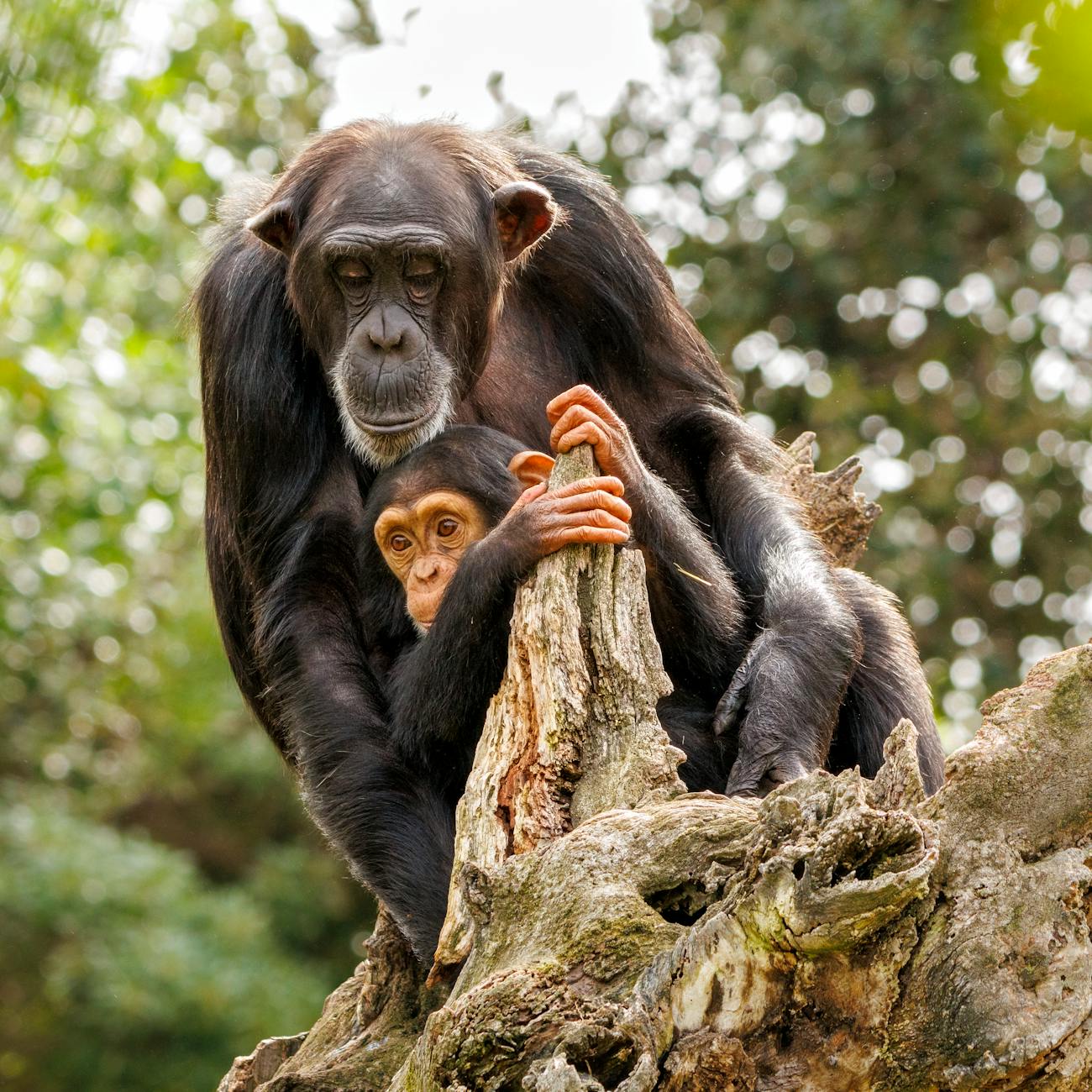
Evolutionary Psychology is a field that seeks to understand and explain human behavior through the lens of evolutionary principles. By examining how natural selection has shaped our cognitive abilities, emotions, and behaviors, evolutionary psychologists aim to uncover the underlying mechanisms that drive human actions.
Key Terms and Concepts:
1. **Evolution**: Evolution is the process by which species change over time through genetic variation and natural selection. In the context of evolutionary psychology, it refers to the gradual changes in human behavior that have occurred over generations in response to environmental pressures.
2. **Natural Selection**: Natural selection is the mechanism by which certain traits are favored over others in a population because they increase an organism's chances of survival and reproduction. Traits that are adaptive are more likely to be passed on to future generations, leading to evolutionary change.
3. **Adaptation**: Adaptations are traits or behaviors that have evolved because they enhance an organism's fitness in a particular environment. These adaptations help individuals survive and reproduce, increasing the chances of passing on their genes to the next generation.
4. **Fitness**: Fitness refers to an organism's ability to survive and reproduce in a given environment. Individuals with higher fitness are more likely to pass on their genes to future generations, leading to evolutionary change over time.
5. **Environment of Evolutionary Adaptedness (EEA)**: The EEA is the ancestral environment in which a species evolved. In the context of evolutionary psychology, it refers to the environment in which human ancestors lived and adapted to over millions of years.
6. **Mismatch Theory**: Mismatch theory suggests that many of the psychological mechanisms that evolved in our ancestral past may no longer be adaptive in modern environments. This can lead to behaviors or cognitive biases that are maladaptive in contemporary society.
7. **Sexual Selection**: Sexual selection is a type of natural selection that operates on traits that affect an organism's ability to attract mates and reproduce. These traits may not necessarily enhance survival but can increase an individual's reproductive success.
8. **Parental Investment**: Parental investment refers to the resources (time, energy, etc.) that parents invest in their offspring to ensure their survival and reproductive success. This concept is important in understanding mating strategies and behaviors in evolutionary psychology.
9. **Inclusive Fitness**: Inclusive fitness is a measure of an organism's success in passing on its genes not only through its own reproduction but also through the reproduction of close relatives. This concept helps explain altruistic behaviors that benefit kin.
10. **Evolutionarily Stable Strategies (ESS)**: ESS are behaviors or strategies that, once adopted by a population, cannot be easily invaded by alternative strategies. These strategies are stable over time because they confer a fitness advantage in a given environment.
11. **Pleistocene Era**: The Pleistocene era is a geological period that lasted from about 2.6 million to 11,700 years ago. It is significant in evolutionary psychology as the environment in which many of our cognitive and behavioral adaptations evolved.
12. **Kin Selection**: Kin selection is a form of natural selection that favors behaviors that increase the reproductive success of close relatives, even at a cost to the individual. This concept helps explain altruistic behaviors that benefit genetic relatives.
13. **Reciprocal Altruism**: Reciprocal altruism is a form of cooperation in which individuals help others with the expectation of receiving help in return. This strategy can be evolutionarily advantageous in situations where repeated interactions occur.
14. **Evolutionary Mismatch**: Evolutionary mismatch occurs when the environment in which a species evolved differs significantly from the current environment, leading to maladaptive behaviors or psychological mechanisms. This can result in health problems or social issues.
15. **Mating Strategies**: Mating strategies are behaviors or tactics used by individuals to attract and retain mates for reproductive purposes. These strategies can vary based on an individual's sex, age, and social context.
16. **Environment of Evolutionary Adaptedness (EEA)**: The EEA is the ancestral environment in which a species evolved. In the context of evolutionary psychology, it refers to the environment in which human ancestors lived and adapted to over millions of years.
17. **Mismatch Theory**: Mismatch theory suggests that many of the psychological mechanisms that evolved in our ancestral past may no longer be adaptive in modern environments. This can lead to behaviors or cognitive biases that are maladaptive in contemporary society.
18. **Sexual Selection**: Sexual selection is a type of natural selection that operates on traits that affect an organism's ability to attract mates and reproduce. These traits may not necessarily enhance survival but can increase an individual's reproductive success.
19. **Parental Investment**: Parental investment refers to the resources (time, energy, etc.) that parents invest in their offspring to ensure their survival and reproductive success. This concept is important in understanding mating strategies and behaviors in evolutionary psychology.
20. **Inclusive Fitness**: Inclusive fitness is a measure of an organism's success in passing on its genes not only through its own reproduction but also through the reproduction of close relatives. This concept helps explain altruistic behaviors that benefit kin.
21. **Evolutionarily Stable Strategies (ESS)**: ESS are behaviors or strategies that, once adopted by a population, cannot be easily invaded by alternative strategies. These strategies are stable over time because they confer a fitness advantage in a given environment.
22. **Pleistocene Era**: The Pleistocene era is a geological period that lasted from about 2.6 million to 11,700 years ago. It is significant in evolutionary psychology as the environment in which many of our cognitive and behavioral adaptations evolved.
23. **Kin Selection**: Kin selection is a form of natural selection that favors behaviors that increase the reproductive success of close relatives, even at a cost to the individual. This concept helps explain altruistic behaviors that benefit genetic relatives.
24. **Reciprocal Altruism**: Reciprocal altruism is a form of cooperation in which individuals help others with the expectation of receiving help in return. This strategy can be evolutionarily advantageous in situations where repeated interactions occur.
25. **Evolutionary Mismatch**: Evolutionary mismatch occurs when the environment in which a species evolved differs significantly from the current environment, leading to maladaptive behaviors or psychological mechanisms. This can result in health problems or social issues.
26. **Mating Strategies**: Mating strategies are behaviors or tactics used by individuals to attract and retain mates for reproductive purposes. These strategies can vary based on an individual's sex, age, and social context.
27. **Sociobiology**: Sociobiology is the study of social behavior in animals, including humans, from an evolutionary perspective. It seeks to understand how evolutionary forces have shaped social interactions and group dynamics.
28. **Cognitive Modules**: Cognitive modules are specialized mental mechanisms or processes that evolved to solve specific adaptive problems. These modules are thought to be domain-specific and may have evolved to handle tasks such as language acquisition, spatial reasoning, or social interaction.
29. **Environment of Evolutionary Adaptedness (EEA)**: The EEA is the ancestral environment in which a species evolved. In the context of evolutionary psychology, it refers to the environment in which human ancestors lived and adapted to over millions of years.
30. **Mismatch Theory**: Mismatch theory suggests that many of the psychological mechanisms that evolved in our ancestral past may no longer be adaptive in modern environments. This can lead to behaviors or cognitive biases that are maladaptive in contemporary society.
31. **Sexual Selection**: Sexual selection is a type of natural selection that operates on traits that affect an organism's ability to attract mates and reproduce. These traits may not necessarily enhance survival but can increase an individual's reproductive success.
32. **Parental Investment**: Parental investment refers to the resources (time, energy, etc.) that parents invest in their offspring to ensure their survival and reproductive success. This concept is important in understanding mating strategies and behaviors in evolutionary psychology.
33. **Inclusive Fitness**: Inclusive fitness is a measure of an organism's success in passing on its genes not only through its own reproduction but also through the reproduction of close relatives. This concept helps explain altruistic behaviors that benefit kin.
34. **Evolutionarily Stable Strategies (ESS)**: ESS are behaviors or strategies that, once adopted by a population, cannot be easily invaded by alternative strategies. These strategies are stable over time because they confer a fitness advantage in a given environment.
35. **Pleistocene Era**: The Pleistocene era is a geological period that lasted from about 2.6 million to 11,700 years ago. It is significant in evolutionary psychology as the environment in which many of our cognitive and behavioral adaptations evolved.
36. **Kin Selection**: Kin selection is a form of natural selection that favors behaviors that increase the reproductive success of close relatives, even at a cost to the individual. This concept helps explain altruistic behaviors that benefit genetic relatives.
37. **Reciprocal Altruism**: Reciprocal altruism is a form of cooperation in which individuals help others with the expectation of receiving help in return. This strategy can be evolutionarily advantageous in situations where repeated interactions occur.
38. **Evolutionary Mismatch**: Evolutionary mismatch occurs when the environment in which a species evolved differs significantly from the current environment, leading to maladaptive behaviors or psychological mechanisms. This can result in health problems or social issues.
39. **Mating Strategies**: Mating strategies are behaviors or tactics used by individuals to attract and retain mates for reproductive purposes. These strategies can vary based on an individual's sex, age, and social context.
Practical Applications:
Understanding evolutionary psychology has practical implications in various fields, including:
1. **Health Psychology**: By understanding how evolutionary forces have shaped human behavior, health psychologists can develop interventions that are more in line with our evolved psychology. For example, understanding our preference for high-calorie foods can help in designing effective weight loss programs.
2. **Criminal Justice**: Evolutionary psychology can provide insights into criminal behavior and help inform strategies for crime prevention and rehabilitation. For instance, understanding the evolutionary roots of aggression can help in developing more effective anger management programs.
3. **Marketing and Advertising**: Marketers can leverage evolutionary psychology principles to better understand consumer behavior and design more effective advertising campaigns. For example, tapping into consumers' desire for social status can influence purchasing decisions.
4. **Education**: Educators can use evolutionary psychology to design curriculum and teaching methods that align with students' cognitive abilities and learning preferences. For example, understanding the evolved mechanisms for language acquisition can improve language instruction strategies.
Challenges:
Despite its potential applications, evolutionary psychology also faces several challenges:
1. **Criticism**: Evolutionary psychology has been criticized for oversimplifying complex behavior and relying too heavily on just-so stories. Critics argue that it may overlook the role of culture, individual differences, and social influences in shaping human behavior.
2. **Ethical Concerns**: Some ethical concerns have been raised regarding the implications of evolutionary psychology for social policies and individual freedoms. For example, using evolutionary explanations to justify gender inequality or discrimination can be problematic.
3. **Empirical Validation**: Some hypotheses in evolutionary psychology are difficult to test empirically, leading to debates about the validity and reliability of the field's findings. Replicability and robustness of research findings are ongoing challenges in the field.
4. **Interdisciplinary Collaboration**: Evolutionary psychology often requires collaboration with other fields such as anthropology, biology, and sociology. Bridging the gap between disciplines and integrating diverse perspectives can be challenging but is essential for a holistic understanding of human behavior.
In conclusion, evolutionary psychology offers valuable insights into the origins and mechanisms of human behavior. By studying how our ancestors adapted to their environments over millennia, we can gain a deeper understanding of why we think, feel, and act the way we do. While the field faces challenges and criticisms, its potential applications in various domains make it a crucial area of study for understanding the complexities of human nature.
Key takeaways
- By examining how natural selection has shaped our cognitive abilities, emotions, and behaviors, evolutionary psychologists aim to uncover the underlying mechanisms that drive human actions.
- In the context of evolutionary psychology, it refers to the gradual changes in human behavior that have occurred over generations in response to environmental pressures.
- **Natural Selection**: Natural selection is the mechanism by which certain traits are favored over others in a population because they increase an organism's chances of survival and reproduction.
- **Adaptation**: Adaptations are traits or behaviors that have evolved because they enhance an organism's fitness in a particular environment.
- Individuals with higher fitness are more likely to pass on their genes to future generations, leading to evolutionary change over time.
- In the context of evolutionary psychology, it refers to the environment in which human ancestors lived and adapted to over millions of years.
- **Mismatch Theory**: Mismatch theory suggests that many of the psychological mechanisms that evolved in our ancestral past may no longer be adaptive in modern environments.