
Adaptations and Life History Strategies
Evolutionary psychology is a fascinating field that explores how human behavior and cognition have been shaped by natural selection over time. One key concept in this field is **adaptations**, which are traits that have evolved because they…
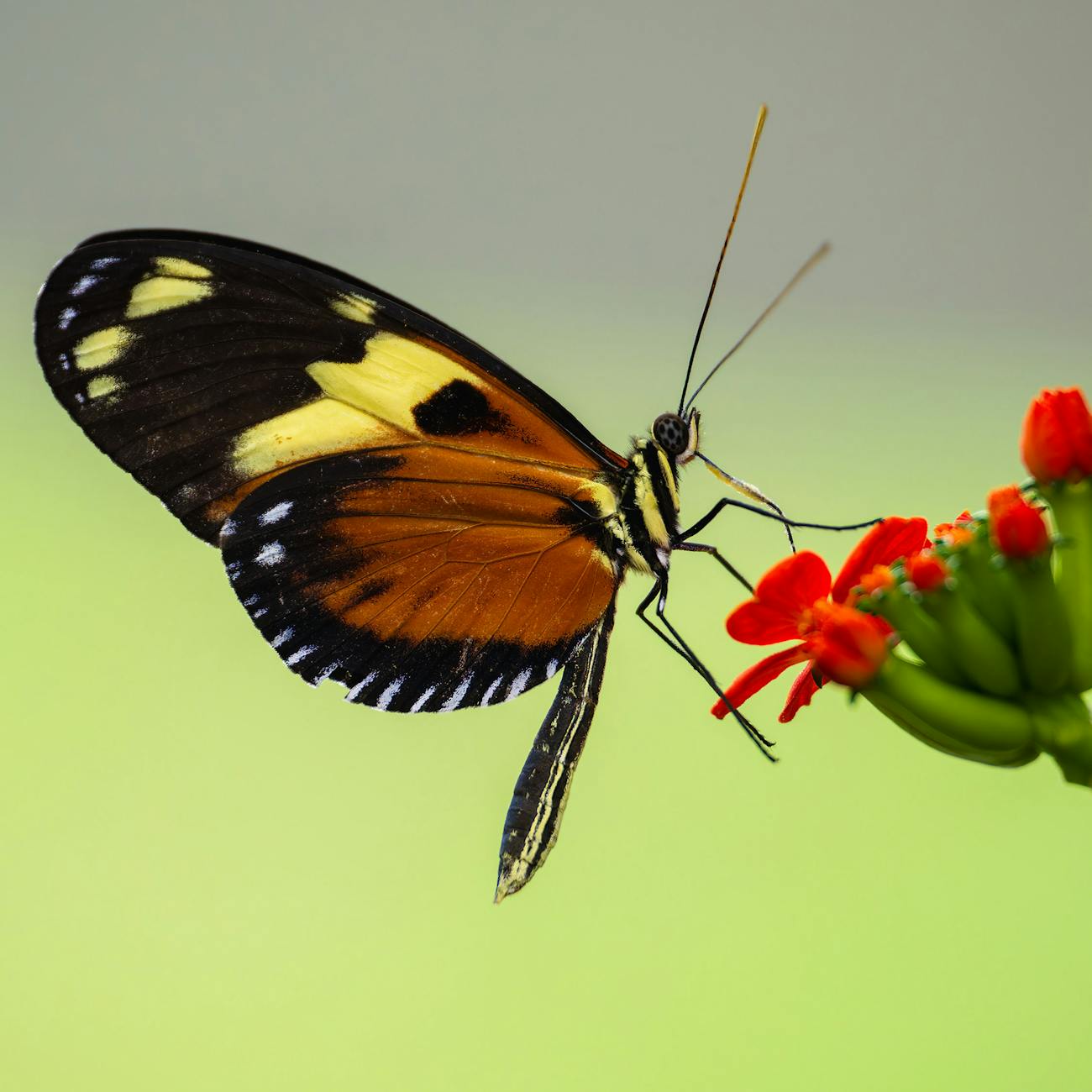
Evolutionary psychology is a fascinating field that explores how human behavior and cognition have been shaped by natural selection over time. One key concept in this field is **adaptations**, which are traits that have evolved because they increase the chances of survival and reproduction in a particular environment. Adaptations can take many forms, from physical features like the human hand, which is adapted for grasping objects, to psychological mechanisms like fear, which helps us avoid dangerous situations.
**Life history strategies** are another important concept in evolutionary psychology. These strategies refer to the way organisms allocate their time and energy to different activities throughout their lives, such as growth, reproduction, and parental care. Different species have evolved different life history strategies based on their ecological niche and reproductive goals.
Adaptations and life history strategies are closely intertwined, as adaptations often play a key role in determining an organism's life history strategy. In this course, we will explore how these concepts shape human behavior and cognition, and how they can help us understand why we act the way we do in various situations.
### Key Terms and Vocabulary:
1. **Fitness**: In evolutionary terms, fitness refers to an organism's ability to survive and reproduce in a given environment. Traits that increase fitness are more likely to be passed on to future generations.
2. **Natural Selection**: The process by which traits that increase an organism's chances of survival and reproduction are more likely to be passed on to future generations. Natural selection is the driving force behind evolution.
3. **Sexual Selection**: A form of natural selection that operates on traits related to mating success. This can include traits that are attractive to potential mates (such as bright plumage in birds) or traits that help an individual compete for mates (such as the antlers of male deer).
4. **Parental Investment**: The time, energy, and resources that a parent invests in raising offspring. In many species, females typically invest more in parental care than males due to the asymmetry in reproductive costs.
5. **Life History Trade-offs**: The idea that organisms face trade-offs when allocating resources to different life history activities. For example, investing more in growth may come at the expense of reproductive effort.
6. **Life History Plasticity**: The ability of an organism to adjust its life history strategy in response to changing environmental conditions. This flexibility can increase an organism's chances of survival and reproduction.
7. **Life History Theory**: A branch of evolutionary biology that seeks to understand the diversity of life history strategies observed in nature and the factors that influence their evolution.
8. **Phenotypic Plasticity**: The ability of an organism to produce different phenotypes (observable traits) in response to environmental cues. This can allow organisms to adapt to changing conditions without genetic change.
9. **Trade-off**: A situation in which one trait cannot increase without a decrease in another trait. Trade-offs are common in evolutionary biology and can shape the evolution of adaptations and life history strategies.
10. **Life Cycle**: The series of stages that an organism goes through from birth to death. Each stage may be characterized by different life history strategies and adaptations.
11. **Life History Events**: Key milestones in an organism's life cycle, such as birth, maturation, reproduction, and death. These events can influence the allocation of resources and energy throughout an organism's life.
12. **Life History Traits**: Characteristics of an organism that are related to its life history strategy, such as age at first reproduction, number of offspring produced, and lifespan.
13. **Reproductive Success**: The ability of an organism to pass on its genes to the next generation. Reproductive success is a key component of an organism's fitness.
14. **Parental Care**: The investment of time and resources by parents in the care of their offspring. Parental care can increase the chances of offspring survival and reproductive success.
15. **Life History Strategy Spectrum**: The range of life history strategies observed in nature, from fast-paced, high-reproductive strategies to slow-paced, low-reproductive strategies. Different species may fall at different points along this spectrum.
16. **Life History Variation**: The diversity of life history strategies observed within and between species. This variation can be influenced by factors such as environmental conditions, resource availability, and competition.
17. **Life History Constraints**: Factors that limit the range of possible life history strategies that an organism can adopt. Constraints can include genetic limitations, environmental pressures, and trade-offs between competing demands.
18. **Life History Optimization**: The process by which organisms evolve to maximize their reproductive success given the constraints and opportunities of their environment. Optimization can lead to the evolution of complex adaptations and behaviors.
19. **Life History Diversity**: The variety of life history strategies observed across different species and populations. This diversity reflects the adaptability of organisms to a wide range of ecological niches and reproductive challenges.
20. **Life History Evolution**: The process by which life history strategies and adaptations change over time in response to selective pressures. Life history evolution is shaped by factors such as environmental change, competition, and predation.
21. **Life History Patterns**: Recurring trends or patterns in the life history strategies of different species. These patterns can provide insights into the evolutionary processes that have shaped life history diversity.
22. **Life History Research Methods**: The techniques and approaches used by scientists to study life history strategies in different organisms. These methods can include field observations, experiments, comparative analysis, and mathematical modeling.
23. **Life History Challenges**: The obstacles and uncertainties that organisms face in their quest to maximize reproductive success. These challenges can include environmental variability, predation, disease, and competition for resources.
24. **Life History Adaptations**: Traits that have evolved to enhance an organism's ability to survive and reproduce in a particular environment. Life history adaptations can include physical, behavioral, and physiological traits.
25. **Life History Strategy Shifts**: Changes in an organism's life history strategy in response to changing environmental conditions or selective pressures. Strategy shifts can occur over evolutionary time scales or within an individual's lifetime.
26. **Life History Flexibility**: The ability of an organism to adjust its life history strategy in real-time in response to immediate environmental cues. Flexibility can enhance an organism's chances of survival and reproductive success in variable or unpredictable environments.
27. **Life History Predictions**: Hypotheses or models that predict how organisms should allocate resources to different life history activities based on their ecological niche, life cycle, and reproductive goals. Testing these predictions can provide insights into the factors driving life history evolution.
28. **Life History Plasticity Mechanisms**: The genetic, physiological, and developmental processes that underlie an organism's ability to exhibit phenotypic plasticity in response to environmental cues. These mechanisms can include hormonal regulation, gene expression changes, and developmental pathways.
29. **Life History Strategies and Human Evolution**: The ways in which life history strategies have shaped human evolution and behavior. Human life history features, such as long lifespan, delayed reproduction, and extensive parental care, are thought to be adaptations to our social and ecological niche.
30. **Life History Perspectives**: Different theoretical frameworks and perspectives used to study life history strategies in evolutionary psychology. These perspectives can include evolutionary ecology, behavioral ecology, life history theory, and comparative biology.
By understanding these key terms and vocabulary related to adaptations and life history strategies, you will be better equipped to explore the fascinating world of evolutionary psychology and gain insights into the complex ways in which organisms have evolved to maximize their chances of survival and reproduction.
Key takeaways
- Adaptations can take many forms, from physical features like the human hand, which is adapted for grasping objects, to psychological mechanisms like fear, which helps us avoid dangerous situations.
- These strategies refer to the way organisms allocate their time and energy to different activities throughout their lives, such as growth, reproduction, and parental care.
- In this course, we will explore how these concepts shape human behavior and cognition, and how they can help us understand why we act the way we do in various situations.
- **Fitness**: In evolutionary terms, fitness refers to an organism's ability to survive and reproduce in a given environment.
- **Natural Selection**: The process by which traits that increase an organism's chances of survival and reproduction are more likely to be passed on to future generations.
- This can include traits that are attractive to potential mates (such as bright plumage in birds) or traits that help an individual compete for mates (such as the antlers of male deer).
- In many species, females typically invest more in parental care than males due to the asymmetry in reproductive costs.