
Cultural Perspectives on Nature
Cultural Perspectives on Nature: In the Advanced Certificate in Ecopsychology and Deep Ecology, understanding cultural perspectives on nature is crucial for exploring the interconnectedness between humans and the natural world. Culture shap…
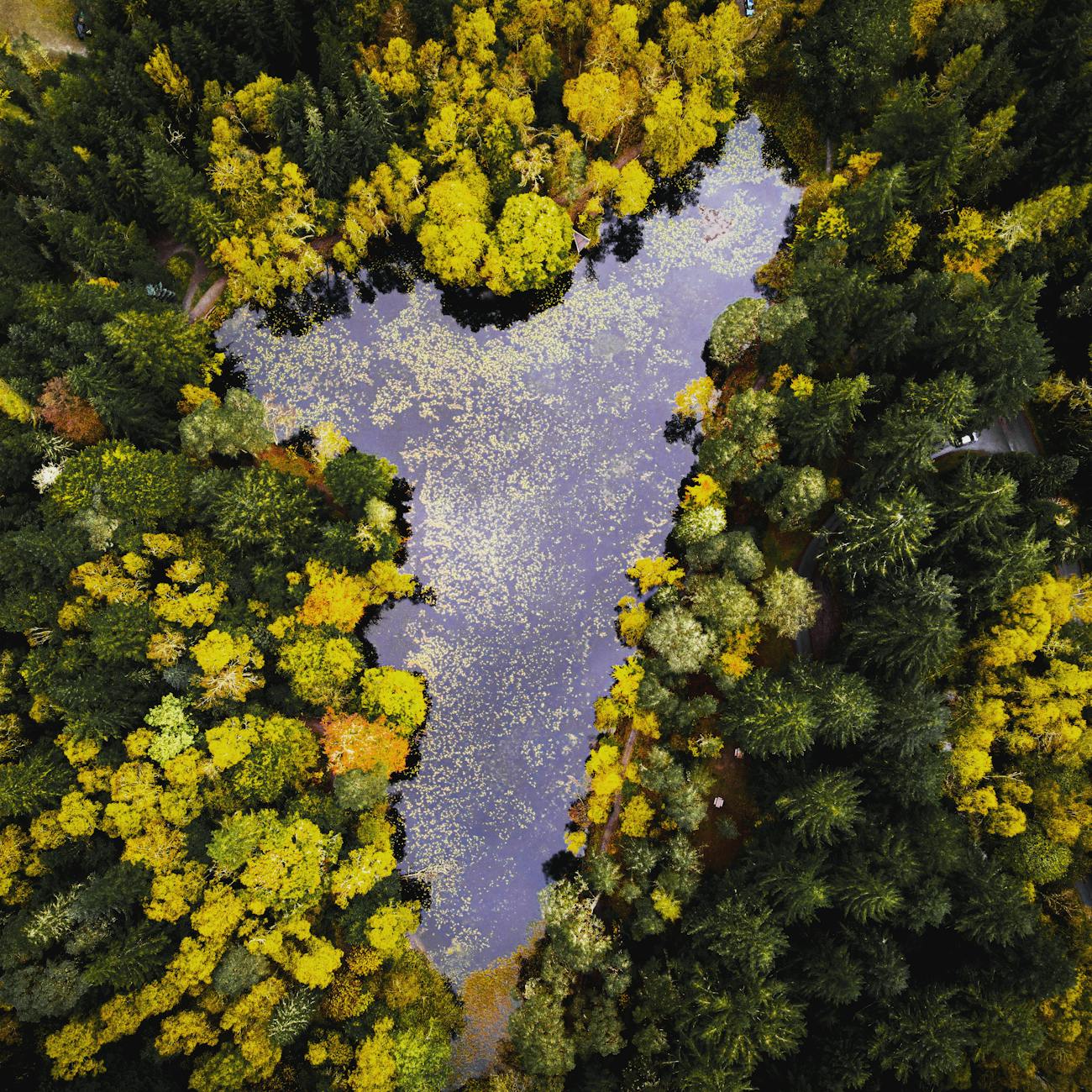
Cultural Perspectives on Nature: In the Advanced Certificate in Ecopsychology and Deep Ecology, understanding cultural perspectives on nature is crucial for exploring the interconnectedness between humans and the natural world. Culture shapes how individuals perceive, interact with, and value nature, influencing environmental beliefs and behaviors. By examining diverse cultural perspectives on nature, we can gain insight into the complex relationship between humans and the environment.
Ecopsychology: Ecopsychology is a field that explores the interconnection between human well-being and the natural world. It recognizes the impact of nature on psychological health and emphasizes the importance of a harmonious relationship with the environment for overall well-being. Ecopsychology seeks to bridge the gap between psychology and ecology, offering a holistic approach to mental health that considers the reciprocal relationship between humans and nature.
Deep Ecology: Deep Ecology is a philosophical and environmental movement that advocates for a profound shift in human consciousness towards a more ecocentric worldview. Deep ecologists believe in the intrinsic value of all living beings and the interconnectedness of all life forms. This perspective challenges anthropocentric views that prioritize human interests over the well-being of the planet, promoting ecological wisdom and sustainability.
Nature: Nature refers to the physical world and all living organisms that exist outside of human civilization. It encompasses natural landscapes, ecosystems, plants, animals, and the elements. Nature provides essential resources for human survival and well-being, including clean air, water, food, and shelter. Understanding and respecting nature is fundamental to ecological balance and sustainability.
Cultural Diversity: Cultural diversity refers to the variety of cultures, beliefs, practices, and traditions that exist within human societies. Cultural diversity influences how different communities perceive and interact with nature. Each culture has unique values, norms, and worldviews that shape its relationship with the environment. Recognizing and celebrating cultural diversity is essential for promoting environmental awareness and fostering inclusive approaches to conservation.
Indigenous Knowledge: Indigenous knowledge encompasses the traditional knowledge, practices, and beliefs of indigenous peoples regarding the natural world. Indigenous communities have a deep connection to the land and possess valuable ecological knowledge that has been passed down through generations. This knowledge often includes sustainable practices, spiritual teachings, and a profound respect for the Earth. Incorporating indigenous knowledge into environmental conservation efforts can enhance sustainability and foster cultural resilience.
Sacred Ecology: Sacred ecology is the belief that nature is sacred and imbued with spiritual significance. Many cultures around the world hold sacred beliefs about the Earth, viewing the natural world as a manifestation of the divine. Sacred ecology emphasizes the interconnectedness of all life forms and the need to honor and protect the Earth as a sacred being. This perspective inspires reverence for nature and promotes ethical stewardship of the environment.
Environmental Ethics: Environmental ethics is a branch of philosophy that examines the moral obligations and responsibilities of humans towards the environment. It explores ethical principles and values that guide human behavior in relation to nature. Environmental ethics considers questions of justice, sustainability, and intergenerational equity, advocating for ethical decision-making that prioritizes environmental protection and ecological integrity.
Biocentrism: Biocentrism is an ethical perspective that assigns intrinsic value to all living organisms, viewing them as ends in themselves rather than means to human ends. Biocentrism challenges anthropocentric views that prioritize human interests over the well-being of other species. This perspective promotes respect for the inherent worth of all life forms and advocates for the protection of biodiversity and ecosystems.
Anthropocentrism: Anthropocentrism is a human-centered worldview that places human interests and well-being above all other considerations. Anthropocentric beliefs often lead to the exploitation of nature for human benefit, resulting in environmental degradation and biodiversity loss. Critics of anthropocentrism argue that it perpetuates a harmful disconnect between humans and the natural world, prioritizing short-term gains over long-term sustainability.
Ecological Consciousness: Ecological consciousness refers to an awareness of the interconnectedness of all life forms and ecosystems on Earth. It involves recognizing the impact of human actions on the environment and acknowledging the need for sustainable living practices. Ecological consciousness fosters a sense of responsibility towards the Earth and promotes environmental stewardship as a collective endeavor.
Biophilia: Biophilia is the innate human tendency to connect with and seek affinity with nature and other living organisms. Coined by biologist E.O. Wilson, biophilia suggests that humans have an inherent affinity for the natural world, stemming from our evolutionary history as part of the Earth's ecosystems. Biophilia theory highlights the importance of nature in promoting human well-being, health, and psychological resilience.
Environmental Justice: Environmental justice is the fair treatment and meaningful involvement of all people, regardless of race, ethnicity, or socioeconomic status, in environmental decision-making and policy. Environmental justice advocates for equitable distribution of environmental benefits and burdens, addressing environmental inequalities and advocating for marginalized communities disproportionately affected by environmental degradation. Promoting environmental justice is essential for achieving a more sustainable and inclusive society.
Sustainability: Sustainability refers to the ability to meet present needs without compromising the ability of future generations to meet their own needs. It involves balancing economic, social, and environmental considerations to ensure long-term well-being for both people and the planet. Sustainable practices promote resource conservation, biodiversity protection, and social equity, aiming to create a more resilient and regenerative society.
Climate Change: Climate change refers to long-term changes in global or regional climate patterns, primarily due to human activities such as burning fossil fuels and deforestation. Climate change poses significant risks to ecosystems, biodiversity, and human well-being, including rising temperatures, sea-level rise, extreme weather events, and disruptions to natural systems. Addressing climate change requires collective action to reduce greenhouse gas emissions, promote renewable energy, and adapt to changing environmental conditions.
Ecological Restoration: Ecological restoration is the process of repairing and restoring degraded ecosystems to their natural state. It involves removing invasive species, replanting native vegetation, and restoring ecological functions to promote biodiversity and ecosystem health. Ecological restoration aims to enhance ecosystem resilience, support wildlife habitats, and improve environmental quality for future generations.
Wilderness: Wilderness refers to natural areas that remain largely untouched by human development and intervention. Wilderness areas provide important habitats for wildlife, protect biodiversity, and offer opportunities for recreation, reflection, and spiritual renewal. Preserving wilderness areas is essential for maintaining ecological balance, protecting biodiversity, and providing valuable ecosystem services.
Environmental Activism: Environmental activism is the collective effort of individuals, groups, and organizations to advocate for environmental protection, conservation, and sustainability. Environmental activists work to raise awareness about environmental issues, mobilize public support for conservation initiatives, and hold governments and corporations accountable for their environmental impact. Environmental activism plays a crucial role in driving positive change and promoting a more sustainable future for the planet.
Ecological Resilience: Ecological resilience refers to the ability of ecosystems to recover and adapt to disturbances or changes in environmental conditions. Resilient ecosystems can withstand external pressures, such as climate change, pollution, or habitat loss, and maintain their structure and functions. Enhancing ecological resilience through conservation efforts, sustainable management practices, and restoration projects is essential for safeguarding biodiversity and ecosystem services.
Environmental Education: Environmental education is a process of learning about the environment, sustainability, and conservation practices to promote environmental awareness and responsible behavior. Environmental education aims to empower individuals to make informed decisions, take action to protect the environment, and advocate for sustainable practices. By fostering environmental literacy and a sense of environmental stewardship, environmental education plays a key role in building a more environmentally conscious society.
Biodeiversity: Biodiversity refers to the variety of life forms, species, and ecosystems that exist on Earth. Biodiversity is essential for ecosystem resilience, providing ecological services such as pollination, nutrient cycling, and climate regulation. Protecting biodiversity is crucial for maintaining ecosystem health, supporting food security, and preserving genetic diversity. Conservation efforts to safeguard biodiversity involve habitat protection, species conservation, and sustainable management practices.
Ecological Footprint: Ecological footprint is a measure of human impact on the environment, representing the amount of resources consumed and waste generated by individuals or populations. The ecological footprint accounts for factors such as energy consumption, water use, land use, and carbon emissions. Calculating and reducing ecological footprints is essential for promoting sustainable living practices, reducing environmental degradation, and mitigating climate change.
Green Living: Green living refers to sustainable lifestyle choices that minimize environmental impact and promote ecological well-being. Green living practices include reducing energy consumption, recycling, using eco-friendly products, and supporting sustainable agriculture. Adopting green living habits can help individuals reduce their ecological footprint, conserve natural resources, and contribute to a healthier planet.
Environmental Policy: Environmental policy refers to laws, regulations, and guidelines established by governments to address environmental issues, promote sustainability, and protect natural resources. Environmental policies aim to regulate pollution, conserve biodiversity, and promote sustainable development practices. Effective environmental policies require collaboration between policymakers, scientists, industry stakeholders, and the public to achieve environmental goals and ensure a healthy environment for future generations.
Regenerative Agriculture: Regenerative agriculture is a holistic approach to farming that focuses on restoring soil health, enhancing biodiversity, and sequestering carbon to promote sustainable food production. Regenerative agriculture practices include crop rotation, cover cropping, no-till farming, and agroforestry. By mimicking natural ecosystems and improving soil fertility, regenerative agriculture can mitigate climate change, enhance ecosystem resilience, and promote food security.
Permaculture: Permaculture is a design system that integrates principles of ecology, sustainability, and self-sufficiency to create regenerative and resilient human habitats. Permaculture principles emphasize working with, rather than against, nature to design productive and sustainable systems. Permaculture design can be applied to gardens, farms, communities, and urban spaces to promote biodiversity, conserve resources, and foster ecological resilience.
Urban Green Spaces: Urban green spaces are areas within cities and towns that are dedicated to nature, such as parks, gardens, and green rooftops. Urban green spaces provide essential ecosystem services, including air purification, stormwater management, and habitat for wildlife. Access to green spaces in urban environments promotes physical and mental health, enhances community well-being, and contributes to urban biodiversity conservation.
Environmental Art: Environmental art is a form of artistic expression that addresses environmental issues, promotes ecological awareness, and inspires action for sustainability. Environmental artists use various media, such as sculpture, painting, performance, and installation, to communicate messages about nature, conservation, and climate change. Environmental art can provoke emotional responses, stimulate critical thinking, and engage audiences in environmental advocacy and activism.
Conservation Psychology: Conservation psychology is a subfield of psychology that focuses on understanding human behavior in relation to the environment, conservation, and sustainability. Conservation psychologists study attitudes, motivations, and behaviors related to environmental issues, aiming to promote pro-environmental behavior change and support conservation efforts. By integrating psychological principles with environmental science, conservation psychology contributes to building a more environmentally conscious society.
Ecological Economics: Ecological economics is an interdisciplinary field that integrates ecological principles with economic theory to promote sustainability and well-being. Ecological economists advocate for valuing natural capital, recognizing the limits of growth, and prioritizing human and environmental well-being over economic growth. By incorporating ecological considerations into economic decision-making, ecological economics offers a framework for achieving a more sustainable and equitable economy.
Key takeaways
- Cultural Perspectives on Nature: In the Advanced Certificate in Ecopsychology and Deep Ecology, understanding cultural perspectives on nature is crucial for exploring the interconnectedness between humans and the natural world.
- Ecopsychology seeks to bridge the gap between psychology and ecology, offering a holistic approach to mental health that considers the reciprocal relationship between humans and nature.
- Deep Ecology: Deep Ecology is a philosophical and environmental movement that advocates for a profound shift in human consciousness towards a more ecocentric worldview.
- Nature: Nature refers to the physical world and all living organisms that exist outside of human civilization.
- Cultural Diversity: Cultural diversity refers to the variety of cultures, beliefs, practices, and traditions that exist within human societies.
- Indigenous Knowledge: Indigenous knowledge encompasses the traditional knowledge, practices, and beliefs of indigenous peoples regarding the natural world.
- Sacred ecology emphasizes the interconnectedness of all life forms and the need to honor and protect the Earth as a sacred being.