
Ecotherapy Approaches
Ecotherapy Approaches: Ecotherapy is a form of therapy that recognizes the relationship between humans and the natural world as essential to overall well-being. It involves incorporating nature-based practices into therapy sessions to promo…
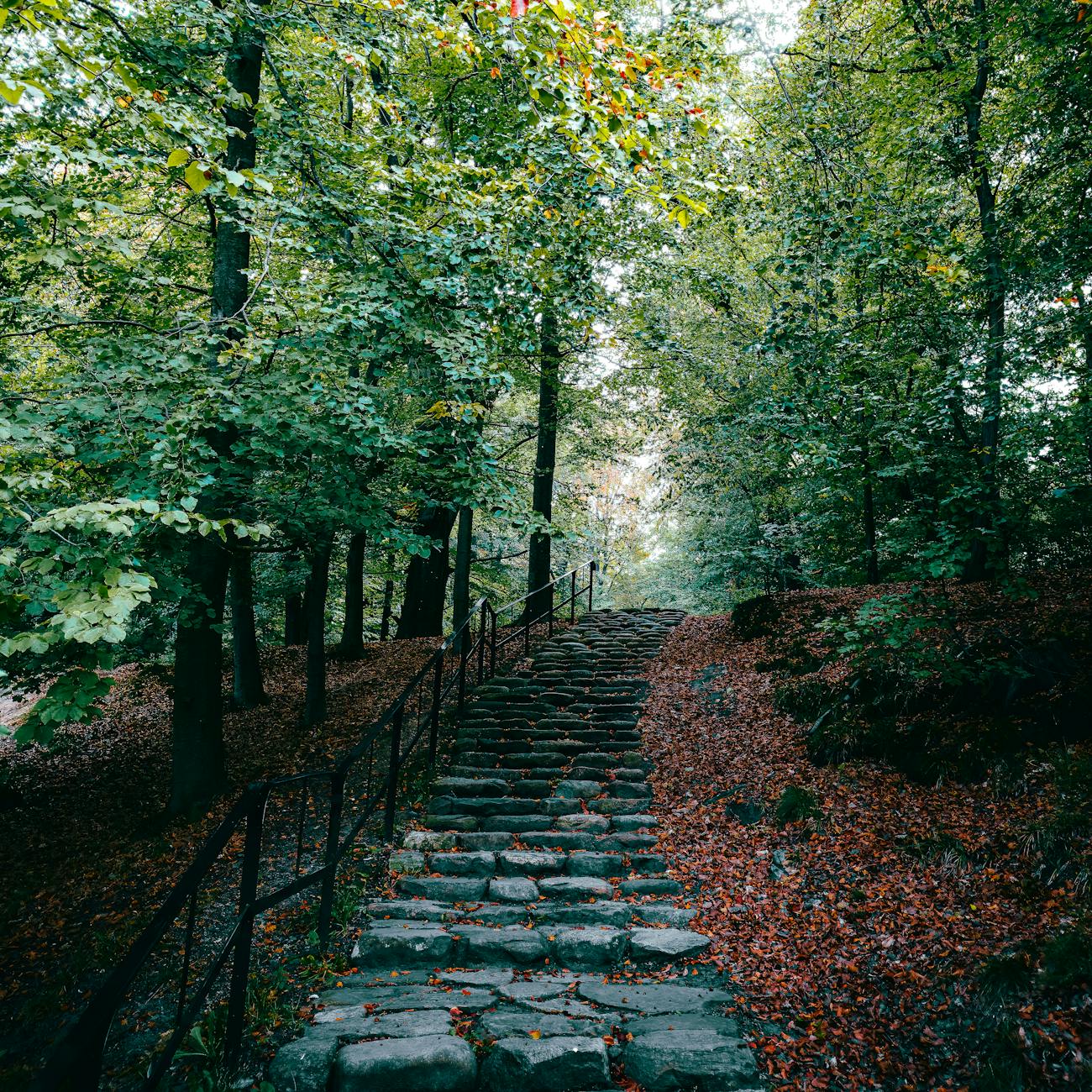
Ecotherapy Approaches: Ecotherapy is a form of therapy that recognizes the relationship between humans and the natural world as essential to overall well-being. It involves incorporating nature-based practices into therapy sessions to promote healing and personal growth. There are several approaches to ecotherapy that can be used to address a variety of mental health issues and promote connection with the environment.
Key Terms and Vocabulary:
Ecopyschology: Ecopsychology is the study of the relationship between human beings and the natural world, and how this relationship affects mental health and well-being. It explores the psychological effects of environmental issues such as climate change, deforestation, and pollution, as well as the benefits of connecting with nature for mental health.
Deep Ecology: Deep ecology is a philosophical and ethical perspective that views humans as part of, rather than separate from, the natural world. It emphasizes the interconnectedness of all living beings and promotes a sense of responsibility and stewardship towards the environment.
Biophilia: Biophilia is the innate human tendency to seek connections with nature and other forms of life. This concept suggests that humans have an inherent love for nature and benefit from being in natural environments.
Nature Deficit Disorder: Nature deficit disorder is a term coined by author Richard Louv to describe the negative effects of spending too little time in nature. Symptoms of nature deficit disorder may include anxiety, depression, attention difficulties, and decreased physical health.
Shinrin-Yoku: Shinrin-Yoku, or forest bathing, is a Japanese practice that involves immersing oneself in nature to improve mental and physical health. This practice has been shown to reduce stress, lower blood pressure, and boost mood.
Green Exercise: Green exercise refers to physical activity that takes place in natural environments, such as hiking, biking, or gardening. Research has shown that green exercise can improve mental health, reduce stress, and enhance overall well-being.
Wilderness Therapy: Wilderness therapy is a form of outdoor therapy that takes place in natural settings such as forests, mountains, or rivers. This approach utilizes the healing power of nature to promote personal growth, self-awareness, and emotional healing.
Therapeutic Horticulture: Therapeutic horticulture involves using gardening and plant-based activities as a form of therapy. This approach can help individuals reduce stress, improve mood, and develop a sense of connection with nature.
Ecopsychodrama: Ecopsychodrama is a therapeutic approach that combines elements of psychodrama with ecopsychology principles. This method uses role-playing, storytelling, and other creative techniques to explore the relationship between individuals and the natural world.
Environmental Identity: Environmental identity refers to the sense of connection and belonging that individuals feel towards the natural world. Developing a strong environmental identity can lead to increased environmental awareness, pro-environmental behaviors, and a deeper sense of purpose.
Therapeutic Nature Connection: Therapeutic nature connection involves intentionally fostering a deeper connection with nature to promote healing and well-being. This may include practices such as mindfulness in nature, nature meditation, or nature-based rituals.
Ecological Self: The ecological self is a concept that suggests that humans are not separate from the natural world but are interconnected with all living beings. Developing a sense of ecological self can lead to a greater sense of responsibility towards the environment and a deeper connection with nature.
Ecological Grief: Ecological grief refers to the emotional response to environmental loss and degradation. This may include feelings of sadness, anger, guilt, or despair related to issues such as climate change, deforestation, or species extinction.
Therapeutic Nature Connection Activities: Therapeutic nature connection activities are practices that can help individuals deepen their connection with nature and promote healing. Examples of therapeutic nature connection activities include nature walks, nature art, nature journaling, and nature-based ceremonies.
Challenges in Ecotherapy: While ecotherapy approaches can be beneficial for mental health and well-being, there are also challenges that may arise when incorporating nature-based practices into therapy. These challenges may include accessibility to natural spaces, cultural differences in nature connection, and the need for specialized training in ecotherapy techniques.
Practical Applications: Ecotherapy approaches can be applied in a variety of therapeutic settings to address mental health issues and promote connection with the natural world. Therapists may incorporate nature-based practices into individual or group therapy sessions, outdoor retreats, or wilderness expeditions to help clients reconnect with nature and improve their well-being.
Conclusion: Ecotherapy approaches offer a unique and effective way to promote mental health and well-being by incorporating nature-based practices into therapy sessions. By exploring key terms and vocabulary related to ecotherapy, therapists can better understand the benefits of connecting with nature and how to integrate these practices into their therapeutic work.
Key takeaways
- Ecotherapy Approaches: Ecotherapy is a form of therapy that recognizes the relationship between humans and the natural world as essential to overall well-being.
- It explores the psychological effects of environmental issues such as climate change, deforestation, and pollution, as well as the benefits of connecting with nature for mental health.
- Deep Ecology: Deep ecology is a philosophical and ethical perspective that views humans as part of, rather than separate from, the natural world.
- This concept suggests that humans have an inherent love for nature and benefit from being in natural environments.
- Nature Deficit Disorder: Nature deficit disorder is a term coined by author Richard Louv to describe the negative effects of spending too little time in nature.
- Shinrin-Yoku: Shinrin-Yoku, or forest bathing, is a Japanese practice that involves immersing oneself in nature to improve mental and physical health.
- Green Exercise: Green exercise refers to physical activity that takes place in natural environments, such as hiking, biking, or gardening.