
Introduction to Agricultural Commodity Trading
Agricultural Commodity Trading: Agricultural commodity trading refers to the buying and selling of agricultural products such as grains, livestock, and dairy on various exchanges or markets. This type of trading involves speculating on the …
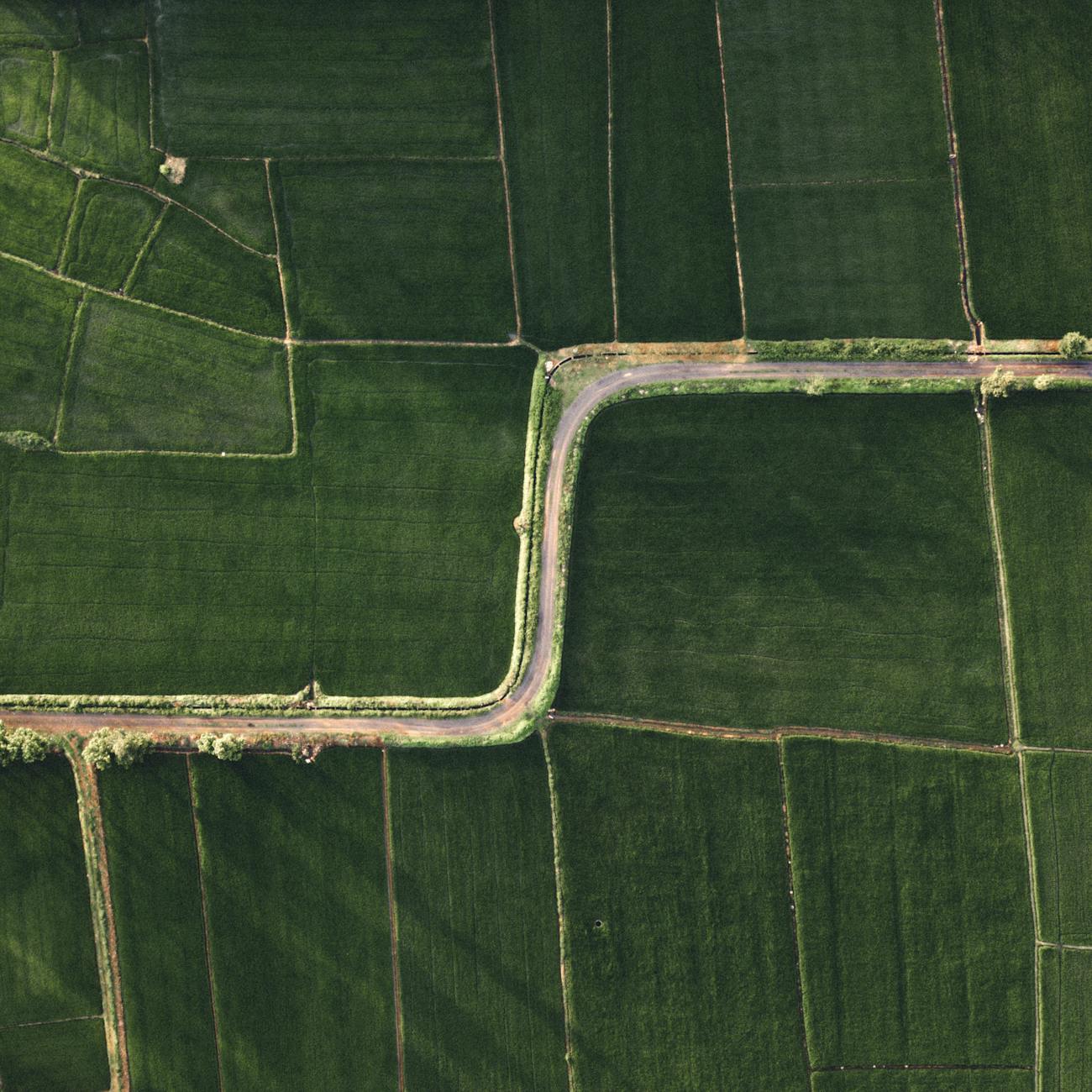
Agricultural Commodity Trading: Agricultural commodity trading refers to the buying and selling of agricultural products such as grains, livestock, and dairy on various exchanges or markets. This type of trading involves speculating on the future prices of these commodities based on supply and demand dynamics, weather conditions, government policies, and other factors.
Introduction to Agricultural Commodity Trading: This course provides an overview of the principles, strategies, and techniques involved in agricultural commodity trading. It covers topics such as market analysis, risk management, trading strategies, and the role of various participants in the commodity markets.
Advanced Certificate in Agricultural Commodity Trading: This certificate program is designed for professionals looking to deepen their understanding of agricultural commodity trading and enhance their skills in this area. It covers advanced topics such as derivatives trading, option strategies, technical analysis, and market trends.
Key Terms and Vocabulary:
1. Commodities: Commodities are raw materials or primary agricultural products that can be bought and sold. Examples include grains (wheat, corn, soybeans), livestock (cattle, hogs), and soft commodities (sugar, coffee, cotton).
2. Futures Contracts: Futures contracts are agreements to buy or sell a specific quantity of a commodity at a predetermined price on a future date. These contracts are standardized and traded on exchanges such as the Chicago Mercantile Exchange (CME) or the Intercontinental Exchange (ICE).
3. Options: Options are financial instruments that give the buyer the right, but not the obligation, to buy or sell a commodity at a specified price within a certain time frame. Options provide flexibility and risk management for traders.
4. Hedging: Hedging is a risk management strategy used by traders to protect against adverse price movements in the market. It involves taking an offsetting position in the futures or options market to reduce potential losses.
5. Speculation: Speculation is a trading strategy that involves taking on risk in the hope of making a profit from price movements in the market. Speculators do not have a direct interest in the physical commodity but rather focus on price fluctuations.
6. Market Analysis: Market analysis involves studying supply and demand factors, weather patterns, geopolitical events, and other variables to forecast price movements in agricultural commodities. Technical analysis and fundamental analysis are common approaches used by traders.
7. Arbitrage: Arbitrage is the practice of buying a commodity in one market and simultaneously selling it in another market to profit from price discrepancies. Arbitrage opportunities arise due to inefficiencies or delays in information dissemination.
8. Margin: Margin is the amount of money or collateral required by a trader to open and maintain a position in the futures or options market. Margin serves as a security deposit and helps ensure that traders can meet their financial obligations.
9. Leverage: Leverage refers to the use of borrowed funds to increase the size of a trading position. Traders can leverage their capital to amplify potential profits, but it also increases the risk of significant losses.
10. Liquidity: Liquidity refers to the ease with which a commodity can be bought or sold in the market without causing significant price fluctuations. High liquidity ensures that traders can enter and exit positions efficiently.
11. Volatility: Volatility measures the degree of price fluctuations in a commodity over a specific period. High volatility indicates greater price swings and increased risk for traders, while low volatility suggests more stable price movements.
12. Supply and Demand: Supply and demand are fundamental economic principles that drive price movements in agricultural commodities. Changes in supply (production levels, weather conditions) and demand (consumer preferences, export markets) impact prices.
13. Weather Risk: Weather risk refers to the potential impact of adverse weather conditions, such as droughts, floods, or hurricanes, on agricultural production and prices. Weather patterns can significantly influence crop yields and market dynamics.
14. Government Policies: Government policies, such as trade tariffs, subsidies, and regulations, can have a significant impact on agricultural commodity prices. Traders need to stay informed about policy changes that may affect market conditions.
15. Market Participants: Market participants in agricultural commodity trading include producers, consumers, speculators, hedgers, brokers, and market makers. Each group plays a unique role in shaping market dynamics and price discovery.
16. Technical Analysis: Technical analysis is a method of evaluating past price movements and trading volume to predict future price trends. Traders use charts, indicators, and patterns to identify entry and exit points in the market.
17. Fundamental Analysis: Fundamental analysis involves analyzing supply and demand fundamentals, market reports, crop forecasts, and economic indicators to assess the intrinsic value of a commodity. This approach helps traders make informed trading decisions.
18. Seasonality: Seasonality refers to recurring patterns or trends in agricultural commodity prices based on seasonal factors. For example, the planting and harvest seasons can impact supply levels and price movements in the market.
19. Market Trends: Market trends are long-term movements in commodity prices that reflect changes in supply and demand dynamics, economic conditions, and other factors. Traders use trend analysis to identify potential trading opportunities.
20. Risk Management: Risk management is the process of identifying, assessing, and mitigating risks in agricultural commodity trading. Strategies such as hedging, diversification, and position sizing help traders protect their capital and manage exposure to market fluctuations.
21. Derivatives Trading: Derivatives are financial instruments whose value is derived from an underlying asset, such as a commodity. Derivatives trading allows traders to speculate on price movements without owning the physical commodity.
22. Contango and Backwardation: Contango and backwardation are terms used to describe the relationship between the current price and future price of a commodity. Contango refers to a situation where future prices are higher than the spot price, while backwardation occurs when future prices are lower.
23. Spread Trading: Spread trading involves simultaneously buying and selling related contracts or commodities to profit from price differentials. Traders can engage in calendar spreads, inter-commodity spreads, or intra-market spreads to capitalize on market inefficiencies.
24. Option Strategies: Option strategies are combinations of buying and selling options contracts to achieve specific risk-reward profiles. Common strategies include covered calls, protective puts, straddles, and strangles, which offer different ways to manage risk and generate income.
25. Market Sentiment: Market sentiment refers to the collective mood or attitude of traders towards a particular commodity or market. Sentiment indicators, such as the Commitment of Traders (COT) report, help gauge investor sentiment and potential price movements.
26. Algorithmic Trading: Algorithmic trading, also known as algo trading or automated trading, involves using computer algorithms to execute trading strategies automatically. Algorithms can analyze market data, place orders, and manage positions with speed and precision.
27. Order Types: Order types are instructions given to a broker to execute a trade on behalf of a trader. Common order types include market orders, limit orders, stop orders, and trailing stops, each serving a specific purpose in managing trade execution.
28. Margin Call: A margin call occurs when a trader's account falls below the required margin level, prompting the broker to request additional funds to cover potential losses. Failure to meet a margin call may result in the liquidation of positions.
29. Slippage: Slippage refers to the difference between the expected price of a trade and the actual price at which it is executed. Slippage can occur during periods of high volatility, low liquidity, or when trading large positions.
30. Liquidity Risk: Liquidity risk is the risk of not being able to buy or sell a commodity at the desired price due to insufficient market depth or high volatility. Traders need to consider liquidity risk when entering and exiting positions in the market.
31. Counterparty Risk: Counterparty risk is the risk that the other party in a trade may default on their obligations, leading to financial losses for the trader. Clearinghouses and margin requirements help mitigate counterparty risk in the commodity markets.
32. Regulation: Regulation refers to rules and oversight imposed by government agencies or regulatory bodies to maintain fair and orderly markets. Traders must comply with regulations related to position limits, reporting requirements, and market manipulation to ensure market integrity.
33. Market Volatility: Market volatility is the degree of price fluctuations in a commodity market over time. High volatility can create trading opportunities but also increase the risk of sudden price swings and losses for traders.
34. Market Order: A market order is an instruction to buy or sell a commodity at the current market price. Market orders are executed immediately but may result in slippage if there are significant price changes.
35. Limit Order: A limit order is an instruction to buy or sell a commodity at a specific price or better. Limit orders allow traders to control the price at which they enter or exit a position but may not be filled if the market does not reach the specified price.
36. Stop Order: A stop order, also known as a stop-loss order, is an instruction to buy or sell a commodity once the market reaches a certain price level. Stop orders help traders limit losses or lock in profits by automatically triggering a trade at a predetermined price.
37. Trailing Stop: A trailing stop is a dynamic stop order that adjusts automatically as the price of a commodity moves in the trader's favor. Trailing stops help protect profits by trailing the price at a set distance and locking in gains if the market reverses.
38. Position Sizing: Position sizing is the process of determining the appropriate amount of capital to allocate to each trade based on risk tolerance, account size, and market conditions. Proper position sizing helps traders manage risk and maximize returns.
39. Diversification: Diversification is a risk management strategy that involves spreading investments across different commodities, markets, or asset classes. Diversified portfolios help reduce concentration risk and protect against losses in any single position.
40. Market Efficiency: Market efficiency refers to the degree to which prices reflect all available information and are free from manipulation or inefficiencies. Efficient markets ensure fair pricing and quick adjustment to new information.
41. Market Manipulation: Market manipulation is the illegal practice of artificially influencing commodity prices through fraudulent activities such as spoofing, front-running, or insider trading. Regulators monitor markets to detect and prevent manipulation.
42. Market Psychology: Market psychology refers to the collective emotions, beliefs, and behaviors of traders that influence price movements in the market. Greed, fear, optimism, and pessimism can drive market sentiment and impact trading decisions.
43. Economic Indicators: Economic indicators are statistics or data points that provide insights into the health of the economy and its impact on commodity markets. Key indicators include GDP growth, inflation rates, employment numbers, and consumer confidence.
44. Risk Appetite: Risk appetite is the level of risk that an individual or institution is willing to take on in pursuit of higher returns. Traders with a high risk appetite may engage in aggressive trading strategies, while conservative traders prioritize capital preservation.
45. Price Discovery: Price discovery is the process by which market participants determine the fair value of a commodity based on supply and demand dynamics, order flow, and other factors. Transparent and efficient price discovery ensures accurate pricing in the market.
46. Technical Indicators: Technical indicators are mathematical calculations based on historical price and volume data that help traders analyze market trends and make trading decisions. Common indicators include moving averages, RSI, MACD, and Bollinger Bands.
47. Fundamental Factors: Fundamental factors are economic, political, and environmental variables that influence the supply and demand of commodities. Traders analyze fundamental factors such as crop reports, inventory levels, and trade policies to assess market conditions.
48. Backtesting: Backtesting is the process of testing a trading strategy using historical data to evaluate its performance and profitability. Traders use backtesting to refine their strategies, identify potential weaknesses, and optimize their trading approach.
49. Market News: Market news refers to updates, reports, and announcements that impact commodity prices and market sentiment. Traders rely on news sources such as Reuters, Bloomberg, and USDA reports to stay informed about market developments.
50. Black Swan Events: Black swan events are rare and unpredictable occurrences that have a significant impact on commodity markets. Examples include natural disasters, geopolitical conflicts, or economic crises that can disrupt supply chains and cause price volatility.
51. Option Greeks: Option Greeks are mathematical measures that quantify the sensitivity of an options contract to changes in price, time, volatility, and other factors. The main Greeks include Delta, Gamma, Theta, Vega, and Rho, which help traders assess risk and manage option positions.
52. Market Correlation: Market correlation measures the degree to which two or more commodities or markets move in relation to each other. Positive correlation indicates that prices move in the same direction, while negative correlation suggests an inverse relationship.
53. Trading Psychology: Trading psychology refers to the mental and emotional aspects of trading that influence decision-making and behavior. Traders need to manage emotions such as fear, greed, and overconfidence to maintain discipline and make rational trading choices.
54. Quantitative Analysis: Quantitative analysis involves using mathematical models, statistical tools, and data analysis techniques to evaluate market trends and trading strategies. Quantitative analysts, or quants, develop algorithms and trading systems based on quantitative research.
55. Market Order Flow: Market order flow refers to the buying and selling activity in the market that determines price movements and liquidity. Traders analyze order flow to gauge market sentiment, identify trends, and anticipate potential price reversals.
56. Risk-reward Ratio: The risk-reward ratio is a measure of the potential return on investment compared to the amount of risk taken. Traders aim to achieve a favorable risk-reward ratio by targeting higher profits relative to their risk exposure in each trade.
57. Trade Execution: Trade execution is the process of entering or exiting a position in the market based on a trading strategy or signal. Efficient trade execution involves timely order placement, price optimization, and risk management to achieve desired outcomes.
58. Market Efficiency Hypothesis: The market efficiency hypothesis states that asset prices reflect all available information and are efficiently priced. Three forms of market efficiency include weak form, semi-strong form, and strong form efficiency, each representing different levels of information incorporation in prices.
59. Technical Trading Strategies: Technical trading strategies involve using chart patterns, indicators, and price action analysis to make trading decisions. Common technical strategies include trend following, momentum trading, and mean reversion, which help traders identify entry and exit points.
60. Fundamental Trading Strategies: Fundamental trading strategies rely on analyzing supply and demand fundamentals, economic indicators, and market news to make trading decisions. Traders using fundamental analysis focus on intrinsic value and long-term trends in commodities.
61. Risk-adjusted Return: Risk-adjusted return measures the performance of an investment relative to the level of risk taken. Popular risk-adjusted metrics include Sharpe ratio, Sortino ratio, and Treynor ratio, which help investors evaluate the efficiency of their portfolio.
62. Carry Trade: A carry trade involves borrowing funds in a low-interest-rate currency and investing in a high-interest-rate currency to profit from the interest rate differential. Traders in commodity markets may use carry trades to capitalize on yield disparities.
63. Market Anomalies: Market anomalies are deviations from efficient market theory that result in abnormal price movements or patterns. Examples of market anomalies include calendar effects, price gaps, and investor sentiment biases that create trading opportunities for astute traders.
64. Volatility Trading: Volatility trading involves strategies that capitalize on price fluctuations and volatility in the market. Traders may use options, volatility indexes, or volatility arbitrage techniques to profit from changes in market volatility levels.
65. Seasonal Trading Patterns: Seasonal trading patterns are recurring price trends based on seasonal factors such as weather conditions, harvest cycles, or consumer demand. Traders can exploit seasonal patterns by identifying historical trends and adjusting their trading strategies accordingly.
66. Risk Parity: Risk parity is an asset allocation strategy that aims to distribute risk equally across different asset classes or trading positions. By balancing risk exposure, risk parity portfolios seek to achieve consistent returns and reduce vulnerability to market fluctuations.
67. Sentiment Analysis: Sentiment analysis involves evaluating market sentiment, investor mood, and social media trends to gauge potential price movements in commodities. Traders use sentiment indicators and sentiment analysis tools to identify contrarian signals and sentiment extremes.
68. Quantitative Trading Models: Quantitative trading models are mathematical algorithms that use historical data, statistical analysis, and machine learning techniques to predict market trends and execute trades. Quantitative models can automate trading decisions and reduce human bias in trading.
69. Event-driven Trading: Event-driven trading involves capitalizing on market events, news announcements, or economic releases to profit from price movements in commodities. Traders using event-driven strategies react to specific triggers and adjust their positions based on the outcome.
70. Commodity Indexes: Commodity indexes track the performance of a basket of commodities or commodity futures contracts to provide exposure to the broader commodity market. Popular indexes include the S&P GSCI, Bloomberg Commodity Index, and Dow Jones-UBS Commodity Index.
71. Market Making: Market making is the practice of providing liquidity to the market by quoting bid and ask prices for commodities and facilitating trading activity. Market makers earn profits from the spread between buy and sell prices and help maintain orderly markets.
72. Order Book: An order book is a real-time display of buy and sell orders for a commodity, showing price levels and quantities at which traders are willing to transact. Traders use the order book to analyze market depth, identify support and resistance levels, and make trading decisions.
73. High-Frequency Trading (HFT): High-frequency trading is a form of algorithmic trading that uses advanced technology, high-speed data connections, and complex algorithms to execute trades at rapid speeds. HFT strategies aim to capitalize on small price differentials and market inefficiencies.
74. Market Surveillance: Market surveillance is the monitoring and oversight of trading activities to detect and prevent market abuse, manipulation, or illegal activities. Regulators and exchanges use surveillance tools to maintain market integrity and protect investors.
75. Market Liquidity Providers: Market liquidity providers are entities that offer bid and
Key takeaways
- Agricultural Commodity Trading: Agricultural commodity trading refers to the buying and selling of agricultural products such as grains, livestock, and dairy on various exchanges or markets.
- Introduction to Agricultural Commodity Trading: This course provides an overview of the principles, strategies, and techniques involved in agricultural commodity trading.
- Advanced Certificate in Agricultural Commodity Trading: This certificate program is designed for professionals looking to deepen their understanding of agricultural commodity trading and enhance their skills in this area.
- Examples include grains (wheat, corn, soybeans), livestock (cattle, hogs), and soft commodities (sugar, coffee, cotton).
- Futures Contracts: Futures contracts are agreements to buy or sell a specific quantity of a commodity at a predetermined price on a future date.
- Options: Options are financial instruments that give the buyer the right, but not the obligation, to buy or sell a commodity at a specified price within a certain time frame.
- Hedging: Hedging is a risk management strategy used by traders to protect against adverse price movements in the market.