
Fundamentals of Agricultural Markets
Fundamentals of Agricultural Markets
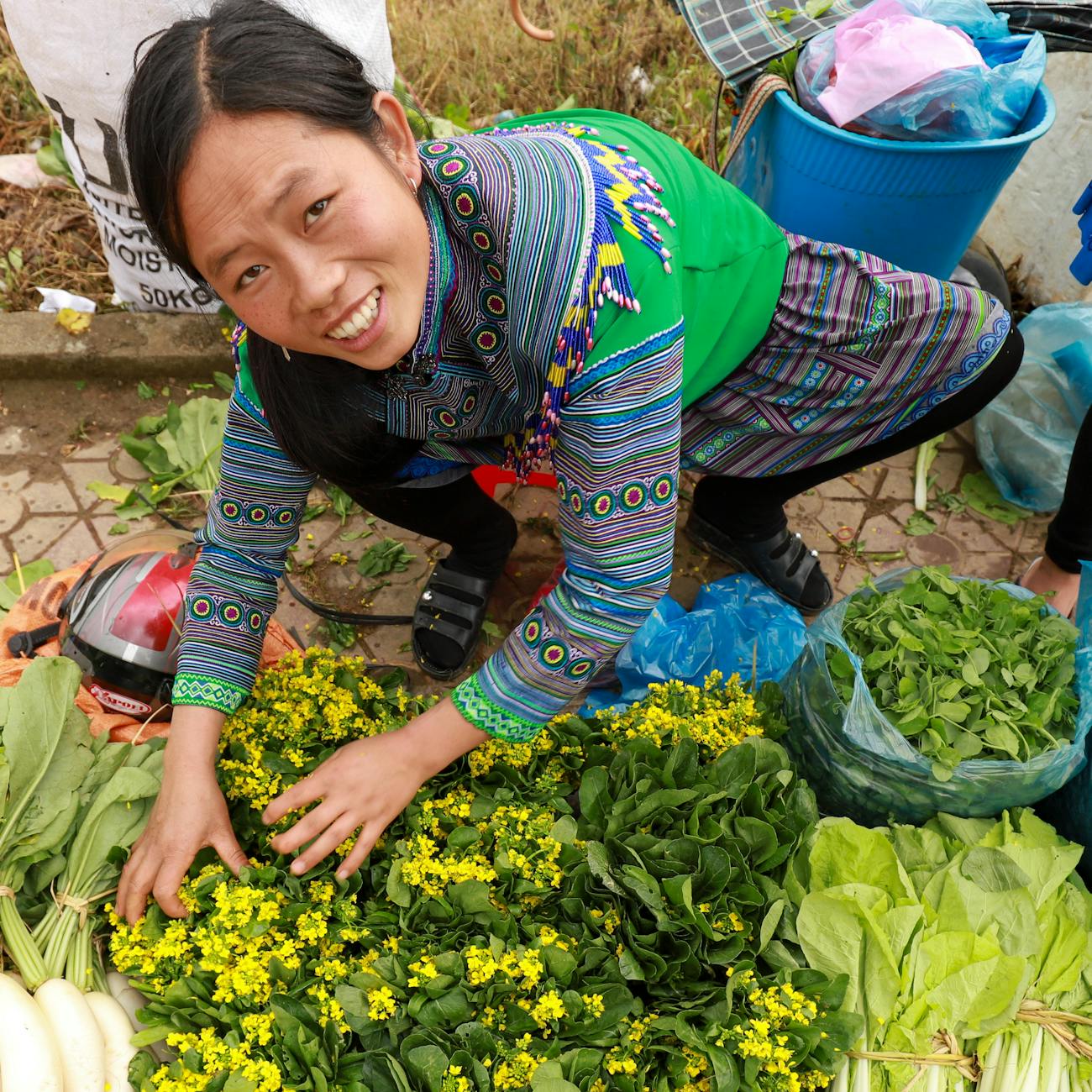
Fundamentals of Agricultural Markets
Agricultural markets play a crucial role in the global economy, providing a platform for producers, consumers, and traders to exchange agricultural commodities. Understanding the fundamentals of agricultural markets is essential for anyone involved in agricultural commodity trading. This section will explore key terms and vocabulary related to agricultural markets to provide a comprehensive understanding of this complex and dynamic industry.
Agricultural Commodities
Agricultural commodities are raw products that are produced on farms and are used as inputs in the production of food, fiber, and other goods. These commodities can be classified into various categories based on their characteristics and uses.
Some common agricultural commodities include:
- Grains: such as wheat, corn, rice, and barley. - Oilseeds: such as soybeans, canola, and sunflower seeds. - Livestock: such as cattle, pigs, and poultry. - Softs: such as sugar, coffee, cocoa, and cotton.
These commodities are traded in agricultural markets, where supply and demand dynamics, weather conditions, government policies, and other factors influence prices and trading volumes.
Supply and Demand
Supply and demand are fundamental concepts in agricultural markets that determine the prices of agricultural commodities. The supply of agricultural commodities is influenced by factors such as weather conditions, crop yields, government policies, and technological advancements. The demand for agricultural commodities is driven by factors such as population growth, income levels, dietary preferences, and global trade.
When supply exceeds demand, prices tend to decrease, leading to an oversupply. Conversely, when demand exceeds supply, prices tend to increase, leading to a shortage. Understanding supply and demand dynamics is essential for traders to make informed decisions and manage risks in agricultural markets.
Price Volatility
Price volatility refers to the degree of fluctuation in prices of agricultural commodities over a specific period. Agricultural markets are inherently volatile due to various factors such as weather conditions, geopolitical events, government policies, and market speculation. Price volatility can create both opportunities and risks for traders.
For example, a drought in a major wheat-producing region can lead to a decrease in supply, causing prices to increase. Traders who anticipate this price increase can profit by buying wheat futures contracts before prices rise. However, unexpected events such as trade disputes or natural disasters can also lead to price volatility, resulting in financial losses for traders who are not adequately prepared.
Market Participants
There are several key participants in agricultural markets who play different roles in the buying and selling of agricultural commodities. These participants include:
- Producers: Farmers who grow and harvest agricultural commodities. - Consumers: Individuals or organizations who purchase agricultural commodities for consumption or further processing. - Traders: Intermediaries who buy and sell agricultural commodities on behalf of producers, consumers, or speculators. - Speculators: Investors who buy and sell agricultural commodities to profit from price fluctuations without intending to take physical delivery of the commodities.
Each market participant has a unique set of objectives and strategies for participating in agricultural markets. Understanding the roles and motivations of different market participants is essential for traders to analyze market trends and make informed trading decisions.
Market Structure
The structure of agricultural markets refers to the organization and functioning of these markets, including the types of market participants, trading venues, and regulatory frameworks. Agricultural markets can be classified into different types based on their structure, such as:
- Spot markets: Where commodities are bought and sold for immediate delivery. - Futures markets: Where standardized contracts for future delivery of commodities are traded on organized exchanges. - Over-the-counter (OTC) markets: Where customized contracts for the delivery of commodities are traded directly between buyers and sellers.
The structure of agricultural markets can impact trading volumes, price transparency, and market efficiency. Traders need to understand the characteristics of different market structures to navigate the complexities of agricultural markets effectively.
Risk Management
Risk management is a critical aspect of agricultural commodity trading, as prices of agricultural commodities are subject to various uncertainties and fluctuations. Traders use various risk management strategies to protect their investments and minimize potential losses. Some common risk management tools and techniques include:
- Hedging: Using futures contracts to offset the risk of adverse price movements in the physical market. - Options: Contracts that give traders the right, but not the obligation, to buy or sell commodities at a predetermined price. - Technical analysis: Analyzing historical price trends and chart patterns to forecast future price movements. - Fundamental analysis: Evaluating supply and demand fundamentals, weather conditions, and geopolitical events to predict market trends.
Effective risk management is essential for traders to survive in the competitive and volatile environment of agricultural markets. By using a combination of risk management tools and techniques, traders can protect their capital and maximize their profits.
Market Information
Access to timely and accurate market information is crucial for traders to make informed decisions in agricultural markets. Market information includes data on prices, supply and demand dynamics, weather conditions, government policies, and other factors that influence market trends. Traders use various sources of market information, such as:
- Market reports: Published by government agencies, industry organizations, and market analysts to provide updates on market trends and developments. - News sources: Covering agricultural market news, global trade issues, weather forecasts, and other relevant information. - Economic indicators: Such as inflation rates, interest rates, and exchange rates that can impact agricultural commodity prices.
By staying informed and up-to-date on market information, traders can identify trading opportunities, anticipate price movements, and manage risks effectively in agricultural markets.
Challenges in Agricultural Markets
Agricultural markets face several challenges that can impact the trading of agricultural commodities and the overall stability of the market. Some common challenges in agricultural markets include:
- Weather-related risks: Such as droughts, floods, and hurricanes that can disrupt crop production and lead to price volatility. - Trade barriers: Tariffs, quotas, and trade restrictions imposed by governments that can affect the flow of agricultural commodities between countries. - Regulatory changes: Changes in government policies, regulations, and subsidies that can impact the profitability of agricultural producers and traders. - Market manipulation: Illegal activities such as price fixing, insider trading, and market manipulation that can distort market prices and harm market participants.
Traders need to be aware of these challenges and develop strategies to mitigate their impact on their trading activities. By understanding the risks and uncertainties in agricultural markets, traders can adapt to changing market conditions and achieve long-term success in this dynamic industry.
Conclusion
In conclusion, the fundamentals of agricultural markets are essential for anyone involved in agricultural commodity trading. By understanding key terms and concepts such as agricultural commodities, supply and demand, price volatility, market participants, market structure, risk management, market information, and challenges in agricultural markets, traders can make informed decisions and navigate the complexities of this dynamic industry. With the right knowledge, skills, and strategies, traders can capitalize on trading opportunities, manage risks effectively, and achieve success in agricultural commodity trading.
Key takeaways
- This section will explore key terms and vocabulary related to agricultural markets to provide a comprehensive understanding of this complex and dynamic industry.
- Agricultural commodities are raw products that are produced on farms and are used as inputs in the production of food, fiber, and other goods.
- - Oilseeds: such as soybeans, canola, and sunflower seeds.
- These commodities are traded in agricultural markets, where supply and demand dynamics, weather conditions, government policies, and other factors influence prices and trading volumes.
- The supply of agricultural commodities is influenced by factors such as weather conditions, crop yields, government policies, and technological advancements.
- Understanding supply and demand dynamics is essential for traders to make informed decisions and manage risks in agricultural markets.
- Agricultural markets are inherently volatile due to various factors such as weather conditions, geopolitical events, government policies, and market speculation.