
Air Transport Systems and Operations
Air Transport Systems and Operations is a key course in the Postgraduate Certificate in Transport and Logistics Engineering. This explanation will cover some of the key terms and vocabulary that are essential to understanding this field.
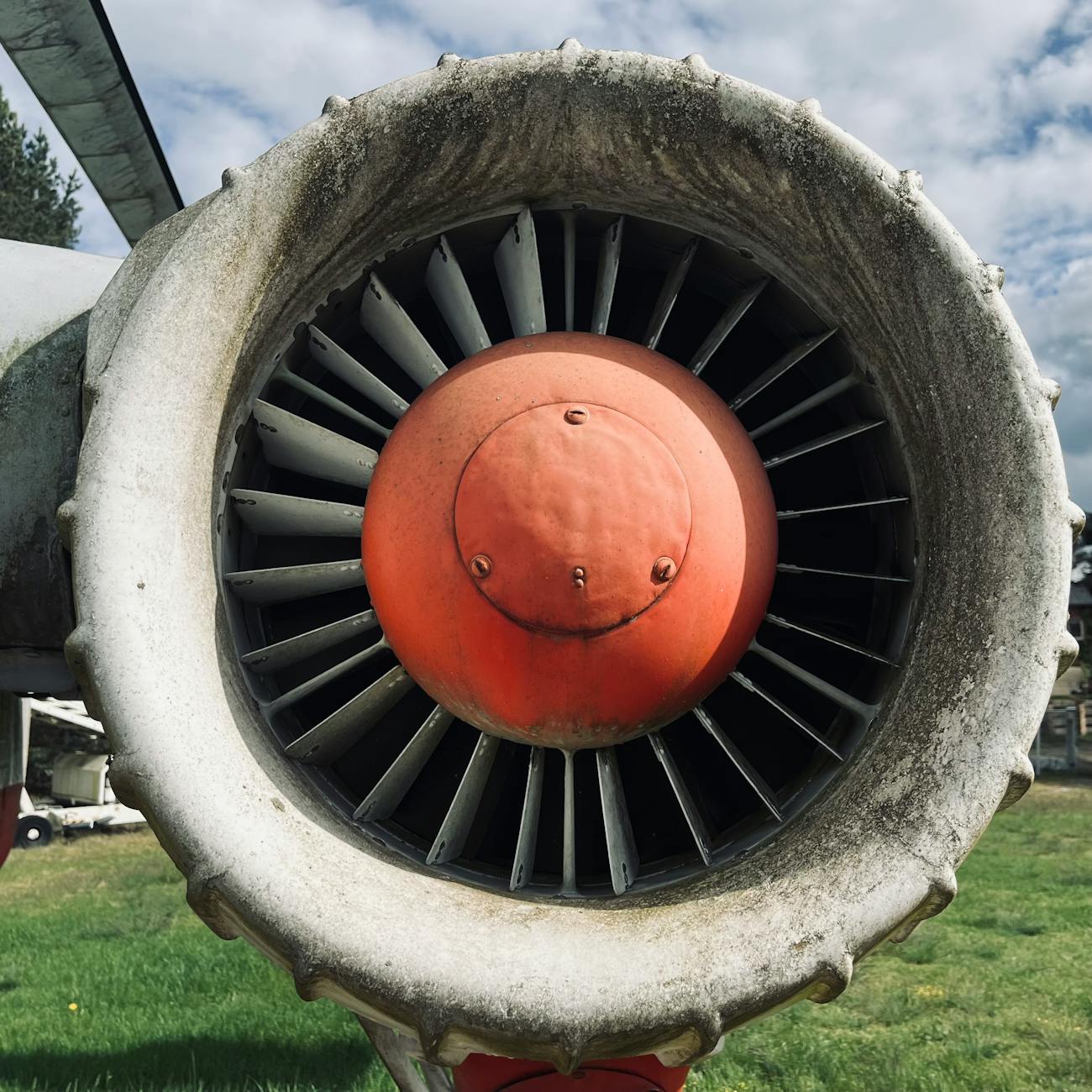
Air Transport Systems and Operations is a key course in the Postgraduate Certificate in Transport and Logistics Engineering. This explanation will cover some of the key terms and vocabulary that are essential to understanding this field.
Aircraft Performance: Aircraft performance refers to the ability of an aircraft to take off, land, and maneuver in the air. It is affected by various factors, including the weight of the aircraft, the altitude and temperature of the air, and the length and condition of the runway.
Air Traffic Control (ATC): Air Traffic Control (ATC) is a service provided by ground-based controllers who direct aircraft during takeoff, landing, and en-route flight. ATC uses radar and other communication systems to monitor the position and movement of aircraft and provide instructions to pilots to maintain safe separation between aircraft.
Airport Operations: Airport operations refer to the activities and processes that occur at an airport to ensure the safe and efficient movement of aircraft, passengers, and cargo. This includes tasks such as airfield maintenance, baggage handling, passenger check-in and security, and ground handling of aircraft.
Airworthiness: Airworthiness refers to the condition of an aircraft that meets the minimum safety standards required for flight. Airworthiness is determined through inspections, maintenance, and testing, and is overseen by regulatory bodies such as the Federal Aviation Administration (FAA) in the United States.
Avionics: Avionics refers to the electronics used in aircraft for navigation, communication, and other flight-related functions. This includes equipment such as radar, GPS, and autopilot systems.
Communication, Navigation, and Surveillance (CNS): Communication, Navigation, and Surveillance (CNS) are the three main functions of air traffic control. Communication refers to the exchange of information between air traffic control and aircraft. Navigation refers to the ability of aircraft to determine their position and follow a flight plan. Surveillance refers to the ability of air traffic control to monitor the position and movement of aircraft.
Crew Resource Management (CRM): Crew Resource Management (CRM) is a team-based approach to managing the resources available to an aircraft's flight crew, including communication, decision-making, and problem-solving skills. CRM is designed to improve safety and efficiency in the cockpit.
Flight Operations: Flight operations refer to the activities and processes involved in the planning and execution of a flight. This includes tasks such as flight planning, fuel management, weather forecasting, and maintenance scheduling.
Flight Planning: Flight planning is the process of determining the route, altitude, and speed of an aircraft for a particular flight. This takes into account factors such as weather conditions, airspace restrictions, and fuel requirements.
Maintainability: Maintainability refers to the ability of an aircraft to be maintained and repaired in a timely and cost-effective manner. This includes factors such as accessibility of components, ease of repair, and availability of spare parts.
Performance-based Navigation (PBN): Performance-based Navigation (PBN) is a type of navigation that uses precise positioning information to enable aircraft to fly more direct routes and improve safety and efficiency. PBN is based on the use of GPS and other satellite-based navigation systems.
Runway Safety: Runway safety refers to the measures taken to prevent accidents and incidents on the runway. This includes measures such as markings, lighting, and signage, as well as procedures for controlling the movement of aircraft and vehicles on the runway.
Safety Management System (SMS): Safety Management System (SMS) is a systematic approach to managing safety in the aviation industry. SMS involves identifying and assessing risks, implementing measures to mitigate those risks, and monitoring and evaluating the effectiveness of those measures.
Standard Operating Procedures (SOPs): Standard Operating Procedures (SOPs) are established procedures for performing tasks in a consistent and safe manner. SOPs are used in all aspects of air transport systems and operations, from flight operations to maintenance and air traffic control.
Supply Chain Management: Supply chain management refers to the coordination and management of activities involved in the production and delivery of goods and services. In the context of air transport systems and operations, this includes the management of suppliers, inventory, and logistics.
In conclusion, the above terms and vocabulary are essential to understanding air transport systems and operations. From aircraft performance to supply chain management, these concepts are critical to ensuring the safe and efficient operation of the aviation industry. By understanding these terms and how they relate to each other, students of the Postgraduate Certificate in Transport and Logistics Engineering will be better equipped to contribute to this important field.
Challenge:
1. Identify an example of an air transport system or operation, and explain how each of the above terms and concepts relates to it. 2. Consider the impact of recent technology advancements such as drones and electric aircraft on air transport systems and operations. How do these advancements affect the terms and concepts discussed above?
Example:
1. An example of an air transport system or operation is the operation of a commercial airline. In this example, aircraft performance is critical to ensuring that the airline's aircraft can safely and efficiently transport passengers and cargo. Air traffic control is responsible for directing the aircraft during takeoff, landing, and en-route flight, ensuring safe separation between aircraft. Airport operations involve a range of activities and processes, including airfield maintenance, baggage handling, passenger check-in and security, and ground handling of aircraft. Airworthiness is determined through inspections, maintenance, and testing, and is overseen by regulatory bodies such as the Federal Aviation Administration (FAA) in the United States. Avionics are used for navigation, communication, and other flight-related functions. Communication, Navigation, and Surveillance (CNS) are critical to ensuring the safe and efficient movement of aircraft. Crew Resource Management (CRM) is used to improve safety and efficiency in the cockpit. Flight operations involve the planning and execution of a flight, taking into account factors such as weather conditions, airspace restrictions, and fuel requirements. Flight planning is the process of determining the route, altitude, and speed of an aircraft for a particular flight. Maintainability is critical to ensuring that the aircraft can be maintained and repaired in a timely and cost-effective manner. Performance-based Navigation (PBN) is used to enable aircraft to fly more direct routes and improve safety and efficiency. Runway safety measures are in place to prevent accidents and incidents on the runway. Safety Management System (SMS) is used to manage safety in the aviation industry. Standard Operating Procedures (SOPs) are established procedures for performing tasks in a consistent and safe manner. Supply chain management is critical to ensuring the timely and cost-effective delivery of goods and services. 2. Recent technology advancements such as drones and electric aircraft are having a significant impact on air transport systems and operations. Drones are being used for a range of applications, from aerial photography to package delivery, and are changing the way that goods and services are delivered. Electric aircraft are still in the early stages of development, but have the potential to significantly reduce the carbon footprint of the aviation industry. These advancements are affecting the terms and concepts discussed above in a number of ways. For example, aircraft performance is being affected by the development of new propulsion systems and lighter materials. Air traffic control is having to adapt to the increasing use of drones and other unmanned aerial vehicles. Airport operations are being affected by the need to accommodate new types of aircraft and the increasing use of automation. Airworthiness is being affected by the development of new technologies and materials. Avionics are being affected by the development of new sensors and communication systems. CNS is being affected by the development of new navigation systems and satellite-based communication. CRM is being affected by the increasing use of automation and the need to manage the interaction between humans and machines. Flight operations are being affected by the need to adapt to new types of aircraft and the increasing use of automation. Flight planning is being affected by the development of new navigation systems and the need to take into account the unique characteristics of new types of aircraft. Maintainability is being affected by the development of new materials and the need to maintain and repair new types of aircraft. PBN is being affected by the development of new navigation systems and the need to accommodate new types of aircraft. Runway safety is being affected by the need to accommodate new types of aircraft and the increasing use of automation. SMS is being affected by the need to manage the risks associated with new technologies and the interaction between humans and machines. SOPs are being affected by the need to adapt to new types of aircraft and the increasing use of automation. Supply chain management is being affected by the need to accommodate new types of aircraft and the increasing use of automation.
Key takeaways
- Air Transport Systems and Operations is a key course in the Postgraduate Certificate in Transport and Logistics Engineering.
- It is affected by various factors, including the weight of the aircraft, the altitude and temperature of the air, and the length and condition of the runway.
- ATC uses radar and other communication systems to monitor the position and movement of aircraft and provide instructions to pilots to maintain safe separation between aircraft.
- Airport Operations: Airport operations refer to the activities and processes that occur at an airport to ensure the safe and efficient movement of aircraft, passengers, and cargo.
- Airworthiness is determined through inspections, maintenance, and testing, and is overseen by regulatory bodies such as the Federal Aviation Administration (FAA) in the United States.
- Avionics: Avionics refers to the electronics used in aircraft for navigation, communication, and other flight-related functions.
- Communication, Navigation, and Surveillance (CNS): Communication, Navigation, and Surveillance (CNS) are the three main functions of air traffic control.