
Transport Infrastructure and Technologies.
Transport Infrastructure and Technologies are crucial components in the field of Transport and Logistics Engineering. In this explanation, we will explore key terms and vocabulary related to these concepts.
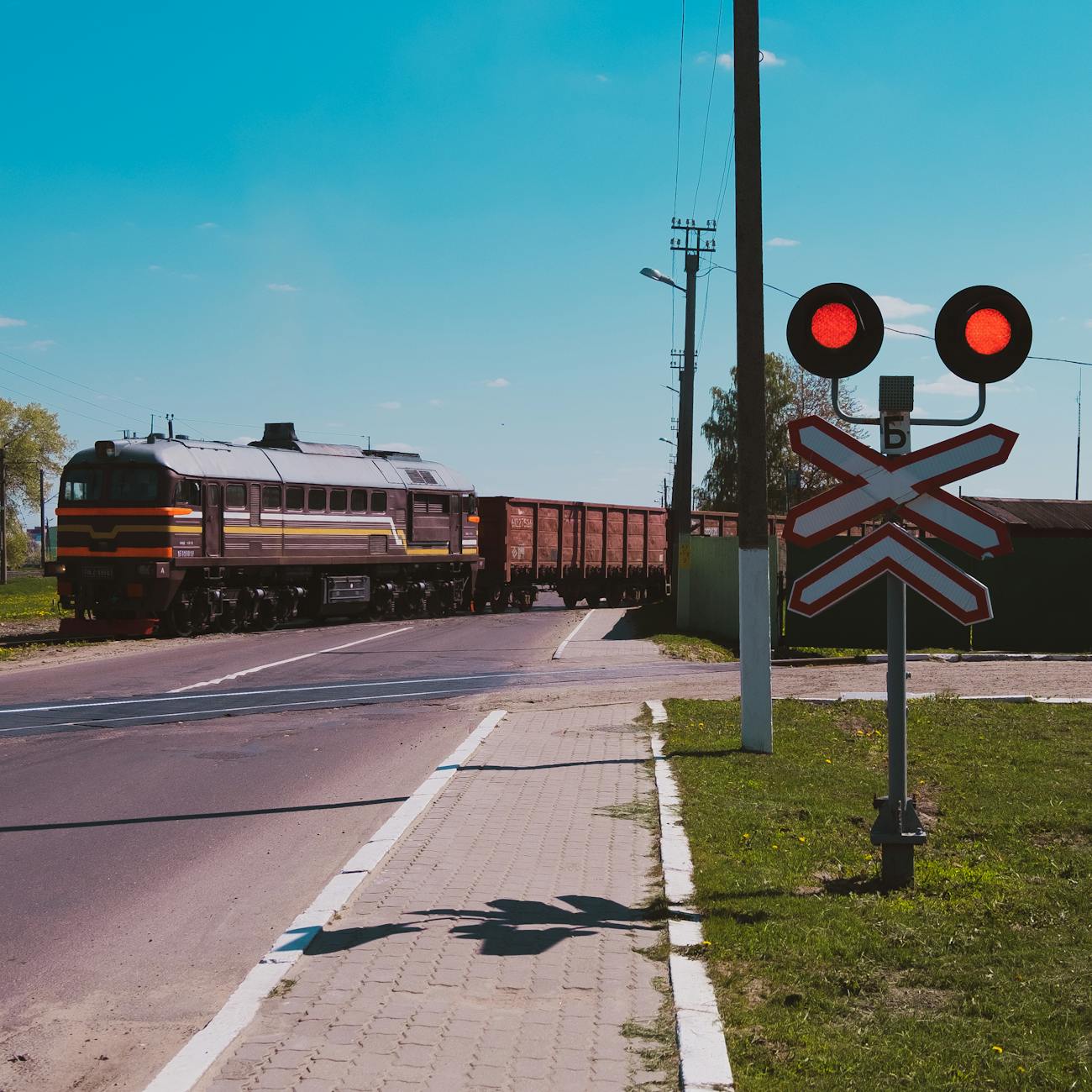
Transport Infrastructure and Technologies are crucial components in the field of Transport and Logistics Engineering. In this explanation, we will explore key terms and vocabulary related to these concepts.
1. Transport Infrastructure: Transport infrastructure refers to the physical facilities that enable the transportation of people and goods from one place to another. This includes roads, railways, airports, seaports, and inland waterways.
Roads are the most common mode of transport and are used for both passenger and freight transportation. They are classified based on their design, construction, and usage, such as highways, freeways, and local roads.
Railways are a fast and efficient mode of transport for both passengers and freight. They are classified based on their gauge (width between the rails), such as standard gauge, broad gauge, and narrow gauge.
Airports are used for the transportation of passengers and cargo by air. They are classified based on their size, capacity, and the type of aircraft they can accommodate.
Seaports are used for the transportation of goods by sea. They are classified based on their size, capacity, and the type of vessels they can accommodate.
Inland waterways are used for the transportation of goods by water, other than the sea. They include rivers, canals, and lakes.
2. Transport Technologies: Transport technologies refer to the equipment and systems used in the transportation of people and goods. This includes vehicles, signaling systems, and communication systems.
Vehicles are the most visible component of transport technologies. They include cars, trucks, buses, trains, airplanes, and ships. Vehicles are classified based on their size, power source, and usage, such as passenger vehicles, commercial vehicles, and industrial vehicles.
Signaling systems are used to control the movement of vehicles and ensure safety. They include traffic lights, railroad crossing signals, and air traffic control systems.
Communication systems are used to facilitate the exchange of information between transport operators and users. They include GPS, radio, and cellular communication systems.
3. Intelligent Transport Systems (ITS): Intelligent Transport Systems (ITS) are advanced applications that aim to improve the safety, efficiency, and sustainability of transport systems. They include technologies such as traffic management systems, parking guidance systems, and vehicle tracking systems.
Traffic management systems are used to monitor and control traffic flow. They include real-time traffic information systems, ramp metering systems, and incident detection systems.
Parking guidance systems are used to help drivers find available parking spaces. They include sensor-based parking guidance systems and mobile apps that provide parking information.
Vehicle tracking systems are used to monitor the location and movement of vehicles. They include GPS-based tracking systems and RFID-based tracking systems.
4. Sustainable Transport: Sustainable transport refers to modes of transportation that minimize negative environmental impacts while meeting the needs of society. This includes public transportation, non-motorized transport, and electric vehicles.
Public transportation includes buses, trains, and trams. It is a more sustainable mode of transport than individual cars as it reduces the number of vehicles on the road and thus, reduces emissions.
Non-motorized transport includes walking and cycling. It is a zero-emission mode of transport that promotes physical activity and reduces traffic congestion.
Electric vehicles are vehicles that run on electricity instead of fossil fuels. They produce zero tailpipe emissions and can be powered by renewable energy sources.
5. Logistics Technologies: Logistics technologies refer to the equipment and systems used in the management of the flow of goods from the point of origin to the point of consumption. This includes warehouse management systems, transportation management systems, and inventory management systems.
Warehouse management systems are used to manage the storage and movement of goods within a warehouse. They include automated storage and retrieval systems, conveyor systems, and sortation systems.
Transportation management systems are used to plan, execute, and monitor the transportation of goods. They include route optimization systems, load planning systems, and freight payment systems.
Inventory management systems are used to manage the level of inventory and ensure that there is enough stock to meet demand. They include just-in-time systems, material requirements planning systems, and demand forecasting systems.
In conclusion, transport infrastructure and technologies are critical components in the field of Transport and Logistics Engineering. Understanding the key terms and vocabulary related to these concepts is essential for anyone looking to pursue a career in this field. From roads and railways to intelligent transport systems and sustainable transport, this explanation has provided a comprehensive overview of the key terms and concepts in transport infrastructure and technologies.
Key takeaways
- Transport Infrastructure and Technologies are crucial components in the field of Transport and Logistics Engineering.
- Transport Infrastructure: Transport infrastructure refers to the physical facilities that enable the transportation of people and goods from one place to another.
- They are classified based on their design, construction, and usage, such as highways, freeways, and local roads.
- They are classified based on their gauge (width between the rails), such as standard gauge, broad gauge, and narrow gauge.
- They are classified based on their size, capacity, and the type of aircraft they can accommodate.
- They are classified based on their size, capacity, and the type of vessels they can accommodate.
- Inland waterways are used for the transportation of goods by water, other than the sea.