
Integrated Pest Management
Integrated Pest Management (IPM) is a holistic approach to managing pests in agriculture that aims to minimize the use of chemical pesticides while still effectively controlling pest populations. IPM involves combining multiple strategies t…
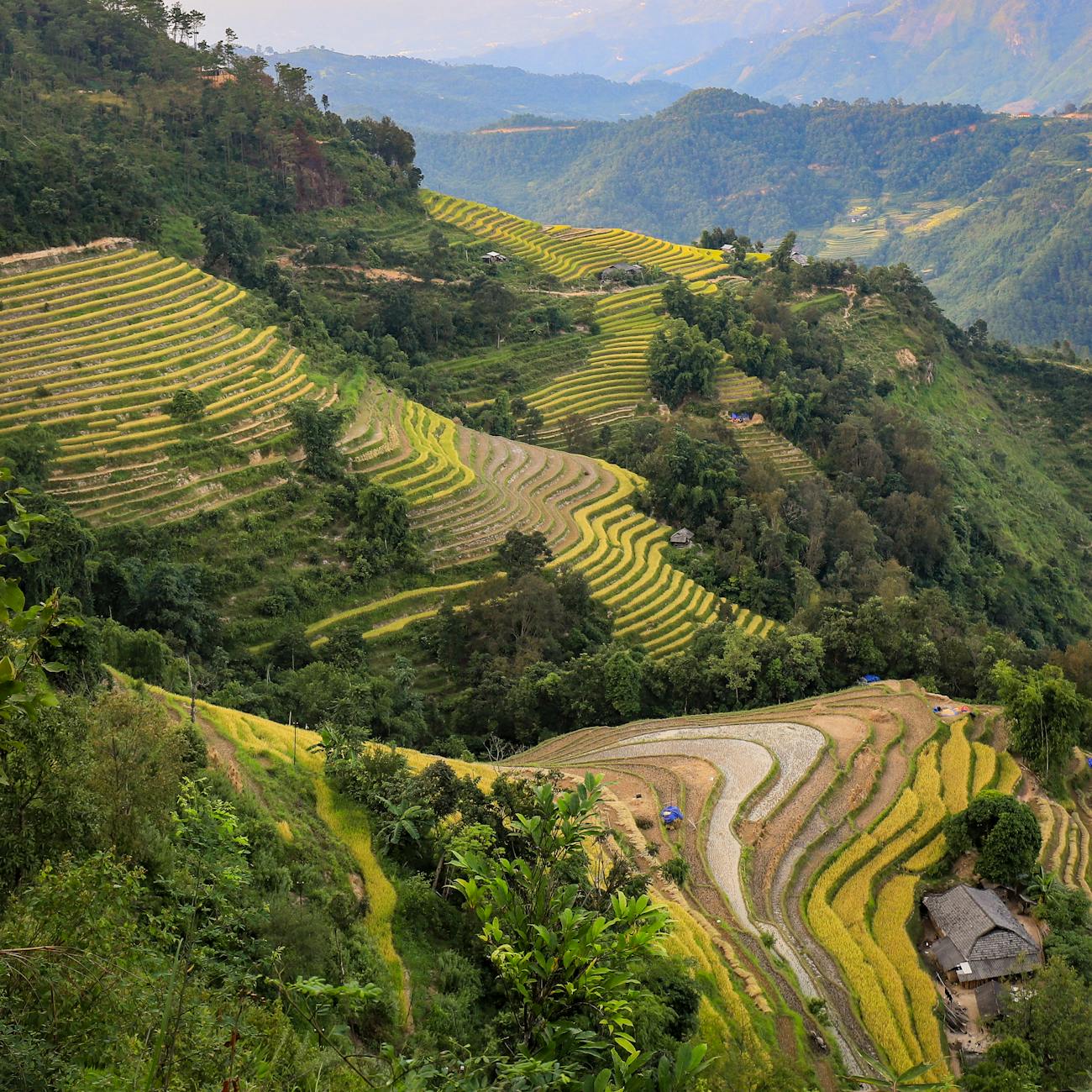
Integrated Pest Management (IPM) is a holistic approach to managing pests in agriculture that aims to minimize the use of chemical pesticides while still effectively controlling pest populations. IPM involves combining multiple strategies to prevent and manage pests, including biological control, cultural practices, physical barriers, and the careful use of pesticides when necessary.
Pests are organisms that damage crops, livestock, or structures, leading to economic losses or health risks. Common agricultural pests include insects, weeds, pathogens (such as bacteria, viruses, and fungi), and vertebrates like rodents and birds.
Biological control is the use of natural enemies, such as predators, parasites, and pathogens, to control pest populations. This method is often more sustainable and environmentally friendly than chemical pesticides.
Cultural practices involve modifying the environment or cropping system to reduce pest pressure. Examples include crop rotation, planting resistant varieties, and maintaining proper sanitation practices.
Physical barriers are physical structures or materials used to exclude pests from crops or protected areas. Examples include row covers, netting, and traps.
Chemical pesticides are substances used to control pests. While effective, these chemicals can have negative impacts on the environment, human health, and non-target organisms if not used carefully.
Threshold levels are the population levels at which it becomes economically or ecologically justified to take action against pests. Monitoring pest populations is essential to determine when control measures are necessary.
Monitoring involves regularly inspecting crops for pest presence and damage. Monitoring can help determine the effectiveness of control measures and make informed decisions about pest management strategies.
Economic thresholds are the pest population levels at which the cost of control measures is justified by the potential economic losses if pests are left unmanaged. Economic thresholds vary depending on the crop, pest species, and market conditions.
Predatory insects are natural enemies that feed on pest insects. Examples include lady beetles, lacewings, and parasitic wasps. By promoting predatory insects, farmers can reduce pest populations without the need for chemical pesticides.
Parasitoids are insects that lay their eggs inside or on other insects, eventually killing them. These natural enemies play a crucial role in controlling pest populations in agricultural systems.
Pathogens are microorganisms that cause diseases in plants, animals, or humans. In IPM, some pathogens can be used as biological control agents to target specific pests while minimizing harm to non-target organisms.
Resistant varieties are plant cultivars that have genetic traits that make them less susceptible to pest damage. Planting resistant varieties can help reduce the need for chemical pesticides in pest management.
Crop rotation is the practice of growing different crops in a particular field in successive seasons to disrupt pest life cycles and reduce the buildup of pest populations. Crop rotation can also improve soil health and fertility.
Trap crops are plants intentionally grown to attract pests away from main crops. By luring pests to trap crops, farmers can protect their primary crops without the need for chemical pesticides.
Beneficial insects are insects that provide valuable ecosystem services, such as pollination or pest control. Encouraging beneficial insects in agricultural landscapes can help maintain ecological balance and reduce pest pressures.
Chemical control involves the use of pesticides to manage pest populations. While effective, chemical control should be used as a last resort in IPM to minimize environmental impacts and resistance development.
Selective pesticides target specific pests while minimizing harm to beneficial organisms. Selective pesticides are preferred in IPM to preserve natural enemies and pollinators in agricultural systems.
Non-selective pesticides kill a wide range of organisms, including beneficial insects and pollinators. Non-selective pesticides should be used with caution in IPM to avoid disrupting ecological balance.
Mode of action refers to how a pesticide affects pests at the molecular level. Understanding the mode of action of pesticides is crucial for managing resistance and selecting appropriate control measures in IPM.
Resistance management involves strategies to prevent or delay the development of resistance in pest populations to pesticides. Rotating pesticides, using mixtures, and integrating different control methods are common resistance management techniques in IPM.
Integrated Weed Management (IWM) is a holistic approach to managing weeds in agriculture using a combination of cultural, mechanical, biological, and chemical control methods. IWM aims to reduce reliance on herbicides while maintaining weed populations at tolerable levels.
Herbicide resistance occurs when weeds develop genetic traits that allow them to survive exposure to herbicides. To manage herbicide resistance, farmers should rotate herbicides with different modes of action, use tank mixtures, and adopt non-chemical weed control methods.
Cultural weed control practices include crop rotation, cover cropping, and mulching to suppress weed growth and competition. Cultural weed control methods can help reduce weed pressure and minimize the need for herbicides in weed management.
Mechanical weed control involves physically removing weeds using tools such as hoes, cultivators, and mulchers. Mechanical weed control is effective for managing weeds in organic farming systems and can complement other weed control methods in IWM.
Biological weed control uses natural enemies, such as insects, pathogens, and livestock, to suppress weed populations. While less common than other weed control methods, biological weed control can be a sustainable option in certain agricultural systems.
Crop competition is the practice of growing crops in a way that suppresses weed growth and reduces competition for resources. Planting dense stands, using allelopathic crops, and selecting competitive crop varieties are strategies to enhance crop competition in weed management.
Pre-emergence herbicides are herbicides applied to soil before weed seeds germinate. Pre-emergence herbicides can help prevent weed emergence and establishment, making them an important tool in IWM.
Post-emergence herbicides are herbicides applied to weeds after they have emerged from the soil. Post-emergence herbicides target actively growing weeds and can be used selectively to minimize impacts on crops and non-target organisms.
Chemical weed control involves the use of herbicides to manage weed populations. While herbicides are effective in controlling weeds, overreliance on chemical weed control can lead to herbicide resistance and environmental pollution.
Biological control agents are natural enemies, such as insects, pathogens, or animals, used to suppress weed populations. While less common in weed management, biological control agents can provide sustainable and environmentally friendly weed control solutions.
Herbicide drift occurs when herbicides move off-target due to wind or improper application, leading to unintended damage to nearby crops, wildlife, or water sources. Proper herbicide application techniques and timing can help minimize herbicide drift in agricultural settings.
Soil health refers to the physical, chemical, and biological properties of soil that support plant growth and ecosystem functions. Healthy soils are essential for sustainable agriculture and play a key role in pest and weed management in IPM and IWM.
Cover cropping involves planting non-harvested crops or cover crops between main crops to improve soil health, suppress weeds, and provide habitat for beneficial organisms. Cover cropping is a common practice in sustainable agriculture and can contribute to integrated pest and weed management.
Soil solarization is a non-chemical method for controlling soilborne pests and weeds by covering moist soil with transparent plastic to trap solar energy and heat the soil to lethal temperatures. Soil solarization is an effective technique for managing pests and weeds in organic farming systems.
Trap cropping is a strategy in which plants attractive to pests are planted to lure them away from main crops, reducing pest damage without the need for chemical pesticides. Trap cropping can be an effective pest management tool in IPM by diverting pests to less valuable plants.
Physical barriers are structures or materials used to exclude pests from crops or protected areas. Examples include row covers, netting, and fences. Physical barriers can help prevent pest damage and reduce the need for chemical pesticides in pest management.
Scouting involves systematically inspecting crops for pest presence and damage to assess pest populations and make informed decisions about pest management strategies. Scouting is essential for monitoring pest levels and implementing timely control measures in IPM.
Biological control agents are natural enemies, such as predators, parasites, and pathogens, used to suppress pest populations in agricultural systems. Biological control agents can provide sustainable and environmentally friendly pest management solutions in IPM.
IPM action thresholds are the pest population levels at which control measures are justified to prevent economic losses or environmental damage. Implementing control measures only when pest populations exceed action thresholds is a key principle of IPM to minimize pesticide use and environmental impacts.
Beneficial organisms are organisms that provide valuable ecosystem services, such as pollination, pest control, or nutrient cycling. Beneficial organisms play a crucial role in maintaining ecological balance and reducing pest pressures in agricultural systems.
Non-target organisms are organisms unintentionally affected by pest management practices, such as chemical pesticides. Minimizing impacts on non-target organisms is important in IPM to preserve biodiversity and ecosystem health while effectively managing pests.
Biological pesticides are pesticides derived from natural sources, such as plants, animals, or microorganisms, that control pests through biological mechanisms. Biological pesticides are often less harmful to beneficial organisms and the environment than synthetic chemical pesticides.
Chemical pesticides are synthetic substances used to control pests. While effective, chemical pesticides can have negative impacts on the environment, human health, and non-target organisms if not used carefully. Integrated Pest Management seeks to minimize reliance on chemical pesticides through the use of alternative pest control strategies.
Host plant resistance refers to the ability of plants to withstand or tolerate pest damage due to genetic traits that deter pests. Planting resistant varieties is a common strategy in IPM to reduce the need for chemical pesticides and minimize pest pressure.
Biological control agents are natural enemies, such as predators, parasites, and pathogens, used to suppress pest populations in agricultural systems. Biological control agents can provide sustainable and environmentally friendly pest management solutions in IPM.
Integrated Pest Management (IPM) is a holistic approach to managing pests in agriculture that aims to minimize the use of chemical pesticides while still effectively controlling pest populations. IPM involves combining multiple strategies to prevent and manage pests, including biological control, cultural practices, physical barriers, and the careful use of pesticides when necessary.
Pests are organisms that damage crops, livestock, or structures, leading to economic losses or health risks. Common agricultural pests include insects, weeds, pathogens (such as bacteria, viruses, and fungi), and vertebrates like rodents and birds.
Biological control is the use of natural enemies, such as predators, parasites, and pathogens, to control pest populations. This method is often more sustainable and environmentally friendly than chemical pesticides.
Cultural practices involve modifying the environment or cropping system to reduce pest pressure. Examples include crop rotation, planting resistant varieties, and maintaining proper sanitation practices.
Physical barriers are physical structures or materials used to exclude pests from crops or protected areas. Examples include row covers, netting, and traps.
Chemical pesticides are substances used to control pests. While effective, these chemicals can have negative impacts on the environment, human health, and non-target organisms if not used carefully.
Threshold levels are the population levels at which it becomes economically or ecologically justified to take action against pests. Monitoring pest populations is essential to determine when control measures are necessary.
Monitoring involves regularly inspecting crops for pest presence and damage. Monitoring can help determine the effectiveness of control measures and make informed decisions about pest management strategies.
Economic thresholds are the pest population levels at which the cost of control measures is justified by the potential economic losses if pests are left unmanaged. Economic thresholds vary depending on the crop, pest species, and market conditions.
Predatory insects are natural enemies that feed on pest insects. Examples include lady beetles, lacewings, and parasitic wasps. By promoting predatory insects, farmers can reduce pest populations without the need for chemical pesticides.
Parasitoids are insects that lay their eggs inside or on other insects, eventually killing them. These natural enemies play a crucial role in controlling pest populations in agricultural systems.
Pathogens are microorganisms that cause diseases in plants, animals, or humans. In IPM, some pathogens can be used as biological control agents to target specific pests while minimizing harm to non-target organisms.
Resistant varieties are plant cultivars that have genetic traits that make them less susceptible to pest damage. Planting resistant varieties can help reduce the need for chemical pesticides in pest management.
Crop rotation is the practice of growing different crops in a particular field in successive seasons to disrupt pest life cycles and reduce the buildup of pest populations. Crop rotation can also improve soil health and fertility.
Trap crops are plants intentionally grown to attract pests away from main crops. By luring pests to trap crops, farmers can protect their primary crops without the need for chemical pesticides.
Beneficial insects are insects that provide valuable ecosystem services, such as pollination or pest control. Encouraging beneficial insects in agricultural landscapes can help maintain ecological balance and reduce pest pressures.
Chemical control involves the use of pesticides to manage pest populations. While effective, chemical control should be used as a last resort in IPM to minimize environmental impacts and resistance development.
Selective pesticides target specific pests while minimizing harm to beneficial organisms. Selective pesticides are preferred in IPM to preserve natural enemies and pollinators in agricultural systems.
Non-selective pesticides kill a wide range of organisms, including beneficial insects and pollinators. Non-selective pesticides should be used with caution in IPM to avoid disrupting ecological balance.
Mode of action refers to how a pesticide affects pests at the molecular level. Understanding the mode of action of pesticides is crucial for managing resistance and selecting appropriate control measures in IPM.
Resistance management involves strategies to prevent or delay the development of resistance in pest populations to pesticides. Rotating pesticides, using mixtures, and integrating different control methods are common resistance management techniques in IPM.
Integrated Weed Management (IWM) is a holistic approach to managing weeds in agriculture using a combination of cultural, mechanical, biological, and chemical control methods. IWM aims to reduce reliance on herbicides while maintaining weed populations at tolerable levels.
Herbicide resistance occurs when weeds develop genetic traits that allow them to survive exposure to herbicides. To manage herbicide resistance, farmers should rotate herbicides with different modes of action, use tank mixtures, and adopt non-chemical weed control methods.
Cultural weed control practices include crop rotation, cover cropping, and mulching to suppress weed growth and competition. Cultural weed control methods can help reduce weed pressure and minimize the need for herbicides in weed management.
Mechanical weed control involves physically removing weeds using tools such as hoes, cultivators, and mulchers. Mechanical weed control is effective for managing weeds in organic farming systems and can complement other weed control methods in IWM.
Biological weed control uses natural enemies, such as insects, pathogens, and livestock, to suppress weed populations. While less common than other weed control methods, biological weed control can be a sustainable option in certain agricultural systems.
Crop competition is the practice of growing crops in a way that suppresses weed growth and reduces competition for resources. Planting dense stands, using allelopathic crops, and selecting competitive crop varieties are strategies to enhance crop competition in weed management.
Pre-emergence herbicides are herbicides applied to soil before weed seeds germinate. Pre-emergence herbicides can help prevent weed emergence and establishment, making them an important tool in IWM.
Post-emergence herbicides are herbicides applied to weeds after they have emerged from the soil. Post-emergence herbicides target actively growing weeds and can be used selectively to minimize impacts on crops and non-target organisms.
Chemical weed control involves the use of herbicides to manage weed populations. While herbicides are effective in controlling weeds, overreliance on chemical weed control can lead to herbicide resistance and environmental pollution.
Biological control agents are natural enemies, such as insects, pathogens, or animals, used to suppress weed populations. While less common in weed management, biological control agents can provide sustainable and environmentally friendly weed control solutions.
Herbicide drift occurs when herbicides move off-target due to wind or improper application, leading to unintended damage to nearby crops, wildlife, or water sources. Proper herbicide application techniques and timing can help minimize herbicide drift in agricultural settings.
Soil health refers to the physical, chemical, and biological properties of soil that support plant growth and ecosystem functions. Healthy soils are essential for sustainable agriculture and play a key role in pest and weed management in IPM and IWM.
Cover cropping involves planting non-harvested crops or cover crops between main crops to improve soil health, suppress weeds, and provide habitat for beneficial organisms. Cover cropping is a common practice in sustainable agriculture and can contribute to integrated pest and weed management.
Soil solarization is a non-chemical method for controlling soilborne pests and weeds by covering moist soil with transparent plastic to trap solar energy and heat the soil to lethal temperatures. Soil solarization is an effective technique for managing pests and weeds in organic farming systems.
Trap cropping is a strategy in which plants attractive to pests are planted to lure them away from main crops, reducing pest damage without the need for chemical pesticides. Trap cropping can be an effective pest management tool in IPM by diverting pests to less valuable plants.
Physical barriers are structures or materials used to exclude pests from crops or protected areas. Examples include row covers, netting, and fences. Physical barriers can help prevent pest damage and reduce the need for chemical pesticides in pest management.
Scouting involves systematically inspecting crops for pest presence and damage to assess pest populations and make informed decisions about pest management strategies. Scouting is essential for monitoring pest levels and implementing timely control measures in IPM.
Biological control agents are natural enemies, such as predators, parasites, and pathogens, used to suppress pest populations in agricultural systems. Biological control agents can provide sustainable and environmentally friendly pest management solutions in IPM.
IPM action thresholds are the pest population levels at which control measures are justified to prevent economic losses or environmental damage. Implement
Key takeaways
- Integrated Pest Management (IPM) is a holistic approach to managing pests in agriculture that aims to minimize the use of chemical pesticides while still effectively controlling pest populations.
- Common agricultural pests include insects, weeds, pathogens (such as bacteria, viruses, and fungi), and vertebrates like rodents and birds.
- Biological control is the use of natural enemies, such as predators, parasites, and pathogens, to control pest populations.
- Examples include crop rotation, planting resistant varieties, and maintaining proper sanitation practices.
- Physical barriers are physical structures or materials used to exclude pests from crops or protected areas.
- While effective, these chemicals can have negative impacts on the environment, human health, and non-target organisms if not used carefully.
- Threshold levels are the population levels at which it becomes economically or ecologically justified to take action against pests.