
Organic Crop Production
Organic Crop Production: Organic crop production refers to the cultivation of crops without the use of synthetic chemicals, pesticides, or genetically modified organisms (GMOs). Instead, organic farmers rely on natural methods such as crop …
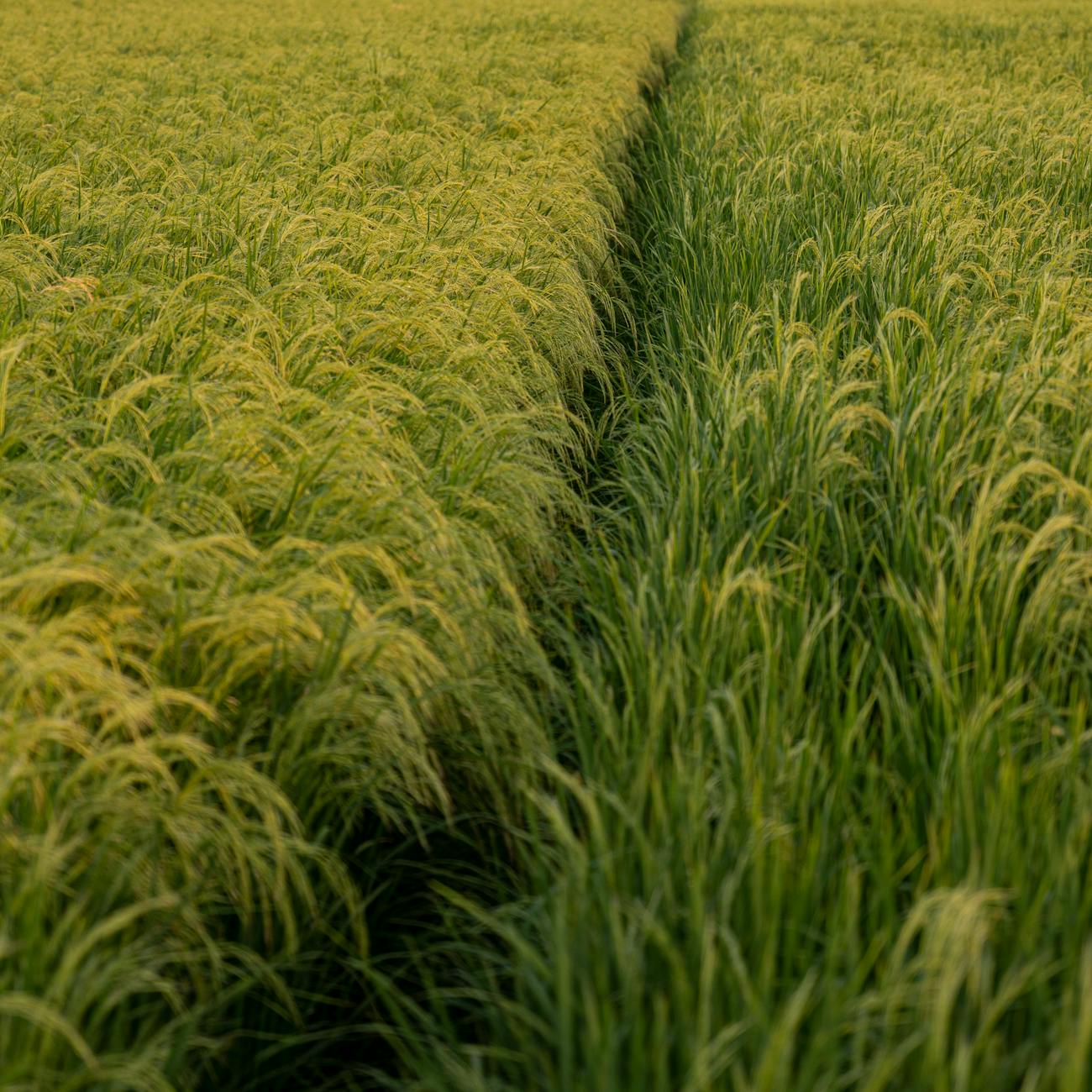
Organic Crop Production: Organic crop production refers to the cultivation of crops without the use of synthetic chemicals, pesticides, or genetically modified organisms (GMOs). Instead, organic farmers rely on natural methods such as crop rotation, composting, and the use of beneficial insects to maintain soil fertility and control pests.
Sustainable Agriculture: Sustainable agriculture is a farming practice that aims to meet the needs of the present without compromising the ability of future generations to meet their own needs. It focuses on minimizing environmental impact, promoting biodiversity, and ensuring the economic viability of farming operations.
Professional Certificate: A professional certificate is a credential awarded to individuals who have completed a specialized training program or course of study. In the context of sustainable agriculture production, a professional certificate signifies that the holder has acquired the knowledge and skills needed to succeed in the field.
Key Terms and Vocabulary:
1. Soil Health: Soil health refers to the overall condition of the soil, including its physical, chemical, and biological properties. Healthy soil is crucial for plant growth as it provides nutrients, water, and support for roots.
2. Crop Rotation: Crop rotation is the practice of planting different crops in a particular field in sequential seasons. This helps to maintain soil fertility, control pests and diseases, and reduce the need for synthetic inputs.
3. Cover Crops: Cover crops are crops planted primarily to protect and improve the soil rather than for harvest. They help prevent erosion, suppress weeds, and add organic matter to the soil.
4. Composting: Composting is the process of decomposing organic materials such as food scraps, yard waste, and manure to create a nutrient-rich soil amendment. Compost improves soil structure, fertility, and water retention.
5. Integrated Pest Management (IPM): Integrated Pest Management is a holistic approach to pest control that combines biological, cultural, physical, and chemical methods to manage pests effectively while minimizing environmental impact.
6. Biological Control: Biological control is the use of natural enemies such as predatory insects, parasites, or pathogens to control pest populations. This method is environmentally friendly and sustainable.
7. Organic Certification: Organic certification is a process by which a farm or agricultural operation is verified to be in compliance with organic standards set by a certifying body. Organic certification ensures that products are produced according to organic principles.
8. Nutrient Management: Nutrient management involves the careful monitoring and application of nutrients such as nitrogen, phosphorus, and potassium to crops to ensure optimal growth and minimize environmental pollution.
9. Water Conservation: Water conservation is the practice of efficiently using and conserving water resources in agriculture. Techniques such as drip irrigation, rainwater harvesting, and mulching help reduce water waste.
10. Green Manure: Green manure is a cover crop that is grown specifically to be plowed under and incorporated into the soil to improve soil fertility. Green manures add organic matter and nutrients to the soil.
11. Soil Testing: Soil testing is the process of analyzing soil samples to determine nutrient levels, pH, and other properties. This information helps farmers make informed decisions about fertilization and soil amendments.
12. Weed Management: Weed management involves controlling unwanted plants that compete with crops for nutrients, water, and sunlight. Organic farmers use techniques such as mulching, hand weeding, and crop rotation to manage weeds.
13. Biodiversity: Biodiversity refers to the variety of plant and animal species in an ecosystem. Maintaining biodiversity is essential for ecosystem resilience, pest control, and pollination in organic crop production.
14. Genetic Diversity: Genetic diversity refers to the variety of genetic traits within a population of plants or animals. Genetic diversity is important for breeding resistant varieties and adapting to changing environmental conditions.
15. Pollinator Conservation: Pollinator conservation involves protecting and enhancing pollinator populations such as bees, butterflies, and birds that are crucial for pollinating crops. Pollinator-friendly practices support crop production and biodiversity.
16. Food Safety: Food safety is the assurance that food is safe for consumption and free from harmful contaminants. Organic crop production follows strict guidelines to ensure food safety and traceability.
17. Marketing and Certification: Marketing and certification involve promoting organic products to consumers and obtaining organic certification to demonstrate compliance with organic standards. Effective marketing strategies help organic farmers reach new markets and build consumer trust.
18. Climate Resilience: Climate resilience refers to the ability of farming systems to withstand and adapt to changing climate conditions such as extreme weather events, drought, or flooding. Sustainable agriculture practices help enhance climate resilience.
19. Agroecology: Agroecology is a science-based approach that integrates ecological principles into agricultural systems to promote sustainable and resilient food production. Agroecological practices focus on enhancing biodiversity, soil health, and ecosystem services.
20. Regenerative Agriculture: Regenerative agriculture is a holistic approach to farming that aims to restore and improve ecosystem health while producing food. Regenerative practices focus on building soil fertility, sequestering carbon, and enhancing biodiversity.
21. Farm Planning: Farm planning involves developing a comprehensive plan for the operation of a farm, including crop rotation, soil management, pest control, and marketing strategies. A well-designed farm plan helps farmers achieve their production goals and improve sustainability.
22. Organic Inputs: Organic inputs are materials such as compost, manure, and organic fertilizers that are used to enhance soil fertility and promote plant growth in organic crop production. Organic inputs are derived from natural sources and are free from synthetic chemicals.
23. Crop Diversity: Crop diversity refers to the practice of growing a variety of crops on a farm to improve soil health, pest management, and resilience to environmental stress. Diverse cropping systems support biodiversity and reduce the risk of crop failure.
24. Soil Amendments: Soil amendments are materials added to the soil to improve its physical, chemical, or biological properties. Common soil amendments include lime, gypsum, and organic matter such as compost.
25. Sustainable Practices: Sustainable practices are farming techniques that promote environmental stewardship, social equity, and economic viability. Examples of sustainable practices include conservation tillage, agroforestry, and organic farming.
In conclusion, understanding key terms and vocabulary related to organic crop production is essential for success in sustainable agriculture production. By incorporating these concepts into farming practices, farmers can improve soil health, enhance biodiversity, and produce healthy and sustainable food for future generations.
Key takeaways
- Organic Crop Production: Organic crop production refers to the cultivation of crops without the use of synthetic chemicals, pesticides, or genetically modified organisms (GMOs).
- Sustainable Agriculture: Sustainable agriculture is a farming practice that aims to meet the needs of the present without compromising the ability of future generations to meet their own needs.
- In the context of sustainable agriculture production, a professional certificate signifies that the holder has acquired the knowledge and skills needed to succeed in the field.
- Soil Health: Soil health refers to the overall condition of the soil, including its physical, chemical, and biological properties.
- Crop Rotation: Crop rotation is the practice of planting different crops in a particular field in sequential seasons.
- Cover Crops: Cover crops are crops planted primarily to protect and improve the soil rather than for harvest.
- Composting: Composting is the process of decomposing organic materials such as food scraps, yard waste, and manure to create a nutrient-rich soil amendment.