
Marina Facility Management
Marina Facility Management
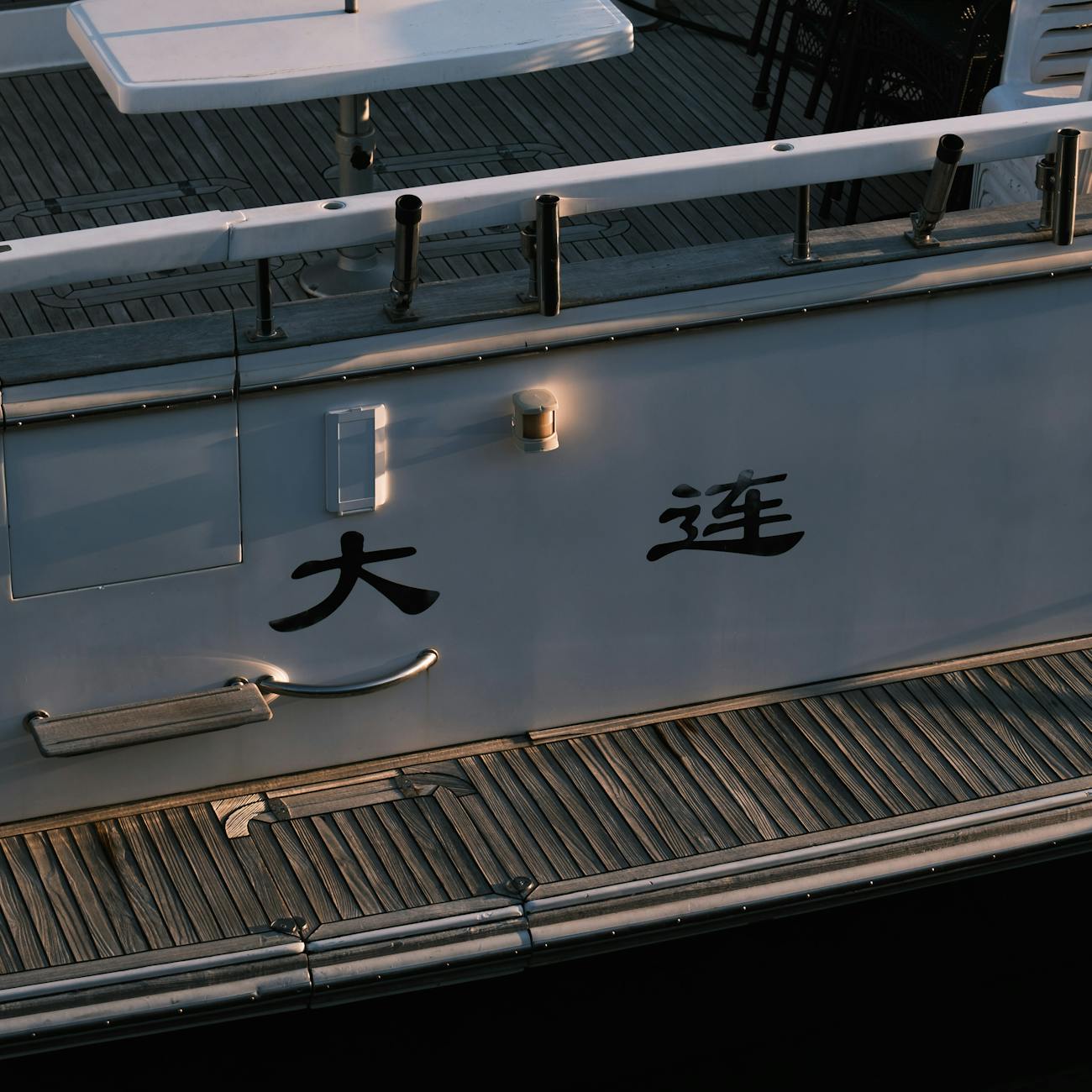
Marina Facility Management
Marina facility management refers to the administration, operation, and maintenance of a marina or yacht club. It involves overseeing all aspects of the facility to ensure it runs smoothly, efficiently, and profitably. This includes managing staff, facilities, services, and customer relations. Effective marina facility management is crucial for providing a positive experience for boaters and maximizing the profitability of the business.
Key Terms and Vocabulary
1. Marina: A marina is a facility where boats and yachts are stored, serviced, and launched. Marinas can vary in size and services offered, from small docks to large complexes with restaurants, shops, and other amenities.
2. Yacht Club: A yacht club is a social organization that promotes boating and sailing activities. Yacht clubs often have facilities for members to store their boats, as well as social events and regattas.
3. Facility Management: Facility management involves the coordination of all activities related to the maintenance and operation of a facility. This includes managing resources, space planning, maintenance, and safety.
4. Operational Management: Operational management focuses on the day-to-day running of a marina facility, including staff scheduling, customer service, and facility maintenance.
5. Financial Management: Financial management involves budgeting, financial planning, and financial reporting for a marina facility. It is essential for ensuring the financial health of the business.
6. Customer Service: Customer service is crucial in marina facility management to ensure that boaters have a positive experience. This includes providing assistance with docking, fueling, maintenance, and other services.
7. Boat Storage: Boat storage refers to the different options available for storing boats at a marina, such as wet slips, dry storage, or rack storage.
8. Regulations: Regulations refer to the rules and laws that govern the operation of a marina facility, such as safety regulations, environmental regulations, and zoning laws.
9. Environmental Sustainability: Environmental sustainability involves managing a marina facility in an environmentally friendly way, such as reducing waste, conserving water, and using eco-friendly products.
10. Marketing: Marketing is essential for attracting customers to a marina facility. This includes advertising, promotions, social media, and other strategies to reach potential boaters.
11. Emergency Preparedness: Emergency preparedness involves having plans in place for dealing with emergencies such as severe weather, fires, or accidents at a marina facility.
12. Insurance: Insurance is crucial for protecting a marina facility from liability and property damage. Types of insurance for marina facilities may include general liability, property insurance, and pollution liability.
13. Security: Security measures are important for protecting boats, equipment, and facilities at a marina. This may include security cameras, lighting, gates, and security personnel.
14. Dockage: Dockage refers to the fee charged for mooring a boat at a marina facility. Dockage rates may vary based on the size of the boat, the length of stay, and the services provided.
15. Slip: A slip is a space at a marina where a boat can be moored. Slips come in different sizes to accommodate boats of varying lengths.
16. Harbormaster: The harbormaster is responsible for overseeing the operation of a marina facility, including managing staff, facilities, and customer relations.
17. Boatyard: A boatyard is a facility at a marina where boats are stored, serviced, and repaired. Boatyards may have dry docks, haul-out facilities, and equipment for boat maintenance.
18. Boat Ramp: A boat ramp is a sloped surface that allows boats to be launched into the water. Boat ramps are essential for boaters who trailer their boats to and from the marina.
19. Marina Amenities: Marina amenities are additional services and facilities offered to boaters, such as restaurants, fuel docks, showers, laundry facilities, and Wi-Fi.
20. Transient Boaters: Transient boaters are boaters who are visiting a marina for a short period, such as for a weekend or a few days. Catering to transient boaters is important for generating revenue and attracting new customers.
21. Seasonal Boaters: Seasonal boaters are boaters who rent slips at a marina for an entire boating season. Seasonal boaters provide a steady source of income for marinas.
22. Boat Show: A boat show is an event where boat manufacturers, dealers, and suppliers showcase their products and services. Boat shows are an opportunity for marinas to attract new customers and promote their facilities.
23. Boat Maintenance: Boat maintenance involves regular upkeep and repairs to keep boats in good condition. Marina facilities may offer boat maintenance services to boaters.
24. Boat Repair: Boat repair involves fixing damaged or malfunctioning boats. Marina facilities with boatyards may offer boat repair services to boaters.
25. Customer Retention: Customer retention is the practice of keeping existing customers satisfied and loyal to a marina facility. Building strong relationships with customers can lead to repeat business and positive word-of-mouth referrals.
26. Reservation System: A reservation system allows boaters to book slips or services in advance. Having a reservation system in place can help marina facilities manage capacity and plan for busy periods.
27. Waterfront Development: Waterfront development involves the planning and construction of marina facilities, waterfront parks, restaurants, shops, and other amenities to attract visitors and boaters to a waterfront area.
28. Boat Dealers: Boat dealers are businesses that sell new and used boats. Building relationships with boat dealers can help marina facilities attract customers and promote boat sales.
29. Boat Rentals: Boat rentals allow customers to rent boats for a day or longer. Offering boat rentals can be a source of additional revenue for marina facilities.
30. Boat Shows: Boat shows are events where boat manufacturers and dealers showcase their latest models. Attending boat shows can help marina facilities stay up-to-date on industry trends and connect with potential customers.
31. Vendor Management: Vendor management involves sourcing, negotiating contracts, and managing relationships with suppliers and service providers. Effective vendor management is essential for ensuring quality products and services at a marina facility.
32. Boat Cleaning: Boat cleaning services involve washing, waxing, and detailing boats to keep them looking their best. Offering boat cleaning services can enhance the customer experience at a marina facility.
33. Waste Management: Waste management involves proper disposal of trash, recycling, and hazardous materials at a marina facility. Implementing a waste management plan is important for maintaining a clean and eco-friendly environment.
34. Marina Software: Marina software is specialized software designed to help marina facilities manage reservations, billing, customer data, and other operations. Using marina software can streamline processes and improve efficiency.
35. Dry Storage: Dry storage is a storage option for boats that are kept out of the water on racks or trailers. Dry storage is a cost-effective alternative to wet slips for boat owners.
36. Boat Lift: A boat lift is a mechanical device used to lift boats out of the water. Boat lifts are commonly used in boatyards and dry storage facilities.
37. Boat Launch: A boat launch is a ramp or dock where boats are launched into the water. Providing a safe and convenient boat launch is important for attracting boaters to a marina facility.
38. Boatyard Services: Boatyard services include haul-out, bottom painting, fiberglass repair, engine maintenance, and other services for boat owners. Offering a range of boatyard services can attract boaters looking for comprehensive maintenance solutions.
39. Marina Membership: Marina membership programs offer exclusive benefits and privileges to members, such as discounted rates, priority slip assignments, and social events. Marina memberships can help build a loyal customer base.
40. Boat Show Booth: A boat show booth is a display area at a boat show where marina facilities can showcase their services, amenities, and promotions. Having a booth at a boat show can help marina facilities attract new customers and generate leads.
41. Boat Maintenance Checklist: A boat maintenance checklist is a list of tasks and inspections that should be performed regularly to keep a boat in good condition. Providing boat owners with a maintenance checklist can help them care for their boats properly.
42. Emergency Response Plan: An emergency response plan outlines procedures for responding to emergencies such as fires, accidents, or natural disasters at a marina facility. Having an emergency response plan in place is essential for ensuring the safety of staff and customers.
43. Boatyard Equipment: Boatyard equipment includes tools, machinery, and lifts used for boat maintenance and repair. Having the right boatyard equipment is essential for providing quality services to boaters.
44. Marina Events: Marina events are social gatherings, regattas, boat shows, and other activities organized by marina facilities to engage with customers and promote the facility. Hosting marina events can enhance the customer experience and build community.
45. Customer Feedback: Customer feedback is valuable information provided by customers about their experience at a marina facility. Collecting and acting on customer feedback can help marina facilities improve services and attract new customers.
46. Boat Slip Rental Agreement: A boat slip rental agreement is a contract between a boat owner and a marina facility outlining the terms and conditions of renting a slip. Having a clear rental agreement can prevent misunderstandings and disputes.
47. Marina Expansion: Marina expansion involves adding new facilities, services, or amenities to accommodate more boats and customers. Planning and executing a marina expansion can help marina facilities grow their business and attract new customers.
48. Boatyard Safety: Boatyard safety measures are important for protecting staff and customers from accidents and injuries. Implementing safety protocols and providing training can help prevent accidents in a boatyard.
49. Marina Regulations: Marina regulations are rules and policies set by marina facilities to ensure safe and orderly operations. Enforcing marina regulations is important for maintaining a positive environment for boaters.
50. Boat Maintenance Log: A boat maintenance log is a record of all maintenance and repairs performed on a boat. Keeping a maintenance log can help boat owners track maintenance schedules and identify issues early.
Practical Applications
1. Customer Service Excellence: Providing exceptional customer service is key to success in marina facility management. Training staff to be knowledgeable, friendly, and responsive to boaters' needs can enhance the customer experience and build loyalty.
2. Facility Maintenance: Regular maintenance of facilities, equipment, and grounds is essential for ensuring a safe and attractive environment for boaters. Implementing a preventative maintenance schedule can help marina facilities avoid costly repairs and downtime.
3. Marketing Strategies: Developing effective marketing strategies can help marina facilities attract new customers and retain existing ones. Utilizing social media, email marketing, and targeted advertising can reach boaters and promote marina services.
4. Environmental Stewardship: Implementing environmentally friendly practices, such as recycling, energy conservation, and pollution prevention, can demonstrate a commitment to sustainability and attract environmentally conscious boaters.
5. Emergency Preparedness: Having an emergency response plan in place and conducting regular drills can help marina facilities respond quickly and effectively to emergencies, ensuring the safety of staff and customers.
6. Financial Management: Monitoring expenses, revenue, and profitability is essential for the financial health of a marina facility. Developing a budget, tracking financial performance, and identifying areas for cost savings can improve profitability.
7. Vendor Relationships: Building strong relationships with vendors and suppliers can ensure reliable and quality products and services for a marina facility. Negotiating contracts, monitoring performance, and seeking competitive bids can help manage vendor relationships effectively.
8. Boat Maintenance Services: Offering a range of boat maintenance and repair services can attract boaters looking for professional and convenient solutions. Providing quality work, competitive pricing, and timely service can build a loyal customer base.
9. Marina Membership Programs: Creating exclusive membership programs with benefits such as discounts, events, and priority services can attract long-term customers and generate recurring revenue for a marina facility.
10. Waterfront Development Projects: Participating in waterfront development projects, such as marina expansions, renovations, or new construction, can help marina facilities grow their business, enhance amenities, and attract more customers to the waterfront.
Challenges
1. Seasonal Demand: Managing fluctuations in demand during peak boating seasons can be challenging for marina facilities. Planning for capacity, staffing, and services during busy periods can help meet customer needs.
2. Regulatory Compliance: Staying up-to-date with changing regulations, permits, and environmental requirements can be complex for marina facilities. Developing compliance programs and training staff on regulations can ensure legal and safe operations.
3. Competition: Facing competition from other marinas, boatyards, and online booking platforms can be a challenge for marina facilities. Offering unique services, promotions, and customer incentives can help differentiate from competitors.
4. Weather Risks: Dealing with weather-related risks, such as storms, hurricanes, or flooding, can impact marina operations and safety. Implementing weather monitoring systems, emergency plans, and risk management strategies can mitigate weather risks.
5. Customer Expectations: Meeting or exceeding customer expectations for service, amenities, and facilities can be demanding for marina facilities. Conducting customer surveys, responding to feedback, and continuously improving services can enhance customer satisfaction.
6. Staff Training: Providing ongoing training and development for staff on customer service, safety protocols, and technical skills can be a challenge for marina facilities. Investing in staff training can improve performance, morale, and retention.
7. Technology Integration: Adopting and integrating new technologies, such as marina software, online booking systems, and digital marketing, can be complex for marina facilities. Training staff, implementing systems, and monitoring performance can optimize technology use.
8. Financial Management: Managing budgets, expenses, and revenue streams effectively is critical for the financial sustainability of a marina facility. Conducting financial analysis, forecasting, and budget reviews can improve financial management.
9. Environmental Concerns: Addressing environmental issues, such as water pollution, waste management, and habitat protection, can be a challenge for marina facilities. Implementing eco-friendly practices, recycling programs, and sustainability initiatives can reduce environmental impact.
10. Community Relations: Building positive relationships with the local community, government agencies, and stakeholders is important for the reputation and success of a marina facility. Participating in community events, supporting local causes, and communicating openly can enhance community relations.
Conclusion
In conclusion, marina facility management encompasses a wide range of responsibilities, from operational management to financial planning, customer service, and environmental sustainability. Understanding key terms and vocabulary in yacht and marina management is essential for effectively managing a marina facility and providing a positive experience for boaters. By applying practical applications, addressing challenges, and staying informed on industry trends, marina facilities can thrive and attract customers in a competitive market.
Key takeaways
- Effective marina facility management is crucial for providing a positive experience for boaters and maximizing the profitability of the business.
- Marinas can vary in size and services offered, from small docks to large complexes with restaurants, shops, and other amenities.
- Yacht clubs often have facilities for members to store their boats, as well as social events and regattas.
- Facility Management: Facility management involves the coordination of all activities related to the maintenance and operation of a facility.
- Operational Management: Operational management focuses on the day-to-day running of a marina facility, including staff scheduling, customer service, and facility maintenance.
- Financial Management: Financial management involves budgeting, financial planning, and financial reporting for a marina facility.
- Customer Service: Customer service is crucial in marina facility management to ensure that boaters have a positive experience.