
Risk Management in Yacht and Marina Businesses
Risk Management in Yacht and Marina Businesses:
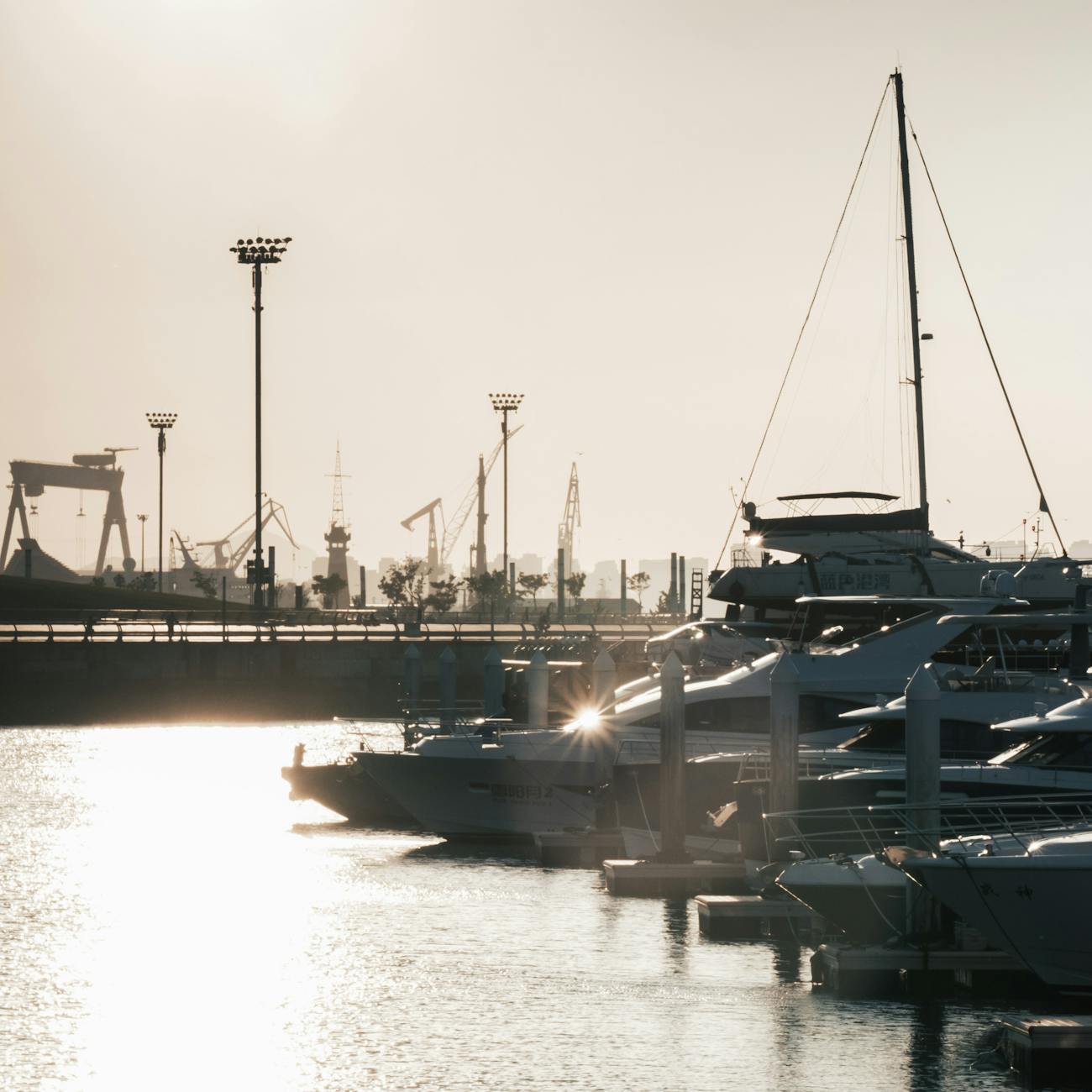
Risk Management in Yacht and Marina Businesses:
Risk management in yacht and marina businesses is a crucial aspect of operations that involves identifying, assessing, and mitigating potential risks to ensure the safety of vessels, crew, guests, and the overall business. By effectively managing risks, yacht and marina operators can protect their assets, reputation, and financial stability. In this course, we will explore key terms and vocabulary related to risk management in the yacht and marina industry.
Risk:
Risk is the probability of an event occurring that could have a negative impact on the business. In the context of yacht and marina businesses, risks can be related to safety, security, financial, legal, environmental, and reputational factors. It is essential to identify and assess risks to implement appropriate measures to mitigate them.
Hazard:
A hazard is a potential source of harm or danger that could lead to an adverse event. Hazards in yacht and marina operations can include rough weather conditions, equipment malfunctions, human error, fire hazards, pollution, and security threats. Identifying hazards is the first step in managing risks effectively.
Risk Assessment:
Risk assessment is the process of evaluating the likelihood and potential impact of identified risks. This involves analyzing the vulnerabilities of the business and determining the level of risk exposure. Risk assessments help in prioritizing risks and developing strategies to reduce their impact.
Risk Mitigation:
Risk mitigation involves implementing measures to reduce the likelihood or consequences of risks. This can include preventive actions, such as safety training for crew members, installing security systems, maintaining vessels and equipment regularly, and having emergency response plans in place. Effective risk mitigation strategies can minimize losses and protect the business from potential threats.
Risk Transfer:
Risk transfer involves shifting the financial burden of risks to another party, such as insurance companies. Yacht and marina businesses can transfer certain risks by purchasing insurance policies that cover specific liabilities, such as hull damage, liability for accidents, or loss of revenue due to business interruptions. Risk transfer helps in reducing the financial impact of unforeseen events.
Insurance:
Insurance is a risk management tool that provides financial protection against potential losses. Yacht and marina businesses can purchase various types of insurance policies, including hull insurance, liability insurance, marine environmental damage insurance, and business interruption insurance. Insurance premiums are paid to insurance companies in exchange for coverage in case of insured events.
Emergency Response Plan:
An emergency response plan is a structured set of procedures and protocols to be followed in case of emergencies. Yacht and marina businesses should have comprehensive emergency response plans in place to address various scenarios, such as fires, medical emergencies, accidents, natural disasters, or security threats. These plans outline roles and responsibilities, communication channels, evacuation procedures, and emergency contacts.
Incident Reporting:
Incident reporting is the process of documenting and reporting any accidents, near misses, or incidents that occur in yacht and marina operations. Reporting incidents helps in identifying trends, analyzing root causes, and implementing corrective actions to prevent future occurrences. It is essential for crew members to report incidents promptly to ensure a safe working environment.
Compliance:
Compliance refers to adhering to laws, regulations, and industry standards relevant to yacht and marina operations. Compliance requirements can cover areas such as safety regulations, environmental protection, security measures, crew training, vessel maintenance, and insurance coverage. Ensuring compliance helps in avoiding legal penalties, reputational damage, and financial losses.
Environmental Risk:
Environmental risks in yacht and marina businesses can arise from activities that impact the marine ecosystem, such as fuel spills, waste disposal, noise pollution, and habitat destruction. Operators must implement practices to minimize their environmental footprint, comply with regulations, and protect the marine environment. Environmental risk management is essential for sustainable operations.
Cyber Risk:
Cyber risks are increasingly relevant in yacht and marina businesses due to the reliance on digital technologies and connectivity. Cyber threats can include data breaches, malware attacks, ransomware, phishing scams, and system disruptions. Operators need to implement cybersecurity measures, such as firewalls, encryption, regular software updates, and employee training, to protect sensitive information and prevent cyber incidents.
Supply Chain Risk:
Supply chain risks in yacht and marina businesses can result from disruptions in the procurement of goods and services, such as equipment, fuel, maintenance, or provisions. Factors like supplier reliability, market fluctuations, geopolitical events, and natural disasters can impact the supply chain. Operators should diversify suppliers, maintain buffer stocks, and have contingency plans to mitigate supply chain risks.
Financial Risk:
Financial risks in yacht and marina businesses can stem from factors like fluctuating fuel prices, currency exchange rates, economic downturns, or revenue losses. Operators need to manage financial risks by budgeting effectively, monitoring expenses, diversifying revenue streams, and maintaining adequate cash reserves. Financial risk management is essential for the long-term financial health of the business.
Operational Risk:
Operational risks in yacht and marina businesses relate to internal processes, procedures, and systems that can lead to errors, inefficiencies, or disruptions. Examples of operational risks include equipment failures, scheduling conflicts, staffing shortages, or inadequate training. Operators should assess operational risks, streamline processes, implement quality control measures, and invest in technology to enhance operational efficiency.
Health and Safety Risk:
Health and safety risks in yacht and marina operations pertain to the well-being of crew members, guests, and visitors. Hazards like slips, trips, falls, accidents, medical emergencies, or exposure to hazardous substances can pose health and safety risks. Operators need to prioritize health and safety, provide training on safety protocols, conduct regular inspections, and ensure compliance with occupational health and safety regulations.
Compliance Risk:
Compliance risks in yacht and marina businesses arise from failing to adhere to legal requirements, industry standards, or contractual obligations. Non-compliance can lead to fines, legal disputes, reputational damage, and operational disruptions. Operators should stay informed about regulatory changes, conduct regular compliance audits, and implement policies and procedures to ensure compliance with applicable laws and regulations.
Reputational Risk:
Reputational risks in yacht and marina businesses involve threats to the organization's reputation, brand image, and public perception. Negative publicity, customer complaints, safety incidents, environmental violations, or unethical behavior can damage the reputation of the business. Operators should proactively manage reputational risks by maintaining transparency, addressing feedback, delivering quality services, and engaging in community outreach.
Legal Risk:
Legal risks in yacht and marina businesses stem from potential lawsuits, contractual disputes, regulatory violations, or intellectual property issues. Operators need to assess legal risks, seek legal advice when necessary, review contracts carefully, and maintain accurate records to mitigate legal exposure. Legal risk management is critical for avoiding costly litigation and protecting the business from legal liabilities.
Safety Management System (SMS):
A Safety Management System (SMS) is a structured framework for managing safety risks in yacht and marina operations. SMS involves establishing safety policies, conducting risk assessments, implementing safety procedures, monitoring safety performance, and continuously improving safety practices. SMS helps in promoting a safety culture, reducing accidents, and enhancing overall safety standards.
Business Continuity Plan:
A business continuity plan is a strategic document outlining procedures to ensure the continuity of operations in case of disruptions or disasters. Yacht and marina businesses should develop business continuity plans that address scenarios like natural disasters, equipment failures, cyber incidents, or pandemics. These plans include risk assessments, recovery strategies, communication protocols, and resource allocation to minimize downtime and resume operations promptly.
Emergency Preparedness:
Emergency preparedness involves planning and preparing for potential emergencies to respond effectively and protect lives and assets. Yacht and marina operators should conduct emergency drills, train personnel on emergency procedures, maintain emergency supplies, and establish communication channels with relevant authorities. Emergency preparedness is essential for mitigating risks and ensuring a timely and coordinated response to emergencies.
Crisis Management:
Crisis management involves responding to and recovering from significant incidents that pose a threat to the business's operations, reputation, or stakeholders. Yacht and marina businesses should have crisis management plans in place to address crises like accidents, natural disasters, security breaches, or public relations crises. Crisis management plans outline communication strategies, roles and responsibilities, media responses, and recovery measures to manage crises effectively.
Loss Prevention:
Loss prevention strategies aim to reduce the likelihood of incidents that could lead to financial losses, property damage, or injuries. Yacht and marina operators can implement loss prevention measures such as regular maintenance, safety inspections, security patrols, staff training, and surveillance systems to prevent accidents, theft, vandalism, or other losses. Loss prevention efforts help in safeguarding assets and maintaining a safe and secure environment.
Key Performance Indicators (KPIs):
Key Performance Indicators (KPIs) are measurable metrics used to evaluate the performance and effectiveness of risk management strategies in yacht and marina businesses. KPIs can include safety incident rates, compliance levels, insurance claim ratios, emergency response times, customer satisfaction scores, and financial indicators. Monitoring KPIs helps in assessing risk exposure, identifying trends, and making informed decisions to improve risk management practices.
Conclusion:
In conclusion, understanding key terms and vocabulary related to risk management in yacht and marina businesses is essential for effectively identifying, assessing, and mitigating risks to ensure the safety and sustainability of operations. By implementing comprehensive risk management strategies, operators can protect their assets, reputation, and stakeholders from potential threats and challenges. Continuous improvement in risk management practices is vital for adapting to evolving risks, maintaining compliance, and achieving operational excellence in the yacht and marina industry.
Key takeaways
- Risk management in yacht and marina businesses is a crucial aspect of operations that involves identifying, assessing, and mitigating potential risks to ensure the safety of vessels, crew, guests, and the overall business.
- In the context of yacht and marina businesses, risks can be related to safety, security, financial, legal, environmental, and reputational factors.
- Hazards in yacht and marina operations can include rough weather conditions, equipment malfunctions, human error, fire hazards, pollution, and security threats.
- This involves analyzing the vulnerabilities of the business and determining the level of risk exposure.
- This can include preventive actions, such as safety training for crew members, installing security systems, maintaining vessels and equipment regularly, and having emergency response plans in place.
- Yacht and marina businesses can transfer certain risks by purchasing insurance policies that cover specific liabilities, such as hull damage, liability for accidents, or loss of revenue due to business interruptions.
- Yacht and marina businesses can purchase various types of insurance policies, including hull insurance, liability insurance, marine environmental damage insurance, and business interruption insurance.