
Introduction to Marine Wildlife Conservation Tourism
Marine wildlife conservation tourism is a specialized field that combines the principles of marine conservation and wildlife protection with the business of tourism. This Executive Certificate course covers key terms and vocabulary that are…
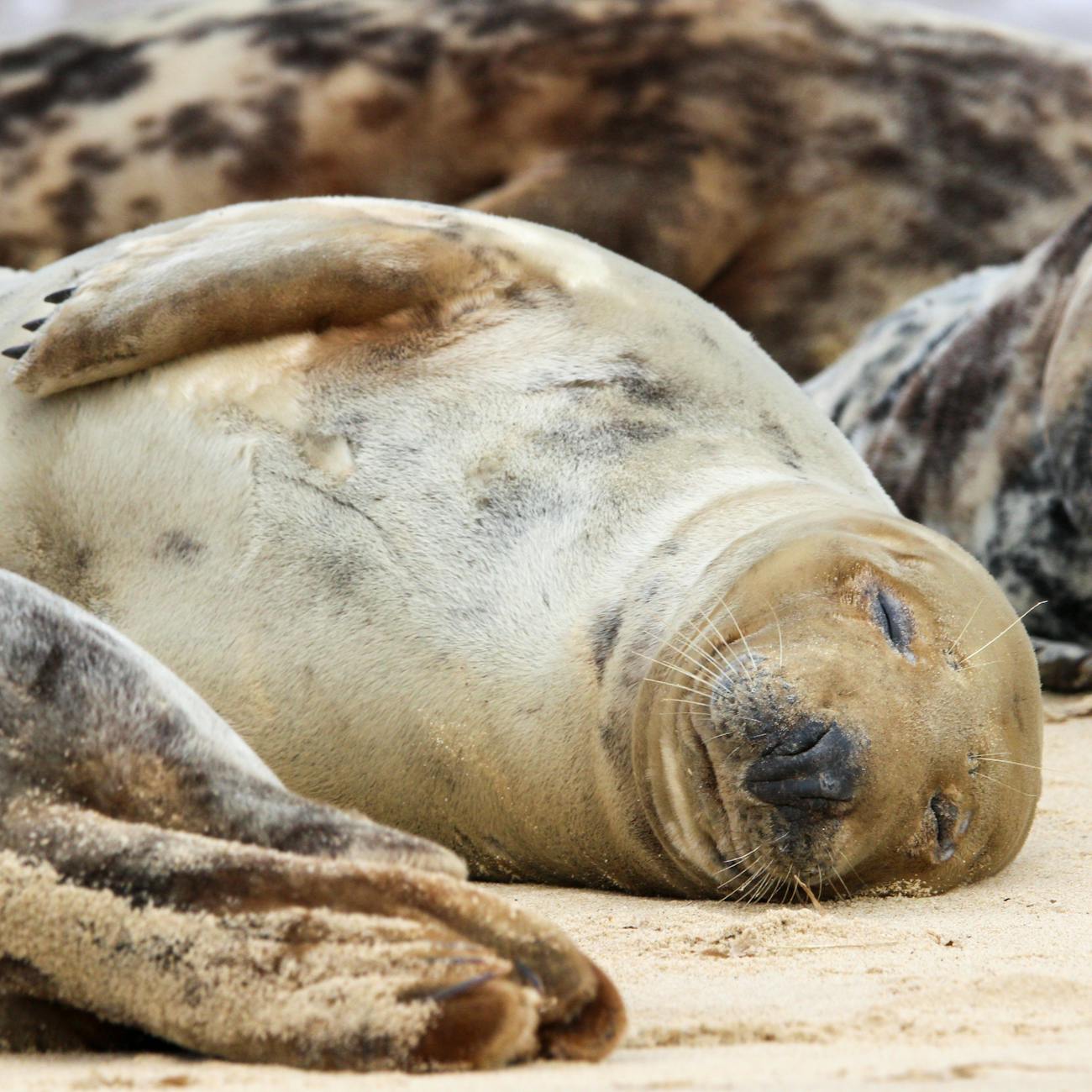
Marine wildlife conservation tourism is a specialized field that combines the principles of marine conservation and wildlife protection with the business of tourism. This Executive Certificate course covers key terms and vocabulary that are essential for understanding and thriving in this field.
Biodiversity: The variety of different plants, animals, and microorganisms that make up our planet, as well as the genetic diversity within those species and the variety of ecosystems in which they live. Biodiversity is crucial for the health and resilience of marine ecosystems, and conserving it is a primary goal of marine wildlife conservation tourism.
Conservation: The protection, restoration, and management of natural resources and ecosystems to ensure their long-term sustainability. Conservation efforts often involve balancing the needs of human communities with the need to protect the environment and its inhabitants.
Coral reefs: Underwater structures made up of calcium carbonate secreted by tiny animals called corals. Coral reefs provide habitat for a vast array of marine life, and they are an important source of income for many coastal communities through tourism and fishing. However, coral reefs are under threat from a variety of human activities, including overfishing, pollution, and climate change.
Dolphins: Highly intelligent and social marine mammals that are related to whales. Dolphins are often a major draw for wildlife tourism, and many tour operators offer opportunities to swim with or observe these animals in their natural habitats. However, it is important to ensure that these interactions are conducted in a responsible and sustainable manner to minimize disturbance to the dolphins.
Ecotourism: A form of tourism that focuses on responsible travel to natural areas, with the goal of conserving the environment and improving the well-being of local people. Ecotourism can be an important source of income for coastal communities, and it can help to raise awareness about the importance of marine conservation.
Endangered species: Species that are at risk of becoming extinct due to various threats, such as habitat loss, overexploitation, and climate change. Marine wildlife conservation tourism can play a role in protecting endangered species by promoting sustainable tourism practices and raising awareness about the threats facing these animals.
Marine protected areas (MPAs): Areas of the ocean that are set aside to protect marine ecosystems and biodiversity. MPAs can take many forms, from small, no-take zones where fishing is prohibited, to large, multiple-use areas where a range of activities are allowed. MPAs are an important tool for conserving marine biodiversity and ensuring the long-term sustainability of marine resources.
Marine wildlife watching: The practice of observing marine animals in their natural habitats. This can include activities such as whale watching, dolphin watching, and snorkeling or diving to observe coral reefs and other marine life. Marine wildlife watching can be an important source of income for coastal communities, and it can help to raise awareness about the importance of marine conservation.
Overfishing: The removal of too many fish and other marine animals from the ocean, resulting in the depletion of fish stocks and the disruption of marine ecosystems. Overfishing is a major threat to marine biodiversity and can have serious economic and social consequences for coastal communities.
Responsible tourism: A form of tourism that seeks to minimize negative impacts on the environment and local communities, and to maximize the benefits for both. Responsible tourism practices can include things like reducing energy and water use, supporting local businesses, and respecting cultural heritage.
Sustainable development: Development that meets the needs of the present without compromising the ability of future generations to meet their own needs. Sustainable development is an important goal of marine wildlife conservation tourism, and it involves balancing the needs of human communities with the need to protect the environment and its inhabitants.
Turtles: Marine reptiles that are known for their distinctive shells and flippers. Turtles are often a major draw for wildlife tourism, and many tour operators offer opportunities to observe these animals in their natural habitats. However, it is important to ensure that these interactions are conducted in a responsible and sustainable manner to minimize disturbance to the turtles.
Whales: Large marine mammals that are related to dolphins. Whales are often a major draw for wildlife tourism, and many tour operators offer opportunities to observe these animals in their natural habitats. However, it is important to ensure that these interactions are conducted in a responsible and sustainable manner to minimize disturbance to the whales.
Wildlife tourism: The practice of traveling to natural areas to observe and experience wildlife. Wildlife tourism can take many forms, from observing animals in their natural habitats to participating in activities such as bird watching, wildlife photography, and wildlife-themed tours. Wildlife tourism can be an important source of income for coastal communities, and it can help to raise awareness about the importance of marine conservation.
In conclusion, marine wildlife conservation tourism is a field that combines the principles of marine conservation and wildlife protection with the business of tourism. By understanding key terms and concepts such as biodiversity, conservation, coral reefs, and responsible tourism, you can help to ensure that your activities in this field are conducted in a responsible and sustainable manner, and that they contribute to the long-term sustainability of marine ecosystems and the communities that depend on them.
Key takeaways
- Marine wildlife conservation tourism is a specialized field that combines the principles of marine conservation and wildlife protection with the business of tourism.
- Biodiversity: The variety of different plants, animals, and microorganisms that make up our planet, as well as the genetic diversity within those species and the variety of ecosystems in which they live.
- Conservation: The protection, restoration, and management of natural resources and ecosystems to ensure their long-term sustainability.
- Coral reefs provide habitat for a vast array of marine life, and they are an important source of income for many coastal communities through tourism and fishing.
- Dolphins are often a major draw for wildlife tourism, and many tour operators offer opportunities to swim with or observe these animals in their natural habitats.
- Ecotourism: A form of tourism that focuses on responsible travel to natural areas, with the goal of conserving the environment and improving the well-being of local people.
- Marine wildlife conservation tourism can play a role in protecting endangered species by promoting sustainable tourism practices and raising awareness about the threats facing these animals.