
Marine Ecosystems and Biodiversity
Marine ecosystems and biodiversity are critical components of our planet's health and well-being. Understanding the key terms and vocabulary related to these topics is essential for anyone interested in marine wildlife conservation tourism.…
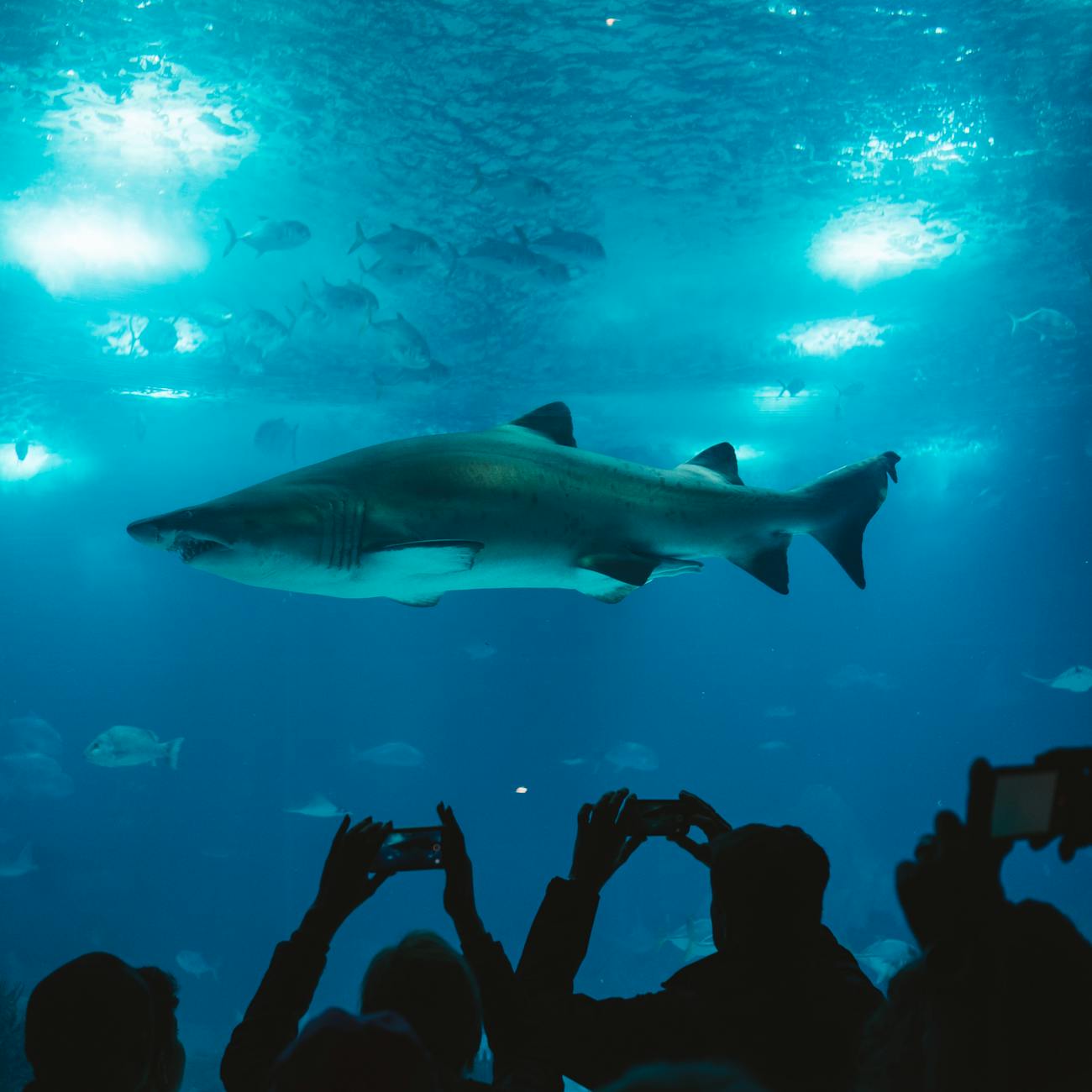
Marine ecosystems and biodiversity are critical components of our planet's health and well-being. Understanding the key terms and vocabulary related to these topics is essential for anyone interested in marine wildlife conservation tourism. In this explanation, we will cover various terms and concepts related to marine ecosystems and biodiversity, including examples, practical applications, and challenges.
Marine Ecosystems: Marine ecosystems are diverse and complex systems that include various organisms and environmental factors. These ecosystems can be divided into different zones, including the sunlit zone, twilight zone, midnight zone, and abyssal zone. Each zone has unique characteristics and supports different species.
Biodiversity: Biodiversity refers to the variety of life on Earth, including the number of different species, their genetic diversity, and the variety of ecosystems in which they live. Marine biodiversity is particularly high, with millions of species inhabiting the world's oceans.
keystone species: Keystone species are critical species in an ecosystem that have a disproportionately significant impact on the environment and other species. For example, sea otters are keystone species in kelp forest ecosystems because they control the population of sea urchins, which can overgraze on kelp and destroy the forest if left unchecked.
Endemic species: Endemic species are species that are unique to a particular geographic area and are not found anywhere else in the world. For example, the Hawaiian monk seal is an endemic species found only in the Hawaiian archipelago.
Habitat: A habitat is the natural environment in which a species lives. Marine habitats include coral reefs, seagrass beds, mangroves, estuaries, and open ocean environments.
Coral reefs: Coral reefs are limestone structures formed by colonies of corals. They are biodiversity hotspots and provide essential habitat for many marine species. However, they are under threat from various human activities, including overfishing, pollution, and climate change.
Seagrass beds: Seagrass beds are underwater meadows of seagrasses that provide essential habitat for many marine species, including fish, crustaceans, and sea turtles. They also help to filter water and reduce coastal erosion.
Mangroves: Mangroves are salt-tolerant trees that grow in coastal areas. They provide essential habitat for many marine species, including fish, crustaceans, and birds. Mangroves also help to protect coastlines from storms and erosion.
Estuaries: Estuaries are areas where freshwater and saltwater mix, creating a unique environment that supports a diverse range of species. Estuaries provide essential habitat for many juvenile fish and other marine species.
Open ocean environments: Open ocean environments, also known as pelagic zones, are the vast areas of the ocean that are not near the coast or the seafloor. These environments support a diverse range of species, including fish, whales, and sharks.
Overfishing: Overfishing refers to the removal of too many fish and other marine species from the ocean, leading to declines in population sizes and decreased biodiversity. Overfishing can have significant impacts on marine ecosystems and the people who depend on them for their livelihoods.
Bycatch: Bycatch refers to the accidental capture of non-target species in fishing gear. Bycatch can include juvenile fish, sharks, turtles, and other marine species. Bycatch can have significant impacts on marine biodiversity and can also be wasteful and economically inefficient.
Pollution: Pollution refers to the introduction of harmful substances into the marine environment. Pollution can come from a variety of sources, including industrial discharge, agricultural runoff, and sewage. Pollution can have significant impacts on marine biodiversity and can also pose risks to human health.
Climate change: Climate change refers to the long-term changes in Earth's climate, including increases in global temperatures and changes in weather patterns. Climate change can have significant impacts on marine ecosystems, including ocean acidification, sea level rise, and changes in ocean currents.
Conservation: Conservation refers to the protection and management of natural resources, including marine species and ecosystems. Conservation efforts can include the establishment of marine protected areas, the regulation of fishing and other human activities, and the restoration of degraded habitats.
Marine protected areas: Marine protected areas (MPAs) are areas of the ocean that are protected from certain human activities, such as fishing, mining, and oil drilling. MPAs can help to protect marine biodiversity, support sustainable fisheries, and provide opportunities for research and education.
Sustainable fisheries: Sustainable fisheries are fisheries that are managed in a way that ensures the long-term health and productivity of fish stocks and marine ecosystems. Sustainable fisheries can provide economic benefits to communities while also protecting marine biodiversity.
Restoration: Restoration refers to the active efforts to repair and rebuild degraded habitats and ecosystems. Restoration efforts can include the planting of mangroves, the reintroduction of native species, and the removal of invasive species.
Challenges: There are many challenges facing marine ecosystems and biodiversity, including overfishing, pollution, climate change, habitat loss, and invasive species. Addressing these challenges will require coordinated efforts from governments, businesses, and individuals.
Examples: Examples of successful marine conservation efforts include the establishment of marine protected areas in Palau, the restoration of oyster reefs in the Chesapeake Bay, and the reduction of bycatch in the swordfish fishery in the Pacific.
Practical applications: Understanding marine ecosystems and biodiversity is essential for anyone involved in marine wildlife conservation tourism. This knowledge can help tourism operators to develop sustainable practices, support conservation efforts, and educate visitors about the importance of marine ecosystems and biodiversity.
Conclusion: Marine ecosystems and biodiversity are critical components of our planet's health and well-being. Understanding the key terms and vocabulary related to these topics is essential for anyone interested in marine wildlife conservation tourism. By protecting and conserving marine ecosystems and biodiversity, we can ensure the long-term health and productivity of our oceans and the many species that call them home.
Key takeaways
- In this explanation, we will cover various terms and concepts related to marine ecosystems and biodiversity, including examples, practical applications, and challenges.
- Marine Ecosystems: Marine ecosystems are diverse and complex systems that include various organisms and environmental factors.
- Biodiversity: Biodiversity refers to the variety of life on Earth, including the number of different species, their genetic diversity, and the variety of ecosystems in which they live.
- For example, sea otters are keystone species in kelp forest ecosystems because they control the population of sea urchins, which can overgraze on kelp and destroy the forest if left unchecked.
- Endemic species: Endemic species are species that are unique to a particular geographic area and are not found anywhere else in the world.
- Marine habitats include coral reefs, seagrass beds, mangroves, estuaries, and open ocean environments.
- However, they are under threat from various human activities, including overfishing, pollution, and climate change.