
AI for Renewable Energy Integration
Artificial Intelligence (AI) is a branch of computer science that deals with the creation of intelligent machines that can think and learn like humans. In the context of Renewable Energy Integration, AI can be used to optimize the generatio…
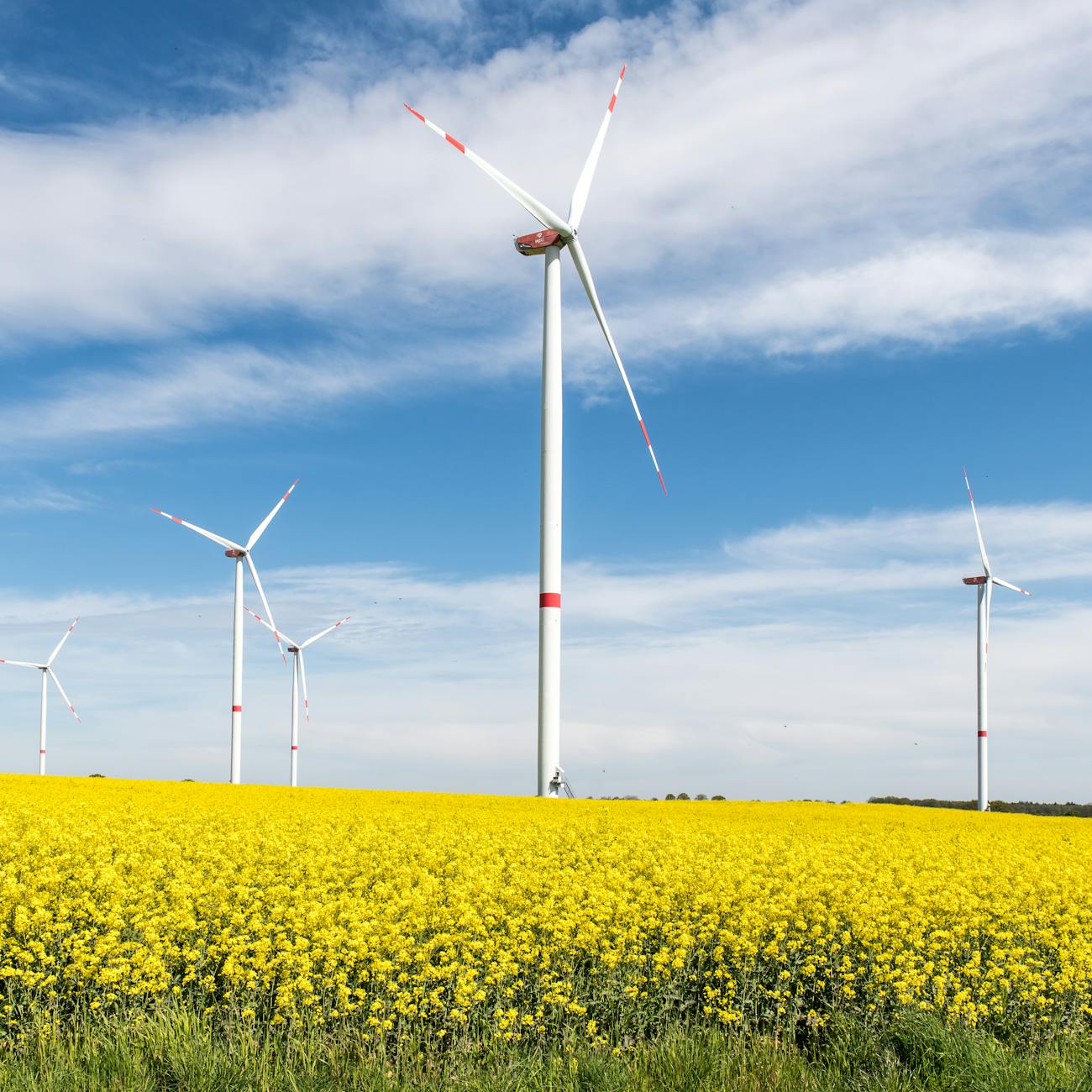
Artificial Intelligence (AI) is a branch of computer science that deals with the creation of intelligent machines that can think and learn like humans. In the context of Renewable Energy Integration, AI can be used to optimize the generation, transmission, and consumption of renewable energy sources such as wind, solar, and hydro. Here are some key terms and vocabulary related to AI for Renewable Energy Integration:
1. Renewable Energy: Energy obtained from natural resources that can be replenished over time, such as sunlight, wind, and water. 2. AI: Artificial Intelligence, the simulation of human intelligence in machines that are programmed to think and learn like humans. 3. Machine Learning: A subset of AI that involves training algorithms to learn and improve from data without explicit programming. 4. Deep Learning: A subset of machine learning that uses artificial neural networks with many layers to learn and represent data. 5. Optimization: The process of finding the best solution to a problem, often used in the context of energy generation, transmission, and consumption. 6. Forecasting: The prediction of future events, such as the amount of energy that will be generated from renewable sources. 7. Demand Response: The adjustment of energy demand in response to changes in supply, often facilitated by smart grids and automated systems. 8. Microgrids: Small-scale power grids that can operate independently from the main grid, often powered by renewable energy sources. 9. Energy Storage: The capture and storage of energy for later use, often in the form of batteries or other mechanical systems. 10. Data Analytics: The extraction of insights and knowledge from data, often used in the context of energy generation, transmission, and consumption.
Machine Learning and Deep Learning are two key techniques used in AI for Renewable Energy Integration. Machine learning involves training algorithms to learn and improve from data without explicit programming. For example, a machine learning algorithm can be trained on historical data from wind turbines to predict future wind speeds and optimize energy generation. Deep learning is a subset of machine learning that uses artificial neural networks with many layers to learn and represent data. Deep learning algorithms can be used to analyze large amounts of data from renewable energy sources and optimize energy generation, transmission, and consumption.
Optimization is a key application of AI in Renewable Energy Integration. Optimization involves finding the best solution to a problem, often in the context of energy generation, transmission, and consumption. For example, an optimization algorithm can be used to determine the optimal placement of wind turbines in a wind farm to maximize energy generation. Optimization algorithms can also be used to balance the supply and demand of energy in a smart grid, ensuring that energy is generated and consumed efficiently.
Forecasting is another important application of AI in Renewable Energy Integration. Forecasting involves predicting future events, such as the amount of energy that will be generated from renewable sources. Accurate forecasting can help energy providers to plan for future energy demand and optimize energy generation. For example, a forecasting algorithm can be trained on historical data from solar panels to predict future solar irradiance and optimize energy generation.
Demand Response is a technique used to adjust energy demand in response to changes in supply. Demand response is often facilitated by smart grids and automated systems. For example, a demand response algorithm can be used to automatically adjust the temperature of a building in response to changes in energy supply. Demand response can help to balance the supply and demand of energy and ensure that energy is used efficiently.
Microgrids are small-scale power grids that can operate independently from the main grid. Microgrids are often powered by renewable energy sources and can be used to provide energy to remote or isolated communities. AI can be used to optimize the operation of microgrids, balancing energy supply and demand and ensuring that energy is used efficiently.
Energy Storage is the capture and storage of energy for later use. Energy storage is often used in the context of renewable energy sources, where energy generation can be intermittent. AI can be used to optimize energy storage, determining the optimal times to charge and discharge batteries and other storage systems.
Data Analytics is the extraction of insights and knowledge from data. Data analytics is often used in the context of energy generation, transmission, and consumption. AI can be used to analyze large amounts of data from renewable energy sources, optimizing energy generation, transmission, and consumption. For example, an AI algorithm can be used to analyze data from wind turbines to optimize energy generation and reduce maintenance costs.
In summary, AI has many applications in Renewable Energy Integration, including optimization, forecasting, demand response, microgrids, energy storage, and data analytics. By using AI to optimize energy generation, transmission, and consumption, we can reduce greenhouse gas emissions, increase energy efficiency, and ensure a sustainable energy future.
Challenges:
While AI has many potential benefits in the context of Renewable Energy Integration, there are also several challenges that need to be addressed. These challenges include:
1. Data quality: In order to train effective AI algorithms, high-quality data is required. However, data from renewable energy sources can be noisy and unreliable, making it difficult to train accurate models. 2. Data privacy: Energy data can be sensitive, and there are concerns around data privacy and security. It is important to ensure that energy data is stored and processed securely, and that privacy is protected. 3. Regulation: There are currently few regulations around the use of AI in the energy sector. As AI becomes more widespread, it is important to develop regulations that ensure safety, reliability, and fairness. 4. Ethics: AI algorithms can have unintended consequences, and there are concerns around bias and discrimination. It is important to ensure that AI algorithms are fair, transparent, and unbiased. 5. Integration: AI algorithms need to be integrated with existing energy systems and infrastructure. This can be challenging, as many energy systems are outdated and not designed to work with AI algorithms.
Examples:
Here are some examples of AI in Renewable Energy Integration:
1. Google's DeepMind has developed an AI algorithm that can predict wind power output 36 hours in advance, allowing energy providers to plan for future energy demand and optimize energy generation. 2. Siemens Gamesa has developed an AI algorithm that can predict wind turbine performance and optimize maintenance schedules, reducing downtime and maintenance costs. 3. IBM has developed a demand response system that uses AI algorithms to adjust energy demand in response to changes in supply. The system can automatically adjust the temperature of a building in response to changes in energy supply, ensuring that energy is used efficiently. 4. Tesla has developed an energy storage system that uses AI algorithms to optimize energy storage and reduce energy costs. The system can automatically charge and discharge batteries in response to changes in energy supply and demand. 5. GE has developed an AI-powered microgrid that can operate independently from the main grid. The microgrid uses AI algorithms to balance energy supply and demand and ensure that energy is used efficiently.
Practical Applications:
Here are some practical applications of AI in Renewable Energy Integration:
1. Energy providers can use AI algorithms to predict wind and solar power output, allowing them to plan for future energy demand and optimize energy generation. 2. Energy providers can use AI algorithms to optimize energy storage, determining the optimal times to charge and discharge batteries and other storage systems. 3. Building managers can use AI algorithms to adjust energy demand in response to changes in energy supply, ensuring that energy is used efficiently. 4. Renewable energy companies can use AI algorithms to optimize the placement of wind turbines and solar panels, maximizing energy generation and reducing maintenance costs. 5. Energy regulators can use AI algorithms to monitor and regulate the energy sector, ensuring safety, reliability, and fairness.
Conclusion:
AI has many potential benefits in the context of Renewable Energy Integration. By using AI to optimize energy generation, transmission, and consumption, we can reduce greenhouse gas emissions, increase energy efficiency, and ensure a sustainable energy future. However, there are also several challenges that need to be addressed, including data quality, data privacy, regulation, ethics, and integration. By addressing these challenges and harnessing the power of AI, we can create a more sustainable and efficient energy system for all.
Key takeaways
- In the context of Renewable Energy Integration, AI can be used to optimize the generation, transmission, and consumption of renewable energy sources such as wind, solar, and hydro.
- Optimization: The process of finding the best solution to a problem, often used in the context of energy generation, transmission, and consumption.
- Deep learning algorithms can be used to analyze large amounts of data from renewable energy sources and optimize energy generation, transmission, and consumption.
- Optimization algorithms can also be used to balance the supply and demand of energy in a smart grid, ensuring that energy is generated and consumed efficiently.
- For example, a forecasting algorithm can be trained on historical data from solar panels to predict future solar irradiance and optimize energy generation.
- For example, a demand response algorithm can be used to automatically adjust the temperature of a building in response to changes in energy supply.
- AI can be used to optimize the operation of microgrids, balancing energy supply and demand and ensuring that energy is used efficiently.