
Carbon Pricing and Emissions Trading Systems
Carbon pricing is a market-based approach to controlling greenhouse gas (GHG) emissions, with the ultimate goal of reducing the impact of human activities on climate change. Carbon pricing puts a financial cost on carbon emissions, providin…
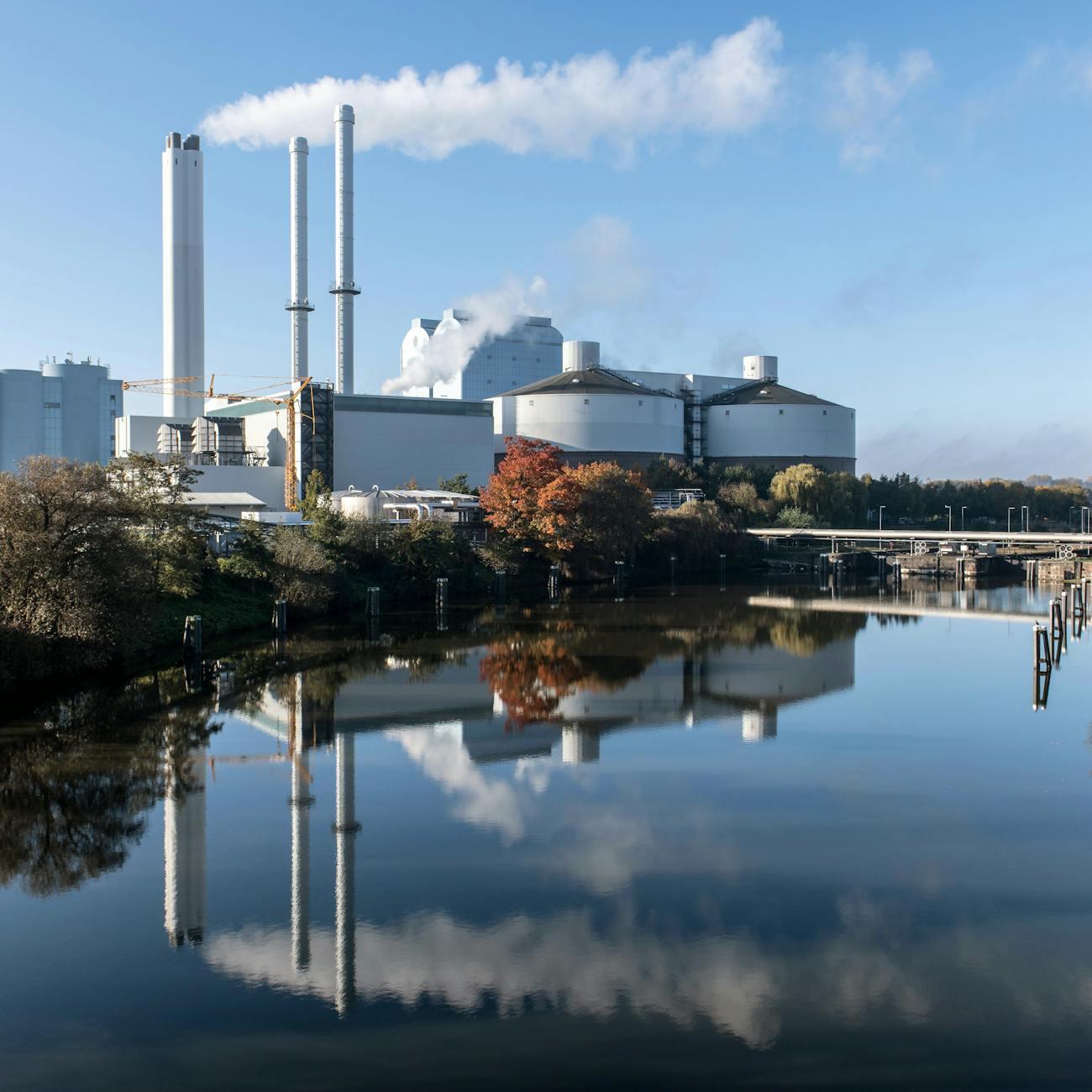
Carbon pricing is a market-based approach to controlling greenhouse gas (GHG) emissions, with the ultimate goal of reducing the impact of human activities on climate change. Carbon pricing puts a financial cost on carbon emissions, providing economic incentives for individuals, businesses, and governments to reduce their carbon footprint. There are two main types of carbon pricing: carbon taxes and emissions trading systems (ETS).
Carbon Tax
A carbon tax is a straightforward pricing mechanism that sets a fixed price per ton of carbon dioxide equivalent (CO2e) emissions. This tax is added to the cost of goods and services that produce GHG emissions during their production, distribution, or disposal. The tax revenue can be used to fund environmental initiatives, research and development of clean technologies, or even be returned to taxpayers as a dividend.
The key benefit of a carbon tax is its simplicity and transparency. It provides a clear financial incentive for polluters to reduce emissions and switch to cleaner alternatives. Additionally, a carbon tax can generate steady revenue for governments, which can be used to address other environmental and social challenges. However, a carbon tax may face political resistance due to its regressive nature, as lower-income households may bear a more significant burden of the tax.
Example: British Columbia, Canada, implemented a carbon tax in 2008, which started at CAD 10 per ton of CO2e and has since increased to CAD 40 per ton. The tax has been successful in reducing emissions, with the province's emissions declining by 5.4% between 2007 and 2015, while the Canadian economy grew by 12.4%.
Emissions Trading Systems (ETS)
An ETS is a market-based approach that establishes a cap on the total amount of GHG emissions allowed within a specific jurisdiction or sector. It involves the allocation or auctioning of a limited number of emission allowances, which can be traded among participants. Companies that emit less than their allocated allowance can sell their excess permits, while those that exceed their limit must purchase additional allowances or invest in emission reduction projects to offset their excess emissions.
An ETS provides flexibility for businesses to find the most cost-effective ways to reduce emissions, as they can choose to invest in cleaner technologies, improve energy efficiency, or purchase allowances from other participants. An ETS also promotes innovation and technological development, as businesses seek new ways to reduce emissions and maintain their competitiveness. However, an ETS can be complex to design and implement, and its effectiveness depends on the stringency of the cap, the allocation method, and the overall market dynamics.
Example: The European Union Emissions Trading System (EU ETS) is the world's largest carbon market, covering more than 11,000 installations in various sectors, including power and heat generation, energy-intensive industries, and aviation. The EU ETS has been in operation since 2005 and has led to a reduction of approximately 36% in emissions from the covered sectors between 2005 and 2019.
Carbon Pricing and AI in Greenhouse Gas Management
Artificial intelligence (AI) can play a significant role in enhancing the effectiveness and efficiency of carbon pricing mechanisms. AI can be used to:
1. Improve emissions data collection and monitoring: AI-powered sensors and data analytics tools can provide real-time, high-resolution emissions data, enabling more accurate and transparent tracking of emissions and compliance with carbon pricing regulations. 2. Design and optimize carbon pricing mechanisms: AI algorithms can analyze vast amounts of data to inform the design of carbon pricing systems, such as setting the optimal carbon tax rate or cap level, and optimizing the allocation of emission allowances in an ETS. 3. Facilitate emissions offsetting and trading: AI can streamline the process of offsetting emissions through the verification and certification of carbon credits, as well as automating the trading of emission allowances in an ETS. 4. Encourage behavioral change: AI-powered applications can raise awareness of carbon footprints and provide personalized recommendations for reducing emissions, nudging individuals and businesses towards more sustainable practices.
Despite the potential benefits, AI also presents challenges in the context of carbon pricing and GHG management. These include ensuring data privacy, addressing potential biases in AI algorithms, and preventing the misuse of AI for greenwashing or other malicious purposes.
In summary, carbon pricing is a crucial tool for addressing climate change by putting a financial cost on GHG emissions. Carbon taxes and emissions trading systems are the two main types of carbon pricing mechanisms, each with its advantages and challenges. AI has the potential to enhance the effectiveness and efficiency of carbon pricing and GHG management, but it also introduces new challenges that must be carefully considered and addressed.
Key takeaways
- Carbon pricing is a market-based approach to controlling greenhouse gas (GHG) emissions, with the ultimate goal of reducing the impact of human activities on climate change.
- The tax revenue can be used to fund environmental initiatives, research and development of clean technologies, or even be returned to taxpayers as a dividend.
- However, a carbon tax may face political resistance due to its regressive nature, as lower-income households may bear a more significant burden of the tax.
- Example: British Columbia, Canada, implemented a carbon tax in 2008, which started at CAD 10 per ton of CO2e and has since increased to CAD 40 per ton.
- Companies that emit less than their allocated allowance can sell their excess permits, while those that exceed their limit must purchase additional allowances or invest in emission reduction projects to offset their excess emissions.
- An ETS provides flexibility for businesses to find the most cost-effective ways to reduce emissions, as they can choose to invest in cleaner technologies, improve energy efficiency, or purchase allowances from other participants.
- Example: The European Union Emissions Trading System (EU ETS) is the world's largest carbon market, covering more than 11,000 installations in various sectors, including power and heat generation, energy-intensive industries, and aviation.