
Customer service standards in train station retail areas
Customer service standards in train station retail areas are vital to ensuring a positive experience for passengers and visitors. These standards encompass a range of practices and principles aimed at providing excellent service, maintainin…
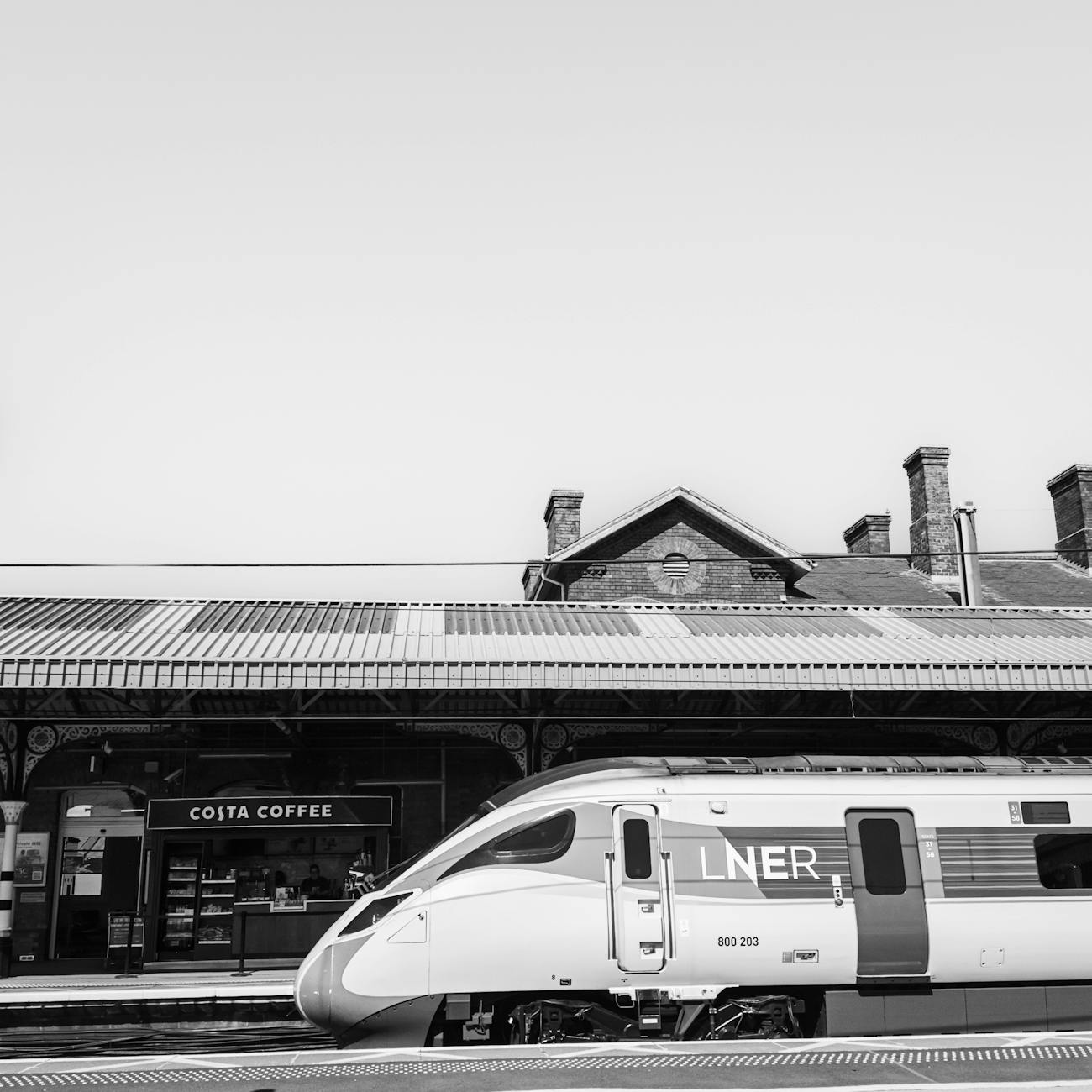
Customer service standards in train station retail areas are vital to ensuring a positive experience for passengers and visitors. These standards encompass a range of practices and principles aimed at providing excellent service, maintaining cleanliness and hygiene, and creating a welcoming atmosphere. In the Professional Certificate in Train Station Retail Area Sanitation, participants will learn key terms and vocabulary related to customer service standards in train station retail areas. Let's explore some of these terms in detail:
1. **Customer Service**: Customer service refers to the assistance and support provided to customers before, during, and after a purchase. It includes addressing customer inquiries, resolving issues, and ensuring customer satisfaction.
2. **Retail Area**: The retail area in a train station refers to the space where shops, eateries, and other commercial establishments are located. It is where passengers can purchase goods and services.
3. **Standards**: Standards are guidelines or criteria set to ensure consistency, quality, and efficiency in customer service. They serve as a benchmark for measuring performance and improving service delivery.
4. **Sanitation**: Sanitation refers to the cleanliness and hygiene practices in a retail area. It involves maintaining a clean environment, proper waste disposal, and adherence to health and safety regulations.
5. **Hygiene**: Hygiene pertains to practices that promote cleanliness and prevent the spread of germs and diseases. It includes handwashing, sanitization, and proper handling of food and beverages.
6. **Welcoming Atmosphere**: A welcoming atmosphere is a comfortable and inviting environment that makes customers feel valued and appreciated. It includes friendly greetings, attractive displays, and personalized service.
7. **Passenger Experience**: Passenger experience encompasses all interactions and touchpoints a passenger has during their journey through a train station. It includes customer service, amenities, and overall satisfaction.
8. **Communication Skills**: Communication skills are the ability to convey information effectively and interact with customers in a clear and respectful manner. It includes verbal and non-verbal communication.
9. **Conflict Resolution**: Conflict resolution is the process of addressing and resolving disputes or disagreements between customers or between customers and staff. It involves listening, understanding, and finding mutually acceptable solutions.
10. **Time Management**: Time management is the ability to prioritize tasks, allocate resources efficiently, and meet deadlines. It is crucial in a fast-paced retail environment to ensure smooth operations and customer satisfaction.
11. **Product Knowledge**: Product knowledge refers to understanding the features, benefits, and uses of the products or services offered in the retail area. It helps staff provide accurate information and recommendations to customers.
12. **Upselling and Cross-Selling**: Upselling is the practice of encouraging customers to purchase a higher-priced item or additional products, while cross-selling involves recommending related or complementary items. These techniques help increase sales and enhance the customer experience.
13. **Feedback**: Feedback is information provided by customers about their experience, preferences, or suggestions for improvement. It is valuable for identifying areas of strength and areas for enhancement in customer service.
14. **Mystery Shopping**: Mystery shopping is a research method where individuals pose as ordinary customers to evaluate the quality of service and adherence to standards in a retail establishment. It provides unbiased feedback on the customer experience.
15. **Customer Retention**: Customer retention is the ability to keep customers coming back to the retail area by building relationships, providing exceptional service, and meeting their needs consistently. It is more cost-effective than acquiring new customers.
16. **Complaint Handling**: Complaint handling is the process of addressing and resolving customer complaints or concerns in a timely and satisfactory manner. It requires active listening, empathy, and problem-solving skills.
17. **Teamwork**: Teamwork is collaboration among staff members to achieve common goals and deliver excellent customer service. It involves communication, respect, and support for each other's roles and responsibilities.
18. **Training and Development**: Training and development programs equip staff with the knowledge, skills, and tools needed to provide exceptional customer service. They help improve performance, boost morale, and foster a culture of continuous learning.
19. **Quality Assurance**: Quality assurance is the systematic process of monitoring, evaluating, and improving the quality of products, services, and customer interactions. It aims to ensure consistency and exceed customer expectations.
20. **Customer Satisfaction**: Customer satisfaction is the measure of how well a customer's expectations are met or exceeded by the products, services, and interactions provided in the retail area. It is a key indicator of success and loyalty.
21. **Health and Safety Regulations**: Health and safety regulations are laws and guidelines that govern the hygiene, sanitation, and overall well-being of customers and staff in a retail environment. Compliance is essential to prevent accidents and illnesses.
22. **Emergency Preparedness**: Emergency preparedness involves having plans and protocols in place to respond effectively to unexpected events or crises, such as fires, accidents, or medical emergencies. It ensures the safety and well-being of customers and staff.
23. **Accessibility**: Accessibility refers to the ease of use and inclusion of customers with disabilities or special needs in the retail area. It involves providing adequate facilities, services, and support to ensure equal access for all customers.
24. **Cultural Sensitivity**: Cultural sensitivity is the awareness and respect for diverse cultural backgrounds, beliefs, and preferences among customers. It involves adapting communication and service delivery to meet the needs of a multicultural clientele.
25. **Data Protection**: Data protection refers to the measures taken to safeguard customer information and privacy in accordance with data protection laws. It includes secure storage, processing, and transmission of personal data to prevent unauthorized access or misuse.
26. **Sustainability**: Sustainability is the practice of meeting the needs of the present without compromising the ability of future generations to meet their own needs. It involves reducing waste, conserving resources, and promoting eco-friendly practices in the retail area.
27. **Innovation**: Innovation is the introduction of new ideas, products, or processes to improve efficiency, customer experience, and competitive advantage in the retail area. It encourages creativity, adaptability, and continuous improvement.
28. **Customer Loyalty Programs**: Customer loyalty programs are initiatives designed to reward and incentivize repeat customers for their continued patronage. They can include discounts, rewards, or exclusive offers to foster loyalty and repeat business.
29. **Digital Transformation**: Digital transformation is the integration of digital technologies and tools to enhance customer service, streamline operations, and adapt to changing market trends. It includes online platforms, mobile apps, and data analytics to improve the customer experience.
30. **Compliance**: Compliance refers to the adherence to laws, regulations, and industry standards governing the operation of a retail area. It ensures ethical conduct, consumer protection, and risk management in all business practices.
In conclusion, understanding and applying these key terms and vocabulary related to customer service standards in train station retail areas are essential for maintaining high levels of service quality, hygiene, and customer satisfaction. By incorporating these principles into daily operations and training programs, staff can create a welcoming and efficient retail environment that meets the needs and expectations of passengers and visitors.
Key takeaways
- In the Professional Certificate in Train Station Retail Area Sanitation, participants will learn key terms and vocabulary related to customer service standards in train station retail areas.
- **Customer Service**: Customer service refers to the assistance and support provided to customers before, during, and after a purchase.
- **Retail Area**: The retail area in a train station refers to the space where shops, eateries, and other commercial establishments are located.
- **Standards**: Standards are guidelines or criteria set to ensure consistency, quality, and efficiency in customer service.
- It involves maintaining a clean environment, proper waste disposal, and adherence to health and safety regulations.
- **Hygiene**: Hygiene pertains to practices that promote cleanliness and prevent the spread of germs and diseases.
- **Welcoming Atmosphere**: A welcoming atmosphere is a comfortable and inviting environment that makes customers feel valued and appreciated.