
Maintaining cleanliness and order in train station retail areas
Maintaining cleanliness and order in train station retail areas
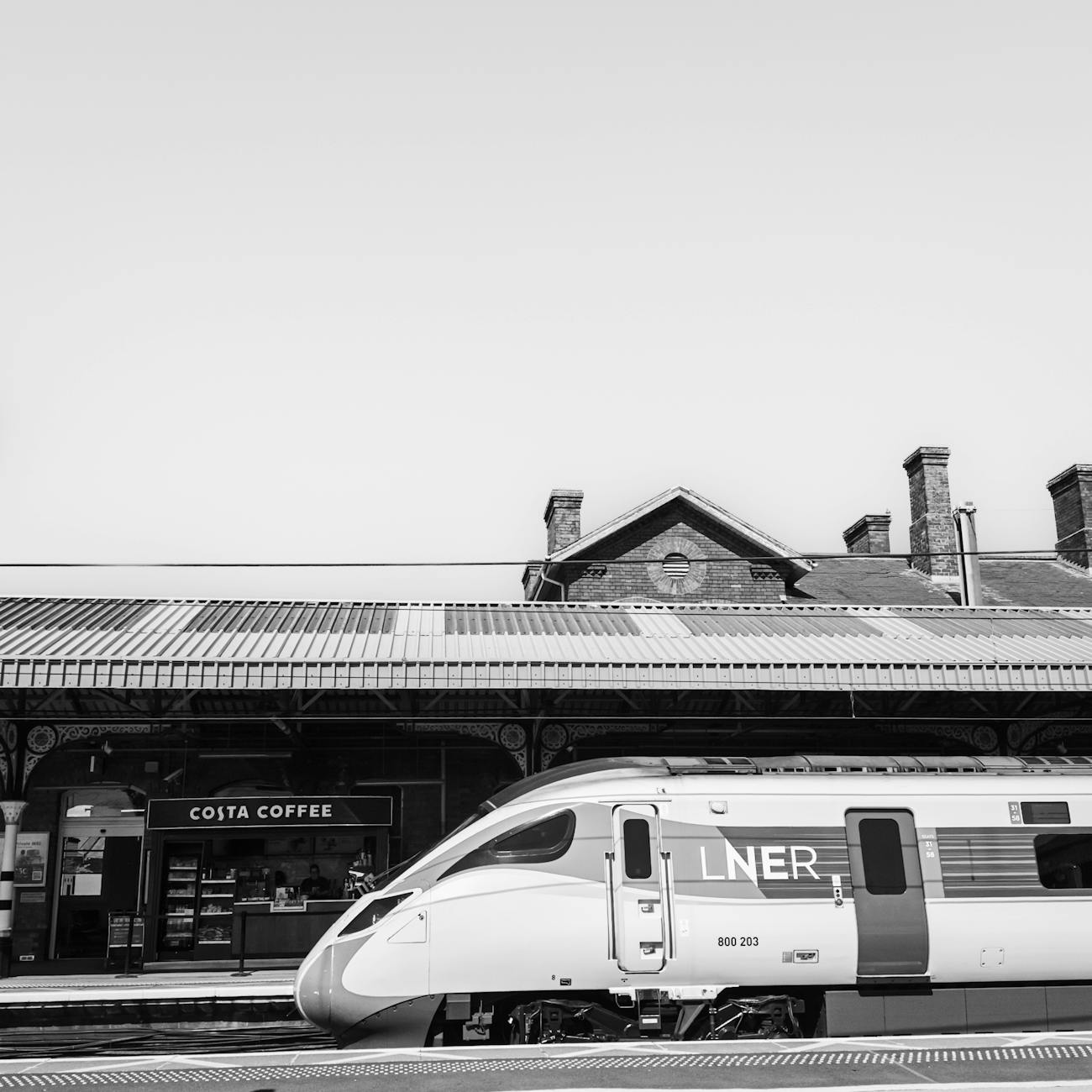
Maintaining cleanliness and order in train station retail areas
Maintaining cleanliness and order in train station retail areas is crucial to ensuring a pleasant and safe environment for both customers and staff. Effective sanitation practices not only enhance the overall shopping experience but also contribute to the health and well-being of everyone who visits the station. In this course, we will explore key terms and vocabulary related to maintaining cleanliness and order in train station retail areas to help you understand the importance of sanitation and how to implement best practices in your daily operations.
Sanitation
Sanitation refers to the process of maintaining cleanliness and promoting hygienic conditions in a particular environment. In the context of train station retail areas, sanitation involves cleaning and disinfecting surfaces, equipment, and facilities to prevent the spread of germs and ensure a safe and healthy environment for customers and staff.
Cleanliness
Cleanliness is the state of being free from dirt, germs, and unwanted substances. In train station retail areas, cleanliness is essential to create a welcoming and attractive shopping environment. Regular cleaning practices, such as sweeping, mopping, and dusting, help maintain a tidy and organized space that reflects positively on the station's image.
Order
Order refers to the arrangement and organization of items within a space. In train station retail areas, maintaining order is essential to facilitate smooth operations and ensure efficient customer service. Proper shelving, labeling, and inventory management help streamline the shopping experience and prevent confusion or delays for customers.
Retail Area
A retail area is a section of a train station dedicated to selling goods and services to customers. Retail areas may include shops, kiosks, vending machines, and other outlets that offer products for sale. Keeping retail areas clean and orderly is essential to attract customers, promote sales, and enhance the overall shopping experience.
Train Station
A train station is a facility where trains stop to pick up and drop off passengers. Train stations are busy hubs of activity with high traffic volumes, making them prone to dirt, litter, and other sanitation challenges. Maintaining cleanliness and order in train station retail areas is essential to create a safe and inviting environment for passengers and staff.
Retail Sanitation
Retail sanitation involves the cleaning and maintenance of retail spaces to ensure a safe and hygienic environment for customers and employees. Proper sanitation practices in train station retail areas help prevent the spread of germs, reduce the risk of contamination, and promote overall health and well-being.
Cleaning
Cleaning is the process of removing dirt, dust, and other unwanted substances from surfaces and objects. In train station retail areas, regular cleaning tasks include sweeping floors, wiping down countertops, and sanitizing high-touch surfaces like door handles and payment terminals. Effective cleaning practices help maintain a tidy and presentable environment for customers.
Disinfecting
Disinfecting is the process of killing germs and bacteria on surfaces to prevent the spread of illness and infection. In train station retail areas, disinfecting is essential to maintain a hygienic environment and protect customers and staff from harmful pathogens. Using disinfectants approved by health authorities helps ensure effective sanitation practices.
Hygiene
Hygiene refers to practices that promote health and cleanliness. In train station retail areas, good hygiene habits such as handwashing, wearing gloves, and using personal protective equipment help prevent the spread of germs and maintain a safe environment for everyone. Emphasizing hygiene education and training for staff is essential to promote a culture of cleanliness and sanitation.
Health and Safety
Health and safety are paramount considerations in maintaining cleanliness and order in train station retail areas. Ensuring a safe and healthy environment for customers and staff requires compliance with health and safety regulations, proper training in sanitation practices, and ongoing monitoring of cleanliness standards. Prioritizing health and safety is essential to prevent accidents, injuries, and the spread of infectious diseases.
Cleaning Schedule
A cleaning schedule is a plan that outlines the frequency and tasks involved in cleaning and maintaining a space. In train station retail areas, establishing a regular cleaning schedule helps ensure that all areas are cleaned and sanitized on a consistent basis. Assigning specific cleaning duties to staff members and monitoring compliance with the schedule is essential to maintain cleanliness and order in the retail environment.
Sanitation Supplies
Sanitation supplies are tools and products used to clean and disinfect surfaces in retail areas. Common sanitation supplies include cleaning agents, disinfectants, gloves, masks, and cleaning equipment such as mops and brushes. Stocking an adequate supply of sanitation supplies and ensuring their proper use and disposal are essential to maintain a clean and hygienic environment in train station retail areas.
Waste Management
Waste management involves the proper handling and disposal of waste produced in retail areas. In train station retail areas, waste management practices such as separating recyclables, disposing of trash in designated bins, and managing hazardous waste help maintain cleanliness and promote environmental sustainability. Implementing effective waste management strategies is essential to prevent littering, odors, and pest infestations in the retail environment.
Customer Service
Customer service is the provision of assistance and support to customers to meet their needs and expectations. In train station retail areas, providing excellent customer service goes hand in hand with maintaining cleanliness and order. Friendly and attentive staff, well-organized displays, and efficient checkout processes contribute to a positive shopping experience and encourage repeat business.
Quality Control
Quality control involves monitoring and evaluating the cleanliness and order of retail areas to ensure compliance with established standards. In train station retail areas, implementing quality control measures such as regular inspections, customer feedback surveys, and staff training programs helps identify areas for improvement and maintain high sanitation standards. Emphasizing quality control is essential to uphold the reputation and credibility of the retail establishment.
Challenges
Maintaining cleanliness and order in train station retail areas poses several challenges that must be addressed to achieve effective sanitation practices. Some common challenges include high foot traffic, limited space for storage and waste disposal, staff turnover, language barriers with customers, and compliance with health and safety regulations. Overcoming these challenges requires proactive planning, communication, and collaboration among stakeholders to ensure a clean and orderly retail environment.
Compliance
Compliance refers to adhering to rules, regulations, and standards set forth by authorities or governing bodies. In train station retail areas, compliance with sanitation guidelines, health and safety regulations, and industry best practices is essential to maintain cleanliness and order. Regular training, audits, and inspections help ensure compliance with relevant requirements and promote a culture of accountability and responsibility among staff members.
Training and Development
Training and development involve educating staff on proper sanitation practices, hygiene protocols, and customer service skills. In train station retail areas, providing comprehensive training and ongoing development opportunities for employees is essential to promote a culture of cleanliness and professionalism. Investing in training programs, workshops, and resources helps empower staff members to uphold sanitation standards and deliver exceptional service to customers.
Communication
Communication is key to maintaining cleanliness and order in train station retail areas. Effective communication among staff members, management, customers, and stakeholders helps coordinate cleaning efforts, address sanitation concerns, and resolve issues in a timely manner. Open lines of communication, clear instructions, and regular feedback mechanisms foster a collaborative and supportive environment that prioritizes cleanliness and customer satisfaction.
Continuous Improvement
Continuous improvement involves seeking ways to enhance sanitation practices, streamline operations, and deliver superior service in train station retail areas. Embracing a culture of continuous improvement encourages staff members to identify areas for growth, implement innovative solutions, and adapt to changing circumstances. Regularly evaluating performance, soliciting feedback from customers, and benchmarking against industry standards help drive ongoing improvements in cleanliness and order maintenance.
Conclusion
In conclusion, maintaining cleanliness and order in train station retail areas is essential to create a safe, inviting, and hygienic environment for customers and staff. By understanding key terms and vocabulary related to sanitation practices, you can effectively implement best practices, overcome challenges, and achieve high standards of cleanliness and order in train station retail areas. Prioritizing health and safety, investing in training and development, and fostering a culture of continuous improvement are essential strategies for ensuring a clean and welcoming retail environment that promotes customer satisfaction and loyalty.
Key takeaways
- Effective sanitation practices not only enhance the overall shopping experience but also contribute to the health and well-being of everyone who visits the station.
- In the context of train station retail areas, sanitation involves cleaning and disinfecting surfaces, equipment, and facilities to prevent the spread of germs and ensure a safe and healthy environment for customers and staff.
- Regular cleaning practices, such as sweeping, mopping, and dusting, help maintain a tidy and organized space that reflects positively on the station's image.
- Proper shelving, labeling, and inventory management help streamline the shopping experience and prevent confusion or delays for customers.
- Keeping retail areas clean and orderly is essential to attract customers, promote sales, and enhance the overall shopping experience.
- Maintaining cleanliness and order in train station retail areas is essential to create a safe and inviting environment for passengers and staff.
- Proper sanitation practices in train station retail areas help prevent the spread of germs, reduce the risk of contamination, and promote overall health and well-being.