
Child Development and Psychology
Child Development and Psychology are crucial areas of study in the Global Certificate in Parenting Coaching. These fields focus on understanding how children grow, develop, and behave, as well as the factors that influence their development…
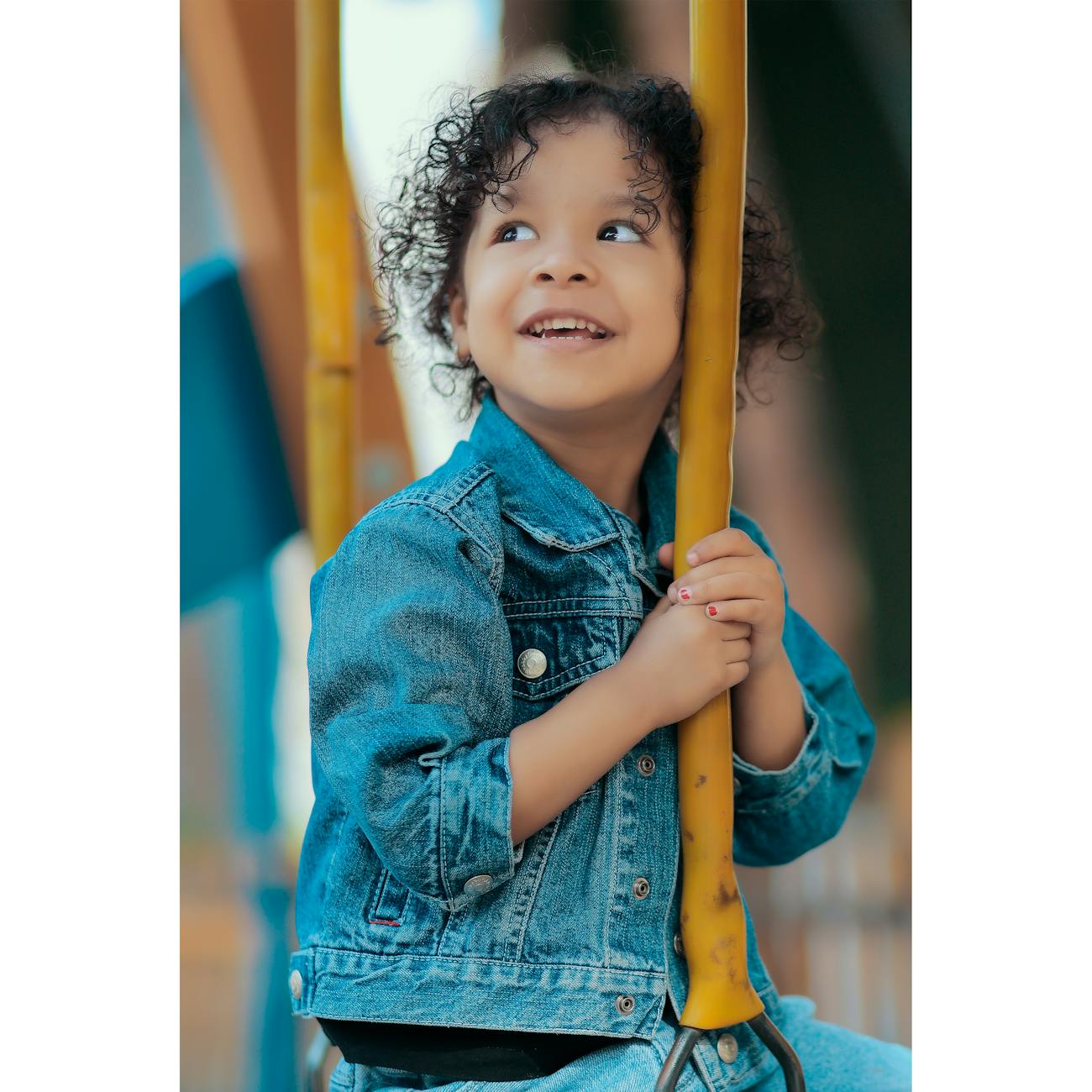
Child Development and Psychology are crucial areas of study in the Global Certificate in Parenting Coaching. These fields focus on understanding how children grow, develop, and behave, as well as the factors that influence their development. In this explanation, we will explore key terms and vocabulary related to child development and psychology.
Child Development: Child development refers to the changes that occur in children as they grow and mature. These changes can be physical, cognitive, social, and emotional.
Physical Development: Physical development involves the growth and maturation of children's bodies, including their muscles, bones, and senses. It includes changes such as crawling, walking, talking, and reaching puberty.
Cognitive Development: Cognitive development refers to the development of children's thinking, learning, and problem-solving skills. It includes changes such as memory, attention, language, and decision-making.
Social Development: Social development involves the development of children's relationships with others, including their family, peers, and community. It includes changes such as empathy, cooperation, and communication.
Emotional Development: Emotional development involves the development of children's ability to understand and manage their own emotions, as well as to respond appropriately to the emotions of others. It includes changes such as self-awareness, self-regulation, and emotional expression.
Psychology: Psychology is the scientific study of behavior and mental processes. It includes the study of how people perceive, think, feel, and behave.
Developmental Psychology: Developmental psychology is a branch of psychology that focuses on the study of human development across the lifespan. It includes the study of physical, cognitive, social, and emotional development.
Child Psychology: Child psychology is a subfield of developmental psychology that focuses on the study of children's behavior and mental processes. It includes the study of how children think, learn, and develop social and emotional skills.
Nature vs. Nurture: Nature vs. nurture is a longstanding debate in psychology about the relative contributions of genetics and environment to human development. Some traits are thought to be largely inherited (nature), while others are thought to be largely influenced by environment and experience (nurture).
Attachment: Attachment is a strong emotional bond between a child and their caregiver. It is characterized by feelings of safety, security, and comfort.
Secure Attachment: Secure attachment is a type of attachment in which a child feels safe and secure with their caregiver. Securely attached children are more likely to explore their environment, develop healthy relationships, and regulate their emotions.
Insecure Attachment: Insecure attachment is a type of attachment in which a child does not feel safe and secure with their caregiver. Insecurely attached children may be avoidant, anxious, or disorganized in their behavior.
Temperament: Temperament refers to a child's innate personality traits, such as their activity level, mood, and adaptability.
Erikson's Stages of Psychosocial Development: Erikson's stages of psychosocial development are a series of eight stages that describe how social and emotional development unfolds across the lifespan. Each stage is characterized by a unique developmental task or crisis.
Piaget's Stages of Cognitive Development: Piaget's stages of cognitive development are a series of four stages that describe how cognitive development unfolds across the lifespan. Each stage is characterized by a unique way of thinking and problem-solving.
Maslow's Hierarchy of Needs: Maslow's hierarchy of needs is a theory that describes how human needs are organized in a hierarchical fashion. The theory suggests that basic needs, such as food and shelter, must be met before higher-level needs, such as self-actualization, can be pursued.
Behaviorism: Behaviorism is a school of thought in psychology that focuses on the study of observable behavior. It emphasizes the importance of learning through rewards and punishments.
Cognitivism: Cognitivism is a school of thought in psychology that focuses on the study of mental processes, such as thinking, perception, and memory.
Social Learning Theory: Social learning theory is a theory that suggests that people learn through observation and imitation of others.
Challenges: Challenges in child development and psychology include issues such as developmental delays, learning disabilities, behavioral problems, and mental health disorders.
Examples: Examples of child development and psychology concepts include the development of motor skills in infancy, the acquisition of language in toddlerhood, the emergence of social relationships in childhood, and the development of moral reasoning in adolescence.
Practical Applications: Practical applications of child development and psychology concepts include developing strategies for promoting healthy physical, cognitive, social, and emotional development in children; creating supportive and nurturing environments for children; and providing interventions for children who are experiencing developmental or mental health challenges.
In conclusion: Child development and psychology are complex and multifaceted fields that require a deep understanding of the many factors that influence children's growth and behavior. By understanding key terms and concepts, parenting coaches can better support the development of children and help parents create positive and nurturing environments for their children to thrive. Through the study of child development and psychology, parenting coaches can also identify challenges and develop effective interventions for children who are experiencing developmental or mental health issues. Ultimately, the goal of parenting coaching is to help parents build strong and healthy relationships with their children, and to support the optimal development of the next generation of leaders, innovators, and citizens.
Key takeaways
- These fields focus on understanding how children grow, develop, and behave, as well as the factors that influence their development.
- Child Development: Child development refers to the changes that occur in children as they grow and mature.
- Physical Development: Physical development involves the growth and maturation of children's bodies, including their muscles, bones, and senses.
- Cognitive Development: Cognitive development refers to the development of children's thinking, learning, and problem-solving skills.
- Social Development: Social development involves the development of children's relationships with others, including their family, peers, and community.
- Emotional Development: Emotional development involves the development of children's ability to understand and manage their own emotions, as well as to respond appropriately to the emotions of others.
- Psychology: Psychology is the scientific study of behavior and mental processes.