
The Art of Tempering Chocolate
The Art of Tempering Chocolate
The Art of Tempering Chocolate
Candy Making Professional Certificate Course
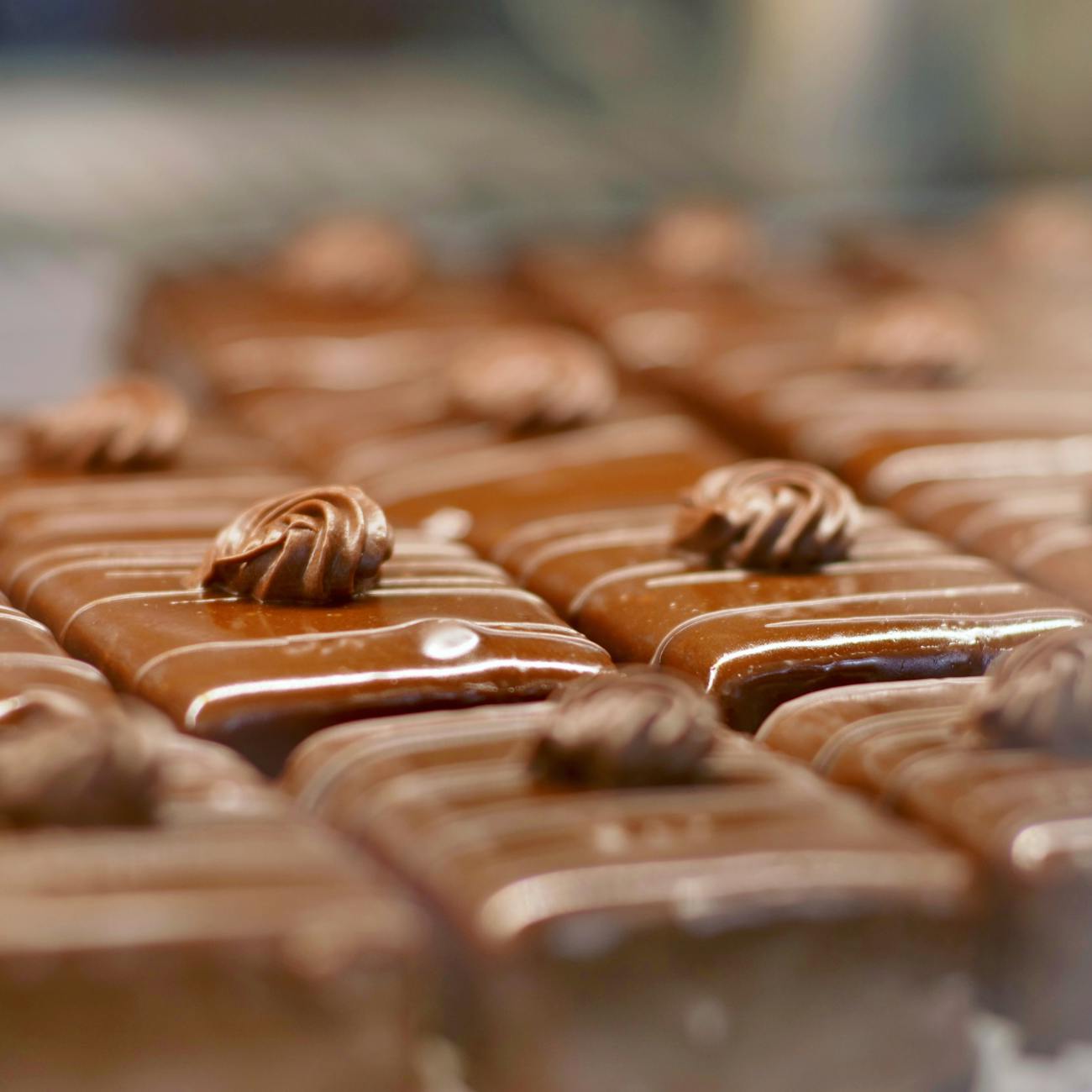
Tempering chocolate is a crucial skill in the world of candy making. It is the process of heating and cooling chocolate to specific temperatures to stabilize the cocoa butter crystals within the chocolate. Properly tempered chocolate has a glossy finish, a satisfying snap when broken, and a smooth texture.
Key Terms and Vocabulary
1. Cocoa Butter: The fatty component of cocoa beans that gives chocolate its smooth texture and mouthfeel. It is crucial in the tempering process as it needs to be properly crystallized for the chocolate to set correctly.
2. Cocoa Solids: The non-fat component of cocoa beans, including cocoa powder. Cocoa solids give chocolate its flavor and color.
3. Melting Point: The temperature at which a substance changes from a solid to a liquid state. In chocolate tempering, understanding the melting point of cocoa butter is essential for achieving the desired texture and appearance.
4. Crystallization: The process by which cocoa butter molecules arrange themselves into a specific pattern within the chocolate. Proper crystallization is key to achieving tempered chocolate.
5. Seed Crystals: Small particles of tempered chocolate used to help initiate the crystallization process when tempering a new batch of chocolate.
6. Tempering Curve: A graphical representation of the temperature changes during the tempering process. It shows the heating, cooling, and working temperatures required for properly tempered chocolate.
7. Alpha Crystal Form: The most stable form of cocoa butter crystals, which are formed during the tempering process. Alpha crystals give chocolate its shiny appearance and smooth texture.
8. Beta Crystal Form: Less stable cocoa butter crystals that can cause chocolate to have a dull appearance and a grainy texture if not properly tempered.
9. Working Temperature: The temperature range at which tempered chocolate is best for dipping, molding, or coating candies. It is crucial to maintain the chocolate within this range to ensure proper tempering.
10. Seeding Method: A technique used in chocolate tempering that involves adding small amounts of tempered chocolate to melted chocolate to encourage the formation of stable cocoa butter crystals.
11. Tabling Method: A traditional technique for tempering chocolate that involves spreading melted chocolate on a cool surface and agitating it to encourage crystallization.
12. Enrobing: The process of coating a confection with a layer of tempered chocolate. Enrobing is commonly used in candy making to create a smooth and glossy finish on candies.
13. Chocolate Bloom: A common issue in chocolate where the cocoa butter separates from the cocoa solids, causing a white, powdery appearance on the surface. Chocolate bloom can occur due to improper tempering or storage conditions.
14. Conching: A process in chocolate making that involves mixing and aerating the chocolate to develop flavor and texture. Properly conched chocolate is essential for achieving high-quality tempered chocolate.
15. Inclusion: Adding ingredients such as nuts, fruits, or spices to chocolate before tempering to create unique flavor combinations. Inclusions can affect the tempering process and may require adjustments to the tempering method.
Practical Applications
Understanding the art of tempering chocolate is essential for creating a wide range of candies and confections. Here are some practical applications of tempered chocolate in candy making:
1. Truffles: Truffles are a popular candy made by coating ganache or other fillings with tempered chocolate. Properly tempered chocolate creates a smooth and glossy shell that contrasts with the creamy interior of the truffle.
2. Chocolate Bars: Tempered chocolate is used to create chocolate bars with a shiny finish and a satisfying snap when broken. By tempering the chocolate correctly, candy makers can achieve a professional-looking end product.
3. Bonbons: Bonbons are small, bite-sized candies typically filled with ganache, caramel, or fruit puree. Tempered chocolate is used to create the outer shell of the bonbon, providing a smooth and uniform coating.
4. Chocolate Dipped Fruit: Tempered chocolate is ideal for dipping fruits such as strawberries, bananas, or oranges. The tempered chocolate creates a thin, crisp shell that complements the sweetness of the fruit.
5. Chocolate Decorations: Tempered chocolate can be used to create intricate decorations for cakes, pastries, and desserts. By piping or molding tempered chocolate, candy makers can add a touch of elegance to their creations.
6. Chocolate Molds: Tempered chocolate is poured into molds to create various shapes and designs. Properly tempered chocolate will release easily from the molds, preserving the details of the mold design.
Challenges and Solutions
While tempering chocolate is a rewarding skill, it can also present challenges to candy makers. Here are some common challenges and solutions when tempering chocolate:
1. Overheating: If chocolate is heated above its melting point, it can become scorched and lose its temper. To avoid overheating, use a double boiler or microwave in short bursts, stirring frequently.
2. Undercrystallization: If chocolate is not properly tempered, it may fail to set correctly, resulting in a soft or greasy texture. To overcome undercrystallization, use the seeding method or tabling method to encourage proper crystallization.
3. Quick Tempering: In a busy candy making environment, it can be challenging to temper chocolate quickly while maintaining quality. To speed up the tempering process, consider using a tempering machine or pre-tempered chocolate.
4. Humidity: High humidity can affect the tempering process by introducing moisture to the chocolate, causing it to seize or become dull. To combat humidity, work in a cool, dry environment and store chocolate properly.
5. Temperature Fluctuations: Rapid changes in temperature can cause chocolate to lose its temper or develop bloom. To prevent temperature fluctuations, use a reliable thermometer and maintain consistent temperatures throughout the tempering process.
6. Chocolate Type: Different types of chocolate, such as dark, milk, or white chocolate, require slightly different tempering methods due to variations in cocoa butter content. Be sure to adjust your tempering technique accordingly.
7. Storage: Improper storage of tempered chocolate can lead to bloom or changes in texture. Store tempered chocolate in a cool, dry place away from strong odors and direct sunlight to maintain its quality.
Conclusion
Mastering the art of tempering chocolate is essential for any professional candy maker. By understanding the key terms and vocabulary associated with chocolate tempering, as well as practical applications and challenges, candy makers can create high-quality candies and confections with a smooth, glossy finish and a satisfying texture. With practice and attention to detail, anyone can become proficient in the art of tempering chocolate and elevate their candy making skills to the next level.
Key takeaways
- It is the process of heating and cooling chocolate to specific temperatures to stabilize the cocoa butter crystals within the chocolate.
- It is crucial in the tempering process as it needs to be properly crystallized for the chocolate to set correctly.
- Cocoa Solids: The non-fat component of cocoa beans, including cocoa powder.
- In chocolate tempering, understanding the melting point of cocoa butter is essential for achieving the desired texture and appearance.
- Crystallization: The process by which cocoa butter molecules arrange themselves into a specific pattern within the chocolate.
- Seed Crystals: Small particles of tempered chocolate used to help initiate the crystallization process when tempering a new batch of chocolate.
- Tempering Curve: A graphical representation of the temperature changes during the tempering process.