
Creating Truffles and Bonbons
Creating Truffles and Bonbons involves a variety of key terms and vocabulary that are essential to understanding the art and science of candy making. Whether you are a novice or an experienced confectioner, familiarizing yourself with these…
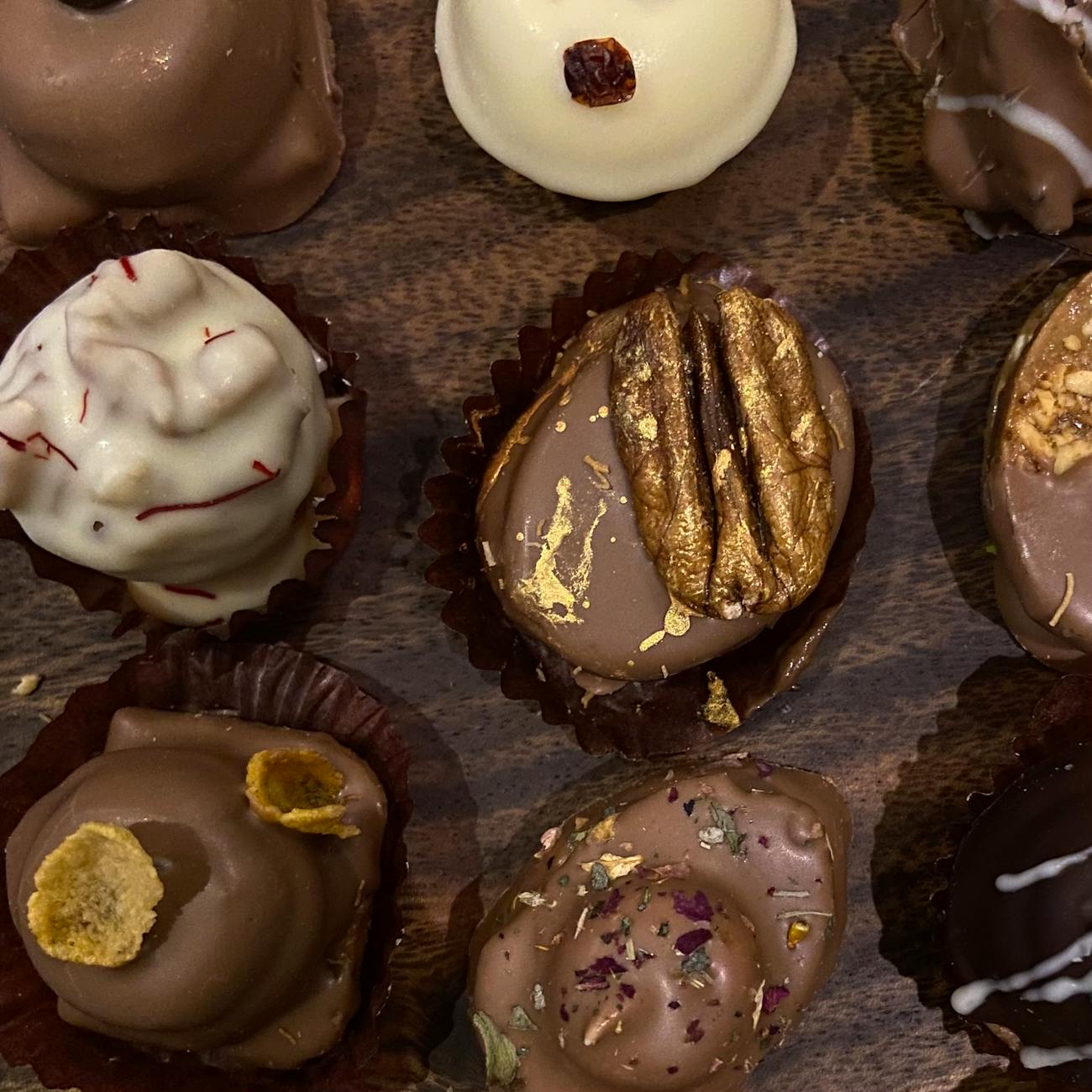
Creating Truffles and Bonbons involves a variety of key terms and vocabulary that are essential to understanding the art and science of candy making. Whether you are a novice or an experienced confectioner, familiarizing yourself with these terms will help you master the techniques required to produce high-quality truffles and bonbons.
1. **Truffles**: Truffles are luxurious chocolate confections made from a mixture of chocolate, cream, and sometimes butter. They are typically rolled into small balls and coated with cocoa powder, nuts, or melted chocolate. Truffles can be flavored with various ingredients such as liqueurs, spices, nuts, and fruit purees.
2. **Bonbons**: Bonbons are bite-sized chocolate candies filled with ganache, caramel, fruit puree, nuts, or other sweet fillings. They are often coated with tempered chocolate and decorated with intricate designs or garnishes. Bonbons come in a variety of shapes and flavors, making them a popular choice for gift-giving and special occasions.
3. **Tempering**: Tempering is the process of heating and cooling chocolate to specific temperatures to stabilize the cocoa butter crystals. Proper tempering ensures that the chocolate has a glossy finish, a crisp snap, and a smooth texture. Tempering is essential for making truffles and bonbons with a professional appearance and mouthfeel.
4. **Ganache**: Ganache is a smooth and creamy mixture of chocolate and hot cream. It is used as a filling for truffles, bonbons, cakes, and pastries. Ganache can be flavored with various ingredients such as vanilla, coffee, citrus zest, or liqueurs. The ratio of chocolate to cream determines the consistency of the ganache.
5. **Cocoa Percentage**: Cocoa percentage refers to the amount of cocoa solids and cocoa butter in chocolate. Dark chocolate typically has a higher cocoa percentage than milk chocolate, resulting in a more intense flavor and less sweetness. When making truffles and bonbons, choosing the right cocoa percentage is crucial for achieving the desired taste and texture.
6. **Enrobing**: Enrobing is the process of coating truffles and bonbons with a thin layer of tempered chocolate. This step adds a decorative finish to the candies and enhances their flavor and texture. Enrobing can be done manually by dipping the candies in melted chocolate or using a specialized enrobing machine for larger-scale production.
7. **Crystallization**: Crystallization is the formation of stable cocoa butter crystals in chocolate during the tempering process. Proper crystallization is essential for producing smooth and shiny truffles and bonbons with a good mouthfeel. Factors such as temperature, agitation, and seeding play a crucial role in controlling the crystallization of chocolate.
8. **Molding**: Molding is the process of shaping truffles and bonbons using silicone molds or rigid molds made of polycarbonate or metal. Molds come in various shapes and sizes, allowing confectioners to create intricate designs and patterns on the candies. Properly filling and tapping the molds ensures that the chocolates have a uniform shape and finish.
9. **Flavor Infusion**: Flavor infusion involves adding ingredients such as herbs, spices, citrus zest, or extracts to the chocolate or ganache to enhance the taste of truffles and bonbons. Infusing flavors can be done by steeping the ingredients in hot cream or mixing them directly into the chocolate before molding. Experimenting with different flavor combinations can lead to unique and delicious creations.
10. **Shelf Life**: Shelf life refers to the period during which truffles and bonbons can be stored without compromising their quality, flavor, or texture. Factors such as temperature, humidity, and exposure to light can affect the shelf life of chocolates. Proper packaging and storage conditions are essential for extending the shelf life of candies and maintaining their freshness.
11. **Hand-Dipping**: Hand-dipping is a traditional technique used to coat truffles and bonbons with tempered chocolate by hand. Confectioners use dipping forks or skewers to submerge the candies in melted chocolate, ensuring an even coating and smooth finish. Hand-dipping requires skill and precision to achieve consistent results and uniform shapes.
12. **Inclusions**: Inclusions are added ingredients such as nuts, dried fruit, candied peel, or crunchy candies that are mixed into the ganache or sprinkled on top of truffles and bonbons. Inclusions provide texture, flavor contrast, and visual interest to the candies, making them more appealing and enjoyable to eat. Experimenting with different inclusions can add a creative twist to your chocolate creations.
13. **Coloring**: Coloring is the process of adding food coloring or natural dyes to chocolate to create vibrant hues and decorative effects. Coloring can be used to enhance the appearance of truffles and bonbons, making them more visually appealing and attractive. Gel-based colors are commonly used for tinting chocolates as they blend easily and do not affect the texture or flavor.
14. **Piping**: Piping is a technique used to fill molds or shape ganache into decorative patterns using a pastry bag or piping bag. Confectioners can pipe ganache directly into molds to create layered designs or swirls inside the chocolates. Piping can also be used to drizzle melted chocolate on top of truffles or bonbons for added decoration and flair.
15. **Milk Chocolate vs. Dark Chocolate**: Milk chocolate contains a higher percentage of milk solids and sugar than dark chocolate, giving it a sweeter and creamier flavor. Dark chocolate has a higher cocoa percentage and less sugar, resulting in a richer and more intense chocolate taste. When making truffles and bonbons, choosing between milk chocolate and dark chocolate depends on personal preference and the desired flavor profile of the candies.
16. **Caramelization**: Caramelization is the browning of sugar when heated, resulting in a rich and complex flavor profile. Caramelization can be achieved by cooking sugar to a specific temperature or by adding butter and cream to create caramel sauce for filling bonbons. The depth of caramelization can be adjusted to control the sweetness and depth of flavor in the candies.
17. **Shell Molding**: Shell molding is a technique used to create hollow chocolate shells that are filled with ganache or other fillings. Confectioners pour tempered chocolate into molds, rotate the molds to coat the sides evenly, and then invert them to remove the excess chocolate. Once the shells are set, they are filled with ganache and sealed with a layer of chocolate to complete the bonbons.
18. **Dipping Forks**: Dipping forks are tools with long handles and two or three prongs used to dip truffles and bonbons into melted chocolate. The prongs of the dipping fork allow confectioners to submerge the candies in chocolate without creating fingerprints or smudges. Dipping forks come in various sizes and shapes to accommodate different types of chocolates and molds.
19. **Milk Powder**: Milk powder is a dry dairy product made by evaporating milk to remove the moisture content. Milk powder is often used in chocolate ganache to add a creamy and milky flavor without the need for fresh dairy products. Incorporating milk powder into ganache can enhance the texture, mouthfeel, and flavor of truffles and bonbons.
20. **Seeding Method**: The seeding method is a technique used to temper chocolate by adding small pieces of tempered chocolate (seeds) to melted chocolate to initiate crystallization. By gradually cooling and reheating the chocolate while stirring, confectioners can achieve the desired cocoa butter crystal structure for smooth and shiny truffles and bonbons. The seeding method is a reliable way to temper chocolate consistently and efficiently.
21. **Airbrushing**: Airbrushing is a decorative technique used to spray a fine mist of colored cocoa butter or food-safe paint onto truffles and bonbons. Airbrushing allows confectioners to create intricate designs, gradients, and patterns on the chocolates, adding visual interest and artistic flair. Airbrushing requires skill and precision to control the intensity and coverage of the colors on the candies.
22. **White Chocolate**: White chocolate is made from cocoa butter, sugar, milk solids, and vanilla, without cocoa solids. White chocolate has a creamy texture, a sweet flavor, and a light color, making it a versatile ingredient for truffles and bonbons. The high cocoa butter content in white chocolate makes it ideal for molding, enrobing, and decorating candies with intricate designs.
23. **Polycarbonate Molds**: Polycarbonate molds are rigid plastic molds used for shaping truffles and bonbons with precision and consistency. Polycarbonate molds come in various shapes and sizes, allowing confectioners to create professional-looking chocolates with intricate details and patterns. The non-stick surface of polycarbonate molds makes it easy to demold chocolates without damaging their shape or finish.
24. **Spraying**: Spraying is a technique used to apply a thin layer of cocoa butter, colored cocoa butter, or edible luster dust onto truffles and bonbons for a decorative finish. Confectioners use a spray gun or airbrush to evenly coat the chocolates with a shimmering or metallic sheen, enhancing their appearance and visual appeal. Spraying can be done before or after enrobing the candies to add a touch of elegance and sophistication.
25. **Invert Sugar**: Invert sugar is a liquid sweetener made by hydrolyzing sucrose into glucose and fructose. Invert sugar is used in chocolate ganache to prevent crystallization and improve the texture and shelf life of truffles and bonbons. Invert sugar also enhances the smoothness, creaminess, and mouthfeel of ganache, making it a popular ingredient in confectionery.
26. **Dusting**: Dusting is a finishing technique used to sprinkle cocoa powder, powdered sugar, edible glitter, or gold dust onto truffles and bonbons for a decorative effect. Confectioners use a fine-mesh sieve or shaker to evenly coat the chocolates with a thin layer of dusting powder, adding a touch of elegance and sophistication to the candies. Dusting can be done before serving the chocolates to enhance their visual appeal and presentation.
27. **Marbling**: Marbling is a decorative technique used to create swirling patterns or designs on truffles and bonbons by combining different colors of tempered chocolate. Confectioners pour alternating layers of colored chocolate into molds, swirl the colors together with a toothpick or skewer, and then let the chocolates set to achieve a marbled effect. Marbling adds visual interest and artistic flair to the candies, making them stand out from traditional chocolates.
28. **Polishing**: Polishing is a final step in the chocolate-making process that involves buffing the surface of truffles and bonbons with a soft cloth or cotton pad to remove any imperfections or fingerprints. Polishing gives the chocolates a glossy finish, a smooth texture, and a professional appearance, making them look more appealing and inviting. Proper polishing enhances the overall presentation and quality of the candies, creating a memorable experience for consumers.
29. **Caramel Filling**: Caramel filling is a sweet and sticky mixture of sugar, butter, cream, and sometimes salt or flavorings. Caramel filling is used to fill bonbons, pralines, and chocolate bars, adding a rich and indulgent taste to the candies. Caramel filling can be cooked to different stages of caramelization to achieve varying levels of sweetness, color, and flavor intensity in the chocolates.
30. **Panned Candies**: Panned candies are small, round confections coated with layers of chocolate, sugar, or candy shells. Panned candies can include nuts, dried fruit, seeds, or candies at their core, creating a crunchy and flavorful treat. Panning is a labor-intensive process that involves repeatedly coating the candies with layers of chocolate or sugar syrup until they reach the desired size and texture.
In conclusion, mastering the key terms and vocabulary related to Creating Truffles and Bonbons is essential for becoming a skilled and knowledgeable confectioner. By understanding the techniques, ingredients, and processes involved in making truffles and bonbons, you can create delicious and visually stunning chocolates that delight your customers and showcase your creativity and expertise in the art of candy making. Experimenting with different flavors, textures, and decorations will allow you to develop your own unique style and signature creations that set you apart in the world of confectionery. Embrace the challenges and opportunities that come with creating truffles and bonbons, and let your passion for chocolate inspire you to create irresistible and unforgettable treats for all to enjoy.
Key takeaways
- Whether you are a novice or an experienced confectioner, familiarizing yourself with these terms will help you master the techniques required to produce high-quality truffles and bonbons.
- **Truffles**: Truffles are luxurious chocolate confections made from a mixture of chocolate, cream, and sometimes butter.
- **Bonbons**: Bonbons are bite-sized chocolate candies filled with ganache, caramel, fruit puree, nuts, or other sweet fillings.
- **Tempering**: Tempering is the process of heating and cooling chocolate to specific temperatures to stabilize the cocoa butter crystals.
- Ganache can be flavored with various ingredients such as vanilla, coffee, citrus zest, or liqueurs.
- Dark chocolate typically has a higher cocoa percentage than milk chocolate, resulting in a more intense flavor and less sweetness.
- Enrobing can be done manually by dipping the candies in melted chocolate or using a specialized enrobing machine for larger-scale production.