
Universal Design in Public Spaces
Universal Design in Public Spaces
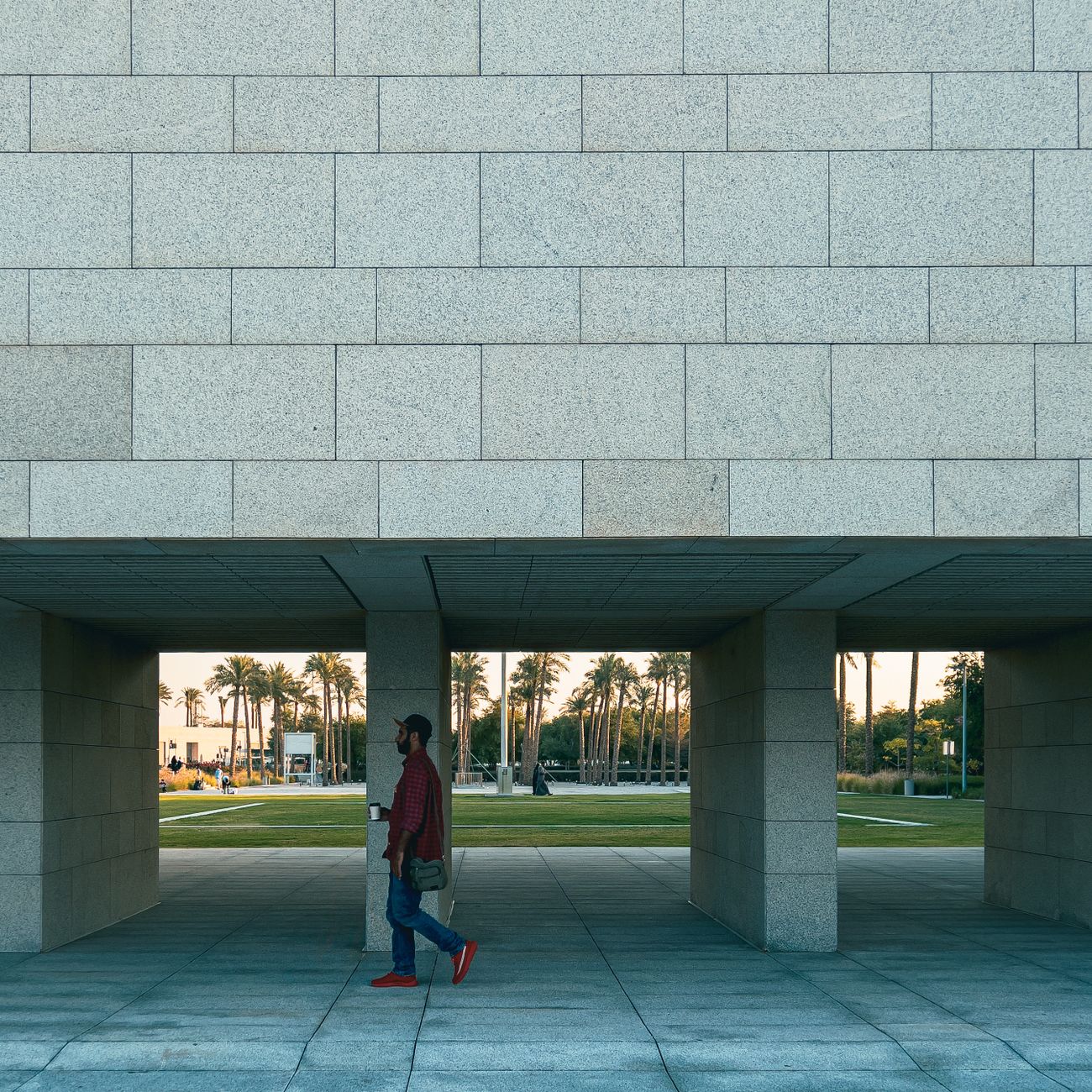
Universal Design in Public Spaces
Universal Design is a concept that aims to create environments, products, and systems that are accessible and usable by all people, regardless of age, ability, or status. When applied to public spaces, Universal Design ensures that everyone, including individuals with disabilities, older adults, children, and people with temporary impairments, can navigate and use these spaces comfortably and safely.
Key Terms and Vocabulary
1. Accessibility: Accessibility refers to the design of products, devices, services, or environments for people with disabilities. It ensures that individuals with disabilities can access and use a space or product without barriers.
2. Inclusion: Inclusion is the practice of ensuring that all individuals, regardless of their abilities, are able to participate fully in society. In public spaces, inclusion involves creating environments that are welcoming and accommodating to everyone.
3. Design for All: Design for All is an approach that considers the needs of all users, including those with disabilities, when designing products or environments. It aims to create solutions that benefit a wide range of users, rather than just a specific group.
4. Universal Design Principles: Universal Design principles are a set of guidelines that designers can follow to create inclusive and accessible environments. These principles include flexibility, simple and intuitive use, perceptible information, tolerance for error, low physical effort, and size and space for approach and use.
5. Public Space: Public spaces are areas that are open and accessible to the general public. Examples include parks, sidewalks, streets, plazas, and public buildings. Universal Design in public spaces ensures that these areas are inclusive and accessible to all individuals.
6. Wayfinding: Wayfinding refers to the process of navigating through a physical environment. In public spaces, wayfinding includes signage, landmarks, and other cues that help individuals find their way around. Universal Design improves wayfinding for all users, including those with visual impairments or cognitive disabilities.
7. Accessible Design: Accessible design is a design approach that focuses on creating products, environments, or services that can be used by individuals with disabilities. It involves removing barriers and providing accommodations to ensure equal access for all individuals.
8. ADA Compliance: ADA compliance refers to adherence to the Americans with Disabilities Act, a U.S. law that prohibits discrimination against individuals with disabilities. Public spaces must comply with ADA regulations to ensure accessibility for all individuals.
9. Barrier-Free Design: Barrier-free design aims to eliminate physical, sensory, and cognitive barriers in the built environment. It ensures that individuals with disabilities can navigate and use public spaces independently and safely.
10. Inclusive Design: Inclusive design is a design approach that considers the needs of diverse users, including individuals with disabilities, when creating products or environments. It aims to create solutions that are usable by everyone, regardless of their abilities.
11. Environmental Accessibility: Environmental accessibility refers to the ease with which individuals can access and navigate through a physical environment. Universal Design improves environmental accessibility by removing barriers and providing accommodations for all users.
12. Mobility Impairment: Mobility impairment refers to difficulties in moving around or navigating through physical environments. Public spaces must be designed to accommodate individuals with mobility impairments, such as those who use wheelchairs or walkers.
13. Visual Impairment: Visual impairment refers to difficulties in seeing or perceiving visual information. Universal Design in public spaces includes features such as tactile paving, braille signage, and audio cues to assist individuals with visual impairments.
14. Hearing Impairment: Hearing impairment refers to difficulties in hearing or processing auditory information. Public spaces should include visual cues, captions, and assistive listening devices to accommodate individuals with hearing impairments.
15. Cognitive Disability: Cognitive disability refers to difficulties in processing information or making decisions. Universal Design in public spaces includes clear signage, simple layouts, and wayfinding aids to assist individuals with cognitive disabilities.
16. Social Inclusion: Social inclusion is the process of ensuring that all individuals, regardless of their abilities, are able to participate in social activities and interactions. Universal Design promotes social inclusion by creating inclusive and accessible public spaces.
17. Equitable Use: Equitable use is a Universal Design principle that ensures that products or environments are usable by all individuals, regardless of their abilities. It involves providing options and flexibility to accommodate diverse users.
18. User-Centered Design: User-centered design is an approach that involves considering the needs and preferences of users when designing products or environments. It aims to create solutions that are intuitive, easy to use, and responsive to user feedback.
19. Assistive Technology: Assistive technology refers to devices or equipment that help individuals with disabilities perform tasks or access information. Public spaces can incorporate assistive technology, such as hearing loops or tactile maps, to enhance accessibility.
20. Universal Design Features: Universal Design features are design elements that improve accessibility and usability for all users. Examples include ramps, elevators, automatic doors, tactile paving, contrasting colors, and adjustable height counters.
21. Human-Centered Design: Human-centered design is an approach that focuses on understanding the needs and behaviors of users when designing products or environments. It involves empathy, iteration, and collaboration with users throughout the design process.
22. Public Transportation: Public transportation refers to systems that provide shared transportation services to the general public. Universal Design in public transportation includes features such as accessible buses, trains, stations, and signage to accommodate individuals with disabilities.
23. Outdoor Recreation: Outdoor recreation refers to activities that take place in natural or built outdoor environments. Universal Design in outdoor recreation spaces ensures that individuals with disabilities can participate in activities such as hiking, camping, and picnicking.
24. Emergency Evacuation: Emergency evacuation refers to the process of safely exiting a building or space in case of an emergency. Universal Design includes features such as evacuation routes, emergency alarms, and accessible exits to ensure that all individuals can evacuate safely.
25. Age-Friendly Design: Age-friendly design is an approach that considers the needs and preferences of older adults when designing products or environments. It aims to create solutions that are accessible, safe, and comfortable for individuals as they age.
26. Smart Cities: Smart cities are urban areas that use technology and data to improve efficiency, sustainability, and quality of life for residents. Universal Design in smart cities includes features such as digital accessibility, smart transportation systems, and connected public spaces.
27. Public Restrooms: Public restrooms are facilities that provide toilet and sanitation services to the general public. Universal Design in public restrooms includes features such as accessible stalls, grab bars, low sinks, and tactile signage to accommodate individuals with disabilities.
28. Public Parks: Public parks are outdoor spaces that are open to the public for recreation and relaxation. Universal Design in public parks includes features such as accessible paths, seating areas, playgrounds, and restrooms to ensure that everyone can enjoy the park.
29. Historic Preservation: Historic preservation refers to the conservation and protection of historic buildings, sites, and landscapes. Universal Design in historic preservation includes adapting historic spaces to be accessible and usable for individuals with disabilities while preserving their historical significance.
30. Shared Streets: Shared streets are urban thoroughfares that prioritize pedestrians and cyclists over motor vehicles. Universal Design in shared streets includes features such as wide sidewalks, curb cuts, pedestrian crossings, and traffic calming measures to create safe and accessible environments for all users.
31. Challenges of Universal Design: One of the challenges of Universal Design is balancing the needs of diverse users while maintaining the integrity of the design. Designers must consider the trade-offs between accessibility, aesthetics, and functionality to create inclusive and attractive public spaces.
32. Legal Requirements: Legal requirements, such as building codes, accessibility standards, and anti-discrimination laws, mandate that public spaces must be accessible to individuals with disabilities. Designers and developers must comply with these regulations to ensure that their projects are inclusive and barrier-free.
33. Cost Considerations: Cost considerations are an important factor in implementing Universal Design in public spaces. Designing for accessibility may require additional resources and investments, but the long-term benefits of creating inclusive environments can outweigh the initial costs.
34. Community Engagement: Community engagement involves involving stakeholders, including individuals with disabilities, older adults, and community members, in the design and planning of public spaces. By listening to the needs and preferences of diverse users, designers can create more inclusive and user-friendly environments.
35. Training and Education: Training and education are essential for promoting Universal Design principles among designers, architects, planners, and developers. By increasing awareness and knowledge about accessibility and inclusion, professionals can create public spaces that are welcoming and accommodating to all individuals.
36. Adaptive Strategies: Adaptive strategies involve adjusting design elements or features to accommodate the changing needs of users. Public spaces should be designed with flexibility and adaptability in mind to ensure that they can evolve and respond to the diverse needs of the community.
37. Technology Integration: Technology integration involves incorporating digital solutions, such as mobile apps, wayfinding systems, and smart devices, into public spaces to enhance accessibility and user experience. By leveraging technology, designers can create more inclusive and interactive environments for all users.
38. Sustainability: Sustainability is the practice of designing and managing resources in a way that meets the needs of the present without compromising the ability of future generations to meet their own needs. Universal Design promotes sustainability by creating environments that are accessible, resilient, and adaptable over time.
39. Public Health: Public health is the science of protecting and improving the health of communities through education, promotion of healthy behaviors, and disease prevention. Universal Design in public spaces can promote public health by encouraging physical activity, social interaction, and access to nature for all individuals.
40. Collaborative Design: Collaborative design involves working with diverse stakeholders, including users, advocates, policymakers, and experts, to co-create inclusive and accessible public spaces. By fostering collaboration and partnership, designers can ensure that their projects meet the needs and expectations of the community.
Practical Applications
1. Designing an Accessible Park: When designing a public park, consider including features such as accessible paths, seating areas, playground equipment, and restrooms. Ensure that the park is easy to navigate for individuals with mobility impairments, visual impairments, and cognitive disabilities.
2. Creating Inclusive Public Restrooms: Design public restrooms with features such as accessible stalls, grab bars, low sinks, and tactile signage. Ensure that the restrooms are spacious, well-lit, and easy to use for individuals with disabilities, older adults, and parents with young children.
3. Implementing Wayfinding Systems: Install signage, landmarks, and maps to help individuals navigate through public spaces. Use clear and consistent symbols, colors, and fonts to assist individuals with visual impairments, cognitive disabilities, and language barriers.
4. Adapting Historic Buildings: When preserving historic buildings, consider adapting the spaces to be accessible and usable for individuals with disabilities. Install ramps, elevators, accessible entrances, and signage to ensure that everyone can experience the historical significance of the building.
5. Designing Smart Transportation Systems: Integrate technology, such as mobile apps, real-time information, and digital signage, into public transportation systems to enhance accessibility and user experience. Ensure that buses, trains, stations, and stops are accessible to individuals with disabilities and older adults.
6. Creating Age-Friendly Outdoor Spaces: Design outdoor recreation areas with features such as accessible trails, seating areas, picnic areas, and restrooms. Provide amenities that cater to the needs of older adults, such as benches, shade structures, and wayfinding aids.
7. Planning Shared Streets: Design shared streets with features such as wide sidewalks, curb cuts, pedestrian crossings, and traffic calming measures. Prioritize the safety and comfort of pedestrians, cyclists, and individuals with disabilities to create vibrant and inclusive urban environments.
Challenges and Considerations
1. Cost Constraints: Implementing Universal Design in public spaces may require additional resources and investments, which can be a challenge for budget-constrained projects. Designers must find cost-effective solutions that balance accessibility, aesthetics, and functionality to create inclusive environments.
2. Regulatory Compliance: Public spaces must comply with building codes, accessibility standards, and anti-discrimination laws to ensure accessibility for individuals with disabilities. Designers and developers must stay informed about legal requirements and best practices to avoid non-compliance issues.
3. Community Engagement: Engaging diverse stakeholders, including individuals with disabilities, older adults, and community members, in the design process can be a challenge. Designers must listen to the needs and preferences of the community to create public spaces that are truly inclusive and responsive to user feedback.
4. Technology Integration: Integrating technology into public spaces can enhance accessibility and user experience, but it also presents challenges such as digital divide, privacy concerns, and maintenance issues. Designers must carefully consider the impact of technology on accessibility and ensure that digital solutions are user-friendly and inclusive.
5. Adaptive Strategies: Designing public spaces with flexibility and adaptability in mind can be challenging, especially when accommodating diverse user needs and preferences. Designers must anticipate future changes and trends, such as aging populations and evolving technologies, to create environments that remain inclusive and relevant over time.
6. Sustainability: Promoting sustainability in public spaces involves balancing environmental, social, and economic considerations while ensuring accessibility and inclusivity for all users. Designers must adopt sustainable practices, such as green infrastructure, energy efficiency, and universal access, to create resilient and healthy environments for the community.
7. Public Health: Designing public spaces that promote public health can be challenging, as it requires addressing issues such as physical inactivity, social isolation, and environmental pollution. Designers must incorporate features that encourage active living, social engagement, and access to nature to improve the overall health and well-being of the community.
8. Collaborative Design: Fostering collaboration and partnership among diverse stakeholders can be challenging, as it requires effective communication, consensus-building, and shared decision-making. Designers must engage with users, advocates, policymakers, and experts to co-create public spaces that meet the needs and expectations of the community.
In conclusion, Universal Design in public spaces is essential for creating environments that are accessible, inclusive, and welcoming to all individuals. By incorporating Universal Design principles, features, and strategies into the design and planning of public spaces, designers can ensure that everyone, regardless of their abilities, can enjoy and benefit from these shared environments. Despite the challenges and considerations involved in implementing Universal Design, the long-term benefits of creating inclusive public spaces outweigh the initial costs and efforts. By promoting accessibility, inclusion, and equity in public spaces, designers can contribute to a more sustainable, healthy, and vibrant community for all.
Key takeaways
- When applied to public spaces, Universal Design ensures that everyone, including individuals with disabilities, older adults, children, and people with temporary impairments, can navigate and use these spaces comfortably and safely.
- Accessibility: Accessibility refers to the design of products, devices, services, or environments for people with disabilities.
- Inclusion: Inclusion is the practice of ensuring that all individuals, regardless of their abilities, are able to participate fully in society.
- Design for All: Design for All is an approach that considers the needs of all users, including those with disabilities, when designing products or environments.
- These principles include flexibility, simple and intuitive use, perceptible information, tolerance for error, low physical effort, and size and space for approach and use.
- Universal Design in public spaces ensures that these areas are inclusive and accessible to all individuals.
- Universal Design improves wayfinding for all users, including those with visual impairments or cognitive disabilities.