
Universal Design in Transportation
Universal Design in Transportation is a concept that aims to create transportation systems that are accessible and inclusive for all individuals, regardless of age, ability, or disability. It focuses on designing transportation infrastructu…
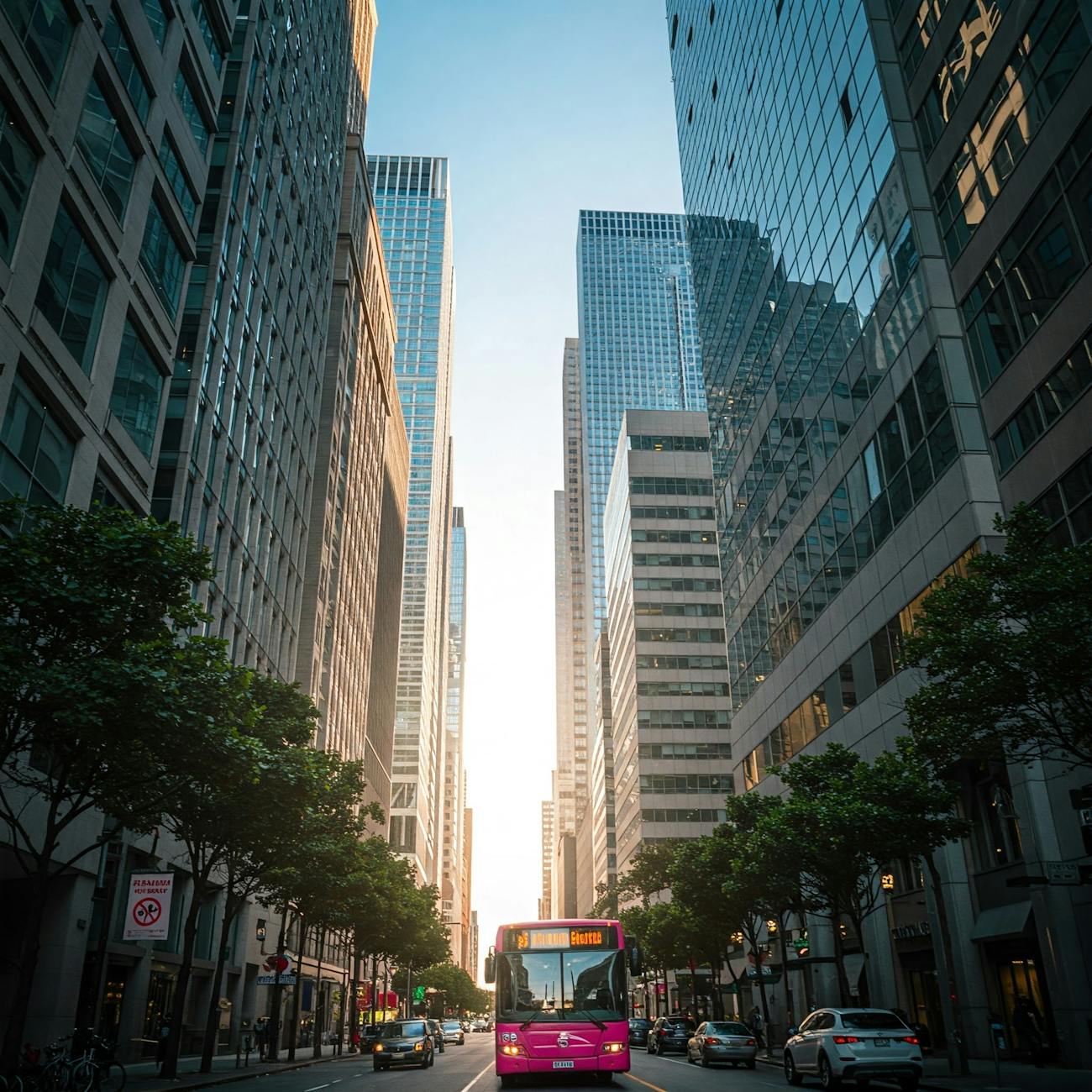
Universal Design in Transportation is a concept that aims to create transportation systems that are accessible and inclusive for all individuals, regardless of age, ability, or disability. It focuses on designing transportation infrastructure, vehicles, and services in a way that considers the diverse needs of users to ensure equal access and usability for everyone. This approach is essential for promoting independence, safety, and convenience for all passengers, including those with disabilities, older adults, parents with young children, and individuals with temporary mobility limitations.
Key Terms and Vocabulary:
1. **Universal Design**: Universal Design is the design of products, environments, and services to be usable by all people, to the greatest extent possible, without the need for adaptation or specialized design. It aims to create inclusive and accessible solutions that benefit everyone, regardless of their abilities or limitations.
2. **Accessibility**: Accessibility refers to the design of products, devices, services, or environments for people with disabilities. In transportation, accessibility ensures that all individuals, including those with mobility impairments, sensory disabilities, or cognitive limitations, can use and navigate the transportation system independently and safely.
3. **Inclusive Design**: Inclusive Design is a design methodology that considers the diversity of human abilities and experiences. It aims to create products and environments that are accessible and usable by the broadest range of people, including those with disabilities, older adults, and individuals with diverse needs.
4. **Mobility Impairment**: Mobility impairment refers to a condition that affects a person's ability to move around or travel independently. This can include physical disabilities, such as paralysis, amputation, or arthritis, that impact a person's ability to walk, stand, or use stairs.
5. **Sensory Disabilities**: Sensory disabilities are conditions that affect a person's ability to receive, process, or respond to sensory information. This can include visual impairments, hearing loss, or cognitive disabilities that may impact a person's ability to navigate and interact with their environment.
6. **Cognitive Limitations**: Cognitive limitations refer to difficulties in thinking, learning, and remembering information. This can include conditions such as intellectual disabilities, autism, or dementia that may affect a person's ability to understand and use transportation systems effectively.
7. **Age-Friendly Design**: Age-friendly design focuses on creating products and environments that are suitable for older adults. In transportation, age-friendly design considers the specific needs of older passengers, such as reduced mobility, visual or hearing impairments, and cognitive changes associated with aging.
8. **Wayfinding**: Wayfinding is the process of navigating and orienting oneself within a physical environment. In transportation, effective wayfinding design includes clear signage, intuitive layouts, and accessible information to help passengers find their way through terminals, stations, and vehicles.
9. **Accessible Design Standards**: Accessible design standards are guidelines and regulations that govern the design and construction of accessible facilities and services. In transportation, these standards ensure compliance with laws such as the Americans with Disabilities Act (ADA) to provide equal access to transportation for all individuals.
10. **ADA Compliance**: ADA compliance refers to adherence to the requirements of the Americans with Disabilities Act, a civil rights law that prohibits discrimination against individuals with disabilities. In transportation, ADA compliance ensures that facilities, vehicles, and services are accessible to all passengers, including those with disabilities.
11. **Paratransit Services**: Paratransit services are specialized transportation services for individuals with disabilities who are unable to use fixed-route public transportation. These services provide door-to-door or curb-to-curb transportation for passengers with mobility impairments, sensory disabilities, or other limitations.
12. **Accessible Vehicles**: Accessible vehicles are designed to accommodate passengers with disabilities, older adults, and individuals with mobility limitations. These vehicles may include features such as wheelchair ramps, lifts, securement systems, and priority seating areas to ensure safe and comfortable transport for all passengers.
13. **Accessible Infrastructure**: Accessible infrastructure refers to the design of transportation facilities, such as stations, terminals, stops, and shelters, to be usable by individuals of all abilities. This includes features like accessible entrances, tactile paving, handrails, and seating areas that enhance the accessibility and safety of the built environment.
14. **Human-Centered Design**: Human-centered design is an approach that focuses on understanding the needs, preferences, and behaviors of users to create products and services that meet their requirements effectively. In transportation, human-centered design involves engaging passengers in the design process to ensure that solutions are user-friendly and inclusive.
15. **Multi-Modal Transportation**: Multi-modal transportation involves the integration of different modes of transportation, such as buses, trains, bicycles, and pedestrians, to create a seamless and interconnected transportation network. This approach provides passengers with diverse options for traveling efficiently and conveniently across various modes of transport.
16. **Shared Mobility Services**: Shared mobility services are transportation options that allow multiple passengers to share a single vehicle or ride for a more efficient and sustainable travel experience. Examples include ride-sharing services, bike-sharing programs, and carpooling arrangements that promote accessibility and affordability for users.
17. **Digital Accessibility**: Digital accessibility refers to the design of websites, mobile applications, and online services to be usable by individuals with disabilities. In transportation, digital accessibility ensures that passengers can access information, purchase tickets, and plan their journeys online using accessible platforms and assistive technologies.
18. **Inclusive Public Engagement**: Inclusive public engagement involves involving diverse stakeholders, including individuals with disabilities, older adults, and community members, in the planning and decision-making processes of transportation projects. This approach ensures that the needs and perspectives of all users are considered in the design and implementation of transportation initiatives.
19. **Environmental Sustainability**: Environmental sustainability in transportation focuses on reducing the environmental impact of transportation systems through the use of renewable energy, efficient technologies, and sustainable practices. This approach aims to create greener and more eco-friendly transportation solutions that benefit both passengers and the planet.
20. **Barrier-Free Design**: Barrier-free design eliminates physical, sensory, and cognitive barriers that prevent individuals from accessing and using transportation facilities and services. This design approach ensures that transportation systems are inclusive, safe, and welcoming for all passengers, regardless of their abilities or limitations.
By understanding and applying these key terms and concepts related to Universal Design in Transportation, transportation professionals, policymakers, and stakeholders can create more accessible, inclusive, and user-friendly transportation systems that benefit all individuals in society. Embracing Universal Design principles in transportation planning and design can lead to safer, more efficient, and more sustainable transportation networks that enhance the quality of life for passengers of all ages and abilities.
Key takeaways
- This approach is essential for promoting independence, safety, and convenience for all passengers, including those with disabilities, older adults, parents with young children, and individuals with temporary mobility limitations.
- **Universal Design**: Universal Design is the design of products, environments, and services to be usable by all people, to the greatest extent possible, without the need for adaptation or specialized design.
- In transportation, accessibility ensures that all individuals, including those with mobility impairments, sensory disabilities, or cognitive limitations, can use and navigate the transportation system independently and safely.
- It aims to create products and environments that are accessible and usable by the broadest range of people, including those with disabilities, older adults, and individuals with diverse needs.
- This can include physical disabilities, such as paralysis, amputation, or arthritis, that impact a person's ability to walk, stand, or use stairs.
- This can include visual impairments, hearing loss, or cognitive disabilities that may impact a person's ability to navigate and interact with their environment.
- This can include conditions such as intellectual disabilities, autism, or dementia that may affect a person's ability to understand and use transportation systems effectively.