
Golf Course Design Principles
Golf Course Design Principles =========================
Golf Course Design Principles =========================
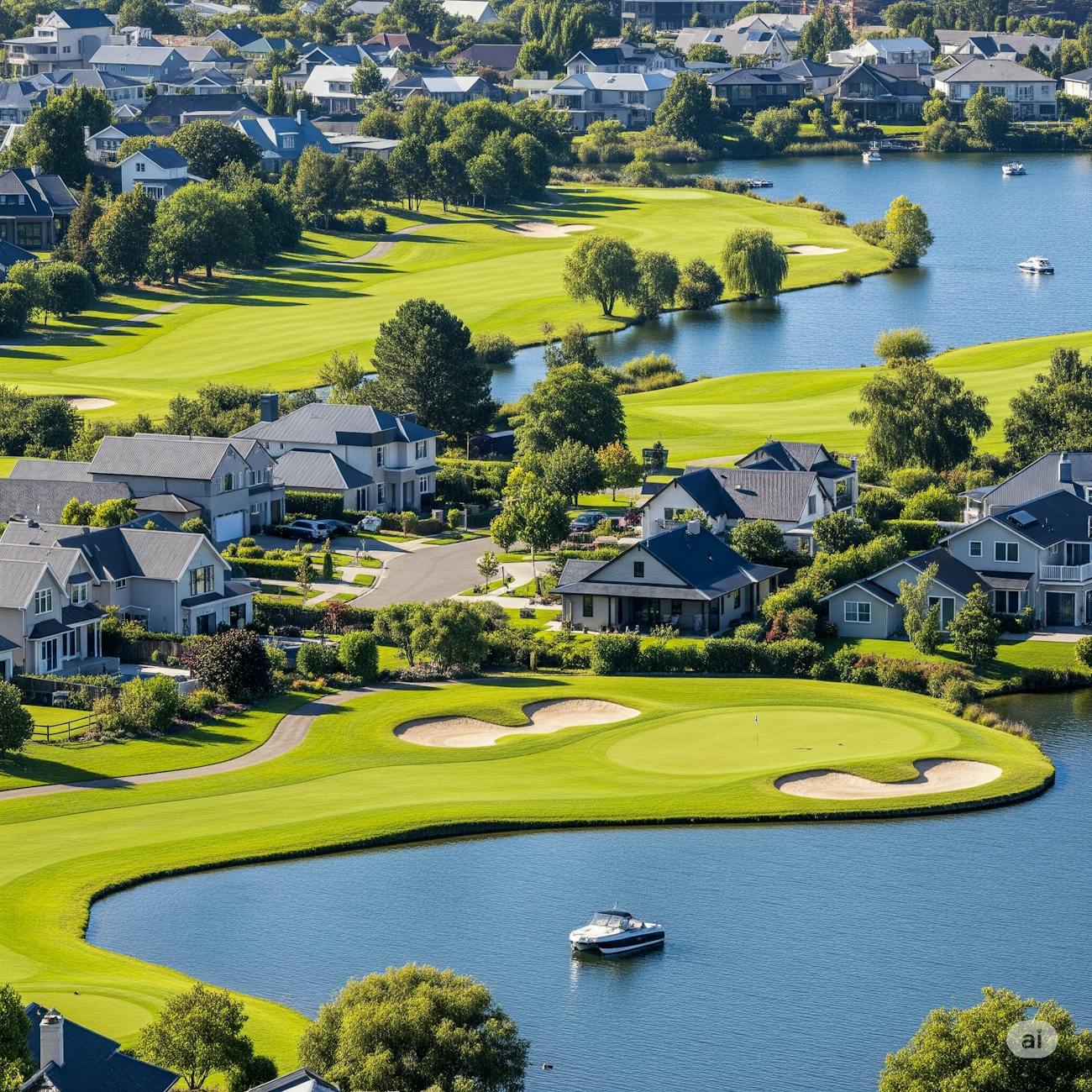
In this explanation, we will discuss key terms and vocabulary related to golf course design principles, which are crucial in the Professional Certificate in Golf Course Architectural Planning. These principles encompass various elements that contribute to the overall layout, playability, and aesthetics of a golf course.
Fairway -------
The *fairway* is the closely mown area between the teeing ground and the putting green. It is designed to provide a clear path for the golfer to play their ball towards the green. Fairways are typically kept short and well-maintained to allow for optimal ball roll and accurate shots.
Rough -----
The *rough* refers to the area surrounding the fairway, characterized by longer and denser grass. Its primary function is to add challenge to the game, as it can make it more difficult for golfers to locate and play their ball. The rough can be strategically designed to influence shot selection and club choice.
Green -----
The *green* is the carefully maintained area surrounding the hole. It is designed to provide a smooth and fast surface for putting the ball. Greens are usually made of fine-bladed grasses that allow for consistent ball roll and are often sloped to create various challenges for golfers.
Teeing Ground -------------
The *teeing ground* is the area where golfers begin each hole. It is typically a flat, rectangular surface where golfers place their tee and hit their first shot. Teeing grounds can be designed to offer different angles and distances to the green, influencing strategic decision-making.
Bunker ------
A *bunker* is a depressed area filled with sand, designed to add challenge and strategy to the game. Bunkers can be placed in various locations, such as greensides, fairways, or even waste areas. They require golfers to use specific shots and techniques, often resulting in penalty strokes if not executed correctly.
Water Hazard ------------
A *water hazard* is a natural or man-made body of water that intersects or borders a golf hole. These hazards can include ponds, lakes, rivers, or creeks and require golfers to play around or over them, introducing additional challenge and strategy.
Dogleg ------
A *dogleg* refers to a golf hole that features a sharp turn or bend, usually to the left or right. Doglegs can be designed to encourage different shot shapes, such as draws or fades, and can influence club selection and strategy.
Par ---
*Par* is the predetermined number of strokes a skilled golfer is expected to complete a hole in. Par is calculated based on the hole's length and difficulty, with most holes having a par of 3, 4, or 5. Par can influence strategy and risk-taking, as golfers aim to complete the hole in fewer strokes than par to earn a lower score.
Golden Age of Golf Course Architecture ---------------------------------------
The *Golden Age of Golf Course Architecture* refers to the period between 1910 and 1937 when many of the world's most iconic golf courses were designed and built. This era saw the emergence of renowned golf course architects such as Alister MacKenzie, Donald Ross, and A.W. Tillinghast, who emphasized strategic design principles, natural beauty, and environmental sustainability.
Challenges ----------
Throughout the design process, golf course architects face various challenges, such as balancing playability and challenge, adhering to environmental regulations, and accommodating various skill levels. By understanding these challenges and implementing appropriate design principles, architects can create engaging, enjoyable, and sustainable golf courses.
Examples --------
Consider the following examples to better understand the application of these design principles:
* Augusta National Golf Club, designed by Alister MacKenzie and Bobby Jones, showcases strategic bunkering, undulating greens, and a variety of hole lengths, providing a challenging and visually stunning golfing experience. * Pebble Beach Golf Links, designed by Jack Neville and Douglas Grant, incorporates the natural beauty of the Pacific coastline, with numerous oceanfront holes, doglegs, and challenging green complexes.
Practical Applications ---------------------
Understanding golf course design principles can help players and architects alike. For players, recognizing these elements can influence strategy, club selection, and shot shape. For architects, applying these principles can result in engaging, challenging, and sustainable golf courses that cater to a wide range of skill levels.
In summary, key terms and vocabulary in golf course design principles encompass various elements that contribute to the overall layout, playability, and aesthetics of a golf course. Familiarity with these concepts can enhance the golfing experience for both players and designers, promoting strategic decision-making, enjoyment, and environmental stewardship.
Word count: 620
Key takeaways
- In this explanation, we will discuss key terms and vocabulary related to golf course design principles, which are crucial in the Professional Certificate in Golf Course Architectural Planning.
- Fairways are typically kept short and well-maintained to allow for optimal ball roll and accurate shots.
- Its primary function is to add challenge to the game, as it can make it more difficult for golfers to locate and play their ball.
- Greens are usually made of fine-bladed grasses that allow for consistent ball roll and are often sloped to create various challenges for golfers.
- Teeing grounds can be designed to offer different angles and distances to the green, influencing strategic decision-making.
- They require golfers to use specific shots and techniques, often resulting in penalty strokes if not executed correctly.
- These hazards can include ponds, lakes, rivers, or creeks and require golfers to play around or over them, introducing additional challenge and strategy.